
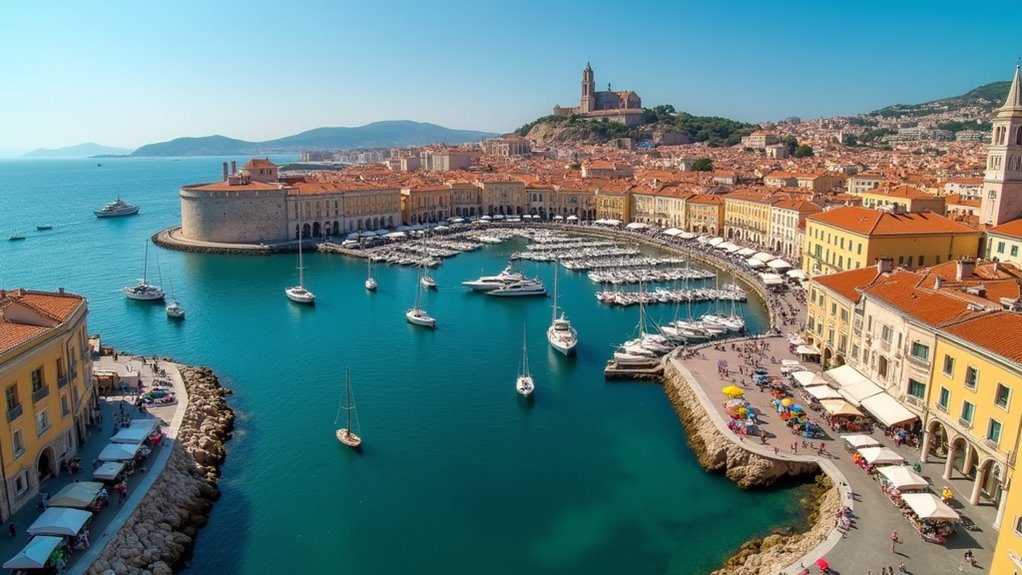
You’ve heard Marseille’s reputation—gritty port city with rough edges. But France’s oldest city offers surprising treasures that won’t drain your wallet. From ancient neighborhoods bursting with street art to underwater museums you can swim to for free, this Mediterranean gem blends 2,600 years of history with cutting-edge culture. Whether you’re climbing historic hills for panoramic views or wandering transformed districts, Marseille rewards curious travelers who look beyond the stereotypes. Here’s what you shouldn’t miss.
- Climb up to Notre-Dame De La Garde for the Best Views in Town
- Explore the Narrow Streets and Street Art of Le Panier
- Walk the Free Rooftop Gardens at Fort Saint-Jean
- Take in Modern Architecture and Mediterranean Culture at MuCEM
- Stroll Around the Historic Old Port and Watch the Boats
- Hike or Boat to the Stunning Calanques National Park
- Discover Prehistoric Cave Art at the New Cosquer Cave Museum
- Browse the North African Market for Spices and Street Food
- Relax in the Gardens and Free Museums at Palais Longchamp
- Swim Out to the Underwater Sculpture Museum From Plage Des Catalans
- Wander Through the Transformed Joliette District
- Visit La Vieille Charité for Art and Baroque Architecture
- The Sum Up
Climb up to Notre-Dame De La Garde for the Best Views in Town
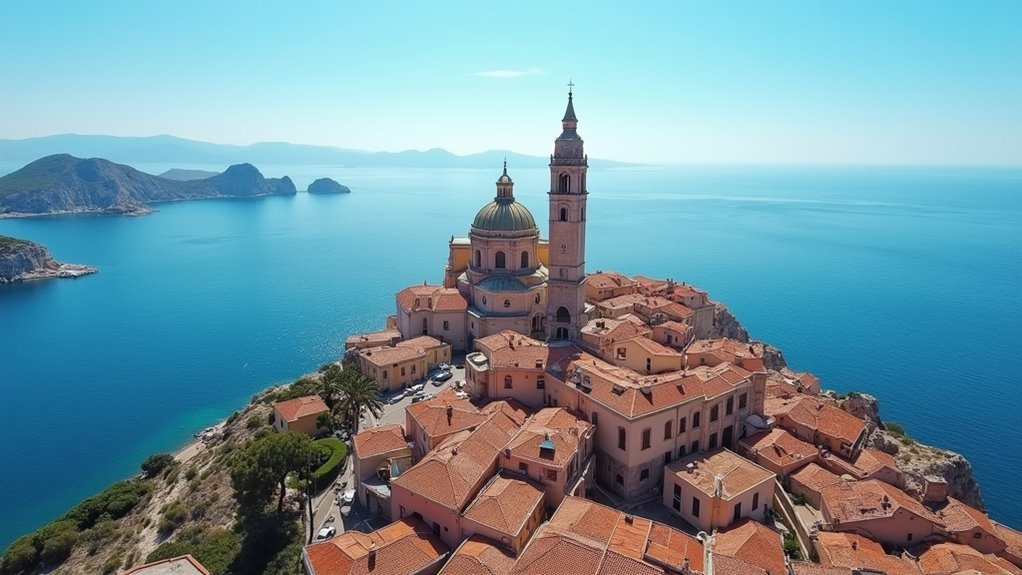
When you’re looking for the ultimate Instagram shot in Marseille, there’s no better place than Notre-Dame de la Garde. Perched 150 meters above sea level, this Neo-Byzantine basilica offers breathtaking panoramic views of the city, Old Port, and Mediterranean Sea.
You’ve got several ways to reach the top. Take buses 21, 22, 23, 24, 25, 26, or 60 if you’re budget-conscious, or challenge yourself with the steep walk from Vieux-Port.
The basilica’s free to enter, so you won’t break the bank exploring the ornate interior with its stunning mosaics and marble work. While exploring, be sure to visit the 13th-century crypt, which maintains its original simple and bare design with few columns from the medieval sanctuary that once stood here.
Don’t miss the massive gilded statue of “La Bonne Mère” crowning the 46-meter bell tower – it’s visible from across the city and makes for incredible photos.
Explore the Narrow Streets and Street Art of Le Panier
After soaking in those stunning views from Notre-Dame de la Garde, head down to Le Panier, Marseille’s oldest neighborhood where 2,600 years of history meets today’s vibrant street art scene.
You’ll wander through narrow cobbled streets like Rue du Panier, discovering colorful murals and graffiti that transform ancient walls into an open-air museum. The steep, winding paths reveal pastel shutters, flower-filled balconies, and artists’ studios tucked into centuries-old buildings.
Don’t miss the small squares like Place des Pistoles, where you can grab coffee at budget-friendly cafes and watch neighborhood life unfold. Browse local craft shops and artisan boutiques for authentic souvenirs.
This former rough district has become Marseille’s creative heart while maintaining its village-like charm and affordable, family-run establishments. As you explore, you’ll experience an authentic Provençal village atmosphere despite being in the heart of the bustling city center.
Walk the Free Rooftop Gardens at Fort Saint-Jean
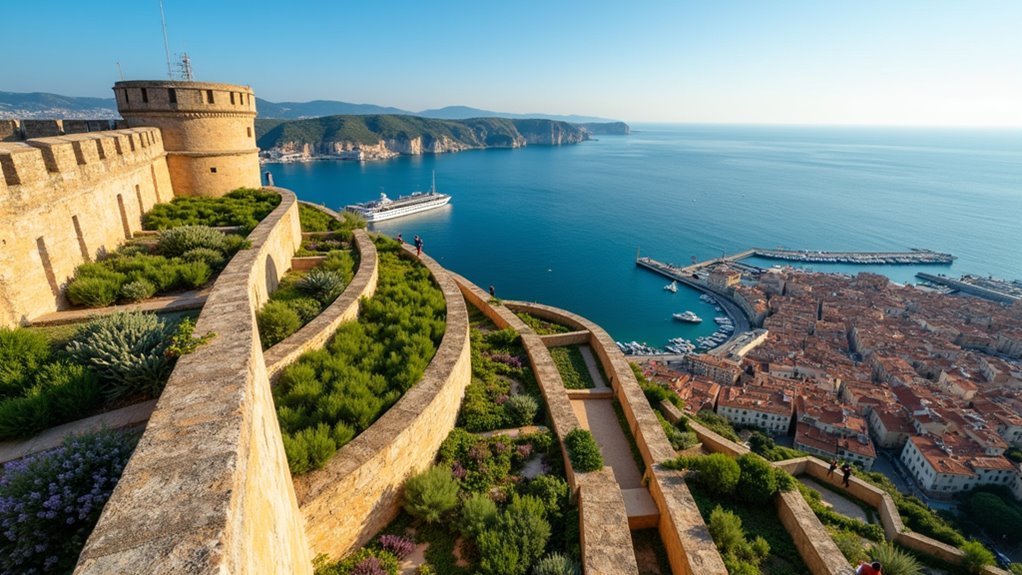
Why not combine breathtaking panoramic views with a peaceful garden stroll without spending a euro? Fort Saint-Jean’s rooftop gardens offer exactly that. Located at the Old Port’s entrance, this historic fortress opens its 12,000 m² Garden of Migrations to visitors year-round at no cost.
You’ll walk along ramparts where soldiers once patrolled, now transformed into scenic promenades with 360-degree views of the Mediterranean and Marseille’s skyline. The gardens feature sixteen themed sections showcasing plants tied to Mediterranean trade and migration history.
Access is simple—take the aerial walkway from MUCEM or the footbridge from Le Panier district. The fortress itself dates back to Louis XIV’s reign, but today it’s a peaceful public space where you can escape the city’s bustle while enjoying some of Marseille’s best vantage points. This site has deep roots as it was originally a commandery of Hospitallers serving Crusaders heading to the Holy Land in the 12th century.
Take in Modern Architecture and Mediterranean Culture at MuCEM
Since you’re already exploring the waterfront area, MuCEM makes a perfect next stop to experience Marseille’s bold architectural vision. This striking cube-shaped museum showcases Mediterranean civilizations through its innovative concrete lace facade that filters beautiful natural light inside.
You’ll find 3,690 square meters of exhibitions exploring European and Mediterranean cultures, plus a children’s area if you’re traveling with family.
The real highlight? Walking the suspended footbridge connecting MuCEM to Fort Saint-Jean—it’s free and offers incredible harbor views. The museum features a dramatic public path that cuts diagonally through the building, creating a unique architectural experience as you move through the space.
The museum’s outdoor spaces are accessible without paying admission, making it budget-friendly for exploring. The panoramic terrace provides stunning sea vistas, while the building itself demonstrates how modern architecture can complement historic surroundings.
It’s culture and architectural appreciation rolled into one waterfront experience.
Stroll Around the Historic Old Port and Watch the Boats
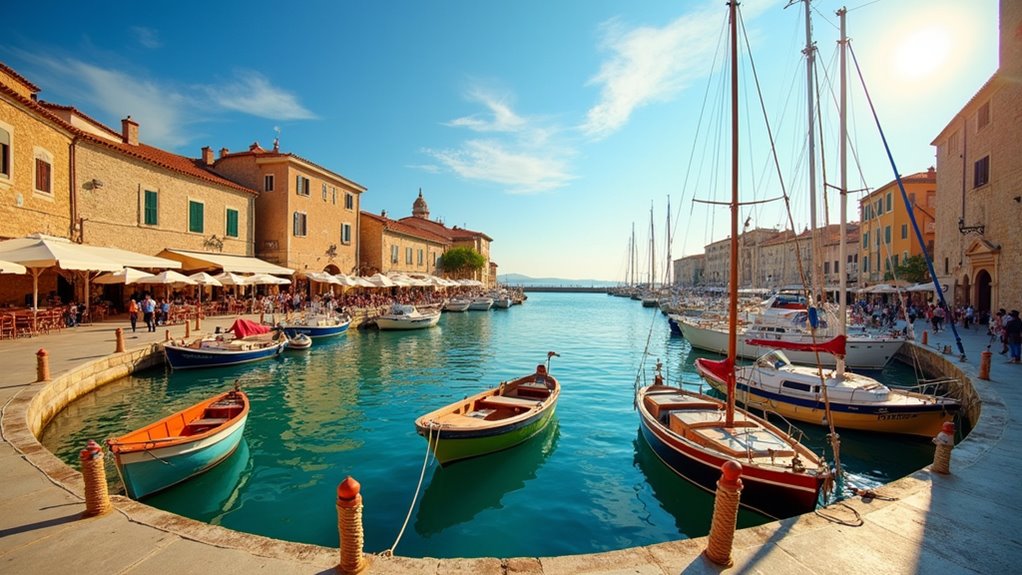
While MuCEM gives you a taste of Mediterranean culture, the Old Port itself tells Marseille’s complete story through centuries of maritime life. You’re standing where Greek colonists founded Massalia in 600 BCE, creating France’s oldest port city.
Today’s Old Port feels like Marseille’s living room. You’ll find locals gathering at waterfront cafés, especially when OM football matches are on. The daily fish market showcases traditional fishing culture, while pleasure boats bob alongside working vessels. Fort Saint-Jean and Fort Saint-Nicolas frame the harbor entrance like ancient guardians.
Take the cheap ferry across the port for different perspectives, or simply claim a café table and people-watch. The 2013 renovation made everything pedestrian-friendly, so you can easily explore both quays without dodging traffic. From here, you can catch excursions to nearby islands, explore the famous calanques, or hop on the Petit train for a guided tour around the city.
Hike or Boat to the Stunning Calanques National Park
After soaking in the maritime atmosphere of the Old Port, you’ll want to experience the natural wonder that puts Marseille on every outdoor enthusiast’s map. The Calanques National Park offers spectacular limestone cliffs and turquoise bays just outside the city.
For budget-friendly access, take Metro 2 to Rond Point du Prado, then catch bus 19T or 23 to various trailheads.
The Luminy to Calanque de Sugiton trail covers 8.5km with moderate difficulty, while the Belvédère de Sugiton viewpoint rewards you with panoramic vistas after just 30-40 minutes of hiking. Starting your hike around early evening provides shade and cooler temperatures for a more comfortable experience.
If you’re up for more challenge, try the 10km Calanque de Callelongue route featuring sandy beaches perfect for swimming.
These trails showcase Mediterranean vegetation, dramatic coastal landscapes, and crystal-clear waters that’ll make your Instagram followers incredibly jealous.
Discover Prehistoric Cave Art at the New Cosquer Cave Museum
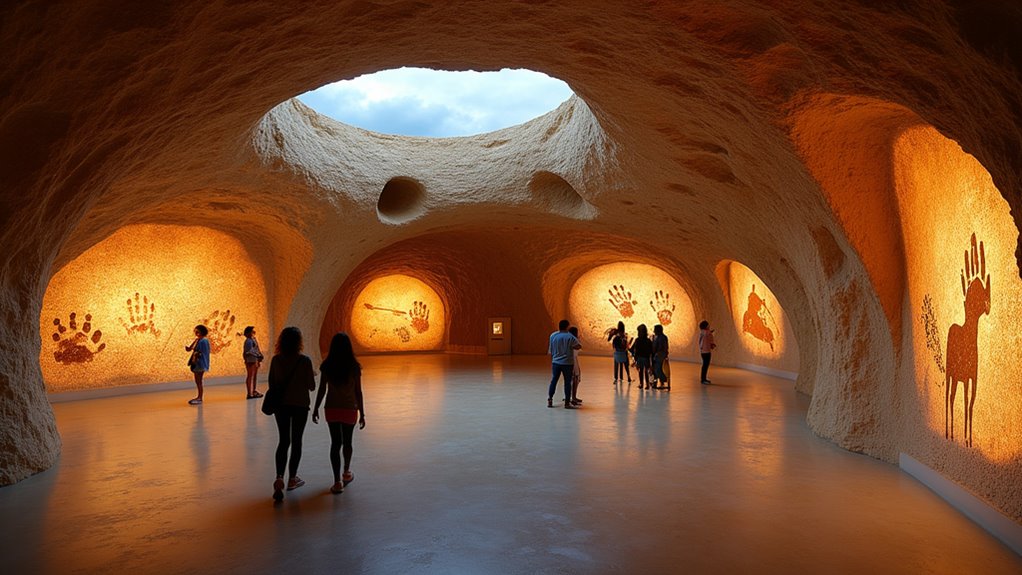
When you’re ready to trade Mediterranean sunshine for one of archaeology’s most remarkable discoveries, head to the brand-new Cosquer Méditerranée museum near MuCEM. This incredible reproduction showcases the underwater Cosquer Cave, which contains 27,000-year-old cave paintings that you’ll never see otherwise – the original’s submerged 37 meters underwater.
Your 35-minute immersive tour takes you through a full-scale replica featuring virtual reality and multimedia displays of ancient artwork including bison, deer, and human handprints.
At €15, it’s an affordable way to experience Paleolithic cave art without scuba gear.
The museum’s open Tuesday through Sunday, 10 a.m. to 6 p.m., making it easy to combine with your Calanques adventure.
You’ll gain fascinating insights into how our ancestors lived during the Ice Age. The original cave was discovered in 1985 by Henri Cosquer, an experienced scuba diver exploring the Calanques near Cap de Morgiou.
Browse the North African Market for Spices and Street Food
Since you’ve explored ancient history underground, it’s time to plunge into Marseille’s vibrant present at Marché de Noailles, the city’s liveliest North African market. This authentic local market operates Monday through Saturday mornings and offers an incredible sensory experience without tourist markups.
You’ll find aromatic spice stalls selling cumin, saffron, and ras el hanout alongside couscous, preserved lemons, and harissa paste. Vendors often provide free samples and cooking tips, making it educational and budget-friendly.
Don’t miss the street food—freshly baked khobz bread, merguez sausages, and baklava offer affordable tastes of Marseille’s multicultural identity.
The market buzzes with multilingual chatter, giving you authentic interaction with locals. For a different flea market experience, head to les Puces at 130 chemin de la Madrague Ville, which combines North African bazaar atmosphere with car boot sale vibes. It’s the perfect place to stock up on unique spices and experience the real “belly of Marseille.”
Relax in the Gardens and Free Museums at Palais Longchamp
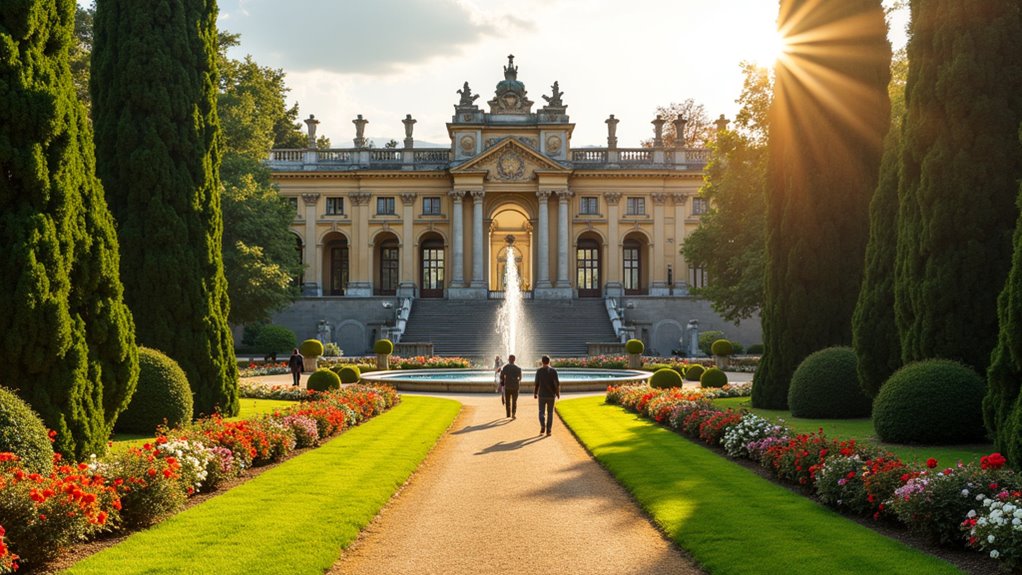
From the bustling energy of Marché de Noailles, you’ll appreciate the peaceful contrast at Palais Longchamp, where sprawling gardens and free museums provide the perfect respite without costing you a euro. This 19th-century palace celebrates Marseille’s water supply with a stunning central waterfall that’s Instagram gold.
Wander the French-style gardens or explore the English-inspired zoological area with its rock gardens and historical pavilions. The palace was designed by Henry Espérandieu in 1862, creating the monumental fountain and museum wings that define this architectural masterpiece.
The palace houses two free museums: the Fine Arts Museum and Natural History Museum, perfect for budget travelers seeking culture.
Pack a picnic and claim a spot on the open lawns – the kids can use the playgrounds while you relax under shaded trees.
It’s easily accessible by metro, making it a convenient escape from the city’s intensity.
Swim Out to the Underwater Sculpture Museum From Plage Des Catalans
After soaking up culture at Palais Longchamp, you’ll find an entirely different kind of artistic adventure awaits beneath the Mediterranean’s surface.
Just a 15-minute walk from the Old Port, Plage des Catalans offers direct access to Marseille’s underwater sculpture museum—no boat required.
This small sandy beach has been a local favorite for over 200 years, and now it’s your gateway to submerged art that doubles as an artificial reef.
You can swim out to explore the sculptures with basic snorkeling gear, which you’ll find at local shops throughout the city.
Visit on weekday mornings to avoid crowds and secure the best beach spots. The beach provides free facilities including toilets, showers, and changing rooms for rinsing off after your underwater adventure.
The museum’s visible from late spring through early autumn when weather conditions are *ideal* for underwater exploration.
Wander Through the Transformed Joliette District
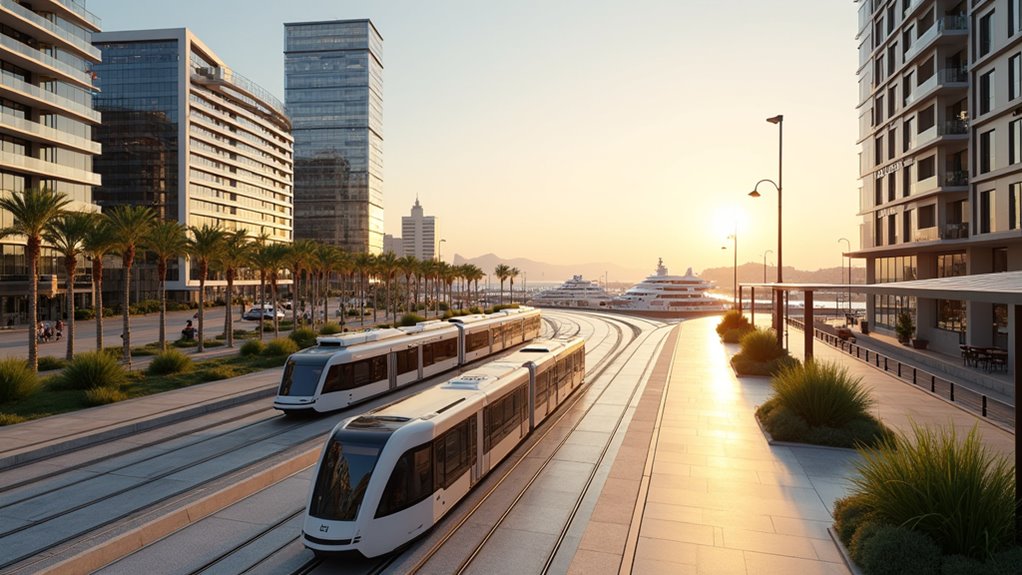
While most visitors stick to Marseille’s historic center, you’ll discover one of Europe’s most successful urban transformations just north of the Vieux Port in La Joliette. This former industrial port district has been brilliantly reimagined as a modern business and cultural quarter through the ambitious Euroméditerranée project.
Start your exploration at Les Docks de Marseille, where 19th-century warehouses have been converted into a vibrant mixed-use complex housing offices, restaurants, and shops. You’ll love wandering through the glass-roofed atriums and internal courtyards that preserve the original brick architecture while creating a contemporary Mediterranean “agora.”
The district seamlessly blends historic port buildings with striking modern landmarks like MuCEM and Villa Méditerranée. The transformation has been so successful that it now spans over 400 hectares across two phases of development, making it the largest urban renewal effort in southern Europe. It’s completely free to explore this waterfront area that’s reclaimed Marseille’s architectural reputation.
Visit La Vieille Charité for Art and Baroque Architecture
Tucked away in the historic Panier district, La Vieille Charité stands as one of Marseille’s most stunning architectural gems that you can explore completely free of charge. This 17th-century former hospice showcases magnificent Baroque architecture with its pink and white stone façade and breathtaking oval-domed chapel designed by Pierre Puget.
You’ll find yourself wandering through three levels of galleries surrounding a peaceful rectangular courtyard. The central chapel’s Italian Baroque style and Corinthian columns create an impressive centerpiece that’s perfect for photos.
Beyond admiring the architecture, you can visit the museums housed within, featuring Mediterranean art and anthropology collections. The site also houses research institutes like EHESS Marseille and the Norbert Elias Center, making it a vibrant hub for scientific study alongside cultural activities. The building’s transformation from charitable institution to cultural center reflects Marseille’s commitment to preserving its heritage while creating accessible spaces for locals and visitors alike.
The Sum Up
You’ve got plenty to explore in Marseille without breaking the bank. Most of these attractions are free or very affordable, so you can experience the city’s highlights on any budget. Don’t try to cram everything into one day—take your time wandering the neighborhoods, soaking up the Mediterranean atmosphere, and discovering hidden gems. Pack comfortable shoes, bring a water bottle, and you’re set for an amazing first visit to this enchanting coastal city.