

You’re planning a trip to Ethiopia’s bustling capital, but you’re probably wondering what’s actually worth your time and money. Addis Ababa isn’t your typical tourist destination—it’s raw, authentic, and surprisingly affordable if you know where to look. While most travelers rush through on their way to other attractions, you’ll discover this highland city offers everything from ancient fossils to vibrant markets. Here’s what you shouldn’t miss during your stay.
- Meet Lucy at the National Museum of Ethiopia
- Explore the Chaos and Energy of Addis Mercato
- Pay Respects at Holy Trinity Cathedral
- Climb Mount Entoto for the Best Views in the City
- Learn About Ethiopia’s Dark History at the Red Terror Memorial
- Wander Through the Historic Italian Quarter of Piassa
- Experience Royal Life at Unity Park
- Sample Tej at a Traditional Honey Beer House
- Browse for Treasures at Chiromeda Market
- Take in Ethiopian Culture at the Ethnological Museum
- The Sum Up
Meet Lucy at the National Museum of Ethiopia

When you step into the National Museum of Ethiopia in Addis Ababa, you’re walking into the permanent home of one of humanity’s most famous ancestors—Lucy, the 3.2-million-year-old Australopithecus afarensis skeleton that’s revolutionized our understanding of human evolution.
You’ll find Lucy‘s display in the museum’s basement, featuring two reconstructions: one lying down and another standing at her actual 1.1-meter height. The four-floor building doesn’t just house Lucy—you’ll discover prehistoric fossils, ancient manuscripts, royal artifacts, and contemporary Ethiopian art.
Don’t miss Emperor Haile Selassie’s wooden throne and stone tablets with early Ethiopian writing. The museum also displays fascinating prehistoric animal fossils, including remains of the extinct giant Notochoerus pig and saber-toothed cat teeth.
While Lucy’s originals stay securely stored for research, you’ll see detailed casts that showcase this 40% complete skeleton discovered in 1974.
Explore the Chaos and Energy of Addis Mercato
After experiencing Ethiopia’s ancient history through Lucy’s remains, you’ll want to witness the country’s vibrant present-day culture at Addis Mercato—Africa’s largest open-air market that sprawls across several square miles in the Addis Ketema district.
You’ll find yourself maneuvering a maze of 7,100 business entities where 13,000 vendors sell everything from Ethiopia’s signature coffee to livestock.
Don’t miss sampling traditionally brewed coffee from clay jebena pots or grabbing affordable samosas from street vendors.
You can shop for clothing, household items, and fresh produce at budget-friendly prices.
The market’s chaotic energy reflects Ethiopia’s blend of tradition and modernity. The current location was established during the Italian occupation, when Italian forces moved the original marketplace westward from its historic site near St. George Church.
Come prepared for crowds and bargaining—this isn’t a tourist attraction but a working marketplace where locals conduct daily business.
Pay Respects at Holy Trinity Cathedral
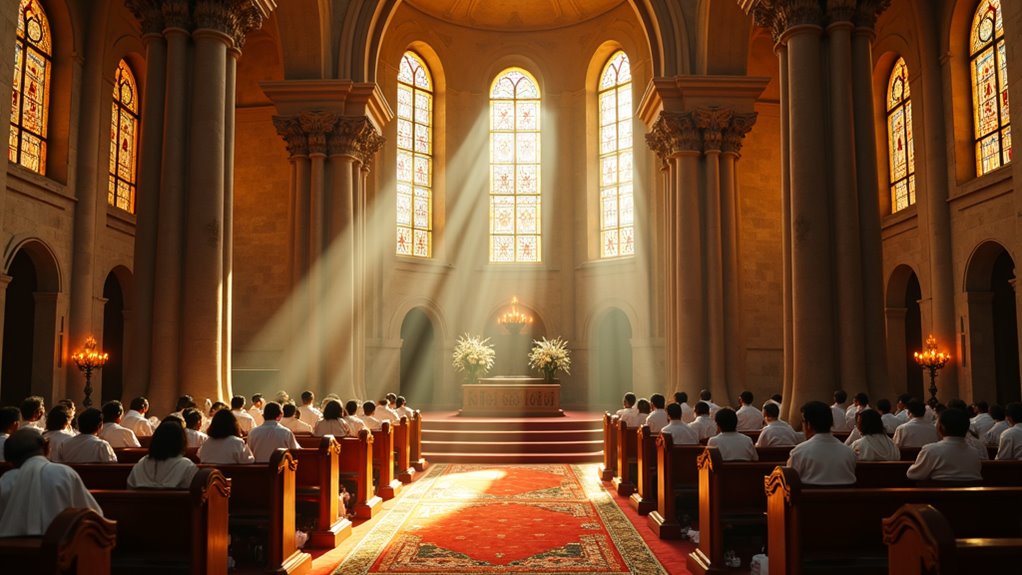
From the bustling energy of Addis Mercato, you’ll find spiritual solace at Holy Trinity Cathedral—Ethiopia’s most prestigious Orthodox church and the second holiest site in the country after Axum’s Church of Our Lady Mary of Zion.
This stunning cathedral features Gothic-inspired architecture with a white facade, copper dome, and beautiful stained glass windows from Belgium depicting biblical scenes.
You can explore the interior’s Ethiopian religious murals, including Afewerk Tekle’s famous Holy Trinity artwork.
The cathedral serves as Ethiopia’s national pantheon, where Emperor Haile Selassie and Empress Menen rest in granite tombs alongside resistance fighters who battled Italian occupation. As one of multiple cathedrals worldwide sharing this sacred name, it stands as a uniquely Ethiopian interpretation of Holy Trinity dedication.
Entry is free, making it perfect for budget travelers seeking culture.
Dress modestly and maintain respectful silence while exploring this sacred space.
Climb Mount Entoto for the Best Views in the City
Rising 3,200 meters above sea level, Mount Entoto rewards hikers with sweeping panoramic views of Addis Ababa that’ll make the 1-2 hour climb worth every step.
You’ll find well-marked trails starting from Entoto Park entrance or Entoto Kidane Mehret sanctuary, with paths ranging from gentle slopes to demanding southern rises.
Getting there is budget-friendly—catch a minibus from Bole Road station for just 10-20 Ethiopian Birr. The 30-45 minute ride drops you at key trailheads where vehicles aren’t allowed, ensuring you’ll hike the final stretch.
Pack water and snacks since the steep, uneven terrain demands rest breaks. Don’t forget to bring a light jacket as temperatures drop significantly at the higher elevations.
Beyond stunning city vistas, you’ll discover lush forests, cooler temperatures, and historical sites like St. Mary’s Church, making this climb Addis Ababa’s premier outdoor adventure.
Learn About Ethiopia’s Dark History at the Red Terror Memorial
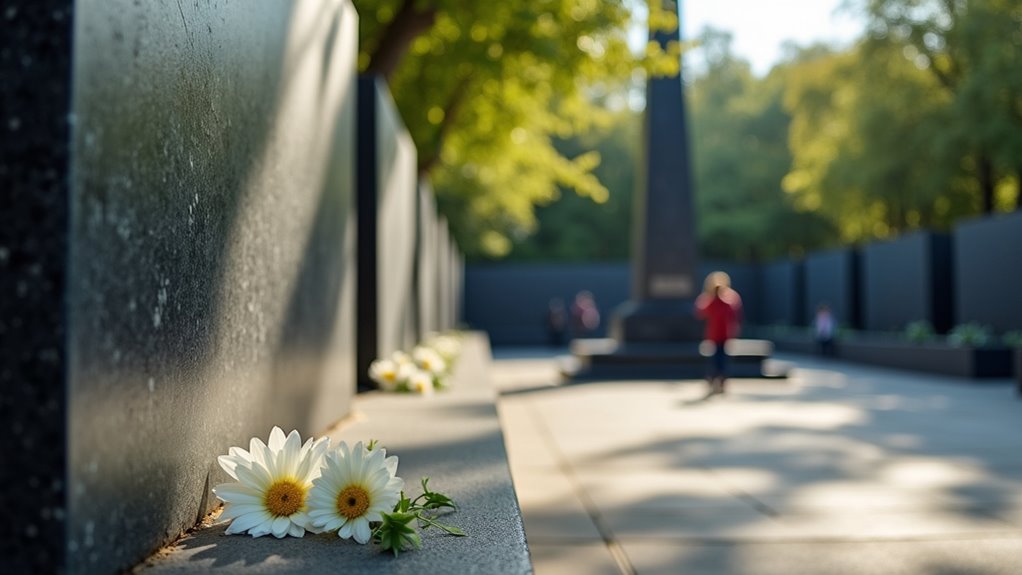
While Addis Ababa offers stunning mountain views and vibrant culture, the city also preserves one of Ethiopia’s darkest chapters at the Red Terror Memorial. Located at Meskel Square’s corner, this modest museum documents the 1976-1978 Red Terror under the Derg military regime, when over 700,000 people were killed.
You’ll find disturbing but important exhibits including torture instruments, victims’ photographs, blood-stained clothing, and human remains. The bronze entrance sculpture of three crying girls sets the tone with “Never again” inscribed in English and Amharic.
Free guided tours explain the historical context, starting from Haile Selassie’s era through Mengistu Haile Mariam’s brutal campaign. The museum serves as a memorial to Ethiopia’s lost generation affected by this violent period.
It’s a sobering experience that honors victims’ memories while educating visitors about this tragic period in Ethiopian history.
Wander Through the Historic Italian Quarter of Piassa
Though much of Piassa’s historic architecture has fallen to modern development, you can still explore remnants of Addis Ababa’s fascinating Italian quarter in this culturally rich district.
Originally redesigned during the Italian occupation (1936-1941), Piassa blends Ethiopian, British Indo-colonial, and Italian modernist architectural styles.
You’ll discover narrow cobbled streets lined with surviving buildings from the 1880s-1930s period. Look for Greek and Armenian Orthodox churches that represent the area’s cosmopolitan past, when diverse communities including Armenians, Greeks, Indians, and Italians called this neighborhood home.
Stop by Italian-era cafes serving traditional macchiatos – a lasting cultural legacy. The Italian administration built monumental architecture throughout the district as part of their fascist ideology, with renowned architects like Le Corbusier contributing to the city’s transformation. While wandering, you’ll notice how this former economic heart of early 20th-century Addis Ababa maintains its authentic urban character despite ongoing modernization efforts.
Experience Royal Life at Unity Park
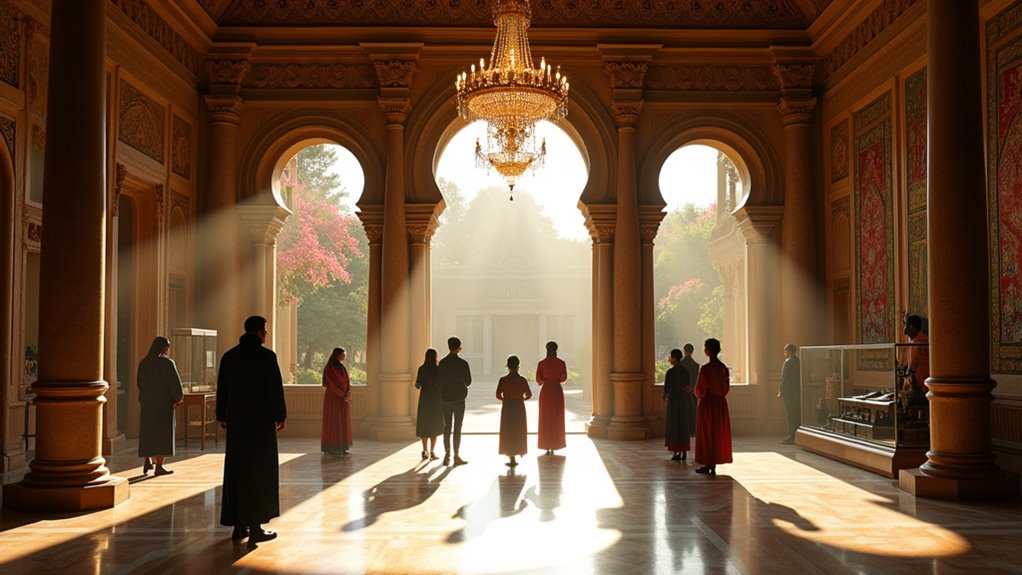
Step into Ethiopia’s imperial past at Unity Park, where you’ll explore the meticulously restored 19th-century Grand National Palace compound for around $20. You’ll tour former residences of Emperor Menelik II and Haile Selassie, featuring period artwork and furniture that showcase Ethiopia’s royal heritage.
The park offers excellent value with multiple attractions included in your ticket. You’ll discover cultural exhibits representing Ethiopia’s diverse ethnic groups through traditional clothing, jewelry, and instruments.
Don’t miss the zoo housing critically endangered black-maned Ethiopian lions, zebras, and giraffes alongside other indigenous wildlife.
Take time to stroll through the landscaped botanical gardens featuring over 43 indigenous plants and peaceful walkways. This expansive site covers over 40 hectares of beautifully maintained grounds. The park operates Tuesday-Sunday, 9 AM-4 PM, providing a full day’s worth of imperial history and natural beauty.
Sample Tej at a Traditional Honey Beer House
After exploring Ethiopia’s imperial history, learn about the country’s vibrant drinking culture at a traditional tej bet, where you’ll sample tej—a honey wine with 7-11% alcohol content that’s been central to Ethiopian social life for centuries.
Head to renowned spots like Tobiya Tej House in Yeka suburb or venues near major landmarks. You’ll drink from a berele, a flask-like glass container that’s often shared communally. The honey wine has a strong, pungent flavor that’s definitely an acquired taste.
Most tej houses serve hearty Ethiopian dishes like Shekla Tibs and injera to complement your drink. Expect live traditional music featuring the masinko violin, creating an authentic cultural atmosphere. Unlike drinking establishments in Western countries, these venues focus more on group socializing than individual consumption.
These modest establishments welcome both locals and travelers, making them perfect for experiencing genuine Ethiopian hospitality.
Browse for Treasures at Chiromeda Market
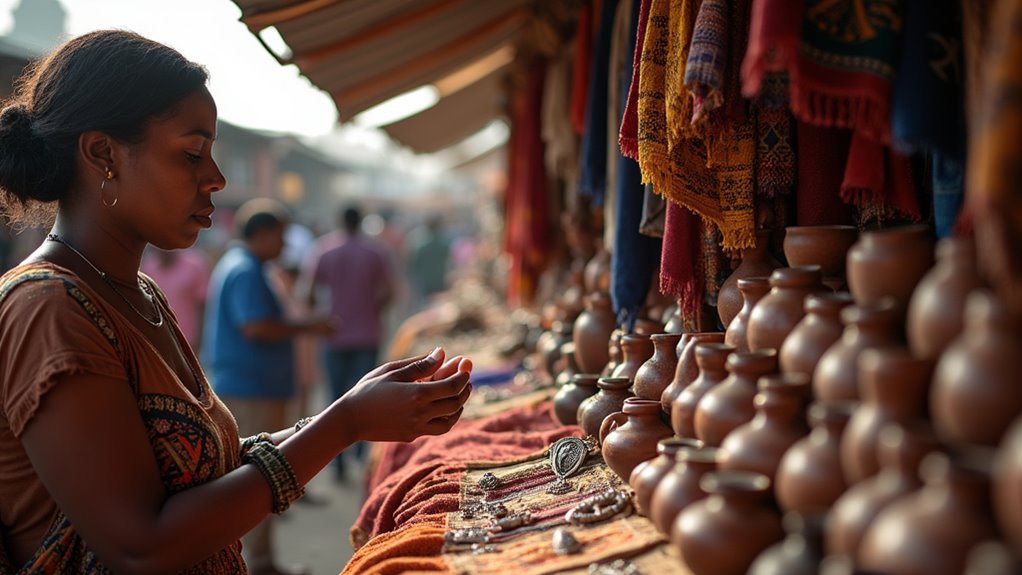
When you’re ready to hunt for authentic Ethiopian treasures without breaking the bank, make your way to Chiromeda Market on Entoto Road, just outside central Addis Ababa. You’ll discover the capital’s best selection of traditional handicrafts and textiles, from handwoven cotton dresses to embroidered scarves and wedding garments.
What makes this market special? You’re buying directly from artisans, particularly skilled weavers from the Dorze tribe, which cuts out middlemen and keeps prices low. The concentrated layout of stalls and workshops makes browsing manageable compared to sprawling markets like Mercato. The market’s modest size creates a more relaxed shopping atmosphere that allows you to thoroughly explore without feeling overwhelmed.
Bring cash in local currency and don’t hesitate to bargain, though prices are already fair. Consider hiring a guide to navigate the textile varieties and understand their cultural significance better.
Take in Ethiopian Culture at the Ethnological Museum
Since you’re already exploring Addis Ababa’s cultural treasures, you’ll want to visit the Ethnological Museum on the university campus at Sidist Kilo. Housed in Emperor Haile Selassie’s former palace, this museum showcases over 13,000 artifacts from Ethiopia’s 80+ ethnic groups.
You’ll discover traditional clothing, religious manuscripts, musical instruments, and ceremonial items spanning centuries of Ethiopian history. Don’t miss the preserved imperial rooms, including Haile Selassie’s bedroom with its bullet hole from the 1960 coup attempt.
The museum’s open daily from 8:30 am to 5:30 pm except holidays, with affordable entrance fees and student discounts. Clear signage and thoughtful exhibits make traversing Ethiopia’s complex cultural heritage straightforward. The museum was originally established in 1955 to support heritage preservation and educational research.
Consider joining a guided tour for deeper insights into the country’s diverse traditions and customs.
The Sum Up
You’ll find Addis Ababa offers incredible experiences without breaking the bank. Most museums charge minimal entrance fees, and walking through markets like Mercato costs nothing but rewards you with authentic culture. Don’t skip the free hike up Mount Entoto – those city views can’t be beat. Pack comfortable shoes, bring a reusable water bottle, and you’re set for days of affordable exploration in Ethiopia’s fascinating capital.