Introduction:
If you’re dreaming of witnessing the breathtaking wonder of the Great Wildebeest Migration during calving season, this 8-day safari from Arusha could be just what you’re looking for. While we haven’t taken this exact journey ourselves, it’s packed with the kind of experiences most safari lovers crave — from exploring diverse parks to catching dramatic predator-prey moments in the Serengeti.
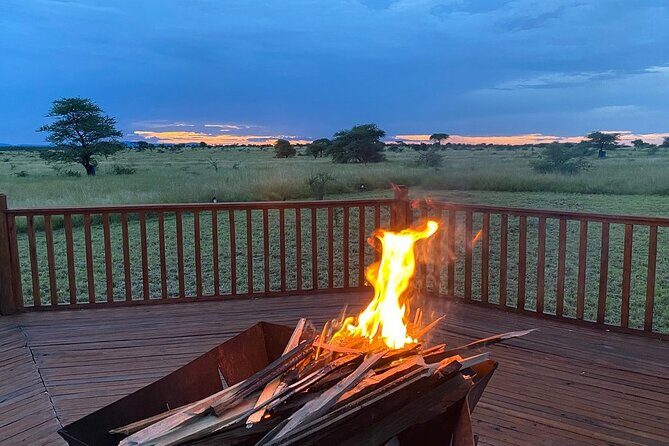
What we especially appreciate about this tour is its focus on timing and wildlife — being there during calving season means seeing thousands of young wildebeest, zebras, and the predators they attract, all in one spectacular show. Add to that the inclusion of overnight stays in luxurious safari tents and lodges, and it feels like a worry-free adventure with everything set up for maximum comfort and awe.
However, a key consideration is the duration and pace. This is an active itinerary with game drives almost every day, so it’s best suited for travelers who enjoy being on the move and have a moderate level of physical fitness.
It’s also a higher investment — around $3,000 per person — but with all accommodations, meals, entrance fees, and transportation included, it offers great value for those wanting a comprehensive, guided experience.
This tour is ideal for wildlife enthusiasts, first-time safari visitors, or anyone eager to see the migrations in full swing, with the expert guidance needed to make every moment count.
- Key Points
- Exploring the Itinerary in Detail
- Day 1: Arrival in Arusha
- Day 2: Tarangire National Park
- Day 3: Lake Manyara National Park
- Day 4-5: Serengeti South – Ndutu Area
- Day 6: Central Serengeti
- Day 7: Ngorongoro Crater
- Day 8: Cultural Tour and Return
- What Travelers Say
- Value and Cost Analysis
- Who Will Love This Tour?
- The Sum Up
- FAQ
- The Best Of Arusha!
- More Safari Adventures in Arusha
- More Tour Reviews in Arusha
Key Points
 1 / 9
 2 / 9
 3 / 9
 4 / 9
 5 / 9
 6 / 9
 7 / 9
 8 / 9
 9 / 9
- Timing matters: The safari is scheduled during calving season (December to April), offering a front-row seat to a natural spectacle.
- Diverse parks: You’ll explore Tarangire, Lake Manyara, Serengeti, and Ngorongoro Crater — ensuring a wide variety of wildlife and landscapes.
- All-inclusive comfort: With accommodations, meals, entrance fees, and private transport included, it’s a hassle-free adventure.
- Expert guides: Reviews praise guides for their deep knowledge, spotting skills, and engaging personalities.
- Authentic experiences: Opportunities to see predator-prey interactions and the calving event make this a truly immersive wildlife journey.
- Limited group size: With a maximum of 7 travelers, expect personalized attention and a more intimate safari experience.
👉 See our pick of the Arusha’s 7 Best Tours & Things To Do
Exploring the Itinerary in Detail
You can also read our reviews of more tours and experiences in Arusha
Day 1: Arrival in Arusha
Your adventure begins with a pickup from Kilimanjaro Airport, easing into the Tanzanian vibe with a transfer to the Mount Meru Hotel. This first step is all about settling in and preparing for the days ahead. Having a comfortable base helps you recharge after travel, setting the tone for an exciting week.
Day 2: Tarangire National Park
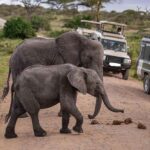
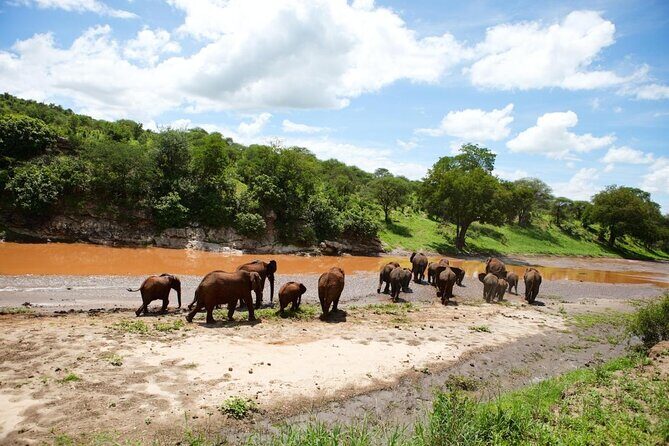
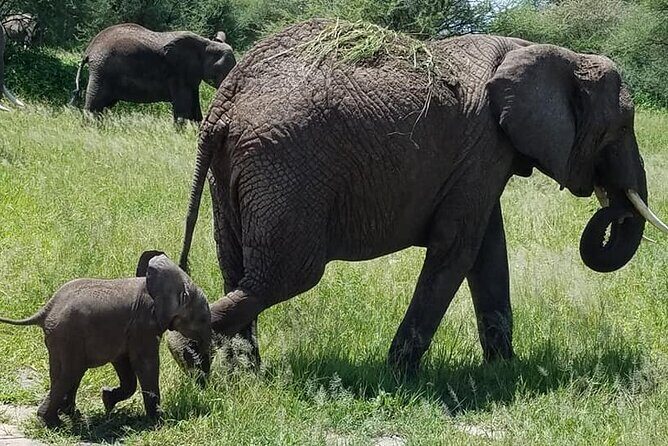
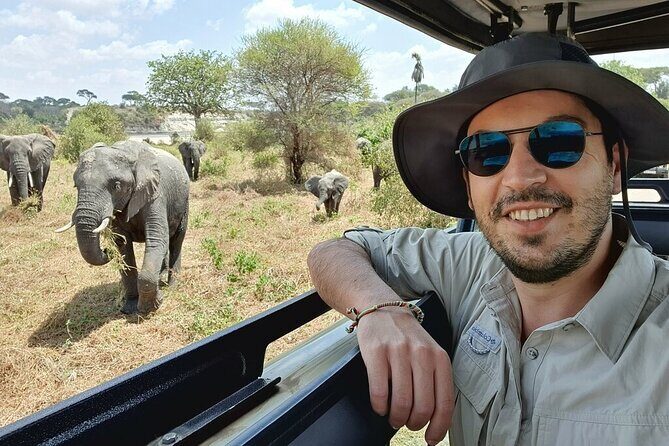
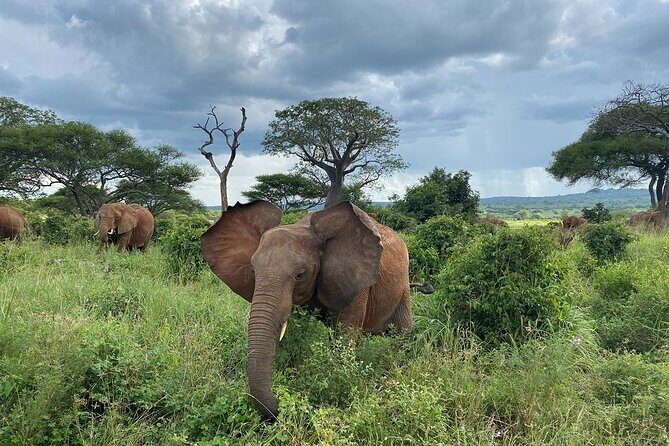
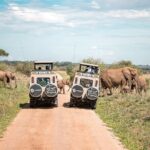
Your first game drive takes you into Tarangire, famous for its large herds of elephants and the iconic baobab trees. These ancient giants are often called the “Tree of Life” for good reason — they’re a key part of the park’s landscape and wildlife habitat.
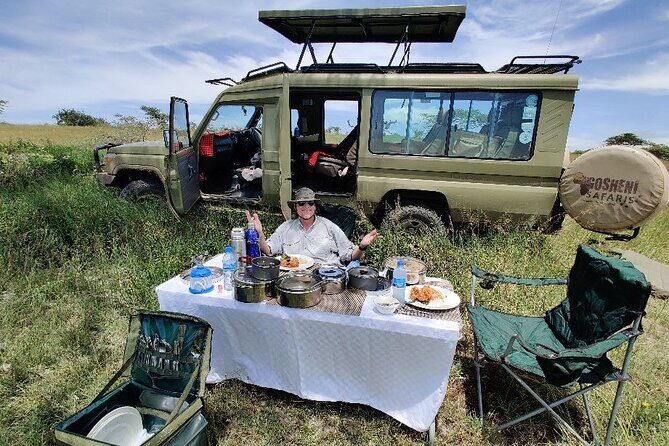
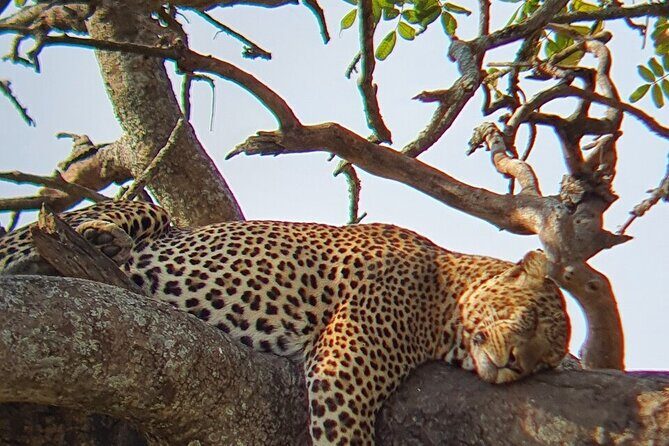
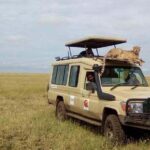
The park’s signature, the Tarangire River, flows year-round, attracting abundant animals even in the dry season. Reviewers note the presence of tree-climbing lions here, a rare sight, and the chance to see a diverse array of wildlife in a relatively compact area. Expect to enjoy a picnic lunch amid the wilderness, with plenty of opportunities for photos and close encounters.
Day 3: Lake Manyara National Park
Next, the tour moves to Lake Manyara, which Ernest Hemingway called “the loveliest I had seen in Africa.” The park offers a compact but diverse game viewing experience, thanks to its varied habitats: groundwater forest, soda lake, and bird-filled wetlands.
Here, you might spot flamingos, tree-climbing lions, and even buffalo. The lake’s alkaline waters attract thousands of flamingos and other bird species, making it a birdwatcher’s paradise. The scenery, with the lake and the lush greenery, provides a perfect contrast to the savannahs ahead.
Day 4-5: Serengeti South – Ndutu Area
Traveling into the Ndutu area of the Serengeti, located in the Ngorongoro Conservation Area, marks the start of the prime calving grounds. Lake Ndutu is a key part of this ecosystem, with alkaline water that sustains a wide range of wildlife.
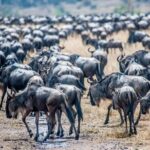
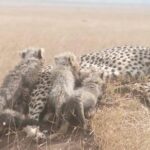
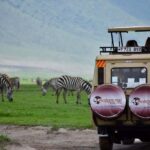
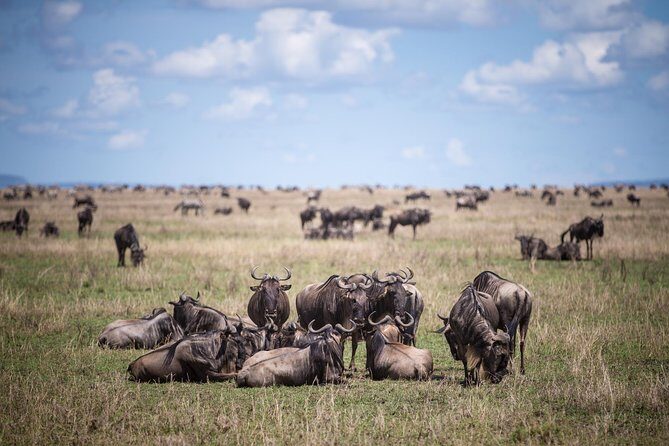
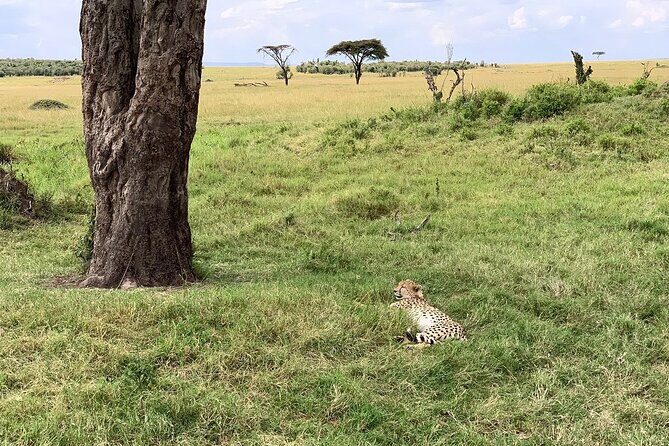
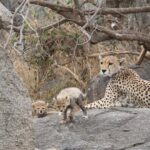
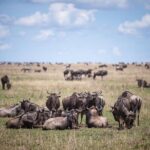
During these days, you’ll witness thousands of wildebeest and zebras giving birth — a spectacular sight that draws predators like lions, cheetahs, and hyenas, all looking for a meal. The reviews highlight how guides expertly find these animals, sharing fascinating facts along the way.
The landscape here varies from swamps and woodland to soda lakes and open plains, offering diverse backdrops for game drives. Expect long, rewarding days exploring in search of the big migration and perhaps catching a predator’s hunt.
Day 6: Central Serengeti
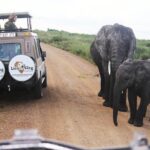
A full day in the Serengeti’s central plains allows you to follow the migration trails, tracking herds as they move through different habitats. It’s a chance to witness the sheer scale of the wildebeest and zebra herds and see predator activity up close.
Guides will share insights into the migration phenomenon, explaining why it’s one of the most extraordinary wildlife events on Earth. For many, this day encapsulates the wild heart of Africa — vast, teeming, and full of life.
Day 7: Ngorongoro Crater
Descending into the Ngorongoro Crater is like stepping into a natural zoo. The crater’s walls contain a concentrated wildlife population, from elephants and lions to rhinos and flamingos. Descending 600 meters into the crater’s floor, you’ll see a stunning array of animals grazing and resting.
The crater’s unique environment means you’re likely to see many species in one place. It’s a highlight for many visitors and a prime spot for photography. Spending a night at a luxury lodge nearby caps this day, offering comfort after days of adventure.
Day 8: Cultural Tour and Return
Before heading back to Arusha or the airport, you’ll visit Mto Wa Mbu for a cultural walking safari, gaining insight into local life and traditions. It’s a pleasant way to wind down, enjoy a local meal, and reflect on your trip.
What Travelers Say
Reviewers consistently praise the knowledgeable guides — they’re described as “exceptional,” “incredible,” and “sharp-eyed,” pointing out that their ability to spot elusive animals and share in-depth facts elevates the experience. Many mention how guides like William, George, and Innocent made the trip memorable with their professionalism and friendliness.
The scenery and wildlife also receive high marks, with comments about “amazing views,” “lion encounters,” and “wildebeest calving in full swing.” Several travelers describe their safaris as “life-changing,” citing the chance to witness predator interactions and the spectacle of the migration.
Food and accommodations are noted as “luxurious” and “comfortable,” providing a relaxing base after long days in the bush. Reviewers also appreciate the small group size, which creates a more personalized experience.
Value and Cost Analysis
At around $3,000 per person, this tour offers a significant amount of value considering all-inclusive pricing: accommodations, most meals, entrance fees, and transportation. The luxury tents and lodges enhance the experience without the hassle of booking individual hotels.
Compared to the cost of self-organized trips, this package ensures you’re covered from airport pickup to drop-off, with experienced guides taking care of logistics and wildlife spotting. The reviews suggest the guides’ expertise and the well-planned itinerary make every dollar well spent, especially for first-timers or those seeking a comprehensive, guided safari.
Who Will Love This Tour?
This safari is best suited for wildlife enthusiasts eager to see the migration and calving phenomena in their natural environment. It’s also ideal for travelers who prefer a guided, all-inclusive experience that minimizes planning stress.
Families, couples, or groups of friends who want a comfortable, intimate adventure will find the small group size appealing. It’s suitable for those with moderate physical fitness, as the days involve long game drives and some walking.
The Sum Up
This 8-day Great Wildebeest Calving Migration Safari from Arusha offers a well-rounded, immersive experience into one of Africa’s most iconic natural events. With expert guides, diverse parks, and all the logistics taken care of, it’s a fantastic way to witness the drama of the migration, the beauty of Tanzanian landscapes, and the thrill of spotting elusive wildlife.
The tour’s value is clear: an all-inclusive package that balances adventure, comfort, and authentic viewpoints on Africa’s wildlife. Whether you’re a first-time safari-goer or a seasoned traveler, this trip promises unforgettable moments and exceptional guidance.
It’s perfect for those who want a focused, expertly guided journey with the flexibility to truly enjoy the magic of Tanzania’s wilderness. If seeing wildebeest calves, lions hunting, and flamingos in their natural habitat sounds like a dream, this safari will deliver — with the added benefit of caring guides who make the experience both educational and fun.
8 Days Great Wildebeest Calving Migration Safari from Arusha
FAQ
Is transportation included?
Yes, all transport by private vehicle from arrival to departure is included, ensuring a smooth and comfortable journey.
What is the group size?
The tour is limited to a maximum of 7 travelers, which allows for personalized attention and a more intimate experience.
Are accommodations included?
Yes, the price covers all accommodations specified in the itinerary, from luxury tents to lodges, providing comfort after busy days in the bush.
What meals are provided?
Most meals — breakfast, lunch, and dinner — are included according to the itinerary, with some opportunities for local cuisine.
How do guides enhance the experience?
Reviewers rave about the guides’ knowledge, spotting skills, and friendly demeanor, which make wildlife encounters more meaningful.
Can I see the Big Five?
While wildlife sightings depend on luck and timing, many travelers have seen elephants, lions, rhinoceros, leopards, and buffalo during this tour.
What’s the best time to go?
The tour is scheduled during the calving season (December to April), which is ideal for witnessing the migration and predator activity.
Is it suitable for children?
Children must be accompanied by an adult, and travelers should have a moderate physical fitness level due to the active nature of game drives.
This safari stands out as a carefully curated journey into Africa’s most famous wildlife spectacle — perfect for those who want more than just photos but a full sensory experience in Tanzania’s wild heart.