Introduction
This review covers the City Image Tour in Melbourne, Australia—an experience designed to give visitors a deep, visually engaging look at the city’s evolving identity. Created and led by Anthony McInneny, a seasoned artist and urban researcher, this tour offers a walk through Melbourne’s historic streets, modern public spaces, and iconic landmarks.
If you’re intrigued by the blend of art and architecture and want to understand how Melbourne became Australia’s cultural hub, this tour might be just what you’re looking for.
What we especially appreciate about this experience is its focused storytelling—highlighting the city’s transformation from a historic port to a lively, riverfront city with a heartbeat of public art. Plus, the tour’s affordability makes it a practical choice for travelers who want quality insights without breaking the bank.
On the flip side, given its compact size and walking pace, those with mobility issues or seeking a more leisurely, less structured experience might find it a bit brisk.
This tour suits travelers who love urban design, local culture, or those simply eager to see Melbourne’s best public spaces and learn their stories. It’s perfect for those seeking a short, meaningful introduction to the city’s visual landscape—whether you’re a first-time visitor or someone looking to deepen your understanding of Melbourne’s urban fabric.
- Key Points
- Exploring Melbourne’s Core: An In-Depth Look
- Starting at ACMI: The Heart of Moving Images
- Hosier Lane: The City’s Artistic Canvas
- Melbourne Town Hall and the Evolution of Civic Spaces
- The Nicholas Building: A Heritage Landmark
- Degraves Street and the Café Culture
- Flinders Street Station: An Iconic Gateway
- Crossing the Yarra: Pedestrian and Railway Bridges
- Southgate Melbourne and the Riverside Community
- Hamer Hall and the Cultural Hub
- Federation Square: The City’s Cultural Beacon
- Birrarung Marr and William Barak Bridge
- Practical Details and What to Expect
- Final Thoughts
- FAQs
- More City Tours in Melbourne
- More Tours in Melbourne
- More Tour Reviews in Melbourne
Key Points
 1 / 3
1 / 3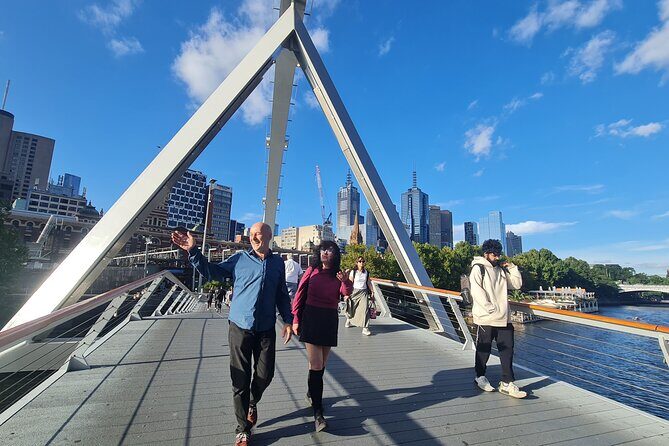 2 / 3
2 / 3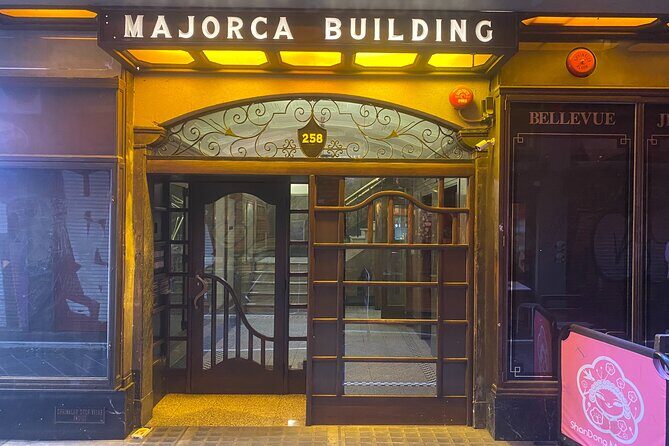 3 / 3
3 / 3- Concise yet comprehensive: The 2.5-hour walk covers major cultural and architectural landmarks, giving a solid overview of Melbourne’s cityscape.
- Expert narration: Led by Anthony McInneny, a knowledgeable guide with deep roots in Melbourne’s arts scene.
- Affordable value: At just under $36, the tour offers a budget-friendly way to explore Melbourne’s visual and cultural evolution.
- Focus on public art and architecture: The tour emphasizes how art, history, and modern design shape Melbourne’s identity.
- Ideal for urban enthusiasts: Suitable for those with moderate physical fitness who enjoy walking and cultural exploration.
- Flexible, no-cost cancellation: Good planning option if your schedule changes.
Exploring Melbourne’s Core: An In-Depth Look
The City Image Tour is designed to show you how Melbourne’s streets, bridges, and public spaces tell a story of transformation. It’s a walk that reveals the city’s layered personality, from its 19th-century heritage to its contemporary art scene. Led by Anthony McInneny, who has both lived and worked in Melbourne for decades, the tour offers an authentic perspective that blends personal insight with scholarly understanding.
You can also read our reviews of more city tours in Melbourne

Starting at ACMI: The Heart of Moving Images
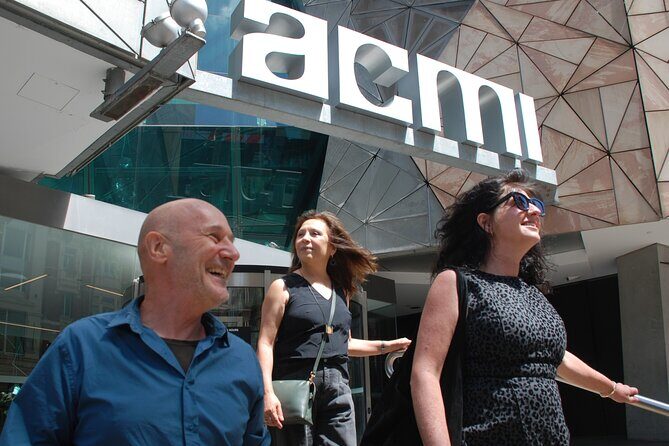
Your journey begins at the Australian Centre for the Moving Image (ACMI). This modern cultural hub, designed by Lab Architecture Studio and Bates Smart in 2002, is a symbol of Melbourne’s embrace of visual storytelling. Renewed in 2021, ACMI showcases Australia’s film, TV, and digital media heritage. Walking past its striking architecture, you’ll get a glimpse of how Melbourne values its creative industries.
The short 10-minute stop allows for a quick look inside if you wish, but most participants enjoy simply absorbing the building’s modern aesthetic and the bustling vibe outside. Many reviews appreciate the easy access—since it’s a free public space—to start your exploration with a sense of Melbourne’s artistic pulse.
Hosier Lane: The City’s Artistic Canvas
Next, we head north to Hosier Lane, arguably Melbourne’s most famous street art alley. The cobblestone street, laid out according to the original 1837 city plan, bursts with color—spray paint murals, stencils, and installations cover every wall. It’s a living gallery, constantly changing and reflecting the city’s rebellious and creative spirit.
We loved the way Hosier Lane captures Melbourne’s street art culture—every time you visit, you might see new murals or clever stencils. It’s a raw, accessible art space that showcases local talent and city activism. The 10-minute stop is enough to stroll, take photos, and appreciate how public art is woven into everyday city life.
Melbourne Town Hall and the Evolution of Civic Spaces
Moving on, we visit Melbourne Town Hall, nestled between Flinders Lane and the site of the original City Square. The area previously housed Melbourne’s first civic hub, established in 1980. The tour highlights the controversy and changes surrounding this space—its 1990s redesign led to the creation of the “New City Square,” reflecting Melbourne’s ongoing debates about urban renewal.
Strolling around, you’ll see how civic spaces have evolved—some loved, some criticized—and how they serve as social hubs. Many visitors commented that the story of this area helped them understand Melbourne’s balance between preservation and innovation.
The Nicholas Building: A Heritage Landmark
Across from the New City Square stands the Nicholas Building, built in 1926 by Harry Norris. Originally the home of the Nicholas Brothers, famous for creating Aspro during WWI, this building now hosts artists, designers, and creatives. Its art deco façade and eclectic interior embody Melbourne’s appreciation for its architectural history and contemporary cultural scene.
The 10-minute stop here allows you to appreciate its architectural details and perhaps peek inside at the creative studios. Several reviewers noted that discovering these historic buildings adds a layer of authenticity and charm to the city walk.



Degraves Street and the Café Culture
From historic buildings to lively streets, we arrive at Degraves Street and Centre Place—two bustling laneways packed with cafés, boutiques, and street food. The Majorca Building, dating to the 1930s, adds a touch of Art Deco elegance amidst the vibrant atmosphere.
You’ll love the chance to see Melbourne’s famous café culture in action—sit down for a coffee if you like, or just soak up the lively street scene. The tour highlights how social spaces, food, and shopping are woven into Melbourne’s urban fabric, making it a city that’s both historic and modern.
Flinders Street Station: An Iconic Gateway
No Melbourne city tour is complete without a stop at Flinders Street Station. Built in 1854, its French Renaissance-style façade and the iconic Clock Tower are instantly recognizable symbols of Melbourne. The station’s architecture reflects a proud Victorian-era design, and it remains the city’s busiest railway hub.
We appreciated the quick exterior view, which sets the tone for Melbourne’s blend of historic grandeur and everyday life. Many travelers mentioned how this stop made them feel connected to the city’s long-standing role as a transportation and cultural hub.
Crossing the Yarra: Pedestrian and Railway Bridges
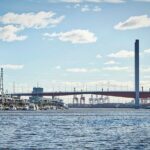
The Evan Walker Bridge and Sandridge Railway Bridge take you across the Yarra River—another showcase of Melbourne’s infrastructure blending history and modernity. The pedestrian bridge, named for a public works minister, provides scenic views of the river and city skyline.
The historic steel railway bridge from 1886 replaced earlier port connections, symbolizing Melbourne’s growth as a port city. The crossing over the river offers a moment to appreciate how Melbourne’s evolution is visible in its bridges and transportation links.
Southgate Melbourne and the Riverside Community
On the southbank, the tour reaches Southgate Melbourne—an area designed in 1992 by Denton Corker and March. The promenade is dotted with public art and distinct spaces, perfect for a quick stroll or photo opportunity. Reviewers often mention its lively atmosphere and the chance to see Melbourne’s riverside arts scene.
Hamer Hall and the Cultural Hub
Next, we visit Hamer Hall, completed in 1982, designed by Roy Grounds (who also designed the National Gallery of Victoria). This concert hall is a key part of Melbourne’s cultural scene. The nearby NGV and State Theatre add to the sense that this precinct is Melbourne’s heart of arts and performance.
Federation Square: The City’s Cultural Beacon
The tour’s grand finale is Federation Square, built in 2002. Its modern architecture, designed by Lab Architecture Studio and Bates Smart, is often compared to Sydney’s Opera House—though Melbourne’s design is more angular and eclectic. From here, you get a perfect view of St Paul’s Cathedral, a reminder of the city’s historic roots.
Many reviewers mention that Federation Square is a great spot for people-watching, with plenty of cafes, public art, and cultural events. It’s the ideal place to soak in Melbourne’s vibrant, contemporary arts scene.
Birrarung Marr and William Barak Bridge
Finally, the walk takes you to Birrarung Marr, a park designed with local landscape architects. It links the cultural precinct with the Yarra River, emphasizing Melbourne’s connection to its traditional Wurundjeri Wurundjeri people—the city’s original inhabitants. The William Barak Bridge, named after the last Ngurungaeta of the Wurundjeri-willam clan, connects the park with the cultural spaces across the river.
Many visitors appreciate the significance of this bridge and park as reminders of Melbourne’s Indigenous heritage, adding depth to the city’s modern identity.
Practical Details and What to Expect
The tour runs for approximately 2.5 hours, covering a walkable route with stops at key sites. The group size is limited to 10 travelers, making for a more personalized experience. The cost of $35.86 per person is quite reasonable considering the depth of insight offered—plus, the tour is free to cancel up to 24 hours in advance, offering flexibility.
Start at ACMI in Federation Square at 2:30 pm, and end at the Federation Bells in Birrarung Marr park—both centrally located and accessible by tram or foot. The tour is suitable for those with moderate physical fitness, as there’s walking involved, but the pace is manageable.
The experience is mobile-ticket based, which simplifies entry and reduces hassle. Since everything happens outdoors and involves urban walking, weather can influence your experience—so dress appropriately.
Final Thoughts
The City Image Tour in Melbourne offers an engaging, well-rounded look at the city’s artistic and architectural landmarks. Led by a knowledgeable local with a passion for public art and urban history, this walk helps you see Melbourne beyond its surface. It’s especially worthwhile if you’re interested in understanding how Melbourne’s spaces have been shaped by history, art, and local culture.
For travelers on a budget, this tour provides excellent value—covering major sites for a fraction of what private guides might charge. It’s an ideal choice for those who love urban exploration, architecture, or street art and want to get a sense of Melbourne’s evolving identity in a short time.
While it’s brisk and focused on highlights, it offers a taste of Melbourne that’s both authentic and inspiring. If you’re looking for a meaningful, affordable way to get acquainted with the city’s public spaces, this tour is worth considering.
City Image Tour Melbourne
FAQs
- How long is the tour?
It lasts about 2 hours 30 minutes, covering a walk through key parts of Melbourne. - Where does the tour start and end?
It begins at ACMI in Federation Square and ends at Federation Bells in Birrarung Marr. - Is the tour suitable for all ages?
Yes, but be aware it involves walking and standing; moderate physical fitness is recommended. - Is there a cost to join?
The tour costs $35.86 per person, with free cancellation if needed. - Are tickets required?
Yes, a mobile ticket is provided at booking, simplifying the check-in process. - Can I see inside the stops?
Most stops are for exterior viewing, but ACMI provides an interior experience if you choose to explore further. - Is this tour accessible for those with mobility issues?
It’s suited for travelers with moderate fitness; some walking is involved, but the pace is manageable. - What should I wear?
Comfortable walking shoes and weather-appropriate clothing are advised, as it’s an outdoor city walk. - Is this tour family-friendly?
Yes, families with children who can walk and stand comfortably will find it suitable. - What makes this tour different from other Melbourne tours?
It’s focused on public art, architecture, and the city’s transformation, led by a local expert deeply connected to Melbourne’s cultural scene.
To sum it up, if you’re eager to see Melbourne through the lens of its public spaces, art, and architecture, and want a guided experience that’s both affordable and insightful, the City Image Tour fits the bill. It’s best for urban explorers, culture lovers, and curious travelers ready to walk and learn about one of Australia’s most dynamic cities.