Planning a visit to Durban and looking to connect with its vibrant indigenous culture? This well-rated tour offers a window into the heart and soul of Zulu traditions through visits to a museum, a living village, and tribal markets — all with the bonus of tasting traditional foods. If you’re after an experience that’s authentic, educational, and visually engaging, this tour deserves a place on your itinerary.
What we love about this experience is its balanced approach — it combines art, history, living tradition, and hands-on interaction in a way that feels genuine. The visit to the Phansi Museum introduces you to indigenous art and crafts, providing context and appreciation for Zulu culture.
Then, stepping into iSithumba, a real working village, you’ll see daily life, speak with locals, and perhaps even meet the village chief or spiritual healer.
The highlight for many is the tribal markets of Warwick, especially the chance to observe women elders creating crafts and explore the intriguing Muthi Bridge, often called Sangoma Central, where traditional healers work.
However, a potential consideration is the tour’s pace and duration—at approximately 8 hours, it’s a full day, which might be tiring for some. Also, since the experiences are quite immersive, travelers should be open to a mix of scheduled activities and spontaneous cultural exchanges.
This tour caters best to those curious about authentic African culture, lovers of local food, and travelers who appreciate small-group experiences. If you’re eager for a meaningful, well-rounded look at Zulu traditions beyond just touristy sights, this is a fantastic option.
- Key Points
- A Closer Look at the Itinerary
- Visiting the Phansi Museum: A Feast for the Eyes and Mind
- The Living Zulu Village of iSithumba
- Exploring the Markets of Warwick: The Culture’s Beating Heart
- Transportation, Group Size, and Practicalities
- The Food and Cultural Value
- Price and Overall Value
- Who Will Love This Tour?
- Final Thoughts
- Frequently Asked Questions
- The Best Of Durban!
- More Food Experiences in Durban
- More Food & Drink Experiences in Durban
- More Tour Reviews in Durban
Key Points
 1 / 5
1 / 5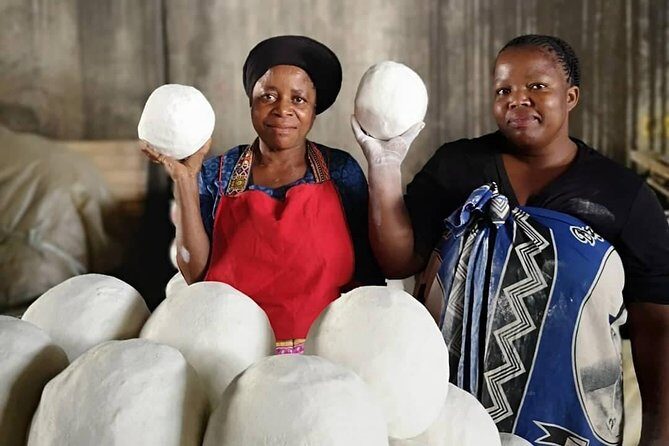 2 / 5
2 / 5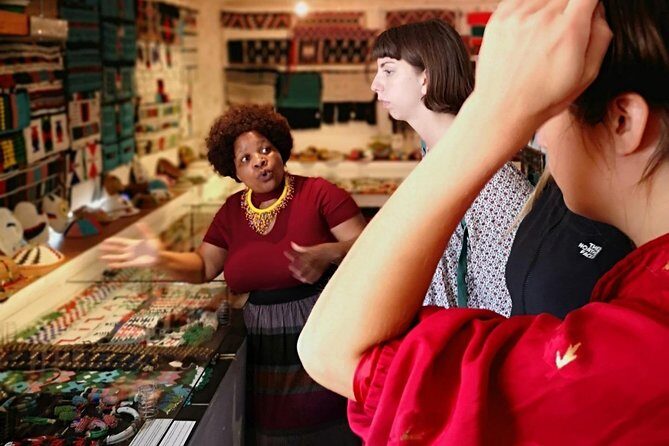 3 / 5
3 / 5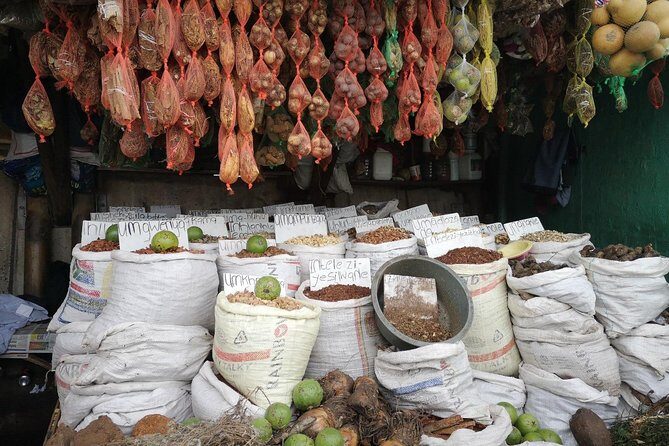 4 / 5
4 / 5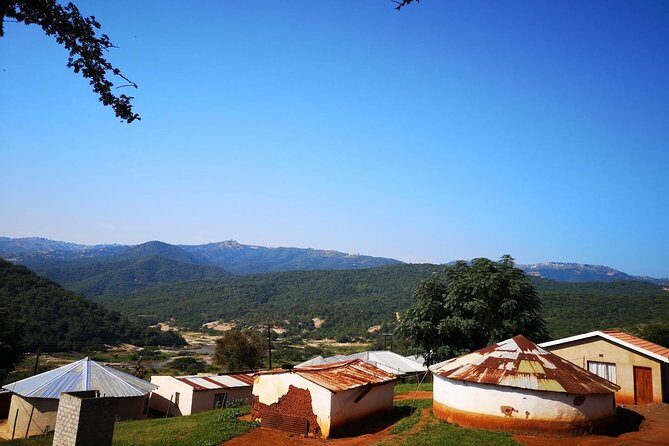 5 / 5
5 / 5- Authentic culture through visits to a museum, a living village, and tribal markets
- Tasty traditional Zulu food included, making it a full sensory experience
- Small-group setting (max 6) ensures personalized attention and meaningful exchanges
- Local guides and hosts provide genuine insights and interactions
- The tour offers a balance of education, interaction, and tasting
- Duration of 8 hours makes it a full but manageable day trip

👉 See our pick of the The 16 Top Tours & Things To Do In Durban: Which Is Best?
A Closer Look at the Itinerary
You can also read our reviews of more food & drink experiences in Durban
Visiting the Phansi Museum: A Feast for the Eyes and Mind
The tour kicks off with a visit to the Phansi Museum, where the dancing curator introduces you to a diverse collection of indigenous art and crafts. Here, you’ll gain an understanding of Zulu and broader African artistic traditions, from beadwork to sculptures. The inclusion of Pan-African cuisine here is a delightful surprise—imagine sampling flavorful dishes that highlight the continent’s culinary diversity. This stop sets a cultural tone, giving context to what you’ll see and experience later.
One reviewer noted, “We went to the Pansi museum. Then we went to the village where our guide explained what life was like living in the village and what it was like to live there. Then we had lunch in the village supervisor’s house. He answered all our questions.” This indicates the museum visit isn’t just a walk-through but an educational experience with interactive elements.
The Living Zulu Village of iSithumba
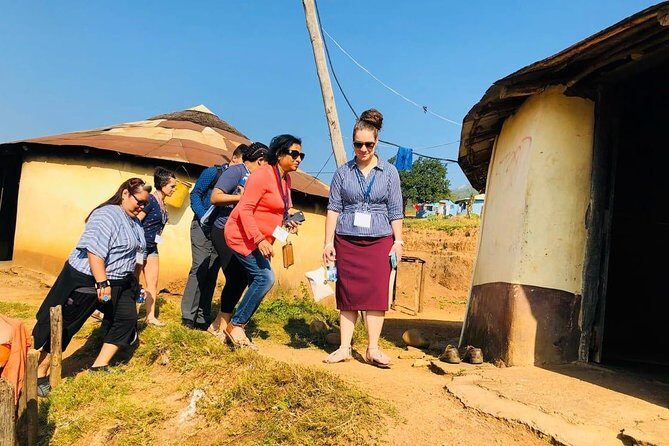
Next, you’ll travel to Isithumba, a true working village where locals live their daily lives. A local resident will guide you through on foot, pointing out traditional houses, local farming practices, and community activities. The fact that you might meet the village chief or spiritual healer adds an extra layer of authenticity and connection.
This part of the tour is highly valued by travelers, especially those interested in living traditions. Being able to ask questions directly to locals and see how customs are kept alive in everyday routines makes this stop genuinely memorable. The 2-hour visit feels well-paced, allowing plenty of time for interaction and observation.
Exploring the Markets of Warwick: The Culture’s Beating Heart
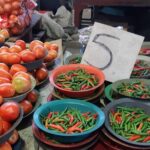
The final stop takes you to Warwick’s tribal markets, a lively hub of crafts, herbs, and traditional medicines. Here, you’ll meet Gogos (female elders) creating beaded jewelry, woven baskets, and other crafts—an inspiring display of skill passed down through generations.
A highlight is the Muthi Bridge, or “Sangoma Central,” where traditional healers, or sangomas, work with herbs and spiritual practices. The tour’s description, “Unlock this mysterious place and get a feel for where the culture is heading,” hints at the fascinating mix of ancient practices and modern influences shaping Zulu culture today.
The 1.5-hour market visit offers a rich sensory experience—smells of herbs, sights of colorful crafts, and the energy of traders eager to share their work.
Transportation, Group Size, and Practicalities
The tour operates with pickup included, simplifying logistics. It’s designed for small groups (max 6 travelers), which enhances the chance for meaningful conversations and personalized attention. Starting at 8:00 am, the day is carefully scheduled to balance time at each site without feeling rushed.
The admission tickets to the museum, village, and markets are included, making it straightforward and transparent in pricing. The cost of $168 per person offers good value considering the depth of experience, local guides, and food included.



The Food and Cultural Value
The inclusion of Pan-African cuisine and traditional Zulu food is a standout feature. Not only does this satisfy the palate, but it also offers insight into local flavors and cooking techniques. The review from Denis_M praises the lunch, which is served in a village supervisor’s house, adding intimacy and authenticity that you won’t find in touristy restaurants.
Price and Overall Value
For $168, you’re paying for a comprehensive, well-organized introduction to Zulu culture that covers art, daily life, and traditional crafts, plus authentic food. When you consider the personalized guide and small group setting, this experience feels like a great investment in meaningful travel.
Who Will Love This Tour?
This experience is best suited for curious travelers who want more than just sightseeing—they seek real insights and genuine connections. If you enjoy learning through interaction and want to see how traditions are kept alive in modern South Africa, you’ll find plenty to love. It’s especially good for small groups, couples, or solo travelers who appreciate authentic, off-the-beaten-path experiences.
Those with an interest in art, crafts, and indigenous practices will be particularly engaged. And if you’re a foodie eager to taste local cuisine as part of your cultural journey, the included meals add real value.
Final Thoughts
This Zulu Cultural Experience offers an immersive, respectful look at one of South Africa’s most vibrant cultures. From the museum’s art collection to the living village, and finally the markets’ bustling energy, each step provides a layered perspective on Zulu life. It’s a thoughtfully curated tour that respects local traditions while inviting travelers to participate actively.
Though it’s a long day, the rewards are plentiful: a better understanding of local customs, access to authentic crafts and food, and the chance to connect with community members. The small-group format keeps it intimate and flexible, making it ideal for travelers eager for genuine engagement.
For those interested in cultural authenticity, local food, and meaningful exchanges, this tour hits the mark—offering a memorable glimpse into Zulu heritage that you’ll carry with you long after you leave Durban.
Zulu Cultural Experience: Zulu Village + Tribal Markets + Traditional Zulu Food
Frequently Asked Questions
How long is the tour?
It lasts approximately 8 hours, starting at 8:00 am, making it a full but manageable day trip.
What’s included in the price?
Admission tickets for the museum, village, and markets are included, along with transportation and some traditional Zulu food.
Is the tour suitable for all ages?
Most travelers can participate, but the tour is best suited for those interested in cultural experiences and able to handle a full day of activity.
How many people are in each group?
The group size is limited to 6 travelers, ensuring a personalized experience.
Can I cancel if my plans change?
Yes, you can cancel free of charge up to 24 hours before the tour for a full refund.
What should I wear?
Comfortable clothing suitable for walking and outdoor activities is recommended, and don’t forget sunscreen and a hat.
Is food included?
Yes, you’ll enjoy traditional Zulu dishes and Pan-African cuisine during the tour.
Will I meet locals?
Absolutely. You’ll interact with residents in the village, market vendors, and possibly the village chief or spiritual healer.
Is the guide knowledgeable?
Yes, the local guides and hosts are experienced and eager to share their culture and answer your questions.
What’s the best time of year to take this tour?
While good weather is preferable, the tour operates year-round; just be aware of weather conditions and dress accordingly.
To sum it up, this Zulu Cultural Experience offers a rare chance to see, taste, and feel the living traditions of Durban’s indigenous community. It’s ideal for travelers looking for a meaningful, small-group encounter that respects and celebrates local culture. If you’re curious about Africa’s vibrant heritage and want more than just sightseeing, this tour provides a thoughtful, engaging, and delicious immersion.