
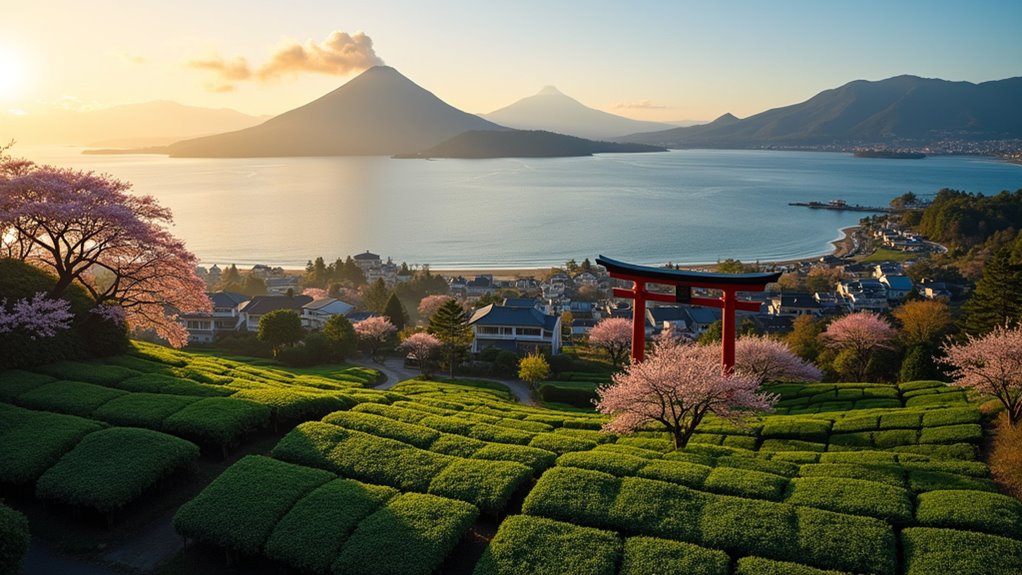
Kagoshima offers travelers an authentic Japanese experience without the crowds and high costs of major tourist destinations. This southern Kyushu city combines active volcanic landscapes, traditional hot springs, and samurai heritage into affordable adventures that most visitors overlook. From ferry rides to active volcanoes to unique sand baths, the region’s attractions provide genuine culture at reasonable prices. Smart travelers who venture here discover experiences that rival Japan’s famous destinations while keeping their budgets intact and finding something truly unexpected.
- Take the Ferry to Sakurajima Volcano and Explore Its Lava Trails
- Soak in Natural Sand Baths at Ibusuki Onsen
- Wander Through Sengan-en Garden and the Shimadzu Family Villa
- Experience Local Food Culture at Kagomma Furusato Yataimura Food Stalls
- Watch Sunrise From Shiroyama Observatory Over Kinko Bay
- Visit Kirishima Jingu Shrine in the Mountain Foothills
- Learn Samurai History at the Museum of the Meiji Restoration
- Take a Day Trip to Cape Sata, Japan’s Southernmost Point
Take the Ferry to Sakurajima Volcano and Explore Its Lava Trails
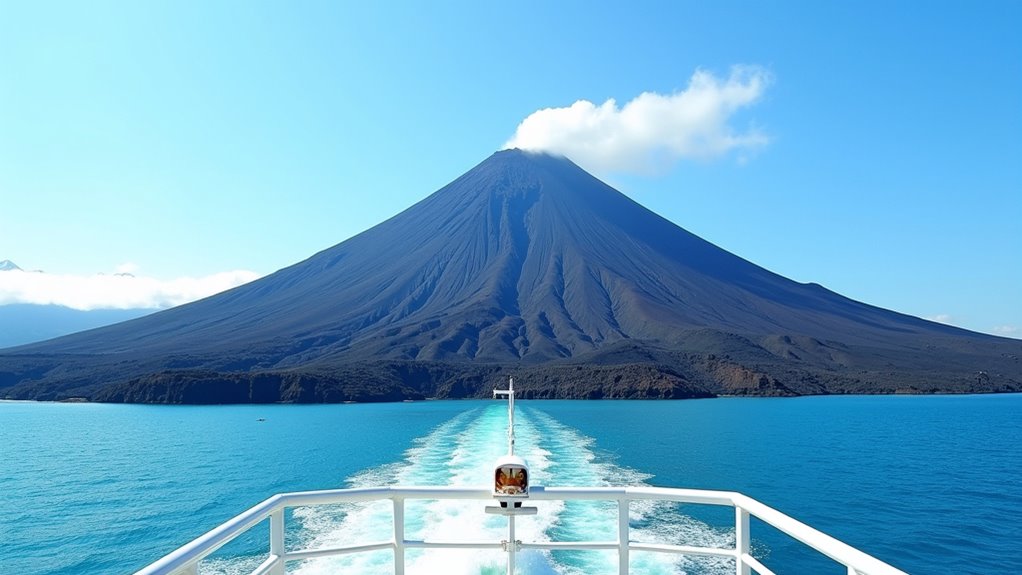
How does one witness Japan’s most active volcano up close without breaking the bank? Board the affordable Sakurajima Ferry from Kagoshima Port for stunning views across Kinko Bay. This iconic active volcano serves as the region’s most recognizable symbol, offering visitors an accessible adventure just minutes from the city.
Once on the island, explore dramatic lava trails that showcase nature’s raw power. The visitor center provides essential geological insights, while multiple observatories offer varying perspectives. Don’t miss Yunohira Observatory, which delivers panoramic views of the volcanic landscape and surrounding bay.
The hardened lava flows create otherworldly hiking terrain that’s both educational and visually striking. Budget-conscious travelers appreciate that ferry rides cost minimal fees, making this volcanic experience one of Japan’s most affordable natural wonders.
Pack water and comfortable shoes for the trails.
Soak in Natural Sand Baths at Ibusuki Onsen
Few experiences rival the therapeutic luxury of being buried chest-deep in naturally heated volcanic sand at Ibusuki Onsen. Located on the Satsuma Peninsula, this unique onsen tradition harnesses geothermal energy from underground hot springs, creating mineral-rich sand baths renowned for their health benefits.
Visitors lie on the beach while attendants cover them with warm volcanic sand, promoting circulation and muscle relaxation. The 10-15 minute sessions cost around ¥1,100, making it an affordable wellness experience. The heat penetrates deeply, providing relief from joint pain and fatigue while detoxifying the skin.
Most facilities offer indoor and outdoor sand bath options, with yukata robes provided. After the sand treatment, guests can rinse off and enjoy traditional hot spring baths. Book early during peak seasons, as this distinctly Japanese wellness ritual attracts visitors worldwide seeking authentic culture.
Wander Through Sengan-en Garden and the Shimadzu Family Villa
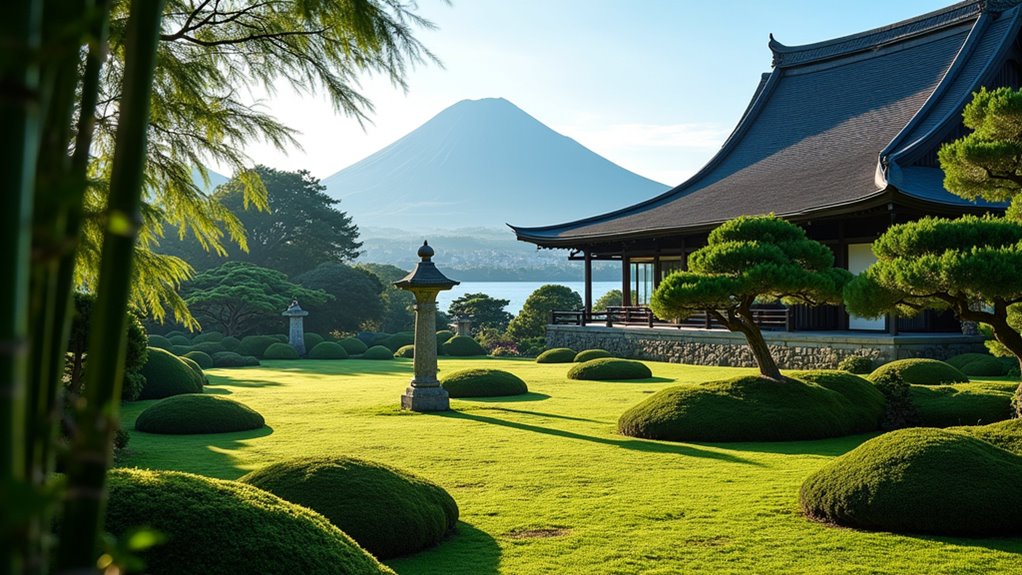
While many Japanese gardens showcase natural beauty, Sengan-en stands apart as a living proof of feudal power and cultural refinement. This 350-year-old UNESCO World Heritage site served as the Shimadzu family’s villa. It offers spectacular Sakurajima views that were deliberately incorporated into the garden’s design.
Visitors can explore traditional architecture, manicured landscapes, and historic buildings that reveal Japan’s modernization story. The entry fee includes access to both the garden and Shoko Shuseikan Museum, making it excellent value for budget-conscious travelers.
Don’t miss the bamboo grove, traditional tea house, and ornate gate structures. The garden’s “borrowed scenery” technique uses Sakurajima volcano as a backdrop, creating stunning photo opportunities. Plan two to three hours to fully appreciate the cultural significance and architectural details.
Experience Local Food Culture at Kagomma Furusato Yataimura Food Stalls
When travelers want to dive deep into Kagoshima’s culinary traditions without breaking the bank, Kagomma Furusato Yataimura delivers an authentic food stall experience steps from Chuo Station. This bustling food village houses numerous yatai (traditional food stalls) serving regional specialties at wallet-friendly prices.
Visitors can sample Kagoshima’s famous black pork, fresh eel prepared local-style, and seasonal vegetables steamed using natural geothermal heat from nearby volcanic activity.
Each stall operates like a mini-restaurant, with counter seating that encourages interaction between diners and vendors. The atmosphere captures Japan’s traditional street food culture while showcasing ingredients unique to this volcanic region.
Smart travelers arrive hungry and ready to hop between stalls, making it easy to taste multiple dishes without committing to expensive restaurant meals.
Watch Sunrise From Shiroyama Observatory Over Kinko Bay
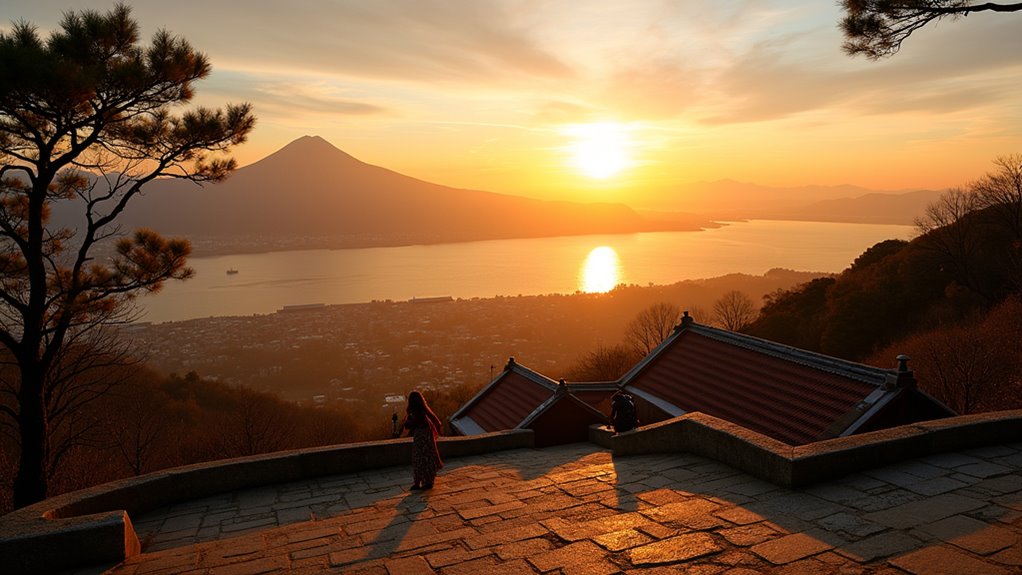
Before dawn breaks over Kagoshima, dedicated travelers make their way up Shiroyama’s winding paths to claim the best vantage point for one of Japan’s most spectacular sunrise displays.
The observatory sits 107 meters above sea level, offering unobstructed views of Sakurajima volcano silhouetted against Kinko Bay’s shimmering waters.
Visitors should arrive 30 minutes before sunrise to secure prime positioning and witness the gradual transformation from darkness to golden light.
The free observation deck provides panoramic views without admission fees, making it perfect for budget-conscious travelers.
Local buses run early morning routes, though many visitors prefer the 20-minute walk from downtown.
This experience captures Kagoshima’s natural beauty while connecting travelers to Japan’s deep appreciation for fleeting moments of natural splendor.
Visit Kirishima Jingu Shrine in the Mountain Foothills
After experiencing Kagoshima’s volcanic landscapes from above, travelers seeking spiritual connection will find profound peace at Kirishima Jingu Shrine, nestled in the serene foothills of the Kirishima mountain range. This significant Shinto shrine offers visitors an authentic cultural experience surrounded by pristine natural beauty, making it perfect for those wanting to understand Japan’s spiritual traditions without breaking the budget.
The shrine’s free admission allows budget-conscious travelers to explore sacred grounds where locals have worshipped for centuries. Visitors can participate in traditional purification rituals at the temizuya before approaching the main hall.
The mountain setting provides excellent photo opportunities, especially during autumn when maple leaves create stunning backdrops. Plan for a half-day visit, combining spiritual reflection with hiking nearby trails that showcase Kagoshima’s diverse ecosystem beyond its famous volcanic features.
Learn Samurai History at the Museum of the Meiji Restoration
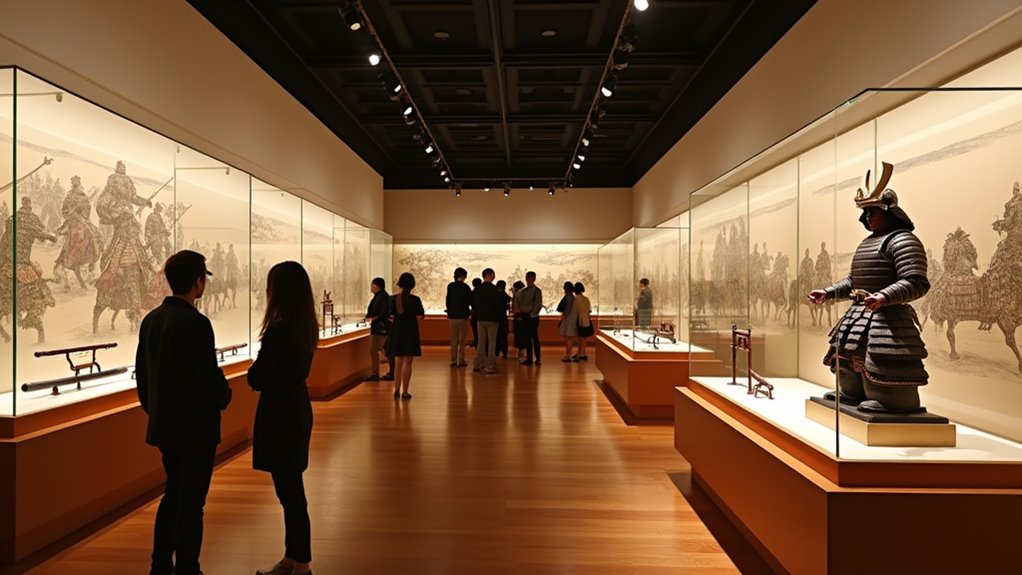
Since Kagoshima played a pivotal role in Japan’s transformation from feudal society to modern nation, history enthusiasts can’t miss the Museum of the Meiji Restoration, where samurai warriors’ contributions to this monumental period come alive through interactive exhibits and authentic artifacts.
The museum’s centerpiece features robot presentations demonstrating key historical moments, making complex political changes accessible to visitors.
Bronze statues of influential figures like Saigo Takamori and Okubo Toshimichi stand nearby, connecting museum experiences to real locations throughout the city.
Budget-conscious travelers appreciate the reasonable admission fee and central location near other attractions.
Visitors should plan two hours to fully absorb the multimedia displays explaining how Kagoshima’s samurai class shaped modern Japan’s foundation.
Take a Day Trip to Cape Sata, Japan’s Southernmost Point
While most travelers focus on Kagoshima’s volcanic attractions, adventurous visitors shouldn’t overlook Cape Sata Observatory Park, where Japan’s mainland reaches its southernmost point and offers breathtaking panoramic coastal views that rival any destination in the country.
The journey requires dedication—it’s roughly 90 minutes by car from central Kagoshima through winding mountain roads. Budget-conscious travelers can take local buses, though they’re less frequent. Pack lunch and water since dining options are limited near the cape.
The observatory rewards visitors with sweeping vistas of the East China Sea and Tanegashima Island. On clear days, you’ll spot Yakushima’s mountains in the distance.
The experience feels profound—standing where Japan’s mainland ends creates a unique sense of place that connects you deeply with the country’s geography and natural beauty.