Climbing Mount Kilimanjaro is a bucket-list challenge for many adventurous souls, and the Lemosho Route consistently earns top marks for its breathtaking scenery and well-organized logistics. This 8-day journey, offered by Maua Adventures, promises more than just reaching the summit—it’s about the experience of watching Africa’s highest peak reveal itself step by step.
With a perfect 5.0 rating from 21 reviews, it’s clear this route resonates with trekkers who value knowledgeable guides, stunning vistas, and a carefully paced ascent.
We’re drawn to this adventure because it combines the natural beauty of Kilimanjaro’s diverse ecosystems with the reassurance of a reputable operator. The personalized approach that Maua Adventures emphasizes stands out, making it clear they’re invested in your comfort and success. Their attention to detail, from gear checks on arrival to tailored itineraries, reassures even the most cautious traveler.
One consideration? The price of $2,310 per person isn’t cheap, but when you weigh it against the comprehensive service, expert guides, and the unforgettable views, many find the value to be well worth it. This tour suits travelers who are moderately fit, eager for an authentic experience, and willing to invest in a well-supported climb that maximizes their chances of summiting and enjoying every moment.
- Key Points
- Starting Off: Arrival and Preparation in Moshi
- Day 2: Into the Forests at Lemosho Glades
- Days 3–4: Exploring the Shira Plateau and Moorland
- Day 5: Climbing Up and Descending into Barranco
- Day 6: The Barranco Wall and Karanga Valley
- Day 7: Approaching the Summit Base
- Night of the Ascent: Climbing to Uhuru Peak
- Descending to Mweka and Celebrating
- The Cost and What You Get
- What Past Climbers Say
- The Sum Up: Who Should Consider This Trek?
- The Best Of Kilimanjaro!
- More Tour Reviews in Kilimanjaro
Key Points
- Expert Guides and Crew: Highly praised for their professionalism, experience, and caring attitude.
- Spectacular Scenery: From lush rainforests to alpine deserts, the route offers unparalleled vistas.
- Well-Paced Itinerary: Designed for acclimatization, with extra days on the mountain for safety and enjoyment.
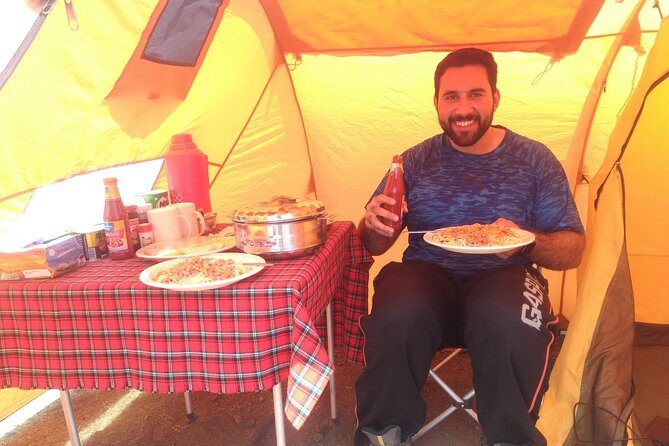
- All-Inclusive Support: Food, permits, gear rental, and transfers are included, streamlining the experience.
- Authentic Experience: A focus on genuine Tanzanian hospitality and environmental respect.
- High Success Rate: The route’s gradual incline and acclimatization days help improve chances of reaching Uhuru Peak.
👉 See our pick of the Kilimanjaro’s 16 Best Tours & Things To Do: Which To Choose?
Starting Off: Arrival and Preparation in Moshi
Your adventure begins with a pickup at Kilimanjaro International Airport, where Maua Adventures will whisk you away to your hotel in Moshi. Here, your guides will introduce themselves, review your gear, and help you rent any missing equipment. This initial step is crucial—being well-prepared makes all the difference when tackling the mountain’s challenges. Staying at the Lindrin Lodge, a comfortable Bed & Breakfast, you’ll meet your team and get a clear overview of what’s ahead.
Having a gear check on day one might seem routine, but reviews highlight the value of this step—”the guides were very well prepared and all the team as well,” one traveler noted—ensuring you’re technically ready before the climb begins. The short transfer from the airport to your accommodation is simple and stress-free, giving you a moment to settle and mentally prepare.
You can also read our reviews of more tours and experiences in Kilimanjaro.
Day 2: Into the Forests at Lemosho Glades
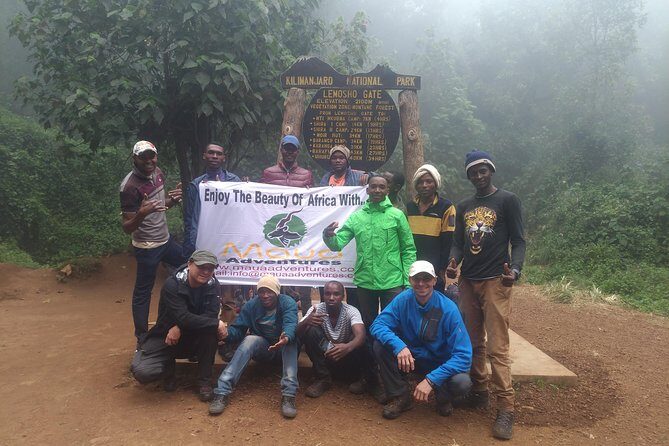
The real trek kicks off with a transfer to the Lemosho gate on the mountain’s western flank. The initial walk through the lush rainforest of the Lemosho Glades is a gentle start, covering about 7 kilometers in around four hours. Expect to see towering trees and a chorus of birdlife. The first night is at Big Tree Camp, named for the massive trees in the area.
Reviews frequently mention how enjoyable and scenic this start is—”The trek was much tougher than we had anticipated,” but the gradual ascent helps ease you into altitude gain. The forest provides a natural shield from the mountain’s harsher elements, making it a refreshing beginning. You’ll appreciate the included meals—breakfast, lunch, and dinner—which add to your comfort as you acclimate.
Days 3–4: Exploring the Shira Plateau and Moorland
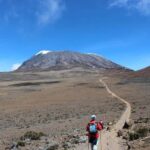
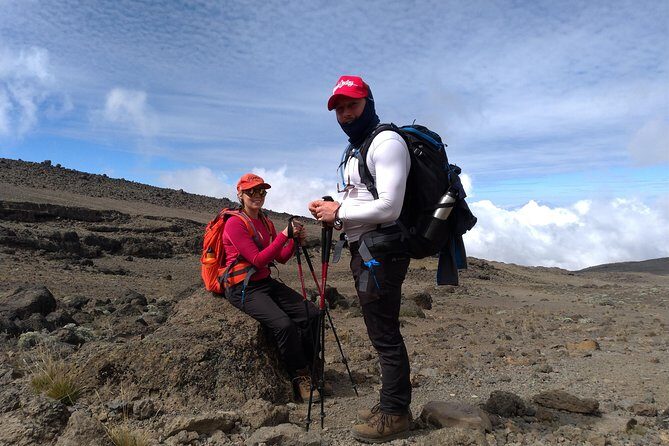
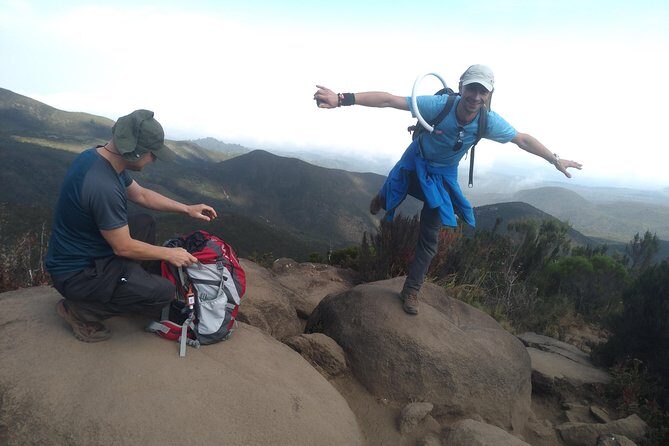
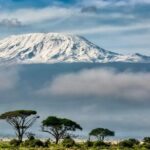
The route takes you across a grassy plateau dotted with volcanic rock formations. On day 3, from Big Tree Camp to Shira 1 Camp, you’ll climb roughly 1,100 meters, gaining impressive views of Kibo Peak floating above the clouds. Expect a long, steady hike—around seven hours—that offers plenty of time to take in the scenery.
On day 4, from Shira 1 to Shira 2 Camp, you’ll cross moorland with panoramic views of the mountain’s northern ice fields. The inclusion of an acclimatization walk helps your body adapt, an aspect many reviews praise—”We got the chance to view the Northern Ice fields from the western side of the mountain with some unusual views of Kibo.” The steady altitude gain and scenic vistas make this a highlight for many trekkers.
Day 5: Climbing Up and Descending into Barranco
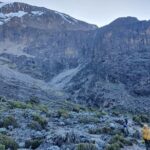
Today involves a significant ascent to Lava Tower at 4,640 meters—an iconic part of this route. Passing beneath glaciers and volcanic formations, you’ll enjoy a hearty lunch at Lava Tower, then make a steep descent into the Barranco Valley. The descent and ascent are physically demanding, but the diverse landscape, including lava ridges and cliffs, makes it worthwhile.
Reviewers comment on the route’s challenging nature—”This was a tough steep walk made more difficult by the altitude”—but also mention the spectacular scenery and the importance of proper acclimatization. The camp at Barranco is nestled in an area with expansive views, offering a unique perspective of the mountain.
Day 6: The Barranco Wall and Karanga Valley
Starting with a descent into the Great Barranco ravine, you’ll face the Great Barranco Wall, a long, steep, but non-technical climb. It’s a memorable part of the trek, often cited as “climb over rock, not technical but long and tiring,” yet “a climb over rock” that is manageable with good guides. Passing beneath glaciers, you’ll then ascend into the Karanga Valley, where the camp at Karanga is set at nearly the same elevation as the previous night.
Some reviews mention the optional mid-afternoon acclimatization trek up to 4,200 meters that certain groups do, which can help prevent altitude sickness. Expect this day to be a mix of laborious climbs and breathtaking views, with many hikers appreciating the exposure to varied landscapes.
Day 7: Approaching the Summit Base
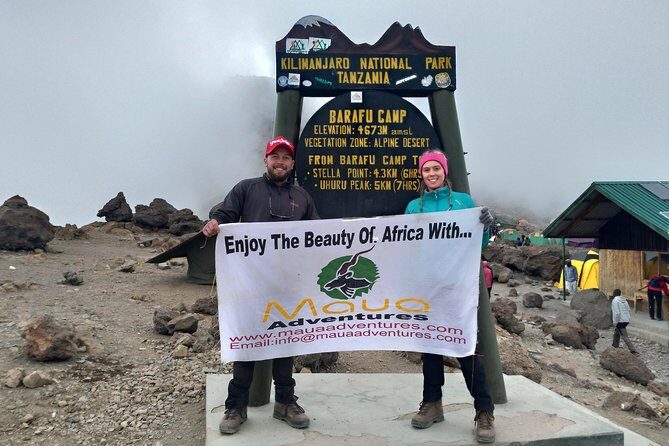
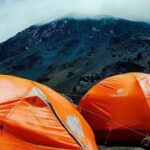
Today is the last full day on the mountain before the final push. From Karanga Camp, you’ll trek to Barafu Camp at 4,640 meters, mostly across desolate scree slopes. The walk is short but steep and demanding—”a tough steep walk made more difficult by the altitude”—but it prepares you physically and mentally for summit night.
You’re encouraged to rest, hydrate, and prepare your gear for the night ahead. The camp has a stark, almost lunar feel, with no vegetation and expansive views of the mountain’s summit. Many reviews emphasize the importance of resting well before the ascent.
Night of the Ascent: Climbing to Uhuru Peak
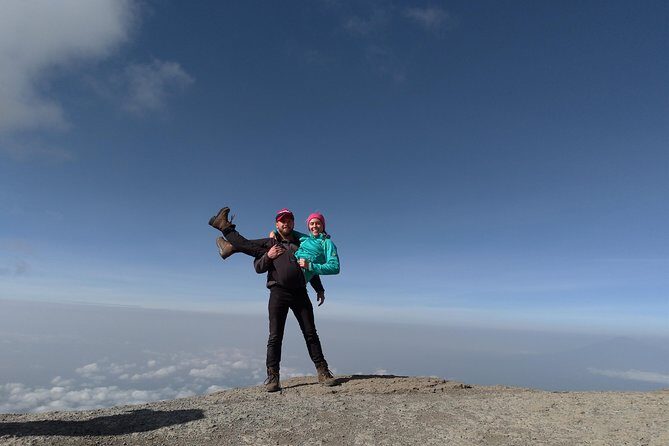
The highlight—summit night—begins around midnight. You’ll leave Barafu in the dark, led by your headlamp beam and the steady cadence of your guides. It’s a slow, arduous climb across scree and ice, with the goal of reaching Stella Point (5,739 meters) and then the Uhuru Peak at 5,895 meters.
Expect it to take between 6-8 hours, with reviews describing the experience as “steep and slow,” but also “a special moment to see the sunrise from the roof of Africa.” The sense of accomplishment upon standing at the summit is undeniable, and many reviewers mention the guides’ support—”They made sure we had an incredibly safe & comfortable trekking experience.”
Descending to Mweka and Celebrating
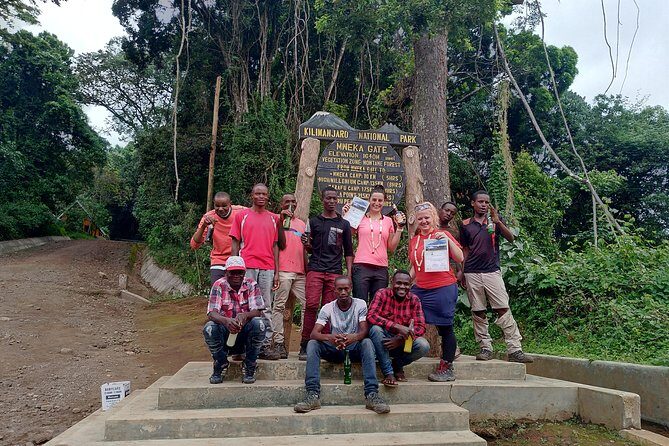
After reaching Uhuru Peak, the descent is mostly downhill, through the snow and rainforests of the lower slopes. The all-important Mweka Camp at 3,100 meters is where you’ll spend your final night on the mountain. The next morning, you’ll trek down to the Mweka Gate, completing the journey with a certificate of your achievement.
Reviewers are unanimous—”the trek down through the rainforest is a pleasant walk,” and many highlight the sense of relief and pride at completing the climb.
The Cost and What You Get
At $2,310 per person, this is an investment in a comprehensive, well-supported climb. The price includes pickup, permits, food, gear rental, and guides. Many reviews underscore the professionalism and friendliness of the crew, which enhances the experience significantly. When you consider the inclusion of acclimatization days, high-quality guiding, and safety measures, the value becomes clearer, especially for those who prioritize a successful summit and authentic support.
What Past Climbers Say
From “fantastic trekking experience” to “the guides treated us like family,” reviews consistently praise the professionalism, safety, and scenic beauty of this route. Some mention the route’s spectacular views and the acclimatization benefits of the itinerary—”this route has the best summit success rate,” one review notes. Several travelers appreciate the delicious food and the dedication of the crew, making a long, tough trek feel manageable.
Lemosho Route
The Sum Up: Who Should Consider This Trek?
This route is best suited for moderately fit travelers who want a balanced mix of adventure and comfort. The 8-day duration allows sufficient acclimatization, increasing the chances of reaching the summit. The emphasis on professional guides and personalized service means it’s ideal for those who want reassurance and expert support.
While it’s an investment, many reviews highlight that the overall value—including the stunning scenery, safety, and success rate—justifies the cost. It’s perfect for adventurers who care about quality and genuine experiences, and who are prepared to put in the physical effort.
Is this route suitable for beginners?
The route is designed with acclimatization in mind, but it’s still a challenging undertaking. You should have moderate physical fitness and be prepared for several days of trekking at high altitude.
What’s included in the price?
Your fee covers pickup, permits, meals, gear rental, guides, and transportation within the trip. It does not include personal items, tips, or optional extras.
How difficult is the climb?
It’s physically demanding, especially the summit night. However, the route’s gradual incline and extra acclimatization days improve your chances of success. Many reviews mention the importance of good guides and preparation.
What is the maximum group size?
The tour is limited to a maximum of 15 travelers, ensuring personalized attention and smaller groups for safety and camaraderie.
Are there options for gear rental?
Yes, missing gear can be rented on day 1, which helps travelers arrive with lighter luggage and avoid overpacking.
What happens if the weather is poor?
The tour is dependent on good weather, and if canceled, you’ll be offered a different date or a full refund. The safety of climbers is prioritized above all else.
The Lemosho Route with Maua Adventures offers an excellent combination of scenic diversity, expert support, and a well-paced itinerary that maximizes your chances of summiting Kilimanjaro. With a track record of satisfied climbers and a focus on authentic hospitality, this trek is a solid choice for those looking for a memorable, well-supported adventure.
It’s especially ideal for trekkers who value professional guides, scenic variety, and a route proven to improve summit success. While the price may seem steep, many consider it a worthwhile investment in one of Africa’s most iconic journeys—an experience that will stay with you long after you’ve descended from the summit.