
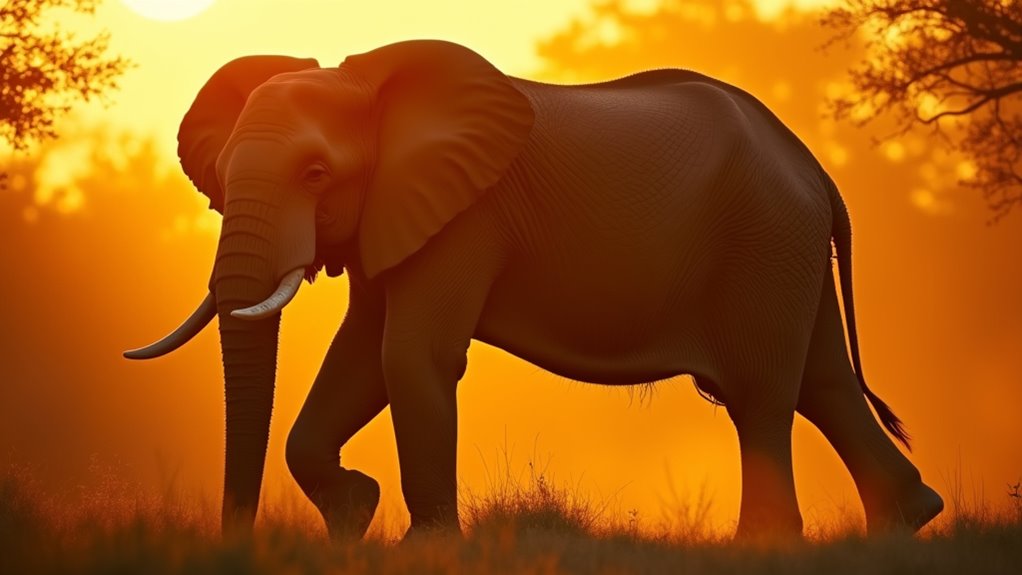
You’re planning your first trip to Botswana, but you’re probably wondering where to start without breaking the bank. This southern African gem offers wildlife encounters that rival Kenya or Tanzania at a fraction of the tourist crowds—and with some smart planning, you won’t need a luxury budget to experience them. From ancient rock art to stargazing in untouched wilderness, there are ten essential experiences that’ll give you the authentic Botswana adventure you’re after.
- Take a Mokoro Trip Through the Okavango Delta
- Watch Elephants Cross the Chobe River
- Sleep Under the Stars in the Kalahari Desert
- Hunt for Ancient Rock Art at Tsodilo Hills
- Drive Across the Makgadikgadi Salt Pans
- Track Big Cats in Moremi Game Reserve
- Meet Meerkats in Their Natural Habitat
- Photograph the Famous Baines’ Baobabs
- Explore San Culture Through Village Visits
- Take a Night Safari in Central Kalahari
- The Sum Up
Take a Mokoro Trip Through the Okavango Delta
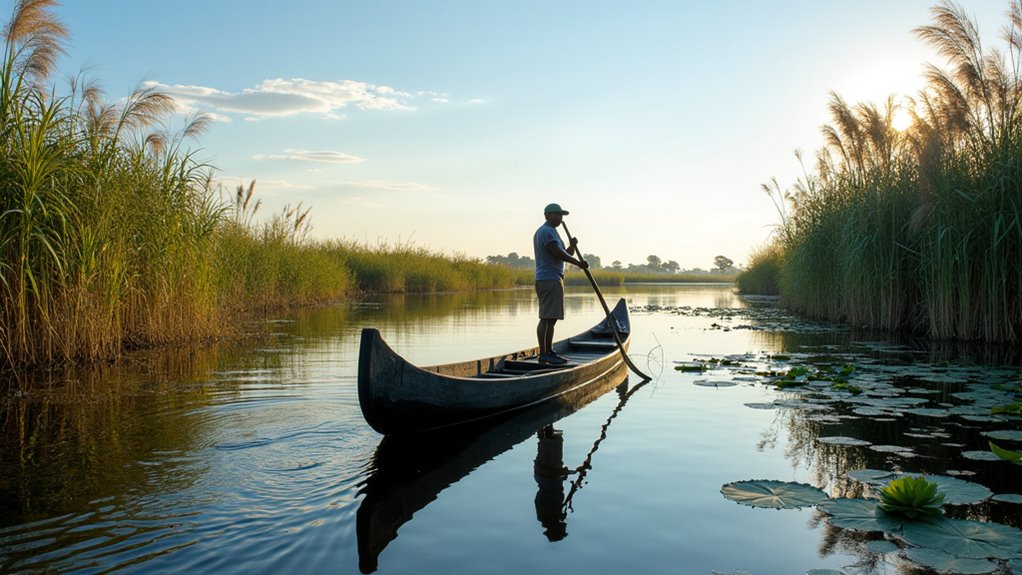
While most African safaris rely on noisy vehicles that can spook wildlife, a mokoro trip lets you glide silently through the Okavango Delta’s waterways in a traditional dugout canoe. You’ll pole through reed-lined channels and lily-covered lagoons with an experienced local guide, accessing areas unreachable by vehicle.
The low vantage point offers incredible wildlife viewing—elephants drinking at water’s edge, hippos surfacing nearby, and countless birds like kingfishers and fish eagles. You’ll spot lechwe antelope, crocodiles, and aquatic life in the crystal-clear waters. This slower pace allows you to notice micro-details like colorful frogs and insects that are often missed from land-based vehicles.
Half-day trips start around $150, while full-day excursions from Maun cost about $500 including transport and lunch. Book during high flood season (June-October) for ideal water levels.
Most operators support local communities by hiring village polers.
Watch Elephants Cross the Chobe River
Where else can you witness 50,000 elephants congregating along a single river during dry season? The Chobe River offers Africa’s most spectacular elephant viewing experience, where massive herds cross between Botswana and Namibia daily.
You’ll watch young elephants submerge completely, using their trunks as snorkels, while adults form impressive trunk-to-tail lines across the water. The best vantage point? Book a budget-friendly boat safari rather than expensive land drives. Elephants don’t typically react to nearby boats, giving you intimate close-up encounters impossible from shore.
Historical conflicts once disrupted these ancient migration routes, but peace has restored natural crossing patterns. Many elephants still lack migration experience from the war years and continue using Chobe as their primary dry season refuge.
Botswana’s strict anti-poaching efforts protect these herds, making Chobe National Park one of the world’s largest continuous elephant habitats. You’re supporting conservation through responsible tourism.
Sleep Under the Stars in the Kalahari Desert
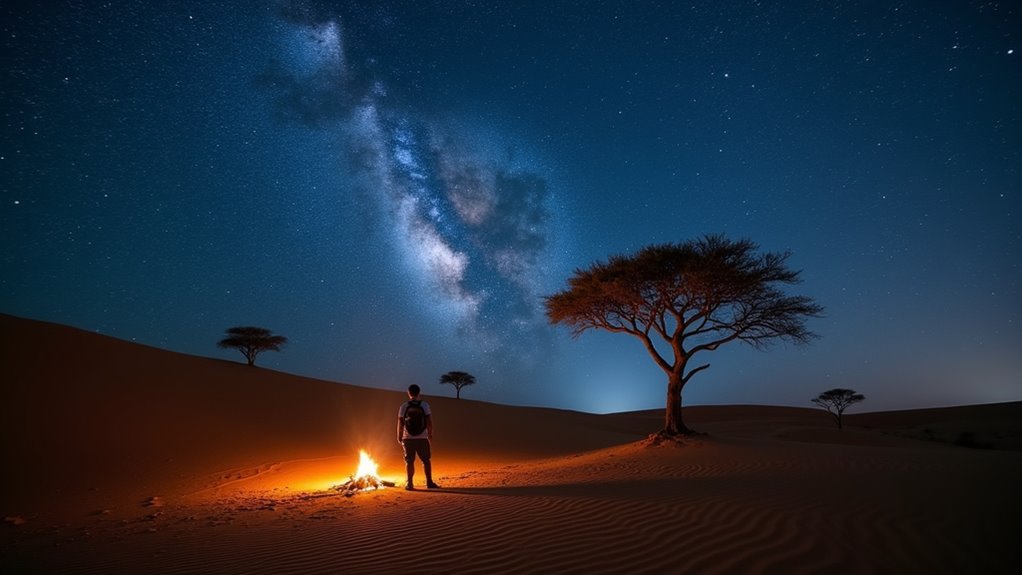
Though you’ll find luxury desert camps scattered across Botswana’s Kalahari, you don’t need expensive accommodations to experience the desert’s legendary night skies. Central Kalahari Game Reserve offers rustic campsites where you’ll bring your own supplies and sleep under stars with minimal light pollution.
The desert’s dry air and clear skies create perfect conditions for spotting the Milky Way and countless stars invisible in cities. You’ll need warm clothing since nighttime temperatures drop sharply, even during warmer months. Consider rooftop tents to protect against thorny plants and sand.
Enhance your stargazing with guided night walks to spot nocturnal wildlife or cultural experiences with San bushmen trackers. During the wet season, you might witness the spectacular zebra migration involving approximately 30,000 animals moving across the desert landscape. Pack lanterns since electricity’s limited, and embrace campfire evenings for an authentic desert experience.
Hunt for Ancient Rock Art at Tsodilo Hills
Deep in Botswana’s northwest Kalahari, Tsodilo Hills rises from flat desert like a natural art gallery that’s been open for over 100,000 years. You’ll discover over 4,000 ancient rock paintings spread across 500 sites on the Male, Female, and Child Hills.
The San people created most artworks using finger painting techniques with pigments made from iron oxide, charcoal, and animal fat.
You can spot naturalistic depictions of animals, geometric symbols, and human figures—some paintings dating back 24,000 years. Rhino Cave showcases a spectacular white rhino painting alongside red geometric shapes.
The San consider these hills sacred, believing they’re the site of first Creation. Near Female Hill, a sacred natural spring provides water used for cleansing and healing rituals that continue today. Plan a full day to explore this UNESCO World Heritage site, and bring water since facilities are limited.
Drive Across the Makgadikgadi Salt Pans
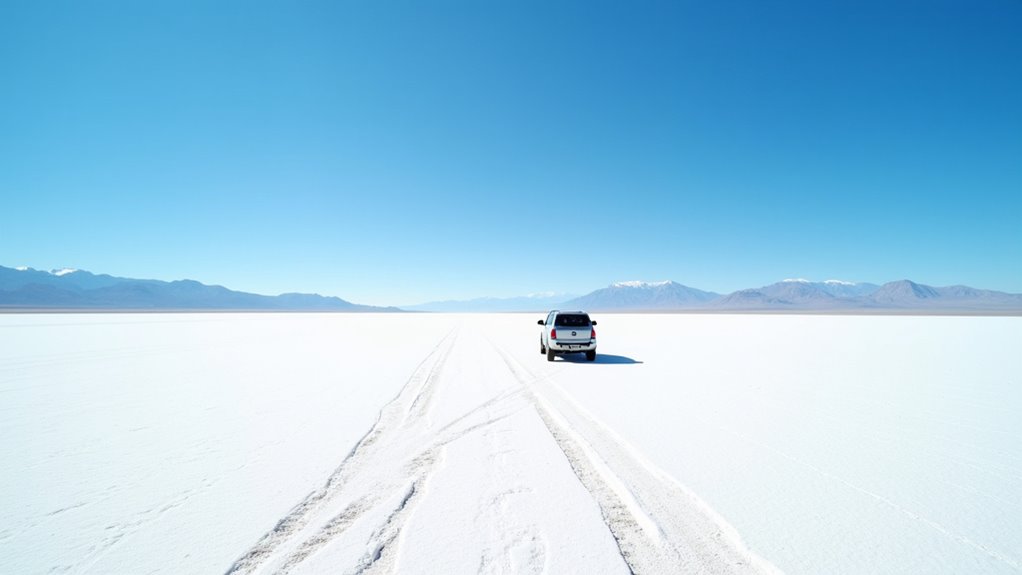
Sixteen thousand square kilometers of blindingly white salt stretch across central Botswana’s Makgadikgadi Pans, creating one of Africa’s most surreal driving experiences. You’ll need a 4×4 and should visit during dry season (May-October) when the hard clay surface provides ideal driving conditions. Don’t attempt this during rains when pans flood completely.
Navigate using GPS since tracks aren’t marked, and pack extra fuel and water – services are nonexistent. The vast white expanse creates incredible mirages and optical illusions that’ll leave you questioning reality.
Stop at Kubu Island to see ancient baobabs and Chapman’s Baobab, a 4,000-year-old giant. Wildlife congregates around pan edges, including massive elephant herds along the Boteti River. The area showcases remarkable archaeological heritage with over 200 recorded sites spanning from Early Stone Age tools to historic settlements.
Access points include turnoffs from Maun via A1 highway.
Track Big Cats in Moremi Game Reserve
While lions dominate the savanna headlines, Moremi Game Reserve delivers Africa’s most reliable big cat encounters without the tourist crowds you’ll find elsewhere. You’ll spot lions, leopards, and cheetahs in Botswana’s premier wildlife sanctuary, part of the UNESCO-protected Okavango Delta.
Head to Xakanaxa for concentrated lion and leopard activity, or explore Mopane Tongue’s open woodlands where cheetahs hunt. The dry season (May-October) offers your best value—animals gather around water sources, making tracking easier and more predictable.
Book morning and late afternoon drives when cats are most active. Fly into Maun, then catch connecting flights to reserve airstrips. Watercraft excursions at Xakanaxa Lagoon provide unique wildlife viewing opportunities from the water.
Semi-permanent camps cost less than luxury lodges while keeping you in prime big cat territory. You’ll potentially see all three species in a single well-planned safari.
Meet Meerkats in Their Natural Habitat
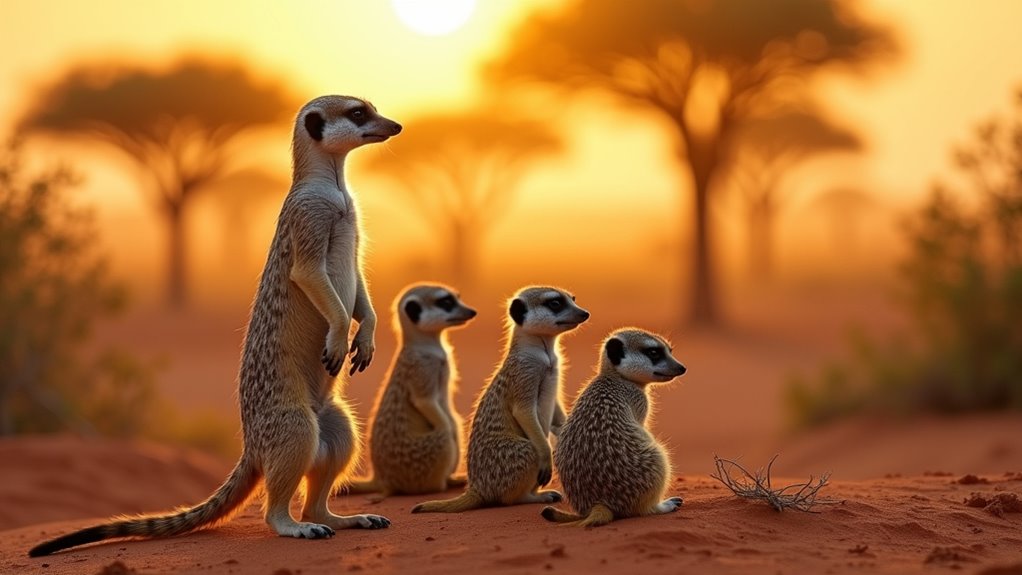
When you’re seeking Africa’s most endearing wildlife encounter, nothing beats sitting quietly in the Kalahari Desert as a family of meerkats emerges from their burrow at sunrise. You’ll find these charismatic creatures in central and southern Botswana, particularly around the Makgadikgadi Pans.
Book your experience through Camp Kalahari, Jack’s Camp, or San Camp, where habituated meerkat families allow close-up viewing. Don’t be surprised when they climb onto you as lookout posts!
Visit during the dry season (April-October) for the best access and weather conditions.
Your guide will explain their complex social structure—these 20-50 member mobs communicate through over 20 different vocalizations. These highly social animals spend 5-8 hours daily foraging together, using their keen sense of smell and sharp claws to dig for insects and other prey.
While it’s pricier than traditional game drives, watching sentries sound alarm calls while others forage creates unforgettable memories you can’t find elsewhere in Africa.
Photograph the Famous Baines’ Baobabs
Standing like ancient sentinels against Botswana’s stark salt pans, the seven massive Baines’ Baobabs offer one of Africa’s most dramatic photography opportunities. These thousand-year-old giants in Nxai Pan National Park haven’t changed much since explorer Thomas Baines painted them in 1862, making your shots timeless.
You’ll need a 4×4 to reach them—it’s a 2.5-hour drive from Maun through sandy tracks. Plan your visit during the dry season (May-October) for clearest access and best lighting conditions.
Golden hour creates magical silhouettes against the salt pan’s reflective surface, while minimal light pollution makes night photography spectacular. The trees’ deeply grooved trunks tell stories of countless elephants that have rubbed against their bark over the centuries.
The remote location means you’ll likely have the scene to yourself. Pack plenty of water, fuel, and camping gear if staying overnight—this wilderness experience rewards prepared photographers with unforgettable shots.
Explore San Culture Through Village Visits
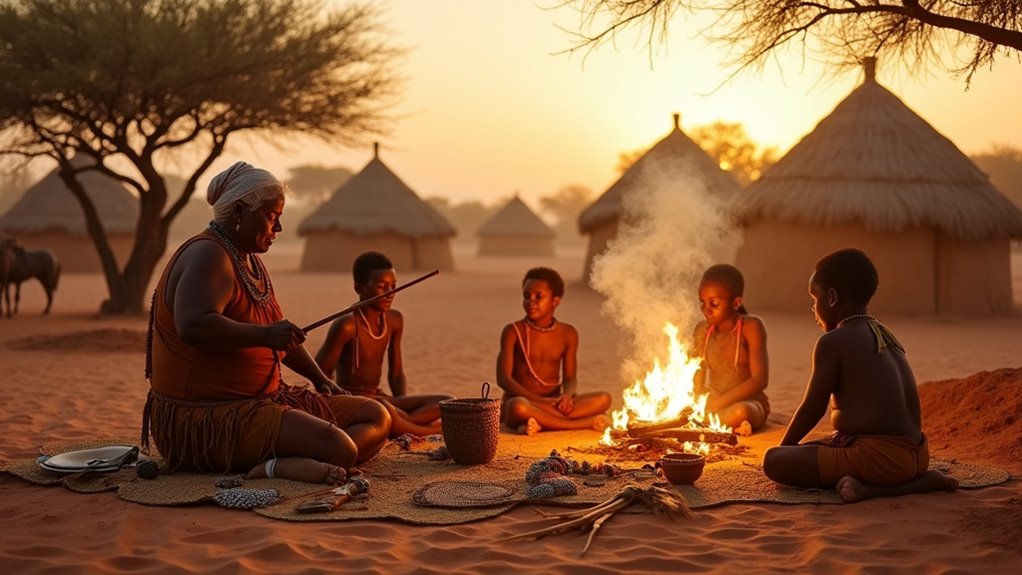
Deep in the Kalahari Desert, the San people offer visitors an authentic glimpse into one of humanity’s oldest cultures—a 30,000-year-old way of life that’s survived against incredible odds. You’ll join guided bushmen walks near Ghanzi for around $10 per person, learning traditional hunting techniques with bows and arrows alongside skilled trackers.
Watch women prepare meals using indigenous plants and witness the creation of jewelry from ostrich eggs and porcupine quills.
The experience includes demonstrations of fire-starting, water gathering, and plant identification during 1-2 hour cultural walks. You’ll hear the unique clicking sounds of their language and potentially participate in healing trance dances believed to connect with ancestors. At specialized camps like Jacks Camp, you can also observe local wildlife including meerkat visits that complement the culture.
These village visits provide essential economic support while preserving this remarkable heritage.
Take a Night Safari in Central Kalahari
As darkness falls across the Central Kalahari Game Reserve, you’ll witness Africa’s largest protected wilderness transform into a predator’s playground where black-maned lions emerge from their daytime rest and elusive nocturnal creatures begin their nightly hunts.
You’ll spot bat-eared foxes, honey badgers, and active hyenas that avoid the desert’s scorching daytime heat.
Expert guides use night vision equipment and spotlights to safely track wildlife while respecting animal behavior.
You’ll travel in specially equipped 4WD vehicles that navigate the terrain safely after dark.
The remote location offers incredible stargazing with minimal light pollution—perfect for photographing the Milky Way above Deception Valley’s vast pans. The deep silence of this pristine desert setting creates an atmosphere where you can truly escape from the modern world and connect with nature’s raw beauty.
Remember to dress warmly since desert nights get surprisingly cold despite hot days.
The Sum Up
You’ve got nine incredible adventures waiting in Botswana, from mokoro trips through the delta to meerkat encounters in the Kalahari. Don’t try cramming everything into one trip—you’ll burn through your budget and miss the magic. Pick three or four experiences that excite you most, book accommodations early for better rates, and remember that shoulder season offers fantastic wildlife viewing at lower costs. Botswana’s wilderness will leave you planning your return before you’ve even left.