Introduction
If you’re planning to visit Luxor and want to walk in the footsteps of pharaohs, a private guided tour of the Valley of the Kings could be just what you need. This 4-hour morning experience offers a balanced mix of history, comfort, and personalized attention, making it a popular choice among travelers.
What we particularly appreciate about this tour is the expert guidance from a qualified Egyptologist—a huge plus for truly understanding the significance of what you’re seeing.
Plus, the air-conditioned transportation makes the journey from Luxor’s hotel or harbor quite comfortable, especially given the desert heat. One thing to consider is the admission fee, which is not included in the base price, so budget for that extra expense.
This tour is best suited for travelers who want an authentic, educational experience with a personal touch—perfect for those who prefer to avoid big tour groups and value detailed insights into Egypt’s ancient monuments.
Key Points
Expert guidance enhances your understanding of Egypt’s history.
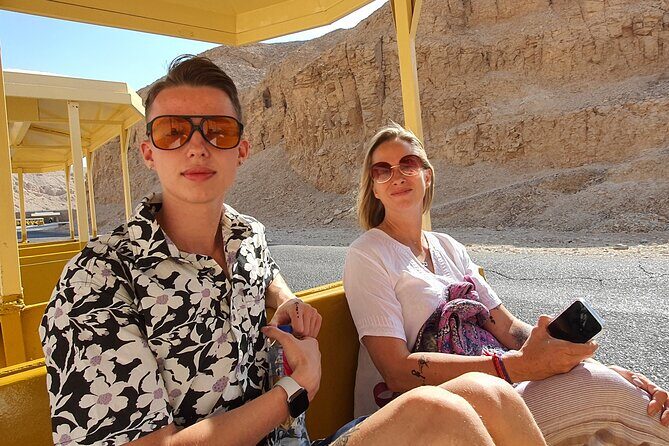
Private transport guarantees comfort and flexibility during the tour.
Visiting key tombs like Ramses III, Merenptah, and Tutankhamun offers a memorable glimpse into royal burials.
Admission fees are additional, so budget accordingly.
Timing is optimized for morning light and cooler temperatures.
Reviews consistently praise the knowledgeable guides and stunning tomb interiors.
👉 See our pick of the The Top 2 Luxor Tours & Things To Do
A Closer Look at the Valley of the Kings Guided Tour
This private experience offers a rich, well-paced journey through the tombs of some of Egypt’s most iconic pharaohs, all with the convenience of door-to-door pickup and drop-off. For about $50 per person, it’s a solid value when you consider the personalized guide, private transportation, and the opportunity to see some of the most extraordinary tombs in Egypt.
You can also read our reviews of more guided tours in Luxor
The Itinerary in Detail
Stop 1: Valley of the Kings
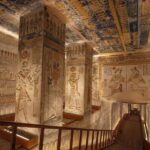
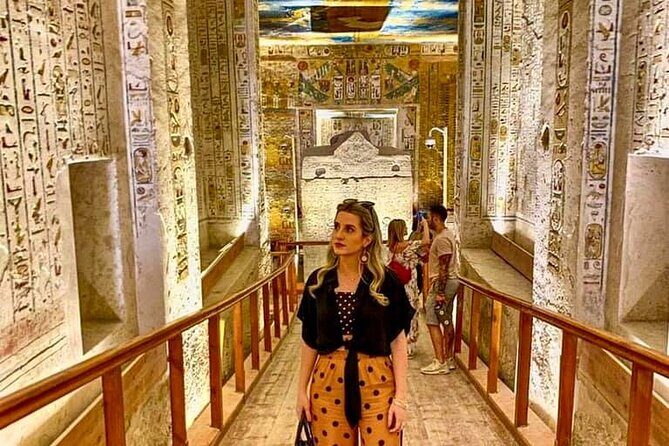
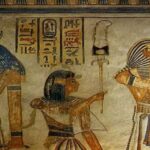
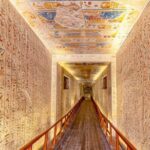
Starting with the Valley of the Kings itself, this necropolis on Luxor’s West Bank is the burial place for many pharaohs of the New Kingdom. Your guide will take you to three carefully selected tombs, including those of Ramses, Horemheb, and Merenptah. Since entrance fees are not included (about $13), it’s worth budgeting for these in advance. The tombs are famous for their elaborately decorated passageways, intricate paintings, and carvings that tell stories of the afterlife.
What makes this stop special
Travelers often mention how the guide’s insights make the site come alive. For example, one reviewer said, “The guide explained everything from the tombs to the cultural significance of the place,” which truly enriches the visit. Expect to walk underground through dimly lit tunnels, marvel at the vivid murals, and learn how these tombs exemplify ancient Egyptian craftsmanship.
Potential drawback
While the tour covers three tombs, some visitors might wish for more time within each. The tomb of Tutankhamun, though included in the itinerary, is usually a quick glance given the limited time and ticket restrictions.
Stop 2: Tomb of Ramses III
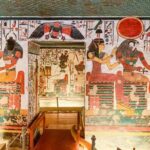
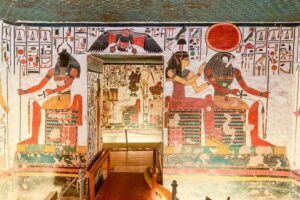
The tomb of Ramses III, known as KV 11, is often called the “Tomb of the Harpers” because of its unusual secular scenes, like pottery and boats imported from the Aegean, and even blind harpists. The colorful painted reliefs, depicting rituals and gods, are striking.
Reviews highlight
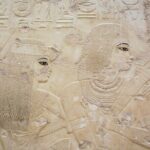
The decorations and detailed scenes impress many visitors, providing a window into both royal life and funerary practices. One reviewer mentioned how the “wonderful decorations include colourful painted sunken reliefs,” adding a layer of appreciation for the artistry.
Stop 3: Tomb of Merenptah
Merenptah’s tomb showcases the grandeur of royal burial chambers—taller ceilings, fewer lateral rooms, and impressive statuary. This tomb is notable as it was discovered by Howard Carter, the same archaeologist famous for uncovering Tutankhamun’s tomb. The paintings here, despite some deterioration, remain a highlight, especially the ceiling scene showing goddess Nut swallowing the sun.
Reviews note
The vividness of the murals and the size of the sarcophagus make this tomb memorable. One visitor remarked on the “colour and detail,” underscoring how impressive the artwork still is.
Stop 4: Tomb of King Tutankhamun
No trip to the Valley of the Kings is complete without a quick look at King Tut’s tomb. While the interior is relatively small, it’s the most instantly recognizable, and you get to stand face-to-face with his mummified remains. For many, this is a real highlight, connecting directly to Egypt’s most famous pharaoh.
Note
Entrance tickets are not included, so plan accordingly. The brief 10-minute visit allows for a snapshot of one of Egypt’s most iconic names.
Stop 5: Tomb of Ramses IV
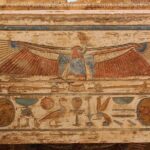
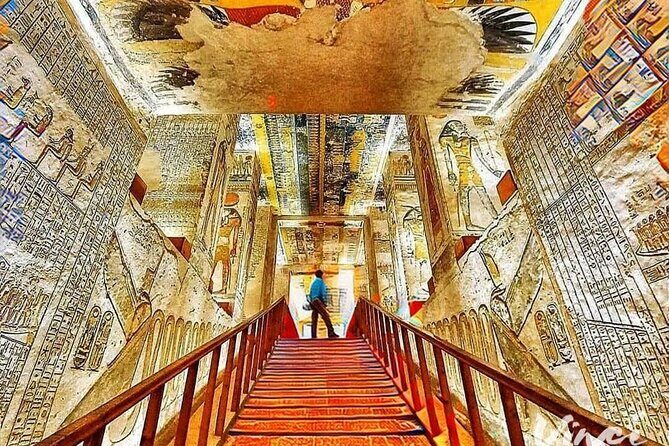
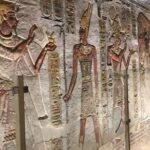
The tomb of Ramses IV is considered one of the most spectacular due to its vibrant wall scenes and detailed hieroglyphs. The ceiling depicts goddess Nut swallowing the sun—a classic motif in Egyptian art. The rosy granite sarcophagus adds a sense of majesty to this tomb.
Reviews praise
The rich colors and intricate carvings make it a standout. The scenes from the Litany of Ra and the Book of the Dead are especially vivid, offering a visual feast.
Additional Sites
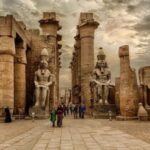
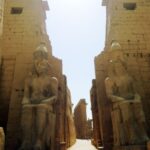
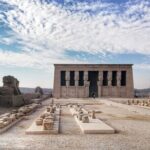
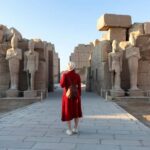
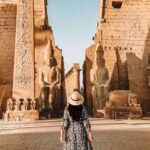
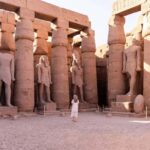
The tour also stops at the Ramesseum, Ramses II’s funerary temple, famous for its giant statues and reliefs of battles. Visitors often mention the poetic connection to Percy Shelley’s “Ozymandias,” as the crumbling colossus reminds us of the impermanence of power.
Further along, the Valley of the Nobles reveals the burial sites of high-ranking officials, giving a broader picture of the society that built these monuments.
The Guide and Transportation Experience
Most reviews highlight the guides’ extensive knowledge, referring to them as “fantastic,” “very informative,” and “amazing.” The private, air-conditioned vehicle is seen as a major plus—especially for early mornings when the desert sun is just rising. The comfort and flexibility allow for a more relaxed pace, avoiding the crowded, less personal group tours.
Purchasing and Cost Breakdown
While the tour costs around $50 per person, remember that admission fees are extra—about $13 for the tombs, and potentially additional for specific sites like Tutankhamun. The value here lies in the personalized service, expert insights, and convenience of door-to-door pickup, which saves significant time and effort navigating Luxor’s busy streets.
Reviews and Feedback
The feedback is glowing. Travelers repeatedly mention how knowledgeable guides made the experience memorable, transforming a complex archaeological site into a captivating story. Many also commend the stunning visuals inside the tombs, describing murals and statues as “beautiful,” “vivid,” and “extraordinary.”
One reviewer summarized it well: “The valley is full of history, and this tour made it come alive,” highlighting the educational value. Others appreciated the comfortable transportation and the chance to see various tombs without feeling rushed.
You can also read our reviews of more private tours in Luxor
Who Will Love This Tour?
This private, guided experience is perfect for history buffs, photography enthusiasts, and cultural travelers who want an in-depth look at Egypt’s royal tombs. It’s ideal if you prefer a personalized experience over crowded group tours, and if you value detailed explanations and expert guidance.
If you’re on a tight schedule but still want to see key sites with ease and comfort, this tour strikes a good balance. It also suits those who are enthusiastic about learning the stories behind the monuments—not just ticking them off a list.
The Sum Up
For anyone interested in a well-organized, personalized tour of the Valley of the Kings, this experience offers real value. The combination of knowledgeable guides, comfortable transport, and a carefully curated itinerary ensures you walk away with a deeper understanding of Egypt’s most famous royal necropolis.
The tour’s price is reasonable for the level of service, especially when considering the insightful commentary that brings the tombs’ carvings and murals to life. It’s most suitable for those who want to avoid the hassle of self-guided visits or large group tours and prefer to explore with an expert by their side.
If you love history, stunning art, and authentic experiences, this private tour is a compelling way to connect with Egypt’s ancient past in a meaningful and enjoyable way.
Private Guided Tour to Valley of the Kings
FAQ
Is transportation included?
Yes, hotel pickup and drop-off via air-conditioned vehicle are included, making for a comfortable start and end to your day.
How long does the tour last?
The tour is approximately 4 hours, giving you enough time to see three tombs plus some additional sites.
Are entrance fees included?
No, entrance fees ($13) are not included, so you should budget extra for the tombs themselves.
What tombs will I visit?
You’ll visit three tombs, including those of Ramses III, Merenptah, and Tutankhamun, among others.
Can I visit the Tomb of Tutankhamun?
Yes, but note the visit is brief (about 10 minutes), and tickets are not included in the base price.
Is this tour suitable for families?
Most travelers can participate, and the private guide makes it flexible, but consider the walking involved and heat if traveling with young children.
What makes this tour different from others?
The personalized guide and private transportation provide a more insightful and comfortable experience compared to larger group options.
How far in advance should I book?
It’s recommended to book around 23 days in advance, ensuring availability and your preferred timing.
Can I cancel if my plans change?
Yes, the tour offers free cancellation if you cancel at least 24 hours before the scheduled start.
What should I wear or bring?
Light clothing, comfortable shoes, sun protection, and water are advisable. The tombs are cool inside, but expect to walk and climb stairs.
This private guided tour of the Valley of the Kings offers a compelling combination of expert storytelling, culture, and comfort, making it a highlight for those wanting to deepen their understanding of Egypt’s royal past.