If you’re considering climbing Kilimanjaro via the Marangu route, you’re looking at one of the most classic — and friendliest — ways to tackle Africa’s highest peak. Known affectionately as the Coca-Cola route, this trek claims the same path Hans Meyer used when he first reached the summit in the early 20th century.
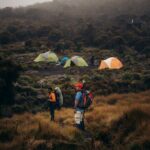
It’s a route that balances historical charm with practical comfort, thanks to its sleeping huts that eliminate the need for camping.
From the lush rainforests at the start to the icy craters near the top, this journey offers a real sense of achievement without the more rugged camping typical of other routes. We love how accessible and organized it is, making it particularly appealing for first-time Kilimanjaro climbers or those looking for a more comfortable ascent.
However, it’s worth noting that, because it’s one of the most popular routes, the trail can get crowded, especially at the huts and during summit night. Plus, while the huts provide comfort, they also mean sharing space with fellow climbers, which might not appeal to those craving total solitude.
This tour suits travelers who want a well-supported, structured climb with the convenience of huts, and who are prepared to face some physical challenge in exchange for an authentic, achievable summit experience. If you’re looking for a combination of history, comfort, and a manageable pace, this might just be your route.
- Key Points
- An In-Depth Look at the 6-Day Kilimanjaro Climb
- Starting in Moshi and the First Day’s Trek
- Day Two: Into the Heath and High Moorland
- The Extra Day at Horombo Hut: Acclimatization and Exploration
- The Journey to Kibo: Crossing the Saddle
- The Midnight Summit Push
- Descent and Celebration
- What’s Included and What’s Not
- Overall Value and Experience
- Who Should Consider This Tour?
- Frequently Asked Questions
- The Best Of Moshi!
- More 6-Day Experiences in Moshi
- More Tour Reviews in Moshi
Key Points
 1 / 5
1 / 5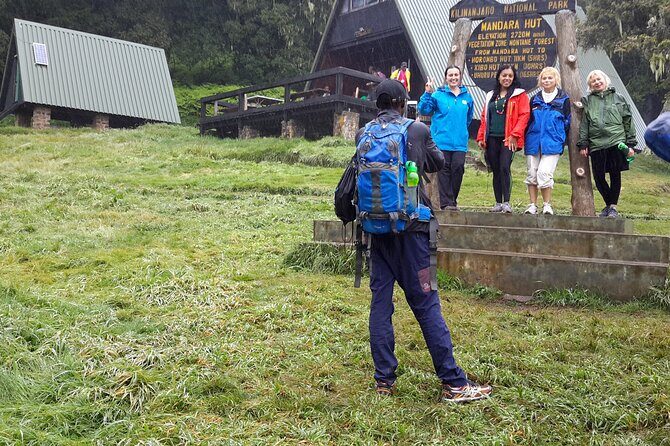 2 / 5
2 / 5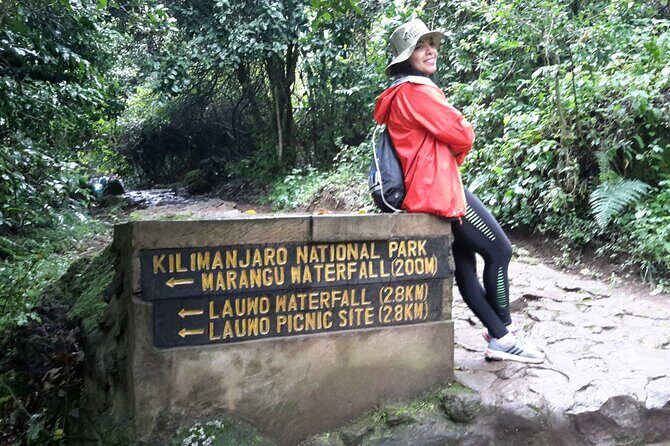 3 / 5
3 / 5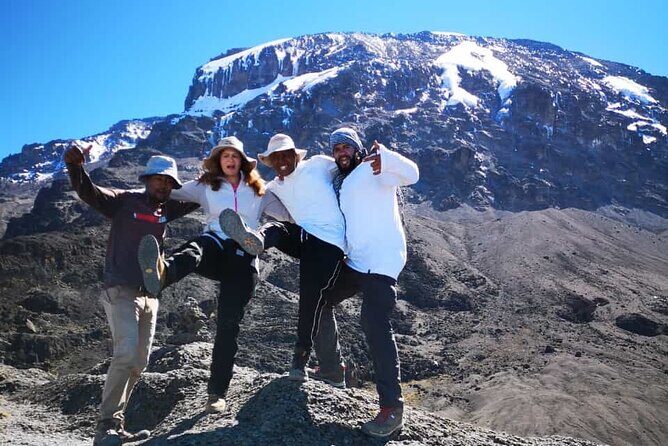 4 / 5
4 / 5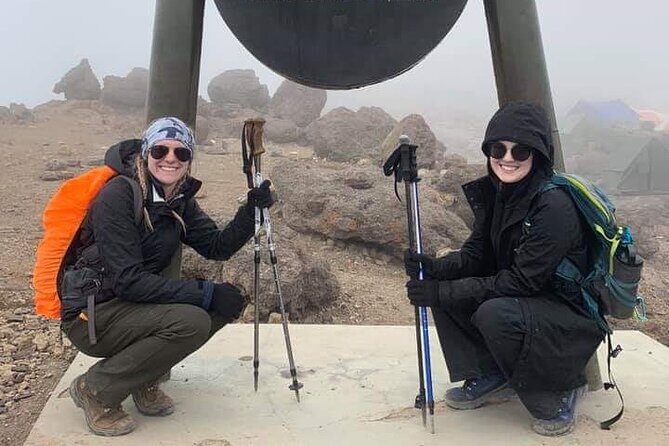 5 / 5
5 / 5- Historical Significance: Follows the original route taken by early explorers, adding a sense of adventure and history.
- Comfort and Convenience: Sleep in huts rather than tents, making the trek less physically demanding in terms of camping gear.
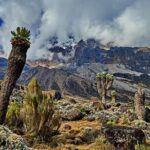
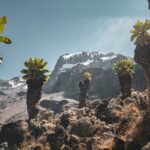
- Stunning Views and Diverse Habitats: From rainforest to alpine desert, the scenery changes dramatically.
- Good for First-Timers: The route’s gradual ascent and support make it suitable for less experienced trekkers with moderate fitness.
- Authentic Cultural Experience: Starts in Moshi, giving you a glimpse into local life and easy access to base amenities.
- Value for the Price: At $2,000, including guides, meals, and park fees, it offers reasonable value for a well-organized, guided climb.
👉 See our pick of the Moshi’s 16 Top Tours & Things To Do
An In-Depth Look at the 6-Day Kilimanjaro Climb
You can also read our reviews of more tours and experiences in Moshi
Starting in Moshi and the First Day’s Trek
We begin in Moshi, a small town that’s become the gateway for many Kilimanjaro adventures. The tour includes pickup services from your hotel or designated meeting point, which removes some of the hassle of logistics and gets you straight to the trailhead.
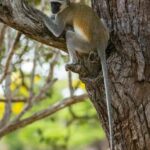
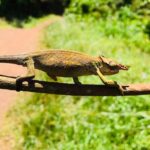
The first day’s walk is an 8 km journey through lush rainforest habitat, taking approximately 4-5 hours. A highlight of this initial walk is the chance to spot blue monkeys and other tropical wildlife. The trail is well-worn and accessible, making it ideal for those with moderate fitness levels, and the admission fee is included, so no surprises there.
Reaching Mandara Hut, you’ll settle into your first sleeping hut — a welcome break from the typical tent camping. The atmosphere here is friendly and communal, and it sets the tone for the days ahead.
Day Two: Into the Heath and High Moorland
The second day continues through the rainforest into high moorland, a transition zone that’s both visually striking and ecologically significant. The trail spans about 12 km and takes 6-8 hours, giving plenty of time for acclimatization.
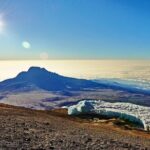
From this elevation, you’re treated to your first glimpses of Kibo and Mawenzi peaks, two of Kilimanjaro’s three volcanic summits. The scenery is a mix of mossy hills and open landscapes that gradually open up.
This day is about adjusting to altitude and soaking in the views, which we found to be a critical part of the climb’s success. One reviewer notes, “The crew was very reliable and professional. We had delicious fresh food, met many great people and we would describe it overall as one of our best adventures so far.”
The Extra Day at Horombo Hut: Acclimatization and Exploration
Day three’s highlight is the optional side trip to Mawenzi Ridge, a rugged but rewarding hike that helps your body adjust to higher elevations. It’s not just about physical acclimatization — it’s about absorbing the changing landscape, which offers “motivating views of Kibo and Mawenzi,” according to climbers.
Even if you opt for a lighter day, the opportunity to explore this terrain helps prevent altitude sickness and prepares you for the tougher days ahead. The distance covered is just 5 km, but the benefits in terms of acclimatization are substantial.
The Journey to Kibo: Crossing the Saddle
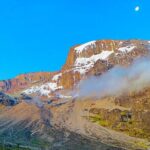
Day four covers about 10 km over 6-8 hours, climbing from 12,205 ft to 15,430 ft. The trail crosses the lunar-like Saddle, a stark, arid expanse that feels almost surreal after the lush forests. The camp at Kibo Hut sits at the base of the volcano’s crater wall, providing breathtaking views of the mountain and surrounding landscapes.
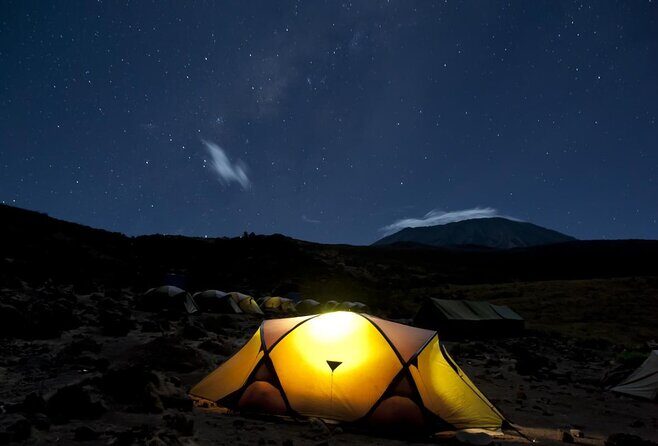
This day is about maintaining a steady, manageable pace to prevent altitude sickness and conserving energy for the summit attempt. The support crew prepares you for the next early start, as most climbers opt to rest early in anticipation of the midnight push.
The Midnight Summit Push
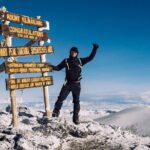
Day five is the big one — the 24-hour adventure to Uhuru Peak. Starting around midnight, this is physically demanding and mentally tough. The cold at this elevation can be biting, and the wind relentless, but the reward is a spectacular sunrise over the clouds as you approach Gilman’s Point, at 18,600 ft.
Most reviews highlight the incredible views during this ascent: “You will be rewarded with the most magnificent sunrise you are ever likely to see coming over Mount Meru,” one climber shared. It’s a test of endurance, but the sense of achievement at the top makes it all worthwhile.
Descent and Celebration
On the last day, you descend from 19,341 ft back down to 6,046 ft over about 5-7 hours, passing through different habitats from arctic to rainforest. The descent is often easier physically but can be muddy and slippery at lower elevations. Upon reaching Mweka Gate, you receive your certificates of achievement, a tangible reminder of your feat.
A common comment from trekkers is how emotional and fulfilling this moment is, especially after overcoming the challenges of altitude and fatigue.
What’s Included and What’s Not
The tour includes private transportation, all meals (breakfast, lunch, dinner) during the trek, and guides and park fees. The cost of $2,000 is reasonable considering the level of support, meals, and logistical convenience.
Not included are tips for the crew and personal expenses, which are typical for such tours. It’s always good to plan for tipping, as the guides and porters work hard to make your climb successful and enjoyable.
Overall Value and Experience
We believe this Kilimanjaro tour offers excellent value for those who want a well-organized, culturally rich, and relatively comfortable ascent. The support crew’s professionalism and the quality of food are often praised, which makes a significant difference on a physically demanding adventure.
The fact that the route is straightforward and the huts provide a degree of comfort makes it ideal for first-time climbers or those with moderate fitness. Plus, the historical significance of following Hans Meyer’s original route adds an extra sense of adventure.
While it might be crowded at times, many reviewers appreciate the camaraderie and shared experience. The stunning vistas, eco-diversity, and the thrill of reaching Uhuru Peak stay with most climbers long after the trek ends.
Who Should Consider This Tour?
This tour best suits travelers who:
- Want a comfortable yet authentic Kilimanjaro experience.
- Are moderately fit and prepared for 6 days of trekking.
- Appreciate the support of experienced guides and porters.
- Seek to avoid camping but still want a true mountain adventure.
- Are interested in history and scenery that change as you ascend.
- Are okay with sharing huts and some crowded spots during peak times.
If you’re after an organized, reliable, and friendly climb that balances comfort with challenge, this could be a perfect fit.
6 Days Kilimanjaro climb – Marangu route
Frequently Asked Questions
Is this tour suitable for beginners?
Yes, the route’s gradual ascent, support staff, and hut accommodations make it accessible for those with moderate fitness and some trekking experience.
What is included in the price?
The $2,000 fee covers private transportation, all meals during the trek, guide services, park entrance fees, and accommodations in huts.
Are there any extra expenses I should budget for?
Yes, tips for guides, porters, and cooks are not included. Personal expenses or souvenirs are also not covered.
Does the tour accommodate different fitness levels?
While designed for moderate fitness, some trekking experience is helpful. The route is easier than more rugged options but still physically demanding.
How long is the overall trekking day?
Days vary from 4 to 8 hours of hiking, with summit night being the most challenging. Early starts on summit day are typical.
What kind of support will I get during the climb?
Experienced guides, cooks, and porters are part of the team, helping with logistics, meals, and safety throughout the climb.
What makes the Marangu route unique?
It’s the only route with sleeping huts, following the historic path first trekked by Hans Meyer, providing a more comfortable trek experience.
Climbing Kilimanjaro via the Marangu route offers a blend of history, comfort, and adventure that appeals to a broad range of travelers. The organized support, scenic diversity, and the opportunity to reach Africa’s highest point make it a memorable journey.
While it’s not the most remote or rugged route, it provides a genuine sense of achievement and the chance to enjoy some of the most stunning views nature has to offer. Whether you’re a first-timer or someone seeking a more comfortable ascent, this tour strikes a good balance between challenge and convenience, all wrapped in an experience that’s truly authentic to Kilimanjaro’s spirit.
In short, this climb is best for those who want a well-supported, historically meaningful, and moderately challenging adventure — with a few comforts along the way.