- Exploring the 6 Days Rongai Route Climbing Mt. Kilimanjaro
- Key Points
- An In-Depth Look at the 6-Day Rongai Route Climb
- Day 1: The Journey Begins in Montane Forest
- Day 2: Into the Moorlands
- Day 3: High Altitude and Spectacular Views
- Day 4: Into the Alpine Desert
- Day 5: The Summit Push
- Day 6: Descent and Celebration
- Why This Tour Offers Good Value
- Group Size and Logistics
- Accommodation and Meals
- Authentic Experience and Expert Guidance
- Who Will Love This Tour?
- Final Thoughts
- FAQ
- The Best Of Moshi!
- More 6-Day Experiences in Moshi
- More Tour Reviews in Moshi
Exploring the 6 Days Rongai Route Climbing Mt. Kilimanjaro
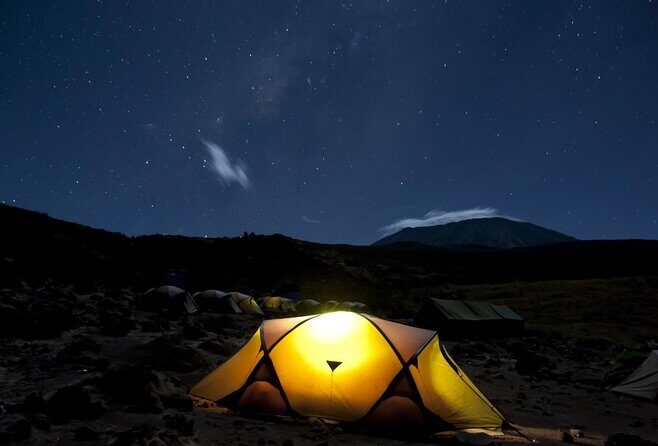
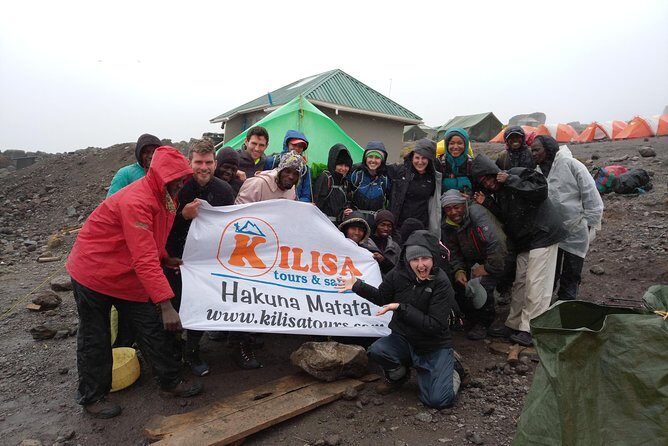
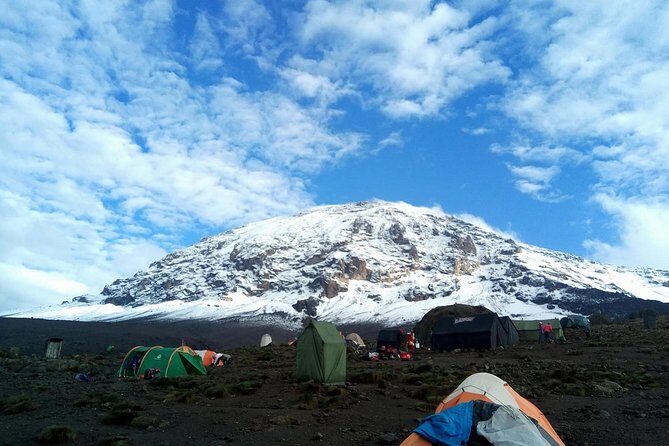
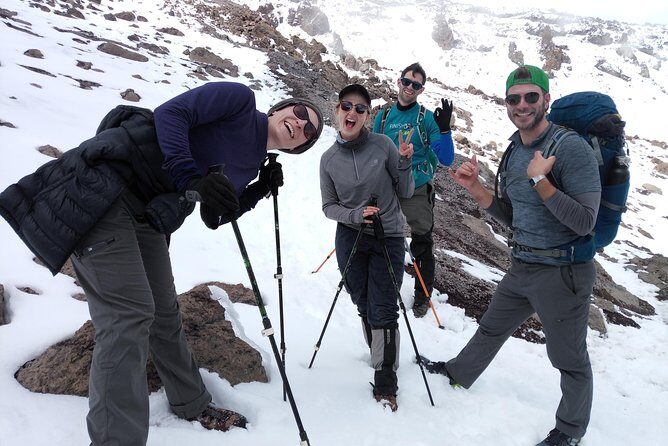
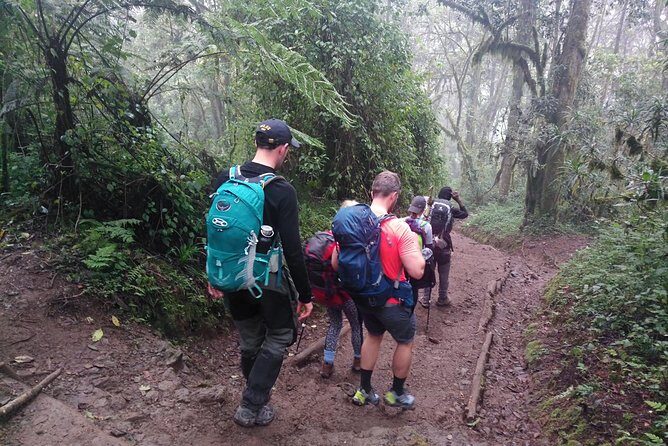
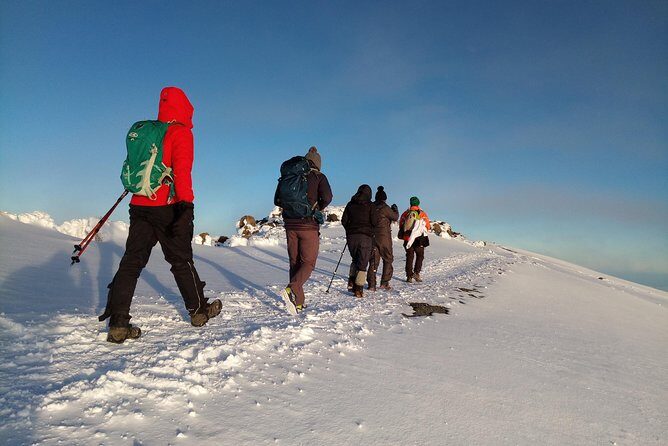
Thinking about tackling Kilimanjaro? This 6-day Rongai route tour, offered by Kilisa Tours & Safaris, promises a balanced mix of adventure, stunning scenery, and expert guidance. We’ve gathered plenty of info to help you decide if this is the right ascent for you.
Two things that immediately catch our eye are the route’s quieter tracks, which provide a more intimate wilderness experience, and the thoughtful inclusion of all necessary gear and logistics, making it a solid choice for those who want a well-organized climb. On the flip side, the price point of $2,380 per person is a significant investment, but considering what’s included—like park fees, camping gear, hot meals, and professional guides—it offers good value for a challenging and rewarding adventure.
This tour suits travelers who are physically fit, eager for a guided climb with detailed logistical support, and those looking to avoid the crowded routes while still enjoying expert assistance. If you’re after a memorable mountaineering experience with a trusted company, this tour merits serious consideration.
👉 See our pick of the Moshi’s 16 Top Tours & Things To Do
Key Points
- Quiet Route for a more secluded Kilimanjaro experience
- All-Inclusive Price covers park fees, gear, meals, and guides
- Guides and Porters are highly praised for their professionalism and knowledge
- Customizable Experience with flexible start and end points in Moshi or Arusha
- Summit Success with detailed briefings and preparation for the challenging night
- Authentic Cultural & Scenic Encounters through diverse habitats and stunning vistas
You can also read our reviews of more tours and experiences in Moshi
An In-Depth Look at the 6-Day Rongai Route Climb
Climbing Kilimanjaro is more than just a physical challenge; it’s an opportunity to see some of Tanzania’s most varied landscapes. The Rongai route is particularly appealing for those who prefer a less-traveled path, offering a quieter ascent with fewer trekkers than the popular Machame or Marangu routes. This tour is carefully designed to balance adventure with comfort, making it suitable for reasonably fit hikers ready to push themselves over six days of mountain life.
Day 1: The Journey Begins in Montane Forest
Starting from Arusha, the journey begins with a drive to the Marangu Gate (1980m), where you’ll register with TANAPA and meet your mountain crew. The distance from the gate to the Rongai trailhead is about 2.5 hours, traveling through lush cornfields and pine forests.
We love how this first day is gentle enough to allow your body to acclimate gradually. The walk through montane forest provides an immediate sense of being in Africa’s vibrant wilderness. About halfway, you’ll stop for lunch at a scenic spot, and by late afternoon, you’ll reach the 1st Caves Camp (2600m). Here, your tents and supplies are already waiting, thanks to well-organized porters who move swiftly ahead.
Day 2: Into the Moorlands
The second day involves a full day of ascent through moorland terrain, covering approximately 6-7 hours of hiking. The trail passes the Second Cave (3450m) and then the Kikelewa Cave (3600m), where you’ll take a well-earned break for lunch.
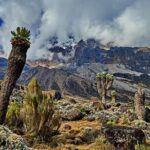
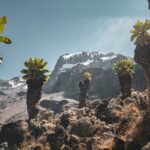
This part of the climb offers striking views and a chance to observe the changing landscape—exotic plants such as groundsel and giant lobelia are common. The camp at Kikelewa Cave has a stark, open feel, and temperatures can plummet at night, so packing warm gear is essential. One review mentions, “Be prepared for a cold night as temperatures drop below freezing at this exposed camp.” This is typical of high-altitude camping, but the scenery and sense of achievement more than compensate.
Day 3: High Altitude and Spectacular Views
Day three is shorter—about 3-4 hours—yet it’s a significant step up to Mawenzi Tarn Camp (4330m). The trail becomes steeper, and the landscape transforms into a moorland dotted with unusual plants.
What we liked here is the opportunity to begin acclimatizing, as well as the incredible panoramic vistas. The camp is a fantastic spot for sunset views, and hot dinner and washing water are provided, making this a cozy night despite the altitude.
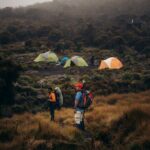
Day 4: Into the Alpine Desert
The journey continues with a 4-5 hour trek to Kibo Hut, located in the Saddle between Mawenzi and Kibo peaks. Terrain shifts to an arid, alpine desert—no water sources at this elevation, so hydration is key. The camp at Kibo is at 4700m, with no natural water, but supplies are available for purchase.
A highlight here is the briefing on summit night preparations. The early dinner at around 5 pm is a good idea since you’ll need a solid rest before the big push. Sleeping early, around 7 pm, is standard—an important detail for those planning their summit attempt.
Day 5: The Summit Push
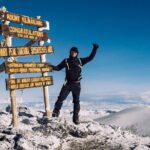
The real test begins around midnight, with your guide waking you for tea and biscuits. The climb to Uhuru Peak (5895m) is about 8 hours, with key milestones like Hans Meyer Cave (5150m) and Gillman’s Point (5681m). The trail is rocky and steep, often snow-covered near the top.
We love hearing that climbers find this part both exhilarating and exhausting. One reviewer dubbed the steep section on the crater rim an “impressive achievement,” which captures the emotional and physical intensity of reaching the summit. Spending limited time at the summit maximizes safety and energy—remember, altitude sickness can strike anyone.
Day 6: Descent and Celebration
After celebrating your success with singing and dancing at the mountain’s base, you descend for about 6 hours back to Marangu Gate. The park requires you to sign out and receive a certificate—green if you reach Gillman’s Point, gold if you summit Uhuru. Many find this a fitting reward after days of effort.
Following the climb, you’re driven back to Moshi, where you can relax, shower, and revel in your achievement. The reviews echo this sentiment: “Many thanks for choosing Kilisa. Our crew works incredibly hard to ensure an amazing experience,” says one.
Why This Tour Offers Good Value
While the total cost of $2,380 might seem high at first glance, it covers almost everything—park fees, camping gear, hot meals, professional guides, and emergency support. All logistical details are handled, removing guesswork and ensuring your focus remains on the climb. The inclusion of portable oxygen tanks and first-aid kits reassures safety-conscious travelers, while friendly guides are praised for their knowledge and support.
On top of that, the tour’s focus on smaller, less crowded routes offers a more authentic and solitary wilderness experience. You’re less likely to encounter large crowds and commercialized atmosphere, making each moment more personal and memorable.
Group Size and Logistics
The tour caps at 15 travelers, which is a reasonable number for a guided adventure. Smaller groups tend to foster camaraderie and make the experience more flexible, while the transportation logistics—from Moshi or Arusha to the mountain—are well-organized for comfort.
Accommodation and Meals
Two nights in Moshi help you prepare and recover before and after the climb. On the mountain, you’ll be camping in four-season tents with double-layered sleeping mats, ensuring some comfort amid the challenging environment. The fact that hot, nutritious meals are served three times daily contributes significantly to your energy reserves and morale.
Authentic Experience and Expert Guidance
From the reviews, it’s clear that trekkers value knowledgeable guides and attentive porters, who make a significant difference in the overall experience. As one reviewer noted, “Naick was fantastic with sorting out logistics,” highlighting the professionalism behind the scenes.
The varied habitats—from lush forest to alpine desert—offer a visual feast, and the slow ascent helps with acclimatization, increasing your chances of reaching the summit. The detailed briefings and preparation support climbers who are serious about safely conquering Kilimanjaro.
Who Will Love This Tour?
This Kilimanjaro climb is ideal for reasonably fit adventurers who want to avoid the busiest routes but still enjoy a structured, guided experience. It suits those who appreciate authentic, scenic wilderness, as well as travelers who value professional support and safety measures.
If you’re seeking a challenging but well-supported ascent with a focus on environmental diversity and fewer crowds, this tour checks all the boxes. Plus, if conquering Africa’s highest peak has been a bucket list goal, this climb offers a rewarding, manageable route with excellent logistical support.
Final Thoughts
Climbing Kilimanjaro via the Rongai route with Kilisa Tours & Safaris offers a balanced blend of adventure, comfort, and authentic scenery. The detailed itinerary, professional guides, and inclusive services make it a solid choice for explorers who want a safe, well-organized ascent. Expect to encounter diverse landscapes, experience genuine camaraderie, and enjoy the thrill of reaching the summit.
While the price is considerable, the comprehensive package ensures no surprises and a focus on the experience itself. Perfect for those eager to challenge themselves in one of Africa’s most iconic locations, this tour provides both a physical test and a chance to connect with nature on a profound level.
6 Days Rongai route climbing Mt.Kilimanjaro
FAQ
How long is each day’s hike?
Day 1 involves about 5 hours of walking, while subsequent days range from 3 to 7 hours depending on the terrain and altitude. The longest day is the final ascent to Uhuru Peak, roughly 8 hours.
What is included in the tour price?
The price covers transportation, park entry and camping fees, guides, porters, meals, drinking water, oxygen tanks, and basic camping gear. It also includes two nights in Moshi and all government taxes.
Are meals provided?
Yes, you’ll receive 3 hot meals daily on the mountain, along with hot water for washing. Breakfast, lunch, and dinner are included during the trek.
What about accommodation in Moshi?
Two nights of hotel or lodge accommodation in Moshi are included, giving you time to acclimate and relax before and after the climb.
Can I customize the start and end locations?
Yes, the tour begins in Moshi and ends back at the same point. Pickup from Kilimanjaro International Airport is offered.
What safety measures are in place?
The tour provides portable oxygen tanks, an emergency first-aid kit, and guides trained to handle high-altitude situations. The group size is limited for safety and support.
What is the difficulty level?
Participants should have a strong physical fitness level. The climb involves several days of sustained effort at high altitude, so preparation and stamina are key.
Who are the guides and porters?
Guides are knowledgeable and friendly, praised for their professionalism. Porters move swiftly to set up camp and carry supplies, ensuring your comfort and safety.
What if the weather is bad?
The tour is weather-dependent; in case of poor conditions, cancellations are possible. You might be offered a different date or a full refund if the climb can’t proceed.
Climbing Kilimanjaro remains one of Africa’s most rewarding challenges. With careful planning, realistic expectations, and a trusted company like Kilisa Tours, you’ll find this journey to be unforgettable—an Everest in miniature with spectacular views, diverse habitats, and a warm sense of accomplishment awaiting at the top.