If you’re dreaming of standing on the roof of Africa, a guided climb up Mount Kilimanjaro through the Machame Route offers a truly rewarding experience. Known as the “Whisky Route,” this trail is celebrated for its impressive landscapes and more adventurous spirit compared to the more straightforward Marangu path.
This review dives into what makes this trek special, its challenges, and why it might be the right fit for your next big climb.
We’re particularly fond of its spectacular scenery and the dedication of local guides, which help make a potentially daunting adventure accessible and enjoyable. The route’s tents-only accommodation underscores its rugged charm, appealing to those who want a closer-to-nature experience. However, it is a more physically demanding journey, so stamina and preparation are key considerations.
If you’re an adventurous traveler with a good level of fitness looking for a mix of stunning views and a real challenge, this trip could be perfect. It’s especially suited to those who prefer camping rather than huts and want a trip that combines scenery, culture, and a sense of achievement.
- Key Points
- The Adventure Begins: Planning Your Kilimanjaro Climb
- How to Reach Kilimanjaro: From Moshi to Machame Gate
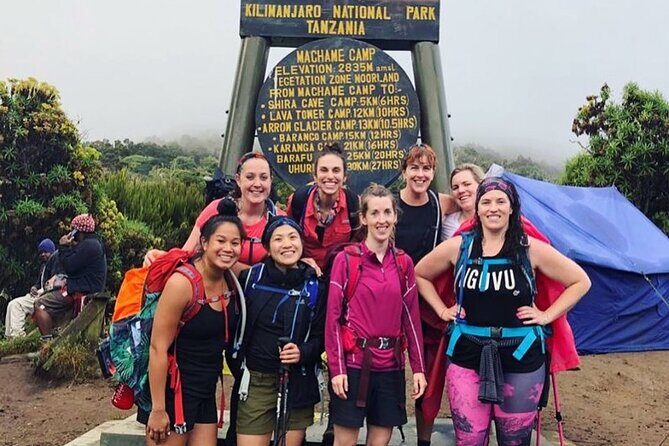
- The First Day: Rainforest and the Machame Camp
- Day Two: Into the Moorlands
- Day Three: Approaching Lava Tower and Barranco
- Day Four: The Barranco Wall and Karanga Valley
- Day Five: Ascending to Barafu Camp
- Day Six: The Summit Bid
- Day Seven: Descent and Celebration
- What Makes This Trek Stand Out
- Practical Considerations
- Authentic Experiences and Reviews
- The Sum Up
- FAQ
- The Best Of Moshi!
- More 7-Day Experiences in Moshi
- More Tour Reviews in Moshi
Key Points
- Challenging but rewarding: The Machame Route is more strenuous than some others but boasts higher summit success rates.
- Stunning scenery: Pass through rainforests, moorlands, and scree before reaching the summit, with dramatically changing landscapes.
- Expert guides and good value: Local guides are highly praised for their knowledge, adding safety and insights.
- Well-structured acclimatization: The itinerary includes strategic stops to help your body adjust, increasing the likelihood of reaching Uhuru Peak.
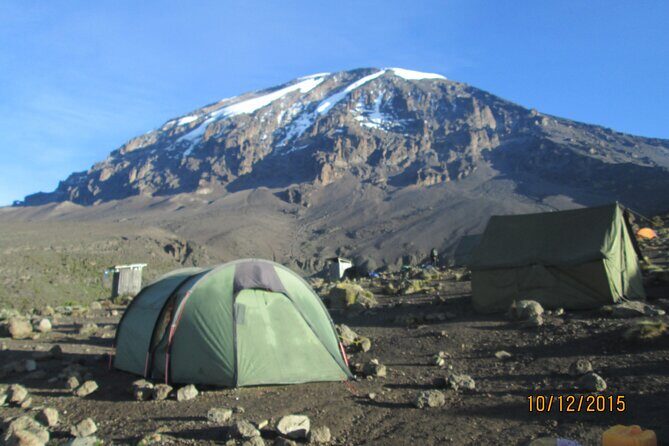
- Camping experience: The trek is tent-only, providing an authentic, closer-to-nature experience.
- Price point: At $3,000 per person, it offers a solid balance of value and quality, including all meals and park fees.
👉 See our pick of the Moshi’s 16 Top Tours & Things To Do
The Adventure Begins: Planning Your Kilimanjaro Climb
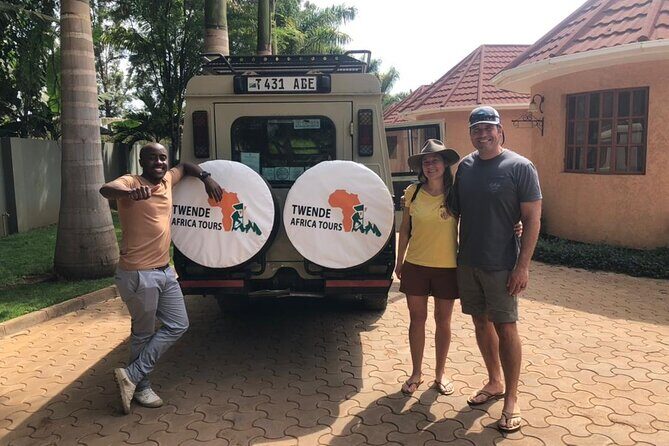
Our review of the Mount Kilimanjaro Climbing 7-day Machame Route offers insights into what you can expect from this well-established trek, operated by Twende Africa Tours. They’re a local company with a good reputation, and with a maximum group size of 15 travelers, you’ll get personalized attention without sacrificing camaraderie.
You can also read our reviews of more tours and experiences in Moshi
How to Reach Kilimanjaro: From Moshi to Machame Gate
The adventure kicks off with a 45-minute transfer from Moshi, passing through the village of Machame, known for its banana and coffee cultivation. This scenic drive sets the tone for the journey, giving you a glimpse of local life before the mountain’s grandeur takes over.
The First Day: Rainforest and the Machame Camp
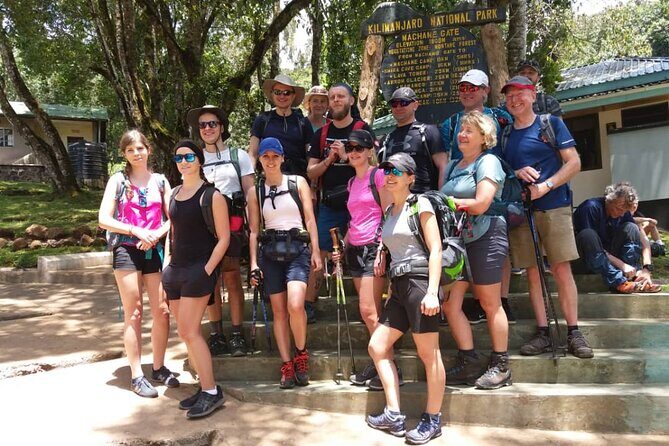
Your trek begins at the Mount Kilimanjaro National Park Gate, where you’ll pass through lush montane forests. Expect a 5 to 6-hour hike covering around 11 km, with muddy, slippery sections that make gaiters and trekking poles worthwhile.
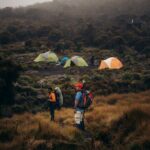
The trail winds up a ridge, offering a lush, almost enchanted forest environment. The day’s effort is rewarded with reaching the Machame Camp at 3,050 meters (about 6,000 ft). Here, you’ll feel a sense of accomplishment as you settle into your tent, surrounded by the sounds of the forest.
Day Two: Into the Moorlands
After breakfast, you’ll ascend on a steeper path crossing a valley and tackling a rocky ridge, moving into the moorland habitat. This section covers roughly 5 km over 4 to 5 hours, with a focus on acclimatization and enjoying sweeping views of the mountain.
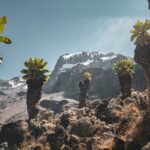
Reaching the Shira Campsite at 3,850 meters (around 12,600 ft), you’ll notice the landscape shifting to semi-desert, with fewer trees and more open vistas—an ideal place for your body to adjust to the increasing altitude.
Day Three: Approaching Lava Tower and Barranco
The third day is a highlight for many. You’ll traverse from the Shira Plateau eastward, passing the junction toward Kibo’s summit and heading towards the Lava Tower (called the Sharks Tooth at 4,650 meters). The day involves about 10 km of walking, with several iconic landmarks.
This day is crucial for acclimatization—by ending at the Barranco Camp at 4,000 meters, you set yourself up for success on the summit day. The route winds across semi-desert terrain, with a steep climb up the Barranco Wall as a challenging highlight.
Day Four: The Barranco Wall and Karanga Valley
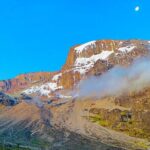
Starting with a steep ascent over the Barranco Wall, you’ll enjoy exhilarating views and a sense of accomplishment. After this climb, you’ll descend slightly into the Karanga Valley, arriving at the junction linking to the Mweka Trail.
This is a relatively short day—only about 5 km—but the physical effort of the wall climbing makes it a memorable part of the journey. The habitat here is alpine desert, and the terrain tests your endurance.
Day Five: Ascending to Barafu Camp
From Karanga Valley, you’ll trek up to Barafu Camp at 4,750 meters (around 15,580 ft). This day marks the beginning of your final push toward the summit. You’ll enjoy views of the mountain’s south circuit, and it’s your last chance to rest before the early start for the summit.
Expect a short 4 km walk, but with a significant elevation gain. The camp is in a stark, windswept part of the mountain, and you’ll want to rest well for the big night ahead.
Day Six: The Summit Bid
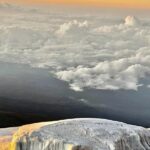
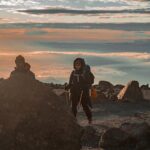
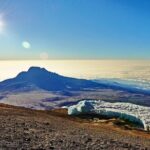
The most physically demanding day begins around midnight. You’ll ascend through scree and snow to reach Uhuru Peak, crossing glaciers and snowfields. The climb to Stella Point offers an unforgettable sunrise, a truly majestic moment when you look back at the path covered in darkness, now illuminated by dawn.
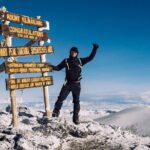
From Stella Point, the final hour’s climb is steep, but the view from the top—at 5,895 meters (19,341 ft)—is worth every step. Standing there, you’ll be on the highest point in Africa, a place few will forget. Expect a 13-hour day, with the descent starting immediately afterward.
Day Seven: Descent and Celebration
After a hearty breakfast, your descent takes you down the Mweka trail, passing through forests again as you make your way back to the park gate. Expect muddy conditions, so gaiters and trekking poles are again useful. Once at Mweka gate, you’ll receive your certification of reaching Uhuru Peak—a tangible reminder of your achievement.
Your guide will then drive you back to Moshi, concluding your Kilimanjaro adventure.
What Makes This Trek Stand Out
Expert guides: According to reviews, guides like Wilson are praised for their friendliness and knowledge, which adds safety and insight throughout the journey. Their local expertise helps travelers appreciate the flora, fauna, and cultural significance of the mountain.
Stunning scenery: From rainforests to alpine deserts, each day presents a different landscape. The route’s diversity makes it especially engaging, and many travelers mention the magnificent sunrise from Stella Point as a highlight.
Good value for money: At $3,000 for a comprehensive 7-day trek—including all meals, park fees, and government taxes—this trip offers great value. The focus on camping keeps the adventure immersive, with fewer costs related to huts or lodges.
Well-structured itinerary: The climb’s schedule balances exertion and acclimatization, which contributes to a high success rate—around 80% for reaching the summit, according to the tour provider.
Practical Considerations
While the trip provides a fantastic adventure, it’s not for everyone. The physical challenge is significant, demanding good fitness and mental resilience. The tent-only camping setup means you’ll need to be comfortable with outdoor sleeping conditions, including cold and possibly wet weather.
Transportation logistics are straightforward, with a short drive from Moshi to the park gate, and the group size is limited, fostering a more personal experience. The itinerary includes all meals, but travelers should prepare for basic camp cuisine and bring appropriate clothing for a variety of climates.
Authentic Experiences and Reviews
Travelers consistently praise the professional service and knowledgeable guides. One reviewer remarked, “From the first moment of contact, the service was extremely professional, with prompt replies and detailed answers,” which reflects the tour’s reliability.
Another noted, “Our guide Wilson and his team were just perfect. Always friendly and ready to help,” emphasizing the importance of good guides in making or breaking the experience.
Most agree that the views and sense of achievement are worth the effort. The challenging terrain, changing habitats, and spectacular sunrise at the summit combine to create a truly memorable adventure.
The Sum Up
Climbing Mount Kilimanjaro via the Machame Route is a serious undertaking, but one filled with breathtaking scenery, expert guidance, and a sense of accomplishment. It’s best suited for travelers who are comfortable with camping and seeking a more adventurous, authentic experience. Given its good value—covering all fees and meals—and the high success rate, it offers a solid option for those ready to take on Africa’s highest peak.
While the physical demands are significant, the journey’s rewards are extraordinary: diverse landscapes, camaraderie among trekkers, and the unforgettable moment of standing on the continent’s highest point. If you’re in good shape, love nature, and crave an authentic mountain adventure, this climb could be the highlight of your travels.
Mount Kilimanjaro Climbing 7 days Machame Route in Tanzania
FAQ
How long is the drive from Moshi to the Machame gate?
It takes about 45 minutes, passing through Machame village, giving you a scenic start to your adventure.
What kind of accommodation is used on this route?
All nights are spent camping in tents; no huts are available, which offers a closer-to-nature experience.
Are meals included?
Yes, all meals are provided during the trek, making it easier to focus on the climb without worrying about food.
What should I bring for this trip?
While not specified, good trekking gear, warm clothing, rain gear, gaiters, and trekking poles are recommended given the muddy trails and changing habitats.
What is the success rate of reaching the summit?
About 80% of hikers make it to Uhuru Peak, thanks to the route’s strategic acclimatization days.
Are guides experienced?
Yes, guides like Wilson are highly praised for their friendliness, knowledge, and safety focus, greatly enhancing the experience.
Is this suitable for beginners?
While physically demanding, with good fitness and preparation, motivated trekkers can succeed. It’s best for those comfortable with camping and high-altitude hiking.
What kind of scenery will I see?
Expect rainforests, moorlands, semi-desert, alpine deserts, and glaciers, all with stunning vistas and diverse flora and fauna.
How does the price compare to other options?
At $3,000, it’s a competitive price considering all included fees, meals, and guided support, offering great value for such a comprehensive experience.
What is the best time of year to do this climb?
While not explicitly mentioned, good weather conditions are essential, and most climbers prefer dry seasons, typically from June to October or January to March.
Exploring Kilimanjaro on the Machame Route offers more than just reaching Africa’s highest point; it’s an immersive journey through diverse landscapes, guided by passionate locals who make the climb both safe and memorable. Whether you’re seeking adventure, stunning scenery, or a real challenge, this trek can be a life-changing experience—so start planning and prepare to be inspired.