Climbing Mount Kilimanjaro is one of those bucket-list pursuits that promises both a physical challenge and a chance to witness stunning natural beauty. This review explores a well-rated 7-day expedition along the Machame Route, often called the Whiskey Route—famous for its scenic vistas, but also known for being tough and steep.
If you’re contemplating this adventure, here’s a detailed look at what you can expect, what makes this tour stand out, and some honest considerations to help you decide if it fits your travel style.
We’re particularly impressed by the expert guides, the variety of landscapes, and the delicious, hearty meals that seem to surprise many climbers. Our favorite aspect is how well-organized and thoughtful the itinerary is, especially considering the short timeline that demands good acclimatization.
However, the steep terrain and physical demands might be a challenge for some, so this route is best suited for those with some hiking experience or high-altitude trekking background.
If you’re fit, adventurous, and eager for a scenic yet demanding ascent—this tour could turn your Kilimanjaro dream into reality.
- Key Points
- The Itinerary in Detail: What You Can Expect on the Kilimanjaro Climb
- Day 1: Arrival and Forest Trek
- Day 2: Moving into the Highlands
- Day 3: Acclimatization and the Lava Tower
- Day 4: The Barranco Wall and Karanga Valley
- Day 5: Reaching the South Circuit
- Day 6: The Summit Night
- Day 7: Descent and Celebration
- What Makes This Tour Stand Out?
- The Scenic Appeal
- The Balance of Challenge and Preparation
- The Expertise and Support
- The Meals and Lodging
- The Price and Value
- Practical Considerations for Potential Climbers
- Who Is This Tour Best For?
- FAQs
- Final Thoughts
- The Best Of Moshi!
- More 7-Day Experiences in Moshi
- More Tour Reviews in Moshi
Key Points
 1 / 5
1 / 5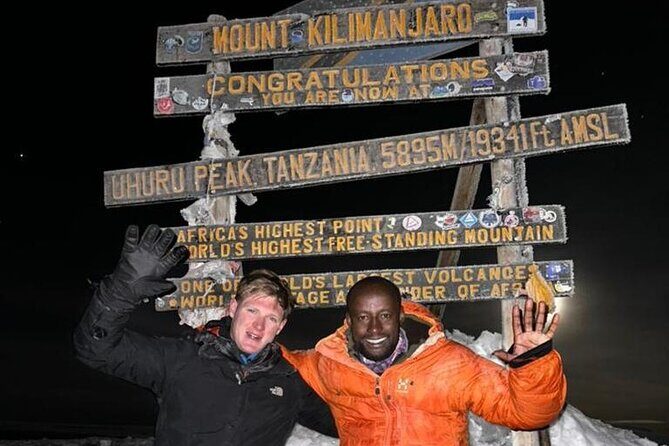 2 / 5
2 / 5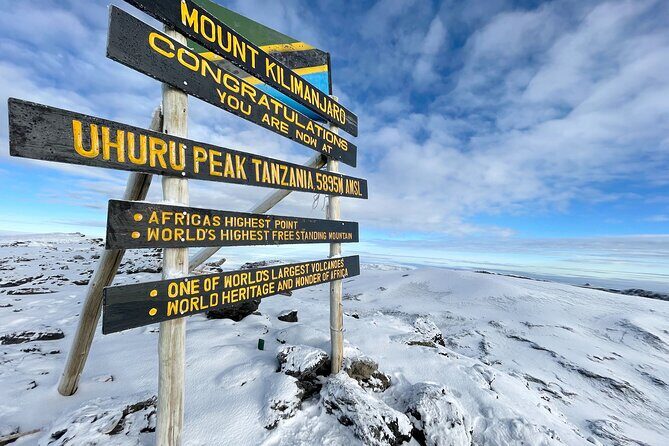 3 / 5
3 / 5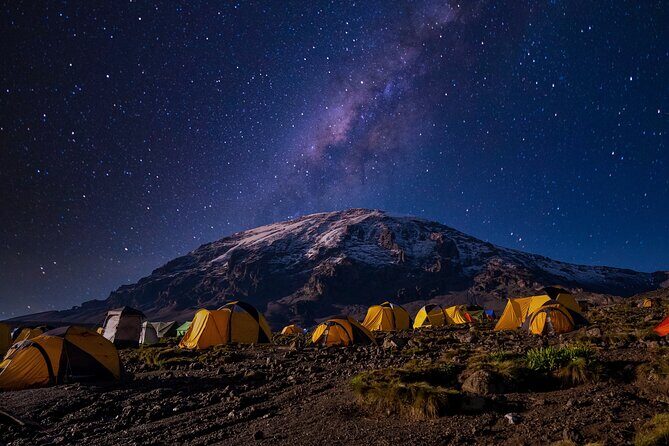 4 / 5
4 / 5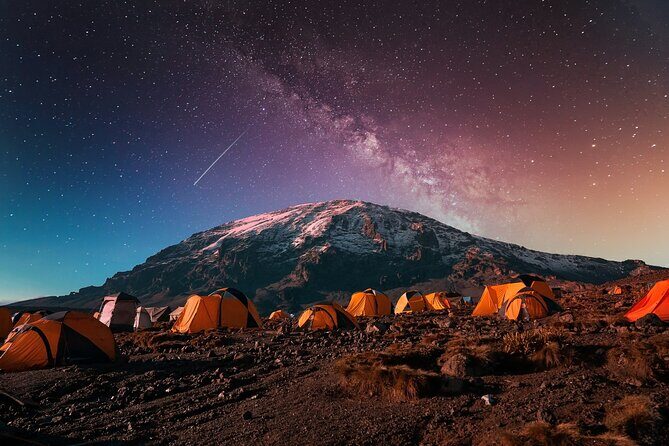 5 / 5
5 / 5- Challenging itinerary: The shorter duration means steep climbs and a focus on acclimatization.
- Scenic beauty: The Machame Route offers some of the most inspiring views on Kilimanjaro, especially from the Barranco Wall and Stella Point.
- Expert guides: Knowledgeable guides and crew enhance safety, motivation, and overall experience.
- Well-organized logistics: From park permits to meals, everything is planned to maximize your comfort and success.
- Inclusion of all fees and accommodation: No hidden costs, with comfortable lodging during the climb.
- Limited group size: The private tour setup ensures personalized attention.
👉 See our pick of the Moshi’s 16 Top Tours & Things To Do
The Itinerary in Detail: What You Can Expect on the Kilimanjaro Climb
You can also read our reviews of more tours and experiences in Moshi
Day 1: Arrival and Forest Trek
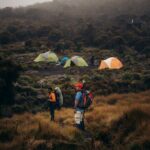
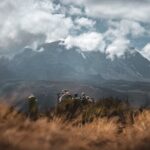
The adventure kicks off in Moshi with a short 45-minute drive through the village of Machame to the Kilimanjaro National Park Gate. Here, you’ll watch the bustling logistics of porters, guides, and crews preparing for the climb, which is quite a sight in itself. As you enter the rainforest, you’ll find the trail muddy and slippery—so gaiters and trekking poles are strongly recommended.
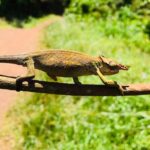
The initial walk is about six hours, giving you time to absorb lush greenery and listen to your guide’s insights about local flora, fauna, and wildlife. This day is about easing into the climb, with a gradual elevation gain that helps your body start adjusting while surrounded by the vibrant rainforest.
Day 2: Moving into the Highlands
After a hearty breakfast and a good night’s sleep, you’ll leave the rainforest behind as the terrain gradually opens up. The route now crosses a steep rocky ridge, offering sweeping views of the landscape. You’ll continue westward into a river gorge, culminating at the Shira campsite. Expect the temperature to begin dropping here, so pack accordingly.
This day’s 6-hour trek introduces more varied terrain—rocky, open, and high-altitude terrain—that starts to prepare your body for the more demanding days ahead. The scenery is striking, with views of Kilimanjaro’s southern slopes and the surrounding wilderness.
Day 3: Acclimatization and the Lava Tower
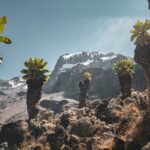
This day is crucial for your body’s adaptation. Though you technically end the day at roughly the same elevation as you started, you’ll be gaining valuable high-altitude experience. Leaving the Shira Plateau, you proceed east along a ridge, passing the junction toward the Kibo peak before heading southeast toward the Lava Tower (called Sharks Tooth). Here, at around 4,650 meters, you’ll get a good dose of elevation, which helps reduce the risk of altitude sickness later on.
After reaching Lava Tower, the group descends to Barranco Camp—a strategic move for acclimatization. Many climbers find this day vital for preparing their bodies for the summit push.
Day 4: The Barranco Wall and Karanga Valley
The highlight today is the famous Barranco Wall—an exhilarating, steep ascent that showcases the strength and agility of your support crew, who will zip over it with apparent ease. The wall is both a physical challenge and a visual spectacle, offering fantastic photo opportunities.
From there, you’ll trek toward Karanga Valley, where the terrain becomes more rugged. The day involves about five hours of walking, but the reward is a sense of accomplishment and closer proximity to the summit terrain.

Day 5: Reaching the South Circuit
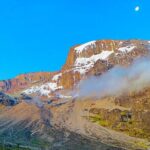
You’ll continue climbing toward Barafu Camp, where you’ll have a chance to rest and take in the views of the summit from multiple angles—an ideal spot for photos and mental preparation. This day marks the completion of the South Circuit, which offers panoramic vistas, making it one of the most breathtaking segments of the route.
Day 6: The Summit Night
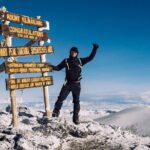
This is the most demanding part of the climb—an early start between midnight and 2 a.m. You’ll walk in the dark, battling cold and fatigue, heading towards Stella Point and then Uhuru Peak. The switchbacks in heavy scree terrain test your endurance, but the prize is the magnificent sunrise over Africa’s tallest free-standing mountain.
Expect about 7 hours of hiking, with many climbers describing this as both physically taxing and profoundly rewarding. It’s a true mental and physical test, but the guides’ professionalism and your preparation will be key to reaching the summit.
Day 7: Descent and Celebration
After a breakfast and a heartfelt celebration with your crew, you’ll begin the descent back to the Mweka Gate. The terrain here is wet, muddy, and steep—so gaiters and trekking poles are still important. Once at the gate, you’ll receive your summit certificates. From there, a short drive back to Moshi concludes your journey—tired but triumphant.
What Makes This Tour Stand Out?
The Scenic Appeal
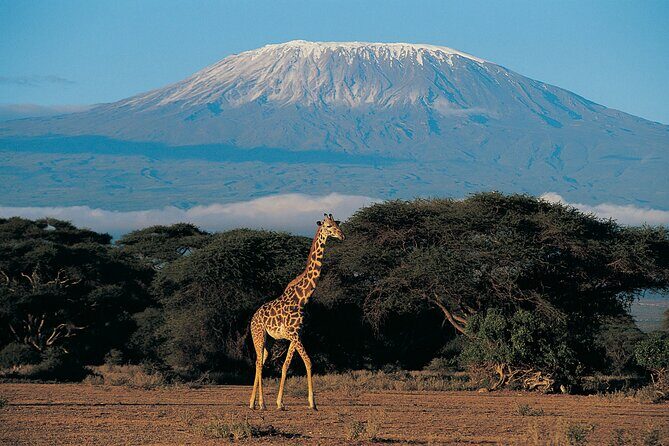
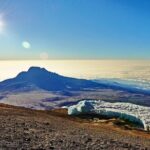
The Machame Route is famed for its spectacular views. As you ascend, you’ll pass through rainforests, high-altitude scree slopes, and dramatic ridges, with vistas that change dramatically each day. Many climbers note that the route offers some of the best scenery on Kilimanjaro, especially from the Barranco Wall and Stella Point.
The Balance of Challenge and Preparation
While the route is considered hard and steep, the itinerary is carefully designed to include acclimatization days and strategic descents. This helps mitigate altitude sickness and fatigue, which are common pitfalls on shorter climbs.
The Expertise and Support
Reviews highlight that the guides and crew are highly knowledgeable, attentive, and motivating. One reviewer from India expressed their gratitude, saying, “The hospitality was very good, food, service etc.” It’s clear that the team’s professionalism makes a huge difference—helping even nervous climbers feel confident.
The Meals and Lodging
Although not extensively detailed in reviews, the tour includes all meals during the trek, which are typically hearty and filling—crucial for fuel at high altitude. The accommodation during the climb is included, ensuring comfort after long days.
The Price and Value
At $2,200 per person, this tour offers comprehensive inclusions—all fees, guides, permits, and meals—making it a relatively good value considering the logistic complexity of climbing Kilimanjaro. The private tour aspect means personalized attention, which many travelers find reassuring.
Practical Considerations for Potential Climbers
Physical Fitness: The tour recommends a moderate physical fitness level. Climbing Kilimanjaro is not a walk in the park, especially with the steep sections and altitude. Preparation beforehand with cardio and hiking will definitely improve your chances.
Gear Requirements: While personal gear isn’t included, the tour strongly suggests bringing gaiters and trekking poles—especially for the muddy rainforest and steep descents.
Timing and Duration: The 7-day schedule strikes a good balance — not too rushed and allowing for proper acclimatization, but still shorter than some longer routes. It’s a good option if you want a relatively quick but scenic climb.
Who Is This Tour Best For?
This climb is ideal for adventurous travelers with some hiking experience or those comfortable with physical challenges. It’s perfect if you are looking for a scenic route with the reward of spectacular views and are willing to endure some steep terrain and altitude. The private setup is excellent for couples, families, or groups wanting personalized attention, while the inclusive logistics alleviate many stress points.
Those seeking a well-organized, supportive team and hearty meals will appreciate the professionalism of Kentau Safaris. But keep in mind, this isn’t the best choice if you’re new to high-altitude trekking or prefer a more leisurely pace—this route demands determination, good health, and a sense of adventure.
FAQs
Is this tour suitable for beginners?
This tour is better suited for travelers with some hiking or backpacking experience due to its steep, challenging terrain and shorter itinerary. It requires a moderate level of physical fitness.
What is included in the price?
All fees and taxes, accommodation during the hike, breakfast, dinner, and lunch are included. Personal gear, visas, flights, travel insurance, and tips are not included.
How difficult is the climb?
The Machame Route is considered hard and steep, especially with its shorter schedule. It demands good physical condition and altitude acclimatization, but well-prepared climbers with guides can succeed.
What should I bring?
Personal gear isn’t specified, but gaiters and trekking poles are recommended. Expect muddy and steep terrain, so prepare accordingly.
Are meals provided?
Yes, you’ll enjoy hearty meals—breakfast, lunch, and dinner—during the trek, which many reviewers praised for their quality.
How long does each day typically take?
Most days involve about 5 to 6 hours of walking, with the summit day being the longest and most strenuous, around 7 hours.
What makes the Machame Route special?
Its diverse scenery, including rainforests, ridges, and the Barranco Wall, offers some of the most memorable views on Kilimanjaro.
Is the tour private?
Yes, this is a private tour, meaning only your group will participate, allowing for personalized pacing and attention.
What’s the typical weather like?
Expect cooler temperatures at higher elevations, especially early in the mornings and at night. The lower rainforest sections are warmer and more humid.
7 Days Mount Kilimanjaro Climbing via Machame Route
Final Thoughts
This 7-day Kilimanjaro climb via the Machame Route offers a well-rounded, scenic, and challenging experience for those ready to take on Africa’s tallest mountain. The expert guides, carefully crafted itinerary, and stunning vistas make it a compelling option for adventurous travelers with some trekking background.
While demanding, the route’s natural beauty and the sense of achievement upon reaching the summit are well worth the effort. The inclusions and professionalism of Kentau Safaris help justify the cost, providing a smooth, supported climb that maximizes your chances of success. If you’re seeking a shorter yet scenic ascent with a focus on acclimatization and comfort, this tour should definitely be on your shortlist.
In the end, Kilimanjaro is a mountain that tests your resolve, rewards your persistence with breathtaking views, and offers stories that last a lifetime. This tour is designed to help you write that story—well-supported, thoughtfully organized, and filled with moments of awe.