Exploring the 5 Days Kilimanjaro Climb via the Marangu Route: An Honest Look
If you’re considering climbing Mount Kilimanjaro, the Marangu route often tops the list thanks to its reputation as the “Coca-Cola route.” It’s the most established path and touted as the easiest due to its gradual slope. This 5-day trek offers a unique combination of comfortable dormitory-style huts and incredible scenery, making it a favorite among first-timers and those who want a reliable, well-supported adventure.
We’re impressed by the way this tour combines accessibility with authentic mountain challenges, especially with guides who seem to genuinely care about your safety and experience. Plus, the inclusion of two nights of hotel accommodation in Moshi helps ease into the adventure, giving you a chance to relax and prepare.
One thing to keep in mind is that, despite the easier grade, the altitude can still take a toll, so good physical fitness and mental preparation are essential. This tour is best suited for travelers looking for a structured, supported climb with comfortable sleeping arrangements, and who want the iconic views and sense of achievement without the technical difficulty of some other routes.
Key Points
- Comfortable accommodation at huts with bunk beds and communal dining halls
- Excellent guides and support staff with a reputation for great service
- Stunning scenery, including rainforests, moorlands, and the summit views
- Includes hotel stay in Moshi for a relaxed start and finish
- Fairly priced for the experience and support offered
- Suitable for beginners and those seeking a more laid-back Kilimanjaro experience
👉 See our pick of the Moshi’s 16 Top Tours & Things To Do
- Key Points
- An In-Depth Look at the 5 Days Kilimanjaro Climb on the Marangu Route
- Overview of the Tour
- Starting Point and First Day: From Rainforest to Mandara Hut
- Day Two: Into the Heathland and Beyond
- Day Three: Approaching the Saddle and Final Vegetation
- Day Four: The Summit Push
- Day Five: Descending to the Park Gate
- Why This Tour Delivers Real Value
- Authentic Experience and Support
- The Importance of Guides and Scenery
- Practical Considerations and Tips
- Final Thoughts: Is This Climb Right for You?
- FAQ
- The Best Of Moshi!
- More 5-Day Experiences in Moshi
- More Tour Reviews in Moshi
An In-Depth Look at the 5 Days Kilimanjaro Climb on the Marangu Route
You can also read our reviews of more tours and experiences in Moshi
Overview of the Tour
This 5-day Kilimanjaro climb via the Marangu route offers a well-paced ascent, ideal for travelers new to high-altitude trekking or those wanting a more straightforward route. Priced at $2,500 per person, the tour provides a good balance of value—covering transport, guides, entry fees, and all meals—making it a convenient package. The tour also includes two nights of hotel accommodation in Moshi, giving you time to acclimate and unwind before and after your climb.
Starting Point and First Day: From Rainforest to Mandara Hut
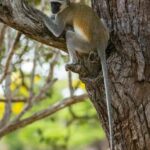
Your adventure begins with a morning pickup in Moshi, followed by a drive to the Kilimanjaro National Park Marangu Gate—roughly an hour from town. Once registered, you’ll start your trek into the lush Montane Forest, walking past towering Eucalyptus trees and spotting Colobus monkeys and various bird species. The walk is around 8 km, taking roughly 3-4 hours, and ends at Mandara Hut.
The rainforest is a vibrant, alive environment that sets a relaxing tone for the climb. A notable highlight is the optional side trip to Maundi Crater, which offers panoramic views of Northern Tanzania and Kenya. This first day is designed to ease you into the mountain’s environment, with a relatively gentle start that’s manageable for most fitness levels.
Day Two: Into the Heathland and Beyond
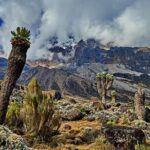
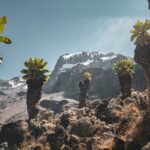
The second day is where the landscape begins to change. Leaving behind the rainforest, you’ll trek across open moorlands with breathtaking vistas of Mawenzi and Kibo. The terrain becomes more open, and you’ll notice the vegetation thinning out, with giant lobelias becoming common sights.
Expect to walk around 12 km in about 5-6 hours, climbing from 2,700m to 3,700m. The heathland habitat is less lush but offers expansive views, and the sense of altitude begins to be felt more acutely. The atmosphere of this day is one of transition; as you ascend, the air thins, and you’ll notice your breathing might become a little labored—a reminder that altitude acclimatization is key.
Day Three: Approaching the Saddle and Final Vegetation
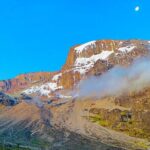
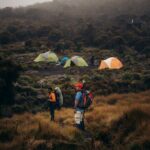
On day three, trekkers cross the last watering point before heading onto the saddle between Kibo and Mawenzi peaks. The landscape transforms into a moonscape, with rocks and sparse vegetation giving way to an alpine desert.
The hike covers about 9 km in roughly 5-6 hours, climbing from 3,700m to 4,700m. This is the last day before the summit attempt, so you’ll want to conserve energy for the early start the following night. The scenery is stark but fascinating, with the dramatic peaks of Kilimanjaro dominating the horizon. The guides often share insights about the mountain’s geology and the unique flora you encounter.
Day Four: The Summit Push
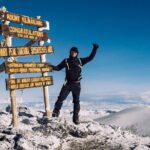
This is the most demanding part of the trek—an early start around midnight or 1 am to reach Gilmans Point and then Uhuru Peak, the highest point in Africa. Expect a strenuous climb over steep scree or snow, often in freezing conditions, with the aid of headlamps.
The ascent takes about 6 hours, and the views at the summit are truly unforgettable, with breathtaking vistas and a sense of accomplishment. The guides are praised for their professionalism and support, often helping trekkers keep their spirits high during the toughest patches.
After capturing those iconic photos, you’ll begin your descent, stopping for lunch at Kibo Hut before heading down to the Horombo Hut. The descent is faster but still requires caution, especially on muddy sections at lower elevations.
Day Five: Descending to the Park Gate
The final day involves a steady downhill walk through lush forest to the park gate at Marangu. Covering 20 km in 4-5 hours, you’ll pass through rainforests that become muddy and slippery at lower altitudes—gaiters and trekking poles are recommended. Once at the gate, a vehicle will be waiting to drive you back to Moshi, completing your adventure.
Why This Tour Delivers Real Value
What sets this climb apart is its combination of support, comfort, and authenticity. The sleeping huts mean you won’t need to carry a tent or sleep on the ground, which is a major plus for many travelers. The guides are well-trained and praised for their support, especially during the summit push, where encouragement can make all the difference. The inclusion of all meals, park fees, and bottled water helps you focus on the experience rather than logistics.
The price of $2,500 is quite competitive given what’s included, especially considering the hotel nights in Moshi—a restful way to start and end your trip. This package is particularly good for those who prefer a guided, supported trek with a familiar structure, rather than trying to arrange everything independently.
Authentic Experience and Support
One reviewer noted, “The Twende crew was amazing. Peter provided support before, during, and after the expedition,” highlighting the importance of dedicated guides and staff. Knowing you’re in capable hands can significantly enhance your confidence and safety on Kilimanjaro.
The Importance of Guides and Scenery
The guides aren’t just there for logistics—they enrich the experience with local knowledge and mountain lore, making the journey more meaningful. Travelers consistently praise the stunning views, particularly from the higher elevations, which showcase Kilimanjaro’s grandeur and variety of landscapes.
Practical Considerations and Tips
- Altitude: While the route is considered the easiest, altitude sickness can still affect climbers. Proper acclimatization days and hydration are essential.
- Physical Fitness: A good level of fitness will improve your experience, but the manageable daily distances mean it’s accessible to most reasonably fit travelers.
- Clothing: Pack layers—light clothing for lower elevations, warm gear for the summit night, and rain protection.
- Gear: Bring trekking poles, gaiters, and a headlamp. Sleeping bags are still required, as the huts supply mattresses but not bedding.
- Timing: The tour starts at 9 am, giving you time to prepare in Moshi and enjoy the morning before heading to the mountain.
Final Thoughts: Is This Climb Right for You?
This Kilimanjaro route is ideal if you’re seeking a classic, well-supported climb with the comfort of huts and a proven support team. The stunning landscapes and guided expertise make it perfect for first-timers or travelers who prefer a more structured experience. While the ascent isn’t technically difficult, the high altitude demands respect and preparation.
If you’re after a life-changing adventure that combines natural beauty, cultural richness, and the thrill of conquering Africa’s tallest peak, this tour offers genuine value. The guides’ support, the scenic variety, and the comfortable huts make it a popular choice for those who want to tick Kilimanjaro off their bucket list without the complications of more technical routes.
For those willing to invest in a guided experience that balances comfort and challenge, this 5-day Kilimanjaro climb will leave you with incredible memories and a true sense of achievement.
5 Days Kilimanjaro Climb Marangu Route
FAQ
What is included in the tour price?
All transportation, meals, guide services, park entry fees, government taxes, bottled water, and two nights of hotel accommodation in Moshi are included.
What is not included?
Flights, visas, insurance, tips for guides, and personal expenses are not included.
How physically demanding is the climb?
While the route is considered the easiest, altitude can be challenging. A good fitness level helps, but most reasonably fit people can manage it with proper preparation.
Do I need to bring my own sleeping bag?
Yes, sleeping bags are required as the huts supply mattresses but not bedding.
What’s the best time of year to climb Kilimanjaro?
The tour info doesn’t specify, but typically, the dry seasons (June to October and December to February) are preferred for clearer weather.
How long does each day of trekking take?
The days vary from 3 to 6 hours of hiking, depending on the stage, with summit night being the most intense.
Are guides experienced?
Yes, reviews praise the guides’ professionalism and support, especially during the summit push.
What kind of scenery will I see?
Expect lush rainforests, open moorlands, stark alpine desert, and panoramic summit views.
Is this tour suitable for beginners?
Yes, the relatively gentle slopes and support make it suitable for those with decent fitness and a positive attitude.
How do I cancel if needed?
You can cancel up to 24 hours in advance for a full refund; cancellations less than 24 hours beforehand are non-refundable.
In all, this Kilimanjaro climb via the Marangu route offers a balanced mix of support, scenery, and comfort, making it a solid choice for anyone eager to reach Africa’s rooftop without the added technicalities.