Introduction:
Climbing Mount Kilimanjaro via the Marangu Route is often called the “Coca-Cola” route — not because it’s fizzy but because it’s considered the easiest way up Africa’s highest peak. We haven’t personally scaled Kilimanjaro, but based on detailed reviews and tour summaries, this is an experience that combines accessibility with authentic adventure.
It’s a popular choice for first-timers and those with limited time, offering a straightforward ascent with the comfort of dormitory-style huts.
What we love about this tour? First, the fact that it provides shared sleeping huts in cozy dormitories, meaning no camping gear is needed. Second, the professional guides and crew seem to make a significant difference, offering support and encouragement throughout the climb.
On the flip side, a potential drawback is that the shorter duration makes acclimatization trickier, which can increase the risk of altitude sickness. Still, for those who want a structured, well-organized climb without the fuss of camping, this tour fits like a glove.
It’s best suited for travelers looking for reliable support, impressive scenery, and a manageable challenge in six days.
- Key Points
- Walking Through the Kilimanjaro Experience
- Getting Started at Kilimanjaro National Park
- The Itinerary Breakdown
- What’s Included & What’s Not
- Authentic Experiences and Traveler Insights
- The Climb’s Challenges
- Price and Value
- Who Is This Tour Perfect For?
- The Sum Up
- FAQ
- The Best Of Moshi!
- More 5-Day Experiences in Moshi
- More Tour Reviews in Moshi
Key Points
- Accessible route: The Marangu route’s gradual slope makes climbing easier, especially for newcomers.
- Comfortable accommodation: Dormitory-style huts with mattresses and pillows mean no tents.
- Professional support: Guides, cooks, and porters are praised for their expertise and friendly attitude.
- Scenic, if less dramatic: Views are stunning, but the route is less scenic because ascent and descent follow the same path.
- Good value: At $1,560 per person, the comprehensive package offers a lot, including all meals and park fees.
- Challenging acclimatization: The short duration might make it harder to adjust to higher altitudes, increasing some risks.
👉 See our pick of the Moshi’s 16 Top Tours & Things To Do
Walking Through the Kilimanjaro Experience
 1 / 4
1 / 4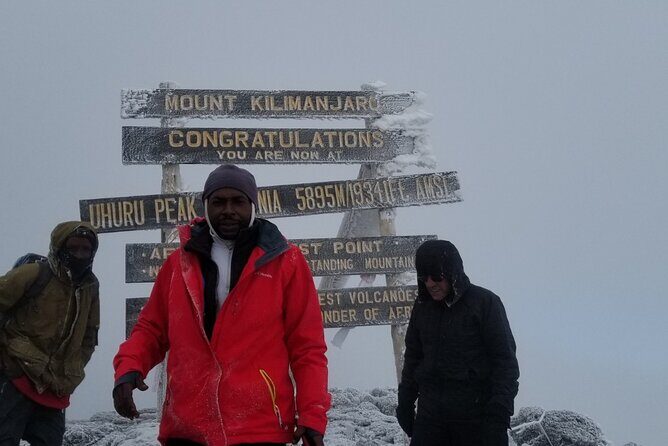 2 / 4
2 / 4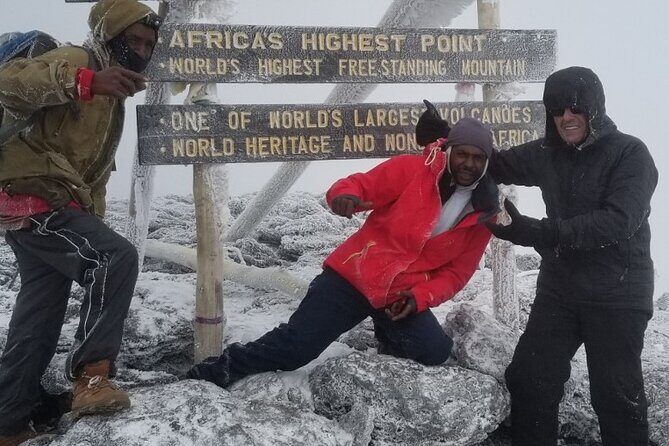 3 / 4
3 / 4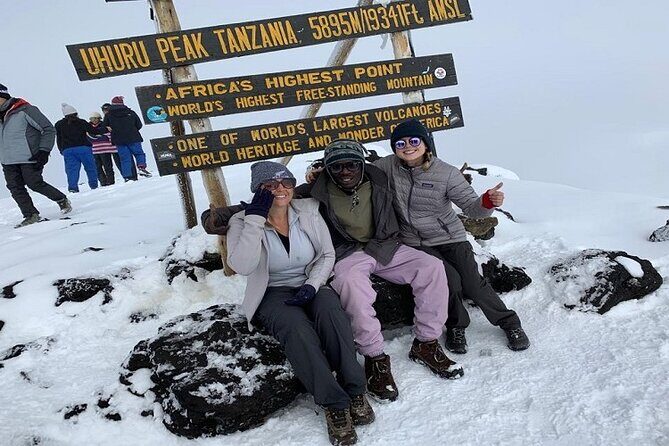 4 / 4
4 / 4You can also read our reviews of more tours and experiences in Moshi
Getting Started at Kilimanjaro National Park
Your adventure kicks off from the park’s entrance, where the excitement builds. The entire trip is around six days, but the climb itself takes five days. You’ll be greeted by a friendly team of guides, cooks, and porters, all dedicated to making this ascent safe and memorable.
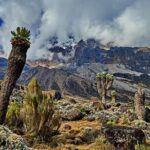
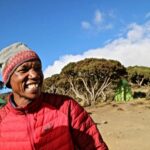
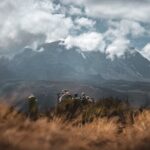
The journey begins with a sense of anticipation. You’ll notice the lush vegetation giving way to more sparse, alpine landscapes as you ascend. The guides are often cited for their knowledge and professionalism, which help keep morale high even when the altitude starts to bite. As one reviewer put it, “The professionalism and warmth of the tour company dispel any worries.”
The Itinerary Breakdown
Day 1: Kilimanjaro National Park
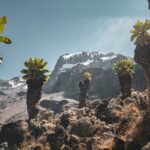
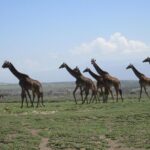
Expect a fairly relaxed start, with a day spent acclimating and enjoying the lush scenery. The team will set up camp at a comfortable altitude to prepare for the days to come. You’ll begin to see the changing landscape, with natural vegetation, waterfalls, and possibly some local wildlife and birdlife.
Days 2-4: Ascent and acclimatization
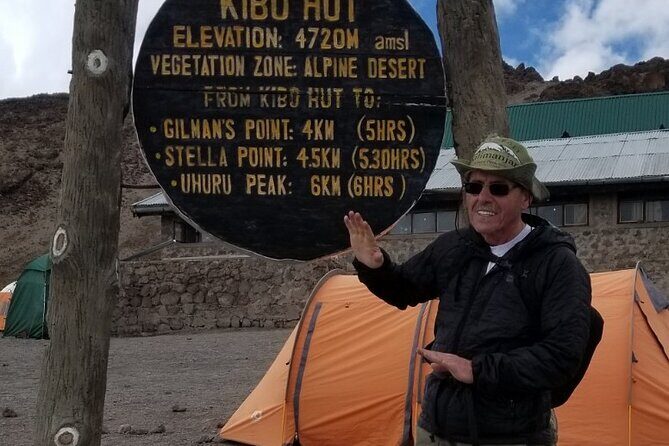
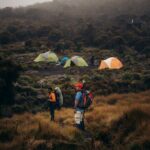
The route takes you along well-trodden paths, stopping at various points to rest and enjoy the views. You’ll stay in huts, which are basic but cozy — with mattresses and pillows supplied, but you’ll need your own sleeping bag. The communal dining halls are lively, with hearty meals prepared by your cook, keeping you energized for the climb ahead.
Reviewers highlight the guides’ expertise here, often noting that their support makes a significant difference. You might find yourself marveling at the natural waterfalls and unique vegetation as you climb. The route’s gradual incline is designed to help with acclimatization, but the compressed schedule still makes you aware of the altitude.
Day 5: Summit Day
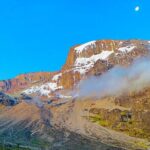
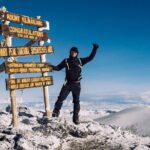
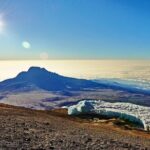
This is the moment everyone’s been waiting for. The early start means you’ll be walking in the dark with headlamps, steadily making your way toward Uhuru Peak. The climb involves a mix of snow, rocky terrain, and panoramic views. Reaching the summit is an emotional triumph — as one reviewer said, “Experiencing the snow and the breathtaking views from the roof of Africa is unforgettable.”
Expect to spend some time at the summit, taking in the spectacular vistas and celebrating your achievement. Descending is along the same route, which some find less scenic, but the sensation of standing on the “Roof of Africa” makes up for it.
What’s Included & What’s Not
Included:
– All park fees, guide, porters, cook, and crew wages
– Drinking water
– All meals (breakfast, lunch, dinner)
– Transfers and taxes
Not included:
– Flights
– Tipping the crew
– Visa fees
This all-inclusive nature adds excellent value, simplifying planning and budgeting.
Authentic Experiences and Traveler Insights
Multiple reviews speak highly of the professionalism of Rede Tours and Safaris. One reviewer praised their outstanding support and guidance, while another called them “the best Kilimanjaro operator in Tanzania.” The consistency in positive feedback—especially about guides and chefs—further suggests that this tour provides a reliable, friendly environment.
Travelers also appreciate the well-organized logistics. Pickup at Kilimanjaro Airport is included, and many mention how smooth the entire process is from start to finish. The shared group experience fosters camaraderie, but there are options for private climbs if you prefer.
While the route is less scenic than others like Lemosho or Machame (since the ascent and descent follow the same line), the views from the summit make up for it. Several reviewers describe the “magical” and “challenging” nature of the climb, emphasizing the stunning sunrise and snow-covered summit as the highlights.
The Climb’s Challenges
Despite its reputation as the easiest route, altitude sickness remains a potential concern. The shorter timeframe means less time for your body to acclimate, which some reviewers found challenging. However, their guides’ expertise often helps mitigate this, and plenty of past climbers still reached the summit with smiles.
Price and Value
At $1,560 per person, this tour offers very good value considering everything included: park fees, guides, meals, and equipment. For a six-day adventure in the mountains, most travelers find this to be a reasonable investment for an experience that’s both safe and rewarding.
Many reviewers have praised the quality of guides and support staff, noting that professionalism and local knowledge significantly enhance the trip’s enjoyment. The comfort of dormitory-style huts also reduces the hassle and gear needed, making this an attractive option for those not interested in camping.
Who Is This Tour Perfect For?
If you’re a first-time climber or someone on a tight schedule, this route provides a structured, supported experience. It’s ideal for travelers who prefer a hassle-free ascent with well-organized logistics and friendly guides. Those seeking a less strenuous journey with comfortable sleeping arrangements and a sense of camaraderie will find this especially appealing.
The Sum Up
Climbing Kilimanjaro via the Marangu Route with Rede Tours and Safaris offers a trustworthy, well-supported experience that balances comfort with adventure. While it might not be the most scenic route, its professional guides, cozy huts, and manageable challenge make it perfect for those new to high-altitude trekking or limited on time. The consistently positive reviews highlight a team committed to safety, comfort, and authentic hospitality.
If you’re after an organized, hassle-free climb that still provides the thrill of reaching Africa’s highest point, this tour delivers. It’s a solid choice for travelers who want good value, a friendly atmosphere, and the chance to celebrate on top of Kilimanjaro’s snowy summit.
Best 5 Days Marangu Route Climbing on Kilimanjaro
FAQ
What is included in the tour price?
The fee covers guide services, park fees, taxes, gate transfer, wages for the crew, environment fees, drinking water, and all meals during the climb.
Are sleeping bags necessary?
Yes, while mattresses and pillows are provided in the huts, you will need to bring your own sleeping bag for comfort and warmth.
What’s the maximum group size?
The tour accommodates up to 100 travelers, but most trips are organized in smaller, manageable groups for a better experience.
How long does the entire trip take?
The whole experience lasts approximately six days, with five days dedicated to the actual climb to Uhuru Peak.
Is this route suitable for beginners?
Yes, it’s considered the easiest route due to its gradual slope, making it popular among first-timers and those with limited high-altitude experience.
What are the main challenges of this route?
The shorter duration can make acclimatization tougher, increasing the possibility of altitude sickness, but experienced guides help manage this risk.
What is the starting point of the tour?
The tour begins at Kilimanjaro Airport with pickup included, and the ascent concludes back at the same point.
Can I choose a private or group climb?
Yes, the tour offers options for both private and group climbs, allowing flexibility based on your preference.
What should I pack?
Apart from your personal clothing, bring your own sleeping bag, and be prepared for cold temperatures at higher altitudes.
Is tipping expected?
While not included, tipping the guides and crew is customary and appreciated for their service.
In general, this Kilimanjaro climb is a practical, supportive, and rewarding option for those seeking a manageable ascent with memorable views and expert guidance.