Climbing Kilimanjaro – Marangu Route: A Practical Guide for Aspiring Summiteers
When hearing about climbing Mount Kilimanjaro, most people imagine a tough, technical ascent filled with snow and glaciers. The Marangu Route, however, offers a more approachable way to reach Africa’s highest point—especially if you’re not a seasoned mountaineer but still crave an adventure. This 5-day guided trek promises a manageable yet rewarding journey, with all the essentials taken care of, from park fees to meals.
Two features we really appreciate are the all-inclusive package offering accommodations, meals, and park fees, and the dedicated guides and support crew—these make the experience smooth and more enjoyable. On the flip side, since facilities are quite basic, you’ll need to be prepared for minimal comfort along the way.
This trip suits those who want to challenge themselves without the technical complexity of more advanced routes. If you’re physically fit, love nature, and are ready for a once-in-a-lifetime challenge with a great support team, this might be the perfect fit.
This experience made our article of Moshi’s 16 Top Tours & Things To Do.
- Key Points
- An In-Depth Look at the Kilimanjaro Marangu Experience
- Starting Point and First Day: From Moshi to the Rainforest
- Day Two: Into Heathland and Moorlands
- Day Three: Approaching the Kibo Plateau
- Day Four: The Summit Push
- Day Five: Descent and Celebration
- The Experience and Value: What You’re Really Paying For
- What Could Be Better?
- Who Will Love This Tour?
- Final Thoughts: Is This the Kilimanjaro Experience for You?
- FAQs
- Final Words
- The Best Of Moshi!
- More Tour Reviews in Moshi
Key Points
- Accessible for less experienced hikers: The Marangu Route is known for being the easiest and shortest route to the summit.
- All-inclusive value: The price covers accommodations, meals, park fees, and support, making logistics straightforward.
- Guided support: Knowledgeable guides and a dedicated team help ensure safety and comfort.
- Beautiful scenery: From rainforests to alpine moorlands, the route showcases diverse landscapes.
- Important for acclimatization: The itinerary includes a rest day for better altitude adjustment.
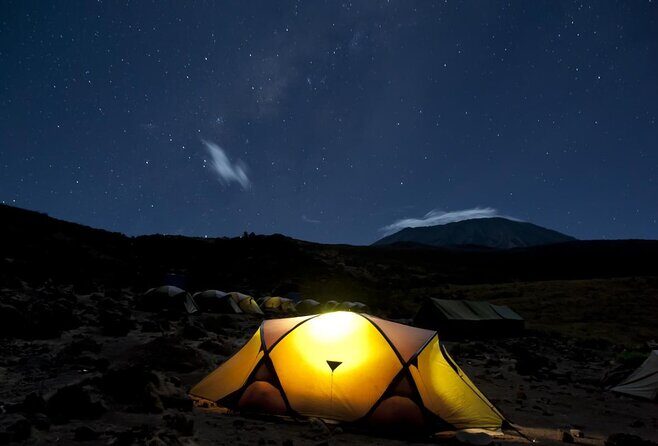
- Basic amenities: Expect simple huts and limited facilities, so pack accordingly.

👉 See our pick of the Moshi’s 16 Top Tours & Things To Do
An In-Depth Look at the Kilimanjaro Marangu Experience
Climbing Kilimanjaro via the Marangu Route offers a uniquely friendly approach to Africa’s highest peak. It’s often called the “Coca-Cola” route because it’s the most popular, and for good reason—it’s the shortest route with a relatively gentle ascent, making it ideal for those new to high-altitude trekking or with limited time.
You can also read our reviews of more tours and experiences in Moshi.

Starting Point and First Day: From Moshi to the Rainforest
Your journey kicks off early in the morning, leaving Moshi around 9 AM, with a short drive to the Marangu Gate. The first steps are through lush rainforest—tall Eucalyptus trees, the sound of bird calls, and perhaps the chatter of Colobus monkeys will accompany your initial hike. It’s a gentle start, but don’t forget gaiters and trekking poles. The terrain can be muddy and wet, especially at this elevation.
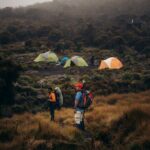
Reaching Mandara Huts by mid-afternoon, you’ll unpack, rest, and enjoy your first warm meal on the mountain. Many reviews highlight the friendly service and the opportunity for a short side trip to Maundi Crater, offering panoramic views of the surroundings—including distant Mount Meru and the Kenyan plains. Expect the first day to be about 4–6 hours of hiking with a comfortable elevation gain.
Day Two: Into Heathland and Moorlands
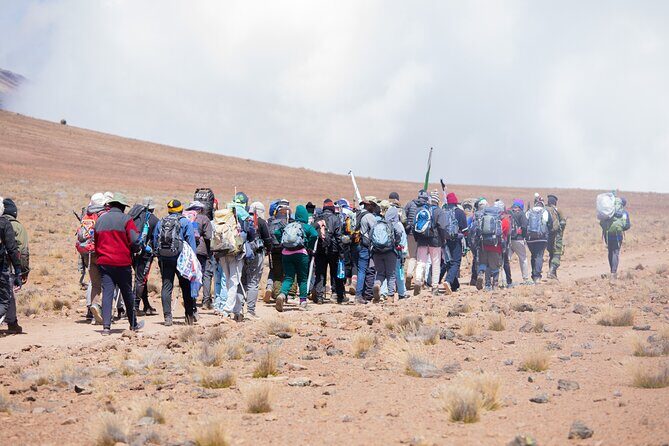
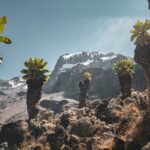
Day two is a gradual ascent into the heathland and moorlands of Kilimanjaro’s lower slopes. After breakfast, you’ll leave Mandara Huts and trek through different ecological zones, each with their own flora—like giant lobelias and groundsels—that make this route visually interesting. The landscape opens up, providing the first hints of the mountain’s towering presence.
Hiking for approximately 8 hours, you’ll arrive at Horombo Huts in the afternoon. Here, you’ll start to notice the impact of altitude, and many reviews mention the importance of acclimatization. Some climbers choose to rest or take optional acclimatization walks, and an extra day here can make a real difference for those concerned about altitude sickness.
Day Three: Approaching the Kibo Plateau
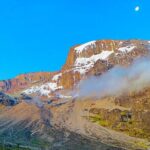
The third day leads you further upward into the alpine zone, with spectacular views of Mawenzi and Kibo peaks. In the morning, the trail transitions from heathland to a moonscape—think volcanic terrain and sparse vegetation. This is the saddle connecting Mawenzi and Kibo, and it’s a stark contrast to the lush rainforest.
Midday lunch offers a break with sweeping views, and many reviews mention how the guides help you take in the scenery while staying alert for signs of altitude issues. The destination, Kibo Huts, is a simple but functional refuge with no running water—a common feature at this elevation.
Day Four: The Summit Push
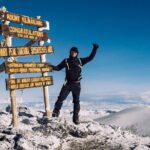
This is the big day—the one you’ve heard about. You’ll set off in the middle of the night, around 1 AM, to start your ascent toward Uhuru Peak. The goal is to reach the crater rim before sunrise, which offers incredible views and a chance for iconic photos.
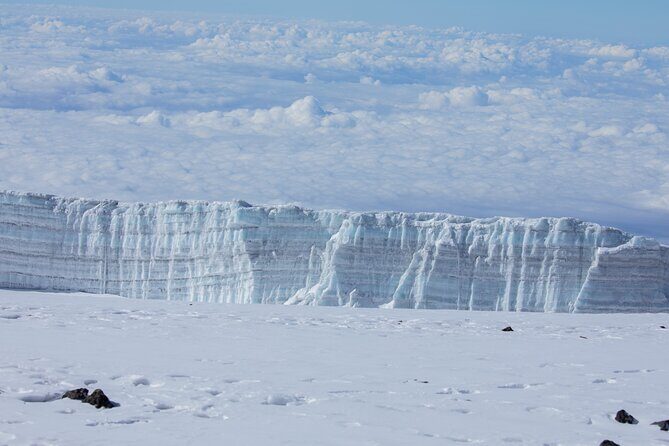
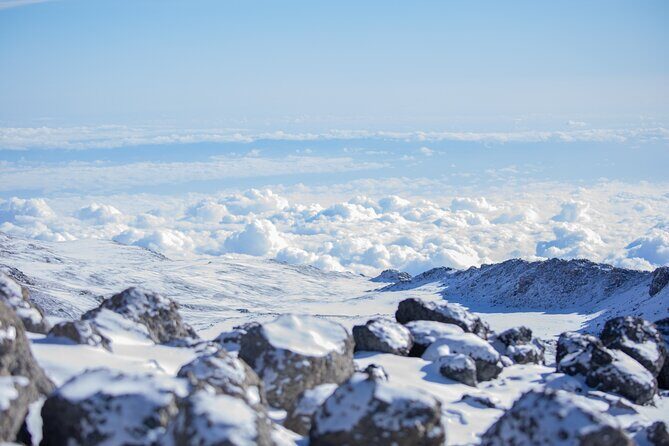
Climbing steep scree and snow (depending on the time of year), you’ll reach Gilman’s Point at around 5,861 meters (about 18,640 feet). Many reviews mention the breathtaking views of the crater and ice caps at this altitude. The final push to Uhuru Peak is about two hours, and many climbers describe the sense of achievement as “indescribable.”
You’ll be back at the summit by roughly 9 AM, feeling a mix of exhaustion and elation. This early morning start, while challenging, ensures the best chance to beat the crowds and secure stunning sunrise views.
Day Five: Descent and Celebration
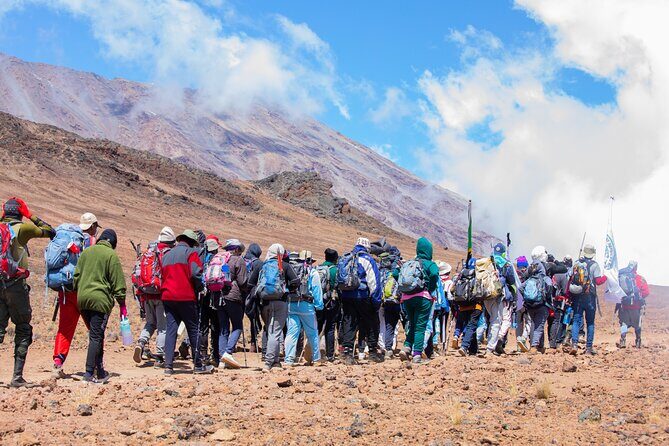
After a hearty breakfast, you’ll begin your descent, retracing your steps through alpine meadows, moorlands, and rainforests—all in about 8 hours. The return journey is a celebration of your achievement, but also a reminder of the effort involved. Many reviewers highlight the supportive guides and porters, who make the climb feel like a team effort.
Reaching the park gate in the early afternoon, you’ll have a chance to reflect and enjoy a well-earned lunch. The trip concludes with transportation back to Moshi, where a celebratory dinner or a relaxing night at the hotel awaits.
The Experience and Value: What You’re Really Paying For
At $2,004.11 per person, this package covers quite a lot. It includes two nights at Springlands Hotel in Moshi, pre- and post-climb, along with all necessary permits, park fees, huts, tents, and gear. The crew—guides, porters, cooks—are all part of the package, ensuring safety, support, and good food throughout.
Many reviews emphasize the professionalism and kindness of the guides like Gilbert Kasaba and Living, who are praised for their knowledge, patience, and encouragement. The inclusion of meals on the mountain—breakfast, lunch, dinner—means you won’t need to worry about food logistics, and many report the quality and variety were surprisingly good given the basic conditions.
The value here hinges on the comprehensive support team and the simplicity of logistics. The guided approach reduces stress and allows you to focus on the experience, rather than planning every detail.
What Could Be Better?
Some reviewers mention the basic facilities—simple huts, no running water at higher altitudes—which is typical of Kilimanjaro treks. If you’re expecting luxury, this might be a shock. Also, tips for guides and porters are not included in the upfront price, so budget extra for those.
Who Will Love This Tour?
This trek is ideal for first-timers or less experienced hikers who want a safe, supported climb without technical challenges. It’s suitable for those comfortable with basic camping, prepared for altitude, and eager to enjoy the scenery and camaraderie. If you’re after a challenging, technical ascent, this isn’t the route for you—think about alternative routes like Lemosho or Machame.
Final Thoughts: Is This the Kilimanjaro Experience for You?
This guided 5-day Marangu Route trek offers a comprehensive, well-supported journey to the roof of Africa. It balances a manageable ascent with stunning views, friendly guides, and the convenience of all-inclusive pricing. The route’s moderate difficulty level makes it accessible for many active travelers, especially those new to high-altitude trekking.
The inclusion of accommodations, meals, park fees, and experienced guides ensures you can focus on the mountain’s incredible landscapes and your own achievement. Plus, many travelers find the sense of camaraderie and shared accomplishment to be as memorable as the summit itself.
If you’re a nature lover, eager for a bucket-list adventure, and prepared for simple accommodations, this tour offers great value and a truly authentic experience. It’s a fantastic way to tick off one of the world’s most iconic summits without needing advanced technical skills.
FAQs
How long does the climb last each day?
Most days involve 4–8 hours of hiking, depending on the section. The longest day typically is day two, with a gradual ascent through different ecological zones.
Is the Marangu Route suitable for beginners?
Yes, it’s often recommended for less experienced trekkers because of its gentler, shorter route and better trail conditions. However, you should still be physically prepared and acclimate properly.
Are meals included?
Yes, all meals on the mountain are included—breakfast, lunch, and dinner—providing nourishment for the climb and simplifying planning.
What kind of accommodations are provided?
You’ll stay in basic huts and tents, with foam sleeping pads provided. Facilities are simple; no running water at higher altitudes.
How important is altitude acclimatization?
Very. The itinerary includes a rest day at Horombo Hut to help with acclimatization, which many reviews highlight as vital for success and safety.
What’s the best way to prepare physically?
While specific training isn’t detailed here, cardiovascular fitness, leg strength, and hiking with a loaded backpack are advisable.
Do I need to tip the guides and porters?
Tips are not included in the price, so it’s customary and appreciated to tip the crew for their support, effort, and hospitality.
Climbing Kilimanjaro – Marangu Route
Final Words
Climbing Kilimanjaro via the Marangu Route is an experience that combines natural beauty, supportive personnel, and achievable challenges. It’s especially perfect for those new to high-altitude trekking who want an authentic, guided adventure. With its inclusive approach, stunning scenery, and friendly team, this trip offers great value for a once-in-a-lifetime journey.
Whether you’re celebrating a milestone, seeking personal challenge, or simply craving an adventure in Africa’s highest wilderness, this route might just be your best bet. Just prepare yourself physically, pack your sense of humor, and get ready for an unforgettable ascent.