Climbing Mount Kilimanjaro is a dream for many adventurers, but choosing the right route can feel overwhelming. The Rongai Route, often overshadowed by its more famous counterparts like Marangu or Machame, offers a unique perspective on Africa’s highest peak. It’s a route that emphasizes solitude, wilderness, and a more gradual ascent—perfect for those eager to escape crowds and enjoy a more authentic, less trodden trail.
We’ve gathered insights from travelers who’ve taken this route, highlighting what makes it special—think fewer fellow hikers, stunning views of the Eastern ice fields, and a well-structured itinerary that balances challenge with scenic beauty. But, like any adventure, it’s not without considerations; the climb is physically demanding, especially on summit day.
This route is best suited for those with a decent level of fitness and a desire for a more remote, immersive experience.
If you’re after a trek that combines a sense of wilderness with expert guidance, and you’re open to a slightly longer journey, the Rongai Route could be your ticket to Kilimanjaro’s summit. It’s especially attractive for those climbing during the rainy season, thanks to its northern exposure which often brings less precipitation.
- Key Points
- An In-Depth Look at the 7-Day Rongai Route Itinerary
- Day 1: From Nale Moru to Simba Camp
- Day 2: Simba Camp to 2nd Cave Camp
- Day 3: Across Moorland to Kikelewa Camp
- Day 4: From Kikelewa to Mawenzi Tarn Hut
- Day 5: To Kibo Hut — The Final Base Camp
- Day 6: Summit Day — The Final Ascent
- Day 7: Descend to Marangu Gate
- What Travelers Say About the Rongai Route
- Practical Details and Value
- Who Should Consider This Tour?
- Final Thoughts: Is the Rongai Route Right for You?
- FAQ
- The Best Of Moshi!
- More 7-Day Experiences in Moshi
- More Tour Reviews in Moshi
Key Points
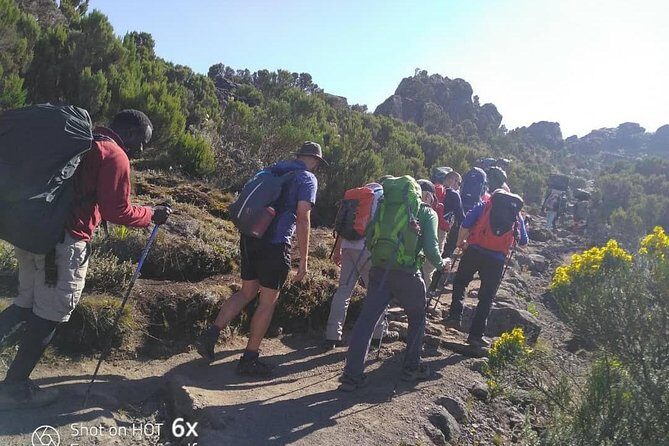
- Less Crowded: This route is known for its low traffic, providing a more peaceful experience.
- Gradual Ascent: It’s ideal for those who prefer a slower, steadier climb, which aids acclimatization.
- Remote Wilderness: Almost the entire route passes through untouched natural landscapes.
- Great for Rainy Season: The northern side receives less rain, making it a good choice during wetter months.
- Expert Local Guides: The tour includes professional guides, porters, and chef services, ensuring comfort and safety.
- Moderately Difficult: Suitable for those with basic fitness, but summit day remains a serious challenge.

👉 See our pick of the Moshi’s 16 Top Tours & Things To Do
An In-Depth Look at the 7-Day Rongai Route Itinerary
You can also read our reviews of more tours and experiences in Moshi
Day 1: From Nale Moru to Simba Camp
The adventure begins with a drive to Nale Moru village, where we start our trek through farmland and pine forests. Expect to see some wildlife, like Colobus monkeys, and if luck is on your side, perhaps elephants or buffalos. The first camp, Simba, sits at 2,625 meters, offering a gentle introduction to the mountain’s environment.
This initial walk covers about 8 kilometers and takes around four to five hours—an excellent way to ease into the altitude while soaking in Tanzania’s countryside. The meals included—breakfast, lunch, and dinner—are hearty, fueling you for the days ahead. The fact that admission tickets are included simplifies logistics, letting you focus on the experience.
Day 2: Simba Camp to 2nd Cave Camp
The second day involves a steady ascent to the 2nd Cave Camp at 3,480 meters. The distance is shorter—about 5 kilometers—but the views become more dramatic as you look toward Kibo and the Eastern ice fields. Expect around 3 to 4 hours of walking, with the gradual climb making it easier for your body to adjust.
Our review sources loved the way this segment offers clear views and a chance to acclimate gradually. One traveler noted that the scenery was superb, and the camp location offers a perfect vantage point of the crater rim. Meals are included, and you’ll spend the night in well-equipped tents, feeling increasingly closer to the mountain’s summit.
Day 3: Across Moorland to Kikelewa Camp
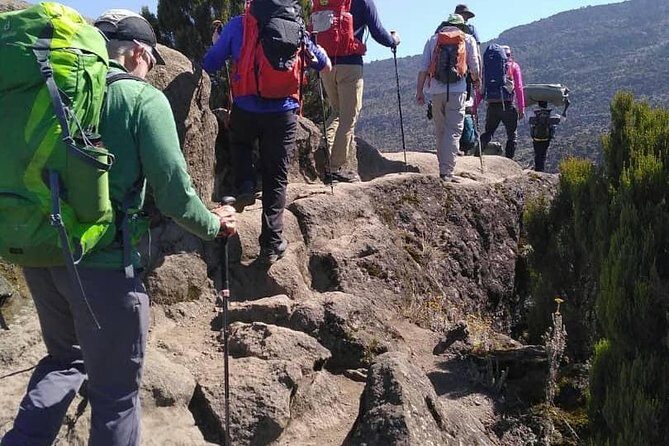
Leaving the pine forest behind, today’s walk crosses moorlands, with views of Mawenzi and the crater rim of Kibo. The trail diverges from the main route, providing a more intimate wilderness trek. The terrain is steady, with about three hours of walking.
Travelers report this stage as a highlight—beautiful landscapes and fewer hikers. The scenery is less varied than on western routes, but the sense of solitude makes up for it. Kikelewa Camp, at 3,630 meters, is where many choose to rest and prepare for the higher elevations.
Day 4: From Kikelewa to Mawenzi Tarn Hut
This day involves a short but steep ascent to Mawenzi Tarn Hut at 4,310 meters. The climb is rewarded with spectacular views of the Kenyan plains and the towering cliffs of Mawenzi. The route covers approximately 8 kilometers and takes about four to five hours.
Many reviews highlight the value of this rest day for acclimatization. It’s an opportunity to explore the surrounding area or simply relax in the camp’s stunning setting. Rest is crucial here, as the next days involve more challenging ascents.

Day 5: To Kibo Hut — The Final Base Camp
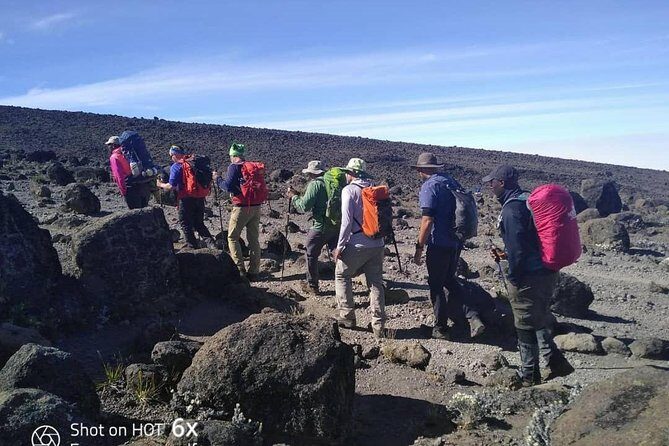
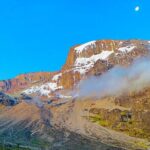
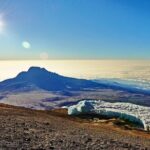
Leaving Mawenzi Tarn, you trek across a lunar-like saddle between Mawenzi and Kibo, a landscape that feels almost otherworldly. After about 8 kilometers and 5 to 6 hours of walking, you arrive at Kibo Hut at 4,700 meters.
This is the last stop before the summit push—so expect to rest, hydrate, and prepare for the big night ahead. The views of Kilimanjaro’s summit are breathtaking, and many travelers appreciate the chance to acclimate at this altitude before the final climb.
Day 6: Summit Day — The Final Ascent
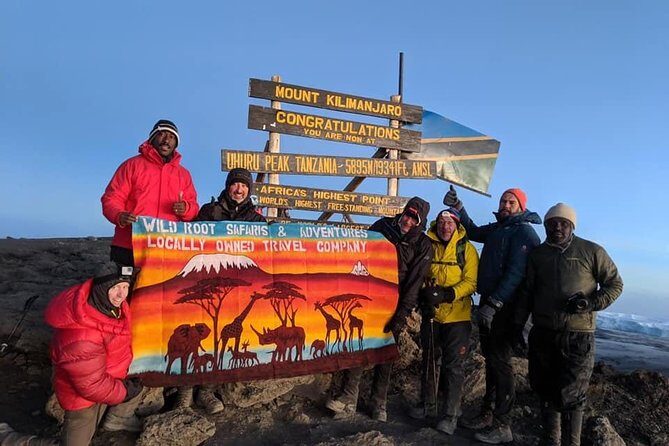
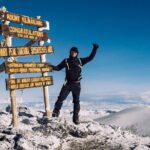
The most demanding day begins around midnight. The climb to Uhuru Peak involves crossing the Hans Meyer Cave at 5,220 meters, then slowly ascending toward Gillman’s Point at 5,681 meters, where you’ll see the sunrise—and the real reward for your effort. The final push to Uhuru Peak at 5,895 meters is steep but manageable with proper pacing.
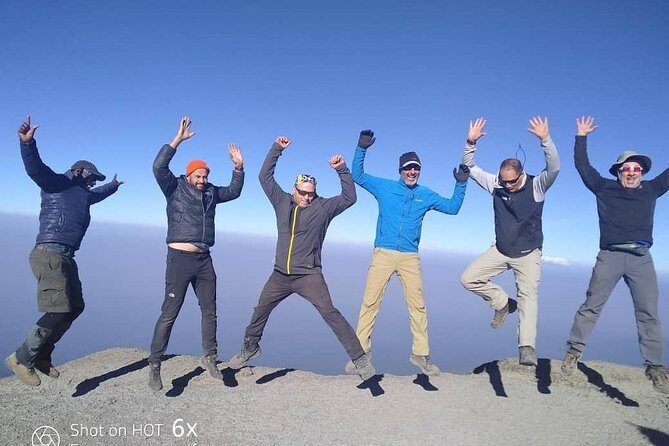
Travelers who’ve done it often describe this as a long, tiring 12-15 hours, but many say the sense of achievement and the views from the summit make every step worth it. After celebrating your victory, the descent back to Kibo Hut and then down to the lower camps is a long, but rewarding, journey.
Day 7: Descend to Marangu Gate
The final day’s walk takes you through heath and moorland, passing Mandara Hut, before entering lush rainforest as you approach the park gate. The 8-hour trek covers about 20.8 kilometers, concluding your climb with a sense of accomplishment—and hopefully a stash of mountain stories to tell.
You’ll be transferred back to your hotel, where a warm shower and celebration await. Many reviews emphasize how satisfying it is to finish the climb and reflect on the wilderness and camaraderie shared along the way.
What Travelers Say About the Rongai Route
Reviewers consistently praise the knowledgeable guides and the delicious food provided on this tour. One described the staff as always helpful and in good spirits, which makes a big difference on such a physically demanding trek. The chance to see stunning views of the ice fields and the less crowded trail are frequently mentioned as highlights.
A reviewer from Singapore pointed out the excellent organization and logistics, emphasizing the staff’s obliging nature and safety consciousness. Another appreciated the route’s suitability for those with less backpacking experience, noting that the gradual slope and rest days aid acclimatization.
Practical Details and Value
At a cost of approximately $2,923 per person, this tour offers quite a comprehensive package. Included are guides, porters, chef services, and all necessary tents and camping gear. The fact that airport transfers and first/last nights’ accommodations are covered helps streamline your trip.
While you’ll need to bring your own sleeping bag and walking poles, the quality of the tents and the experience of the guides help justify the price. Many travelers find that the value lies in the personalized service, the less crowded trail, and the chance to enjoy Tanzania’s wilderness without feeling rushed.
The tour is a private experience, meaning your group gets exclusive attention, which adds a layer of comfort and flexibility. The start time of 8:00am allows for a relaxed beginning, and the tour’s structure supports gradual acclimatization—key to increasing your chances of summiting successfully.
Who Should Consider This Tour?
This route is perfect for travelers who want a more remote Kilimanjaro experience, especially during the rainy season when the north side tends to stay drier. It’s well-suited for moderately fit trekkers who appreciate a gradual ascent and the chance to enjoy wilderness scenery.
Climbers with some backpacking experience or those eager to avoid the crowds will find this route more enjoyable. On the other hand, those with limited physical fitness might find the summit push particularly challenging.
Final Thoughts: Is the Rongai Route Right for You?
In essence, the Rongai Route offers an experience that’s both quieter and more scenic than many other Kilimanjaro paths. The expert guides, delicious meals, and less crowded trail make it stand out, especially for those seeking a more authentic adventure.
While the itinerary is thorough and well-designed for acclimatization, the final summit day remains a test of stamina and mental grit. Expect to be rewarded with breathtaking views, genuine wilderness, and a sense of accomplishment that’s hard to match.
If you prioritize a peaceful, less crowded route with a focus on natural beauty, this tour provides excellent value—and a memorable climb. It’s best suited for travelers who want to combine a challenging hike with a genuine connection to the mountain’s wilderness and who value professional guiding and logistical support.
Rongai Route 7 Days
FAQ
What is included in the tour fee?
The tour price covers guides, chef, porters, first and last accommodation, airport transfers, and all camping gear, including quality tents and meals.
Do I need to bring my own gear?
You’ll need to bring your own sleeping bag and walking poles, but all tents and camping gear are provided by the tour operator.
Is this route suitable for beginners?
It’s considered moderately difficult and suitable for those with some physical fitness. The gradual slope helps, but summit day is strenuous.
Can I climb during the rainy season?
Yes, the Rongai Route is recommended during wetter months because it faces away from the rain, making it less prone to precipitation.
How long is the summit day?
Expect to spend between 12 to 15 hours on summit day, starting around midnight, with a challenging ascent to Uhuru Peak.
What’s the best way to prepare physically?
Focus on cardiovascular fitness, leg strength, and stamina. Training hikes and walking with a loaded backpack can help prepare.
To sum it up, the Rongai Route 7-day experience offers a balanced mix of wilderness, solitude, and guided support—perfect for those eager to experience Kilimanjaro away from the crowds. Whether you’re after stunning scenery, better acclimatization, or a quieter trail, this trek is a solid choice for a memorable mountain adventure.