
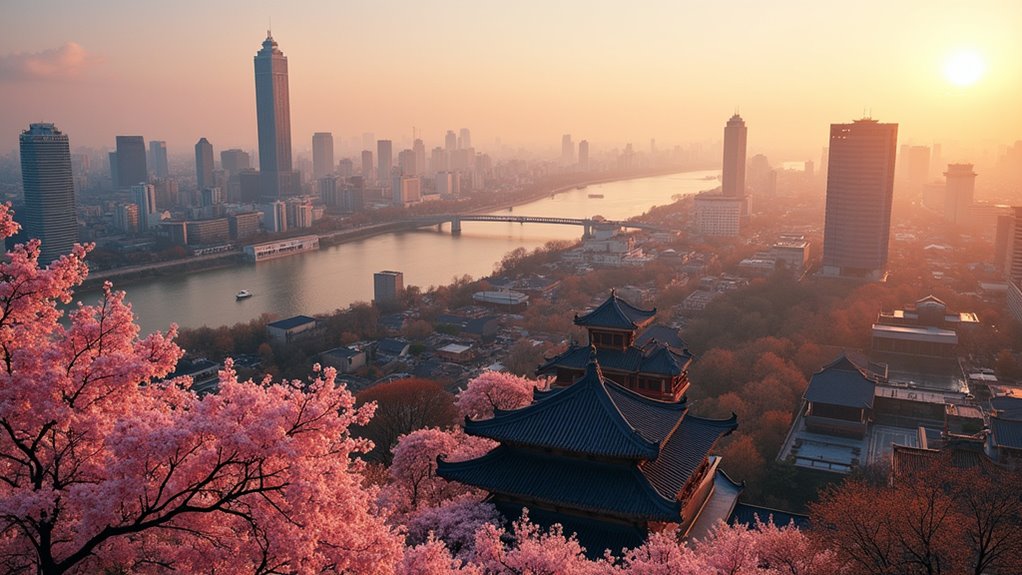
First-time visitors to Nanjing often feel overwhelmed by the city’s 2,500-year history and sprawling layout. They’re unsure which ancient walls to climb, which imperial tombs deserve their time, or where to find authentic local experiences without breaking the bank. The former capital holds countless treasures, from underground Buddhist palaces to moonlit river cruises, but knowing where to start makes all the difference. Here’s how travelers can navigate Nanjing’s essential attractions while keeping costs reasonable.
- Walk the Ancient Nanjing City Wall at Zhonghua Gate
- Cruise the Qinhuai River After Dark
- Pay Respects at Dr. Sun Yat-sen Mausoleum on Purple Mountain
- Experience Local Life at Xuanwu Lake Park
- Explore the UNESCO-Listed Ming Xiaoling Mausoleum
- Dive Into History at the Presidential Palace
- Sample Street Food in the Confucius Temple Area
- Hike Purple Mountain’s Connected Trail System
- Discover Ancient Silk Weaving at the Silk Brocade Museum
- Find Peace at the Underground Usnisa Palace
Walk the Ancient Nanjing City Wall at Zhonghua Gate
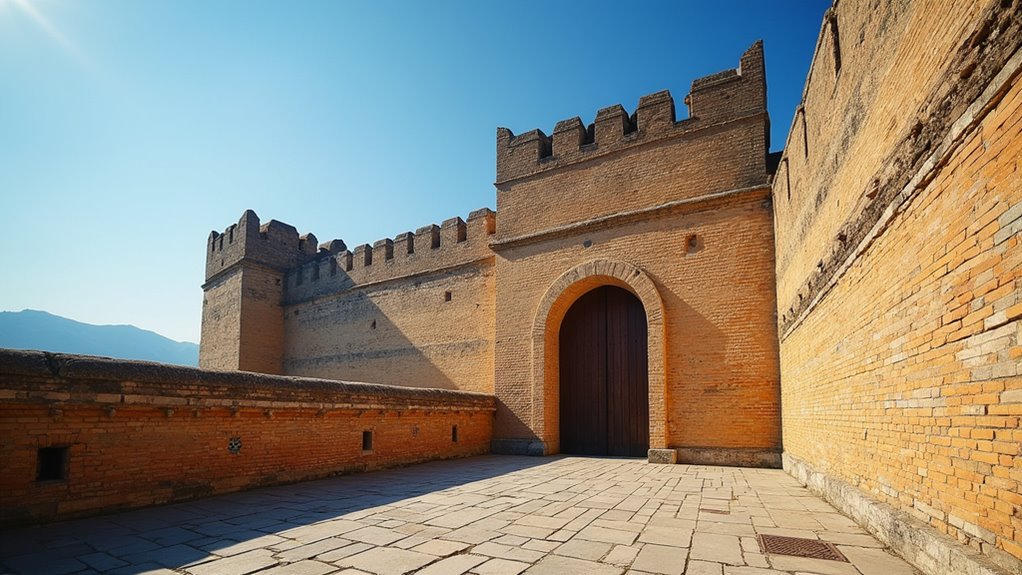
When visitors step through Zhonghua Gate, they’re walking through one of the world’s most impressive examples of ancient military architecture that’s managed to survive over 600 years. This massive fortress showcases ingenious defensive design with multiple courtyards and gates that once trapped invading armies.
The wall stretches for miles, making it one of the longest city walls globally, and visitors can explore different segments without paying hefty entrance fees.
The best approach is starting at Zhonghua Gate, where they’ll find well-preserved battlements and panoramic city views. Walking the ramparts gives travelers a unique perspective on how ancient Chinese engineers protected their cities.
Early morning visits offer cooler temperatures and fewer crowds, plus locals practicing tai-chi add authentic cultural atmosphere to this budget-friendly historical experience.
Cruise the Qinhuai River After Dark
As darkness falls over Nanjing, the Qinhuai River transforms into a glittering waterway lined with traditional lanterns and illuminated historic buildings that create perfect reflections on the water’s surface.
A one-hour evening cruise offers travelers an affordable way to see the city’s historic heart from a unique perspective. The boat glides past the vibrant Confucius Temple area, where ancient pavilions and water streets showcase centuries of cultural heritage.
Evening cruises typically cost around 80-100 yuan and provide excellent photo opportunities of the illuminated cityscape. Travelers can spot landmarks like Zhonghua Gate and traditional painted boats while learning about local folklore.
The cruise operates year-round, but spring and autumn evenings offer the most comfortable weather. Book tickets at the dock near Confucius Temple for the best departure times.
Pay Respects at Dr. Sun Yat-sen Mausoleum on Purple Mountain
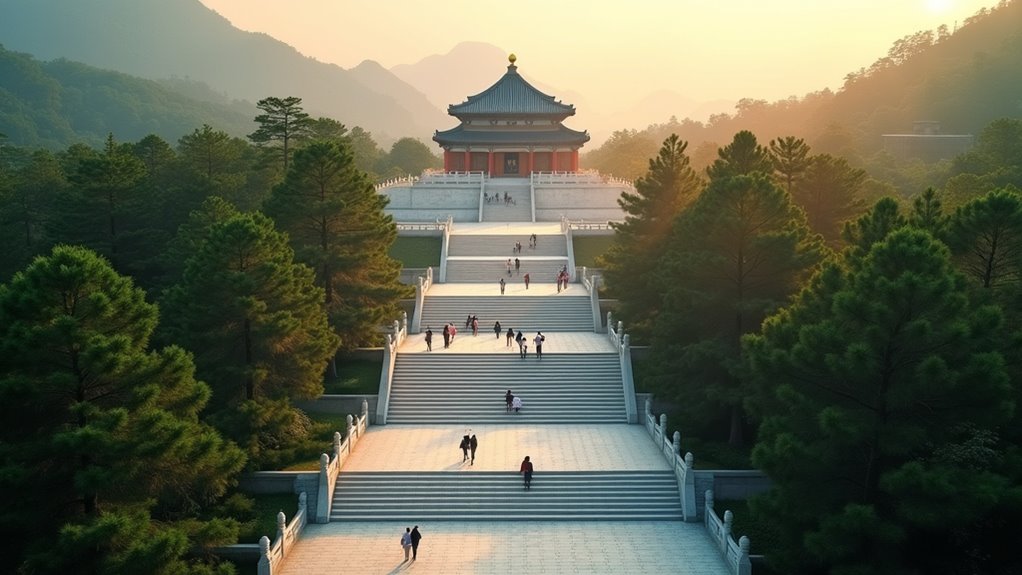
From the bustling waterways of the Qinhuai River, visitors can venture to Purple Mountain’s most revered site to explore a different side of Nanjing’s rich history. Dr. Sun Yat-sen Mausoleum honors the founding father of the Republic of China with impressive architecture and peaceful surroundings.
The climb up 392 stone steps rewards visitors with stunning city views and beautifully landscaped gardens.
Entry to the mausoleum is free, making it perfect for budget travelers. The site opens early, so arriving by 8 AM helps avoid crowds while enjoying cooler temperatures for the uphill walk.
Purple Mountain also houses Ming Xiaoling Mausoleum and Linggu Temple nearby, so visitors can easily combine multiple attractions in one trip.
Comfortable walking shoes are essential for steering the stairs and pathways.
Experience Local Life at Xuanwu Lake Park
After exploring Purple Mountain’s historical treasures, travelers can discover authentic local culture at Xuanwu Lake Park, China’s largest imperial lake garden. Early mornings offer the best glimpse into daily life as locals practice tai-chi along peaceful walking paths. The park’s free admission makes it perfect for budget travelers who want to experience genuine Nanjing lifestyle.
Visitors can rent paddle boats to explore the lake’s scenic islands or simply stroll through landscaped gardens and pavilions. The Five Dragon Pond area provides excellent photo opportunities with city skyline views. Street vendors sell affordable snacks and drinks throughout the park.
This authentic experience contrasts beautifully with tourist-heavy attractions, giving first-time visitors insight into how Nanjing residents spend their leisure time in this historic imperial setting.
Explore the UNESCO-Listed Ming Xiaoling Mausoleum
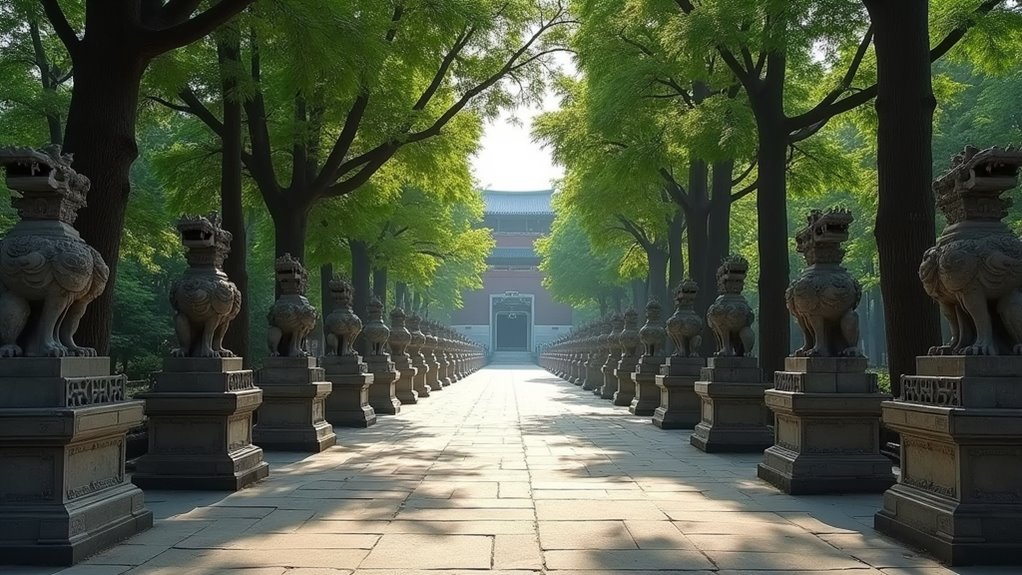
While many travelers rush between Nanjing’s modern attractions, history enthusiasts shouldn’t miss the Ming Xiaoling Mausoleum, a UNESCO World Heritage site that’s often overshadowed by the nearby Sun Yat-sen Mausoleum. This impressive complex serves as the final resting place of the Hongwu Emperor, founder of the Ming Dynasty.
The mausoleum’s Sacred Way features magnificent stone carvings of mythical beasts and officials that’ll transport visitors back 600 years. Don’t rush through – the grand gates and detailed stonework deserve careful examination.
Budget-conscious travelers can combine this visit with Purple Mountain’s other attractions using a single ticket. Early morning visits offer cooler temperatures and fewer crowds, making photography easier. The site’s peaceful atmosphere provides a stark contrast to Nanjing’s bustling city center.
Dive Into History at the Presidential Palace
Moving from ancient imperial tombs to more recent political history, the Presidential Palace offers visitors a fascinating glimpse into early 20th-century Chinese governance. This historic compound served as headquarters for various Chinese governments and houses extensive exhibits about the Republic of China era.
Visitors can explore beautifully preserved gardens alongside political offices where major decisions shaped modern China. The palace’s architecture blends traditional Chinese design with colonial influences, creating a unique aesthetic that reflects the period’s cultural shifts.
Budget-conscious travelers will appreciate the reasonable entrance fee, which includes access to multiple buildings and outdoor spaces. Plan to spend 2-3 hours here to fully absorb the exhibits and wander the peaceful gardens.
The site’s central location makes it easy to combine with nearby attractions like Xuanwu Lake.
Sample Street Food in the Confucius Temple Area
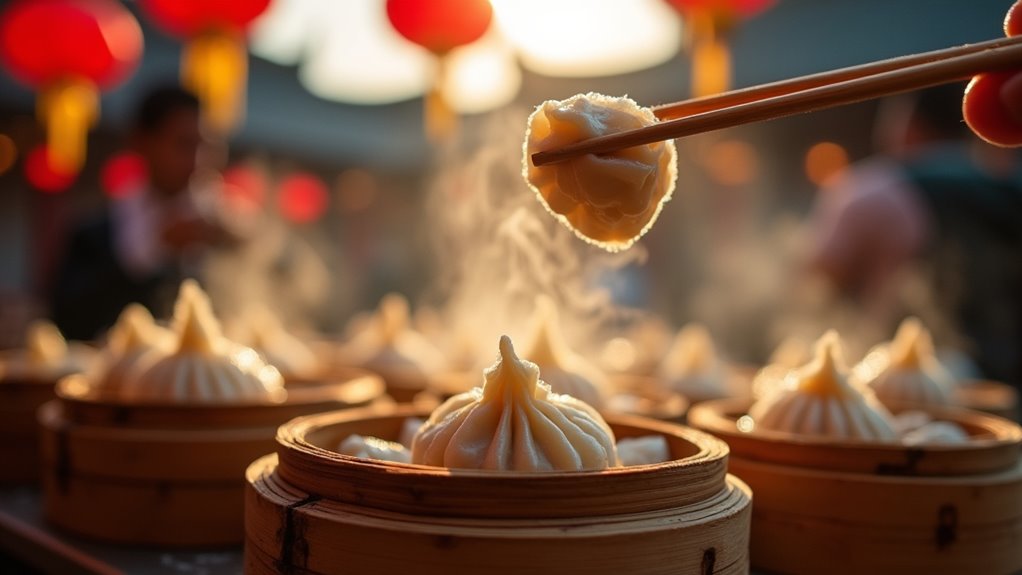
Since food lovers consider Nanjing’s Confucius Temple area the city’s culinary heart, visitors shouldn’t miss sampling the famous “Qin Huai Ba Jue” – eight traditional snacks that define local street food culture. These affordable treats include duck blood soup, soup dumplings, and sweet osmanthus cakes, each costing just a few yuan.
The bustling night markets come alive after sunset, offering the perfect atmosphere to explore authentic flavors. Vendors line the narrow streets near the temple, serving steaming bowls and fresh bites from small stalls.
Don’t worry about language barriers – pointing works perfectly, and most vendors are patient with travelers. The area’s vibrant energy, combined with incredibly budget-friendly prices, makes it an essential stop for anyone wanting to taste real Nanjing cuisine without breaking the bank.
Hike Purple Mountain’s Connected Trail System
After satisfying their appetites in the Confucius Temple area, visitors can work off those delicious street snacks by exploring Purple Mountain’s extensive hiking network. The interconnected trails link Nanjing’s most significant historical sites, creating an efficient way to see multiple attractions while getting exercise.
Hikers can start at Dr. Sun Yat-sen Mausoleum and follow well-marked paths to Ming Xiaoling Mausoleum and Linggu Temple. The trails offer varying difficulty levels, accommodating both casual walkers and serious hikers.
Along the way, scenic viewpoints provide perfect photo opportunities and rest spots.
The trail system’s biggest advantage is its cost-effectiveness—it’s free to hike between sites, though individual attractions charge entrance fees. Early morning hikes offer cooler temperatures and fewer crowds, making the experience more enjoyable.
Discover Ancient Silk Weaving at the Silk Brocade Museum
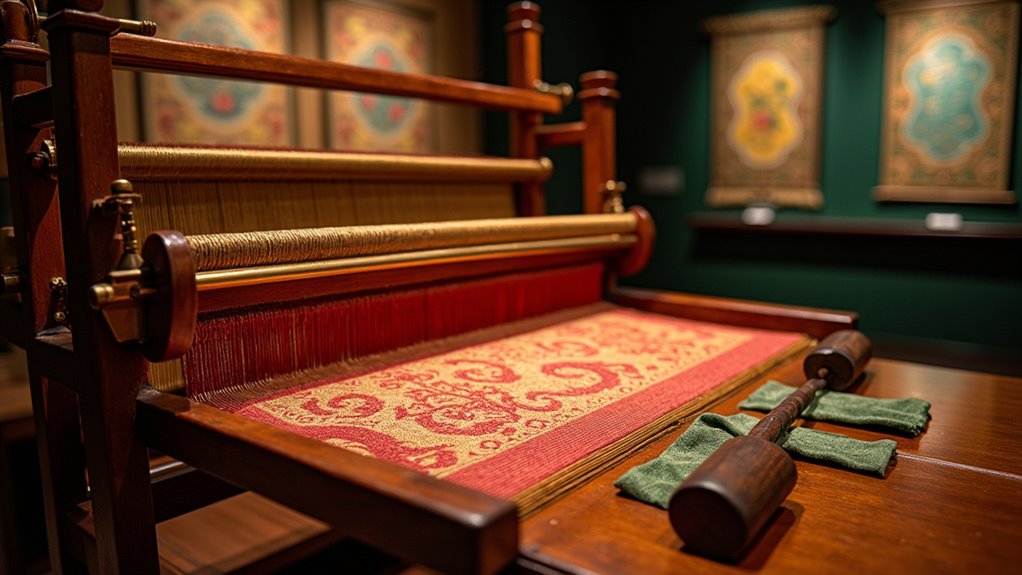
For centuries, Nanjing’s artisans have crafted some of China’s most exquisite silk brocades, and visitors can witness these ancient techniques firsthand at the city’s Silk Brocade Museum. The museum demonstrates traditional weaving methods that’ve remained unchanged for generations, showcasing the intricate craftsmanship behind Nanjing’s renowned textiles.
Visitors watch skilled artisans operate massive wooden looms, creating elaborate patterns with threads of gold and silver. The museum’s artistic displays highlight local craftsmanship through centuries-old pieces and contemporary works.
Interactive exhibits explain the complex weaving process, from silk production to finished brocade.
Entry fees are reasonable, making this an affordable cultural experience. The museum offers insights into techniques that made Nanjing a silk trade center. It’s perfect for travelers interested in traditional Chinese arts and the city’s commercial heritage.
Find Peace at the Underground Usnisa Palace
While most visitors explore Nanjing’s above-ground temples, they’ll discover something truly extraordinary beneath Niushou Mountain at the Usnisa Palace. This underground Buddhist sanctuary houses sacred parietal bone relics of Buddha within its ornate Foding Palace.
The subterranean complex features intricate carvings, the Ten Thousand Buddha Corridor, and the impressive Thousand Buddha Hall.
Visitors can explore the peaceful gardens above ground before descending into the elaborate underground chambers. The palace’s architecture combines traditional Buddhist elements with modern engineering, creating a serene spiritual atmosphere.
Entry fees are reasonable, and the site offers shuttle services up the mountain. The best time to visit is during weekdays when crowds are smaller, allowing for quiet contemplation in this unique blend of natural beauty and sacred artistry.