
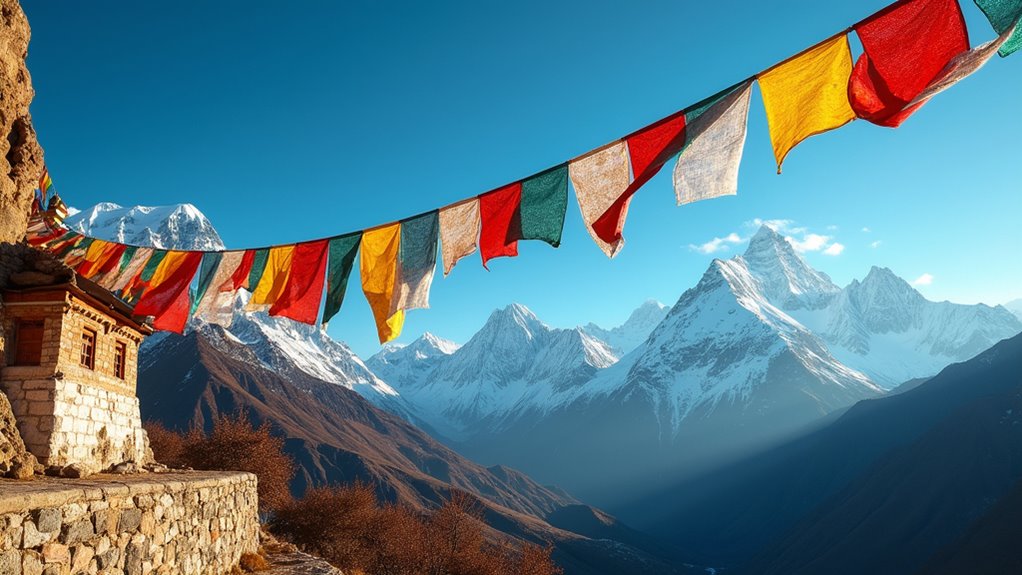
Tibet challenges travelers with its remote location and high altitude, but those who make the journey discover experiences that can’t be replicated anywhere else on Earth. From ancient monasteries where monks engage in animated philosophical debates to sacred peaks that draw pilgrims from across Asia, this autonomous region offers adventures that blend spirituality, culture, and breathtaking landscapes. The real question isn’t whether Tibet‘s worth the effort—it’s which unforgettable experiences deserve a spot on your carefully planned itinerary.
- Explore the Potala Palace’s 1,000 Rooms and Rooftop Views
- Join the Pilgrims Circling Jokhang Temple on Barkhor Street
- Watch Monks Debate Philosophy at Sera Monastery
- Drive to Everest Base Camp via Gawu La Pass
- Trek Around Sacred Mount Kailash and Lake Manasarovar
- Camp by Namtso Lake’s Turquoise Waters
- Discover the Lost Guge Kingdom Ruins in Western Tibet
- Experience Tibetan Horse Racing Festival in Nagqu
- Hike the Yarlung Tsangpo Grand Canyon Near Nyingchi
- Visit Tashilhunpo Monastery in Shigatse
Explore the Potala Palace’s 1,000 Rooms and Rooftop Views
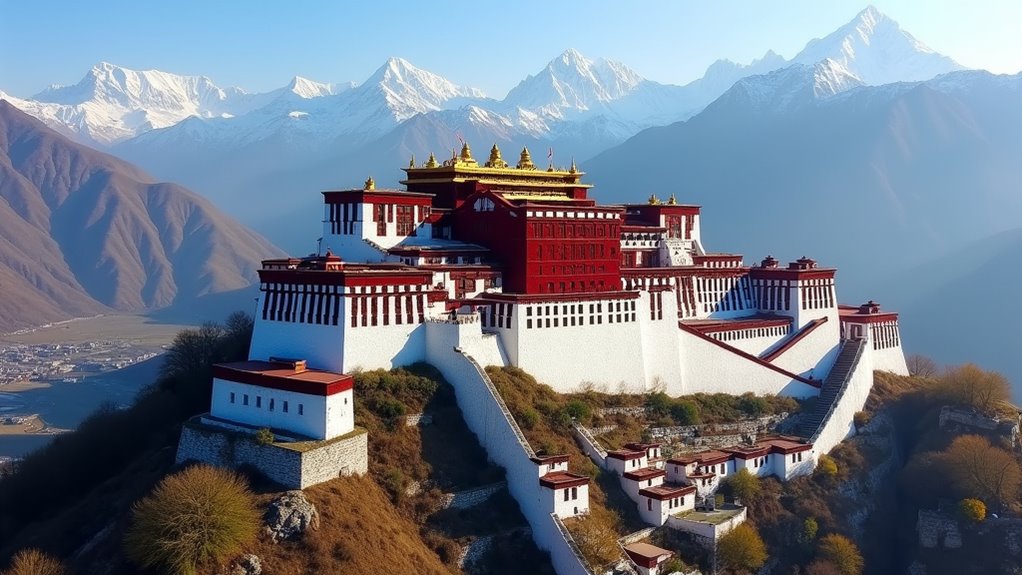
The towering Potala Palace dominates Lhasa’s skyline with over 1,000 rooms spread across 13 stories, making it one of Tibet’s most essential stops for any traveler. This UNESCO World Heritage site served as the Dalai Lamas’ winter residence and houses thousands of historic artifacts that’ll transport visitors through centuries of Tibetan culture.
Smart travelers book tickets in advance since daily visitor numbers are strictly limited. The palace’s White and Red sections showcase intricate murals, golden stupas, and sacred chapels that’re worth the steep entrance fee.
Don’t miss climbing to the rooftop terraces for panoramic views of Lhasa valley – it’s free once you’re inside and offers incredible photo opportunities of the surrounding mountains and traditional Tibetan architecture below.
Join the Pilgrims Circling Jokhang Temple on Barkhor Street
Walking clockwise around Jokhang Temple alongside devoted pilgrims offers travelers an authentic glimpse into Tibet’s living spiritual heart. Barkhor Street, Lhasa’s oldest circular street, surrounds this central religious site where locals perform their daily kora (circumambulation ritual).
Visitors can join this centuries-old tradition for free, following pilgrims who spin prayer wheels, prostrate, and chant mantras. The experience becomes especially moving at dawn when devout Tibetans begin their spiritual journey before travelers arrive.
Between ritual observations, travelers can explore traditional Tibetan markets lining the street. Vendors sell prayer flags, turquoise jewelry, and yak butter tea at reasonable prices.
The Jokhang Temple itself houses the revered 12-year-old Buddha statue and showcases stunning Indian, Tibetan, and Nepalese architectural elements—making this UNESCO site essential for culture.
Watch Monks Debate Philosophy at Sera Monastery
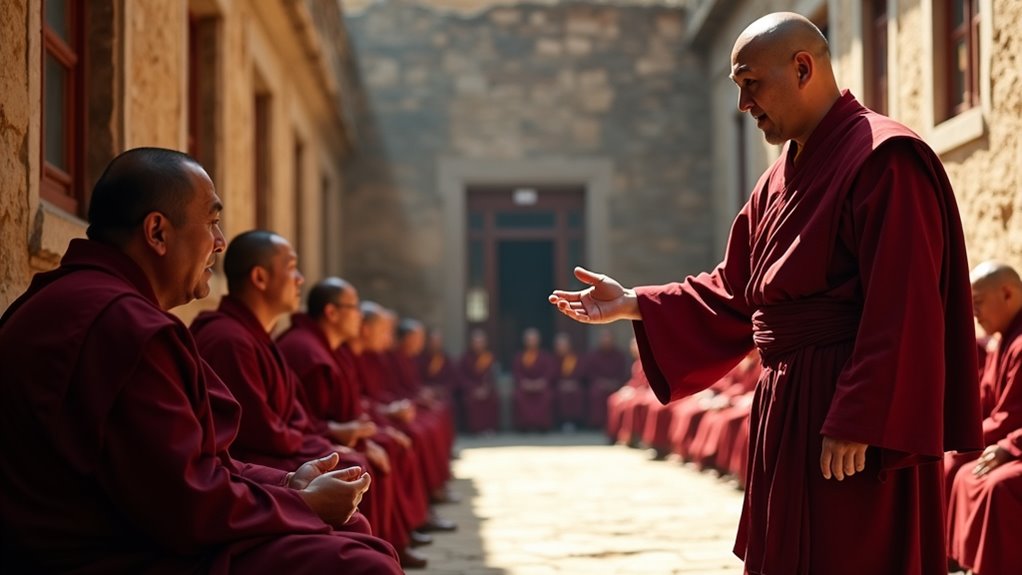
Every afternoon at 3 PM, Sera Monastery transforms into Tibet’s most mesmerizing classroom as hundreds of maroon-robed monks gather for their legendary philosophical debates. These animated discussions showcase traditional Tibetan Buddhist education in action, with monks clapping their hands dramatically to emphasize points and challenge opponents’ logic.
Visitors can witness this centuries-old tradition for free by simply purchasing the monastery entrance ticket. The debates happen in the monastery’s courtyard, where younger monks defend their understanding while senior monks test their knowledge through rapid-fire questions.
The passionate gestures, rhythmic clapping, and intense concentration create an unforgettable spectacle.
Arrive early to secure good viewing spots, as this unique cultural experience draws crowds. The debates offer genuine insight into Tibetan monastic life that can’t be found anywhere else.
Drive to Everest Base Camp via Gawu La Pass
Beyond Lhasa’s spiritual encounters, Tibet’s most spectacular mountain adventure awaits on the winding road to Everest Base Camp. The journey’s highlight comes at Gawu La Pass, perched at 5,198 meters, where travelers witness an incredible panorama of the world’s five highest Himalayan peaks in one breathtaking view.
This high-altitude drive isn’t just about reaching Everest Base Camp at 5,200 meters—it’s about the dramatic landscapes unfolding along the route. Prayer flags flutter against snow-capped giants while the thin air reminds visitors they’re traversing one of Earth’s most remote regions.
Budget travelers can join group tours or hire local drivers in Shigatse, making this once-in-a-lifetime experience surprisingly accessible. The road demands patience and altitude preparation, but rewards adventurers with unmatched Himalayan vistas.
Trek Around Sacred Mount Kailash and Lake Manasarovar
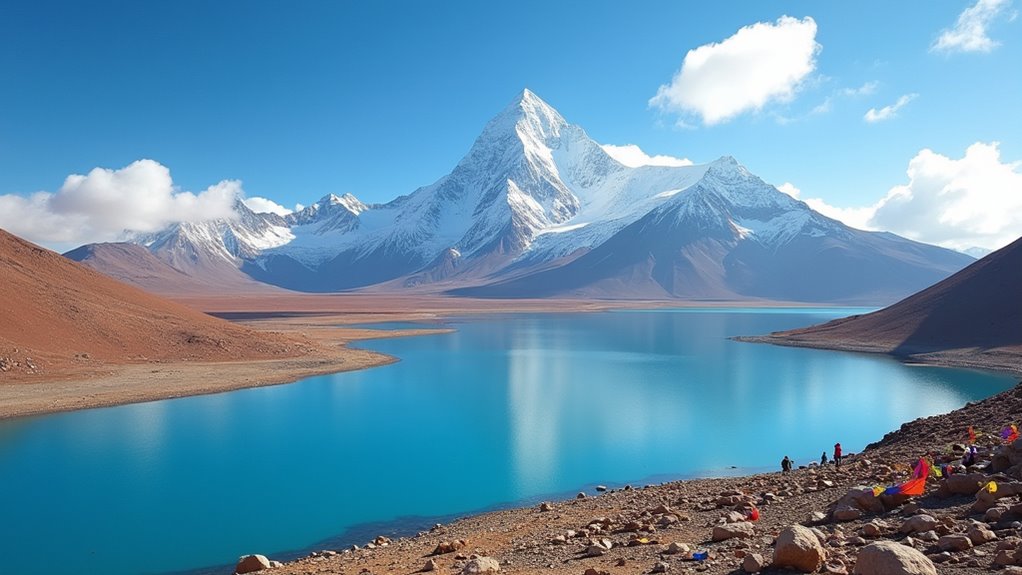
For devout pilgrims and adventurous trekkers alike, Mount Kailash represents Tibet’s most sacred journey—a challenging 52-kilometer circumambulation around the 6,714-meter peak that’s revered by four major religions. The traditional three-day kora (ritual walk) tests physical endurance while offering profound spiritual rewards.
Most trekkers combine this pilgrimage with visits to nearby Lake Manasarovar, where crystal-clear waters reflect snow-capped peaks. Budget travelers can join group tours or hire local guides in Darchen, the base town.
Essential preparations include acclimatization time, warm clothing, and sturdy boots since the Dolma La Pass reaches 5,630 meters.
Whether seeking spiritual enlightenment or adventure, this ancient pilgrimage route delivers an unforgettable experience that connects visitors with centuries of religious tradition amid breathtaking Himalayan scenery.
Camp by Namtso Lake’s Turquoise Waters
At 4,718 meters above sea level, Namtso Lake stretches endlessly across Tibet’s high plateau, its sapphire waters creating one of the world’s most stunning camping destinations. Travelers can pitch tents along the shoreline for roughly 30-50 yuan per night at designated camping areas, though many choose free wild camping spots with proper permits.
The lake’s spiritual significance makes sunrise and sunset particularly magical, when pilgrims perform morning rituals and the water reflects snow-capped peaks. Pack warm sleeping gear—temperatures drop dramatically after dark, even in summer.
Basic guesthouses near Tashi Dor Peninsula offer budget alternatives around 80-120 yuan nightly.
Don’t miss the short hike to nearby meditation caves where monks once retreated. The combination of pristine wilderness and sacred atmosphere creates an unforgettable high-altitude camping experience.
Discover the Lost Guge Kingdom Ruins in Western Tibet
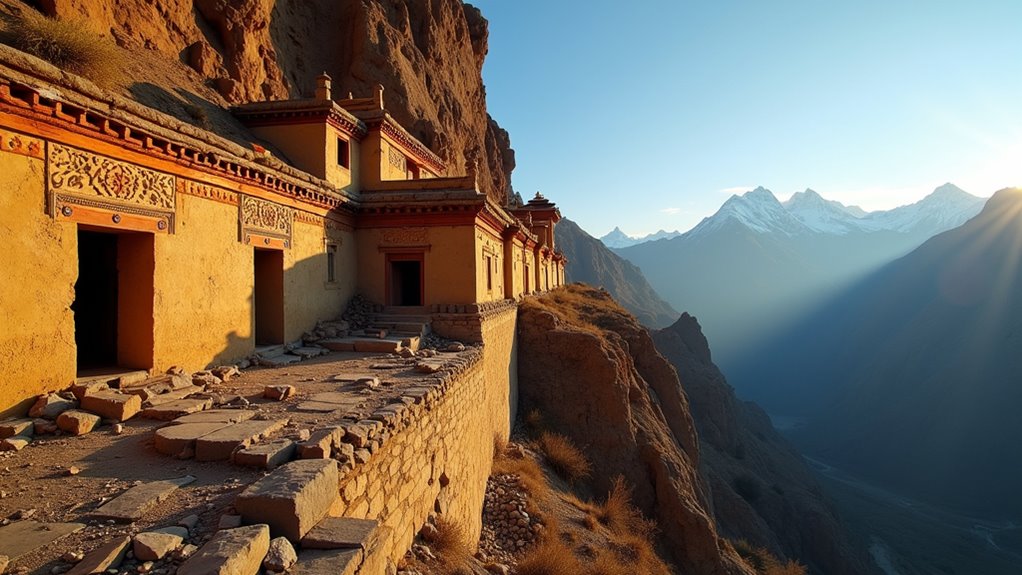
While Namtso’s natural beauty captivates visitors in central Tibet, the remote western region holds equally compelling treasures in the form of ancient ruins. The Guge Kingdom ruins offer travelers a fascinating glimpse into Tibet’s medieval past, with crumbling palaces and monasteries carved directly into cliffsides.
Tsaparang, the former capital, showcases remarkably preserved murals and intricate Buddhist art that’ll transport you back centuries. Don’t miss Tholing Monastery, where ancient frescoes still adorn weathered walls.
The journey requires careful planning since western Tibet’s harsh terrain demands sturdy vehicles and experienced guides.
Budget travelers should expect higher costs due to remote locations and necessary permits. However, witnessing these archaeological wonders virtually untouched by crowds makes the investment worthwhile for history enthusiasts seeking authentic cultural experiences.
Experience Tibetan Horse Racing Festival in Nagqu
When travelers venture from Tibet’s ancient archaeological sites to its vibrant living culture, they’ll find no better celebration than Nagqu’s legendary horse racing festival in mid-July. This authentic Tibetan gathering transforms the alpine grasslands into a colorful spectacle of traditional sports, music, and festivities that locals have celebrated for centuries.
Visitors can watch skilled horsemen demonstrate incredible riding techniques while competing in races across the high-altitude terrain. The festival showcases traditional Tibetan culture through folk dancing, singing competitions, and local handicraft displays.
Budget-conscious travelers will appreciate the affordable entry fees and opportunity to sample authentic Tibetan cuisine from local vendors.
The event occurs at 4,500 meters elevation, so visitors should arrive early to acclimatize. Nagqu’s grasslands provide stunning backdrops for photography, making this festival an unforgettable culture.
Hike the Yarlung Tsangpo Grand Canyon Near Nyingchi
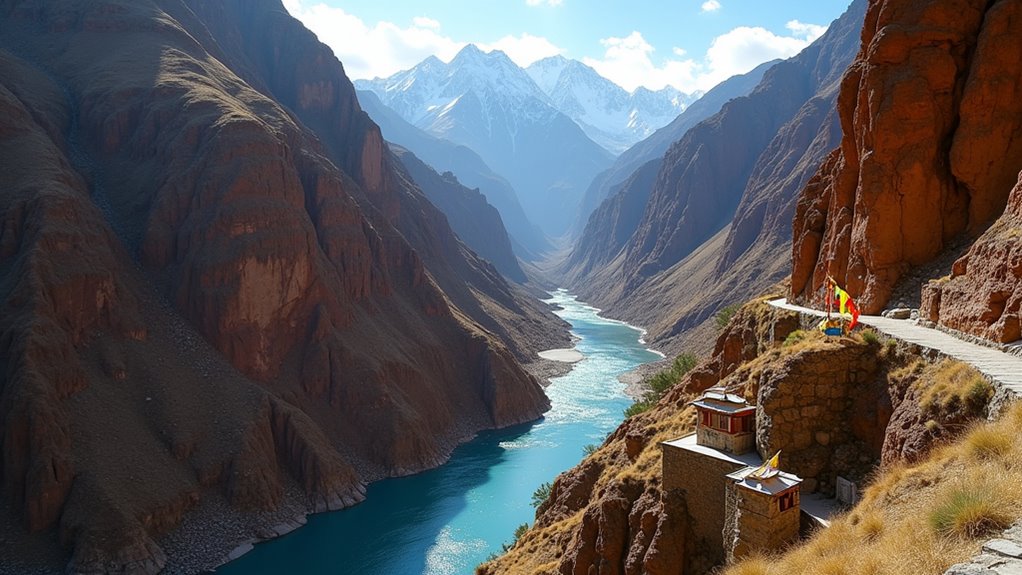
Among the world’s deepest canyons, the Yarlung Tsangpo Grand Canyon near Nyingchi offers budget travelers an incredible hiking experience through one of Tibet’s most biodiverse regions. This massive gorge stretches over 300 miles, creating dramatic landscapes where subtropical forests meet towering peaks.
Hikers can explore well-marked trails that wind through pristine wilderness, showcasing rare flora and fauna unique to eastern Tibet. The canyon’s lower elevations provide an invigorating contrast to Tibet’s typical high-altitude terrain, making it accessible for most fitness levels.
Budget-conscious travelers should pack their own meals and camping gear, as accommodation options are limited. Local guides aren’t essential for main trails, but they’ll enhance the experience with knowledge of hidden viewpoints and wildlife spotting opportunities.
The best hiking season runs from April through October.
Visit Tashilhunpo Monastery in Shigatse
Founded in 1447, Tashilhunpo Monastery stands as one of Tibet’s most significant religious sites and serves as the traditional seat of the Panchen Lama in Shigatse.
Visitors can explore the monastery’s impressive halls, including the giant golden statue of Maitreya Buddha that towers 26 meters high. The complex houses hundreds of monks who continue ancient traditions through daily prayers and ceremonies.
Entry costs around 55 yuan, making it an affordable cultural experience. Early morning visits offer the best lighting for photography and fewer crowds.
Don’t miss the debate courtyard where monks practice philosophical discussions. The monastery’s whitewashed walls and golden roofs create stunning contrasts against Tibet’s blue skies.
Plan at least two hours to fully appreciate the intricate murals, Buddhist artifacts, and peaceful atmosphere.