
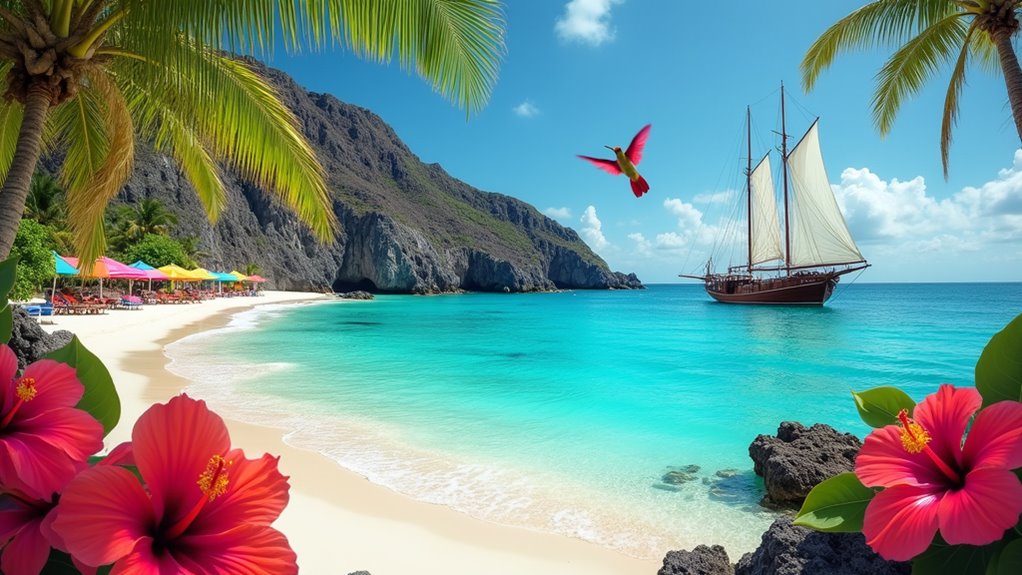
You can swim with friendly stingrays in Cayman’s shallow waters, snorkel Turks and Caicos’ pristine reefs, or dive Bonaire’s 60+ shore sites without needing a boat. Explore Old San Juan’s massive Spanish forts, dance through Trinidad’s vibrant Carnival, or sail the British Virgin Islands’ 40+ destinations. Don’t miss Jamaica’s reggae birthplace in Kingston, Antigua’s 365 beaches, or Martinique’s French-Creole markets. From active volcanoes to underwater caves, each island offers distinct adventures you won’t find anywhere else.
- Snorkel Grace Bay Beach in Turks and Caicos
- Shore Dive Bonaire’s Marine Park
- Swim With Stingrays at Cayman Islands’ Sandbar
- Explore Old San Juan’s 16th-Century Spanish Forts
- Walk Through Old Havana’s Colonial Plazas
- Hike to Dominica’s Boiling Lake
- Climb St. Lucia’s Pitons for Panoramic Views
- Tour Barbados’ Historic Rum Distilleries
- Sail Between the British Virgin Islands
- Experience Trinidad’s Carnival Street Parties
- Dive Belize’s UNESCO Barrier Reef
- Feast in Grand Case, St. Martin’s Restaurant Hub
- Trek El Yunque’s Rainforest Trails in Puerto Rico
- Island-Hop Through St. Vincent and the Grenadines
- Visit the Swimming Pigs at Exuma Cays
- Explore Jamaica’s Reggae Heritage in Kingston
- Witness Montserrat’s Active Volcano Landscapes
- Beach-Hop Antigua’s 365 Shores
- Discover Saba’s Untouched Diving Walls
- Enjoy French-Creole Culture in Martinique and Guadeloupe
- The Sum Up
Snorkel Grace Bay Beach in Turks and Caicos
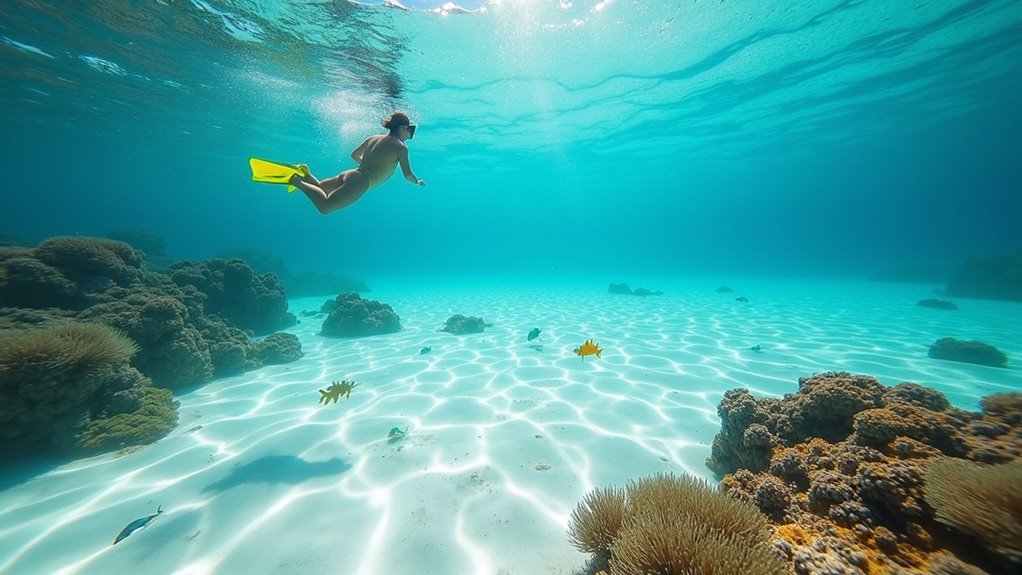
While Grace Bay Beach’s pristine 12-mile stretch of white sand ranks among the world’s best beaches, you won’t find great snorkeling right off the main shoreline due to its consistently sandy bottom. Instead, head to nearby Bight Reef (Coral Gardens), just a 20-minute walk west from central Grace Bay.
This beginner-friendly spot features marked snorkel trails, safety buoys, and 3-16 feet of clear water where you’ll spot sea turtles, rays, and colorful reef fish.
For budget-conscious travelers, Smith’s Reef near Turtle Cove Marina offers free access, though entry’s rocky and there’s no lifeguard. Grace Bay Beach itself is part of the Princess Alexandra National Park, ensuring its waters remain consistently clean and protected.
If you can splurge, boat tours to the outer barrier reef provide spectacular snorkeling with deeper coral formations and larger marine life on the world’s third-largest reef system.
Shore Dive Bonaire’s Marine Park
If you’re seeking world-class diving without the hefty boat tour costs, Bonaire’s Marine Park delivers unmatched shore diving across 60+ sites marked by yellow-painted rocks along the coastal road. You’ll park directly beside entry points and walk straight into calm waters along the leeward coast, where fringing reefs start close to shore.
Most popular sites like Salt Pier and Margate Bay offer depths of 30-40 feet above reef slopes, perfect for exploring 57+ coral species and 350+ fish species. You’ll need to pay STINAPA’s Nature Fee before diving, but that’s your only major expense.
Rent a pickup truck for easy tank transport between drive-through fill stations. The southern advanced sites reward experienced divers with tarpon, sharks, and rays at deeper drop-offs. The marine park uses security measures to monitor and protect its pristine underwater ecosystems from potential threats.
Swim With Stingrays at Cayman Islands’ Sandbar
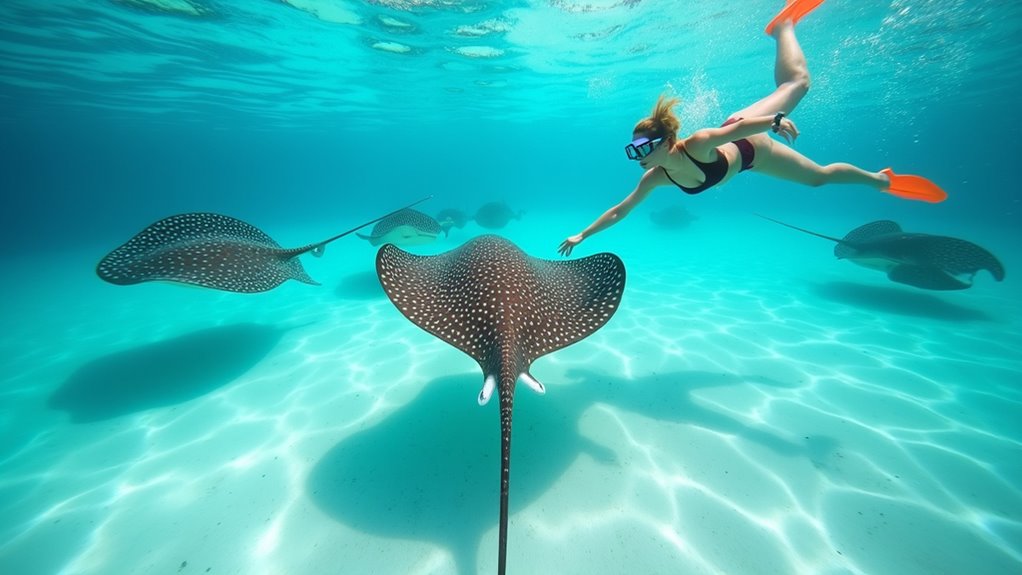
Just a short boat ride from Bonaire’s reef-hugging shores, the Cayman Islands offer an entirely different underwater encounter that’s become the Caribbean’s most famous wildlife experience. At Stingray City Sandbar, you’ll stand in waist-deep water while dozens of friendly southern stingrays glide around you, some with wingspans reaching six feet.
This shallow sandbar sits four miles off Grand Cayman’s north coast, accessible only by boat tours that typically run 3-4 hours door-to-door. You’ll spend about 45 minutes at the actual site, where these docile rays have gathered since the 1980s thanks to local fishermen’s discarded catch. The rays learned to associate boat engine sounds with feeding time, creating this unique gathering spot.
Book morning tours for calmer seas and better visibility. Professional charters provide snorkel gear and safety briefings, ensuring you’ll safely experience this unique natural aquarium.
Explore Old San Juan’s 16th-Century Spanish Forts
Since Old San Juan sits on a strategic peninsula overlooking the Atlantic, it’s no surprise that Spanish colonizers built two massive fortresses here to protect their Caribbean empire’s most important port. You’ll want to explore both El Morro and San Cristóbal, which together form a UNESCO World Heritage Site that’s free to visit with a small parking fee.
Start at El Morro, the oceanfront citadel that rises 140 feet above sea level. You can walk through six levels of thick-walled defenses and see where Spanish cannons once repelled Sir Francis Drake’s fleet in 1595. The fortress walls reach an impressive 18-25 feet thick, built to withstand centuries of attacks from European rivals.
Then head to San Cristóbal, the largest Spanish fort in the New World, which protected the city’s landward approaches. Both forts offer stunning views and fascinating glimpses into 400 years of Caribbean military history.
Walk Through Old Havana’s Colonial Plazas
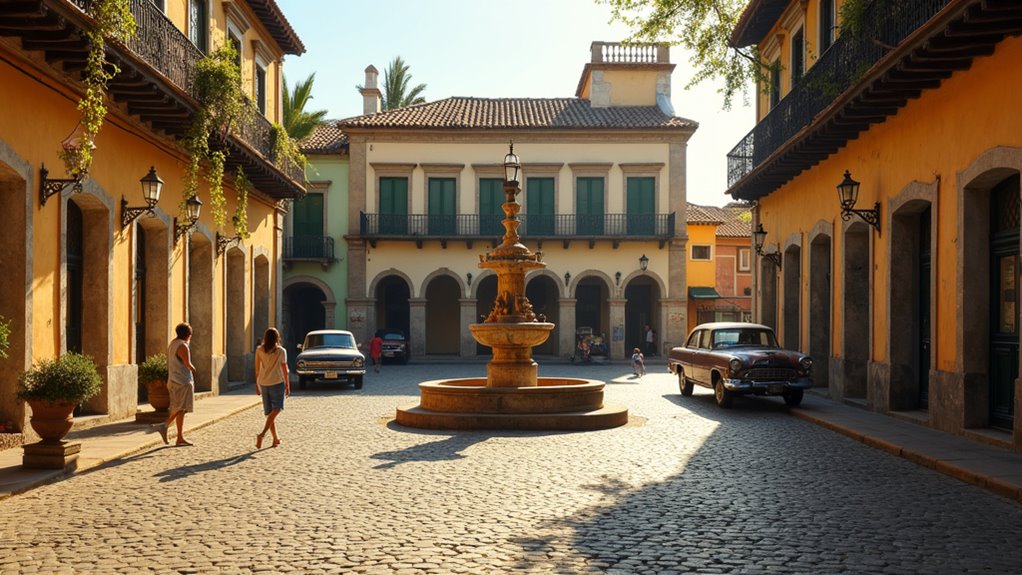
While most Caribbean destinations showcase their colonial past through single landmarks, Old Havana offers an entire network of interconnected plazas that’ll transport you through five centuries of Cuban history.
Start at Plaza de Armas, the city’s 1519 birthplace, where you’ll find El Templete marking Havana’s first mass. Don’t miss the unique wooden-paved street extending in front of the historic Palacio de los Capitanes Generales, an experiment to reduce noise from horse hooves and carriages.
Walk to Plaza de la Catedral to admire Cuban Baroque architecture surrounding the stunning cathedral.
Continue to Plaza de San Francisco de Asís near the old harbor, featuring the beautiful Fountain of Lions and a former convent turned concert hall.
End at trapezoid-shaped Plaza Vieja, restored from a parking lot into a vibrant cultural hub with cafes, bars, and a microbrewery where you can grab affordable drinks while soaking in the atmosphere.
Hike to Dominica’s Boiling Lake
From Havana’s historic cobblestones, you’ll find an entirely different kind of adventure awaits in Dominica, where volcanic forces have created one of the world’s most challenging and rewarding hikes. The trek to Boiling Lake demands 6-8 hours of your time and serious preparation.
You’ll tackle steep, muddy trails through rainforest, scramble up Morne Nicholls ridge, and navigate the otherworldly Valley of Desolation with its bubbling streams and sulfur vents.
Start before 10 a.m. with sturdy boots, plenty of water, and rain gear. While guides aren’t mandatory, they’re worth considering for safety around geothermal hazards.
Your reward? Standing beside the world’s second-largest boiling lake, watching greyish-blue water bubble violently through rising steam. The lake sits at 2,640 feet elevation and formed when rainfall and streams collected in a flooded fumarole, with water seeping into hot lava below and heating to boiling point.
Climb St. Lucia’s Pitons for Panoramic Views
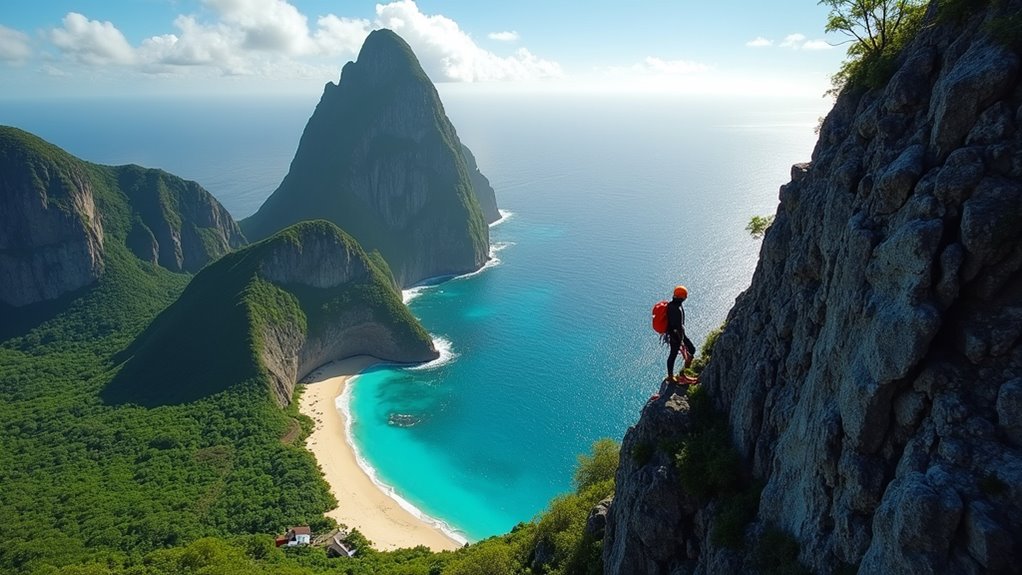
Two volcanic spires pierce the sky along St. Lucia’s southwest coast, creating one of the Caribbean’s most dramatic hiking experiences. Gros Piton and Petit Piton rise nearly 2,600 feet from the sea, offering breathtaking panoramic views for those willing to tackle the challenge.
You’ll want to focus on Gros Piton—it’s the safer, more accessible option. The 4-6 hour round trip hike covers about 3-4 miles with 2,000 feet of elevation gain. Expect steep terrain that’s fundamentally a “vertical staircase” combining rock steps, roots, and wooden stairs.
Budget around $30-50 for mandatory guide fees—pay directly at the welcome center for better rates. The difficulty’s rated 8/10, so you’ll need solid fitness. Consider bringing hiking poles as they’re especially helpful on wet, slick sections during descent.
Skip Petit Piton unless you’re an experienced climber; it’s treacherous with extreme exposure.
Tour Barbados’ Historic Rum Distilleries
Since Barbados claims the title of rum’s birthplace, you’ll find some of the world’s most historic distilleries scattered across this small island. Mount Gay, established in 1703, offers tours at their Bridgetown visitor center where you can explore the original distillery site and enjoy tastings.
Foursquare in St. Philip provides free factory tours with optional paid tastings of brands like Doorly’s and Sixty Six. The distillery is situated on a former sugar plantation that now includes a heritage park with colonial buildings and a folk museum.
For a unique experience, visit St. Nicholas Abbey, a restored 1658 plantation estate that combines architecture, history, and small-batch rum production.
While West Indies Rum Distillery produces 80% of the island’s rum, they don’t offer regular public tours, so focus your time on the accessible distilleries for the best value.
Sail Between the British Virgin Islands
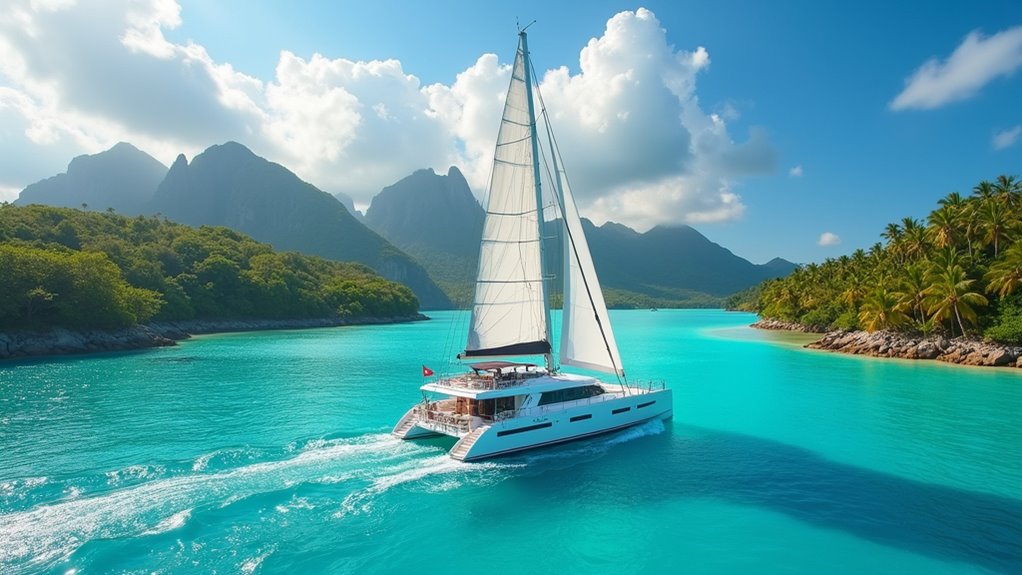
Forty-plus islands scattered across pristine Caribbean waters make the British Virgin Islands one of the world’s premier sailing destinations. Here, you can island-hop through protected channels with steady trade winds and short passages between anchorages.
Charter from Tortola’s Road Town and follow classic seven-day routes hitting Norman Island’s pirate caves, Virgin Gorda’s massive granite Baths, and Jost Van Dyke’s legendary beach bars. Daily passages run just 1-3 hours between stops, with distances of 6-14 nautical miles. Extended 10-day itineraries add destinations like North Sound, Trellis Bay, and West End for deeper exploration of the islands.
Peak season spans December through April when northeast trades blow consistently at 15-20 knots. You’ll find moorings and marina slips at major stops, though reservations help during busy periods. Skip hurricane season (June-November) and always arrive at new anchorages during daylight—these waters hide plenty of reefs and shoals.
Experience Trinidad’s Carnival Street Parties
From peaceful sailing between quiet cays, you’ll find the Caribbean’s most explosive celebration in Trinidad, where Carnival transforms Port of Spain into the world’s wildest street party. You’ll want to arrive during Carnival season (late December through March) to experience the full buildup of fetes and competitions leading to the main event.
Start your Monday at 4 AM with J’ouvert, dancing through streets covered in paint, mud, and powder until sunrise. Join a masquerade band by purchasing costume packages that include road access, security, and drinks.
Tuesday brings the peak parade with elaborate feathered costumes along Queen’s Park Savannah. Beyond the main parades, you can witness traditional stick-fighting competitions that showcase the island’s rich cultural heritage.
Soca and calypso music blast from massive trucks while thousands of costumed revelers move through designated routes. It’s organized chaos that’ll leave you exhausted but exhilarated.
Dive Belize’s UNESCO Barrier Reef
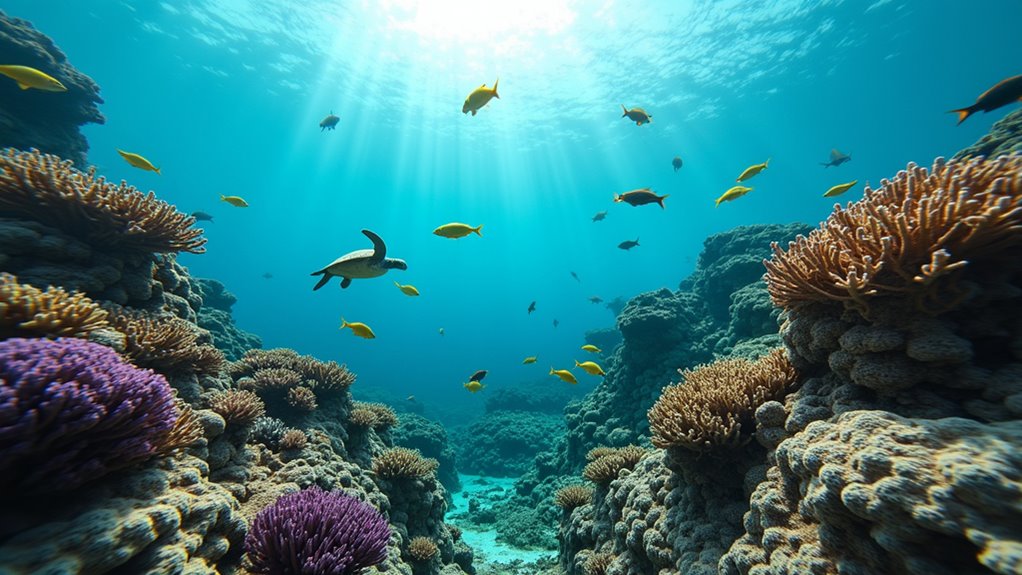
Just ninety miles off Belize’s coast lies the world’s second-largest barrier reef system, where you’ll find some of the Caribbean’s most spectacular diving without breaking the bank. This UNESCO World Heritage Site stretches 300 kilometers and hosts over 500 fish species across three stunning atolls: Turneffe, Glover’s, and Lighthouse.
You can’t miss the Great Blue Hole at Lighthouse Reef—Jacques Cousteau’s famous deep sinkhole offers unforgettable wall dives with ancient stalactites.
Turneffe Atoll provides the closest access from mainland with incredible fish density, while Glover’s Reef delivers dramatic pinnacles and channels.
Budget-friendly dive operators run trips from Ambergris Caye and Placencia, offering excellent visibility year-round. You’ll encounter everything from reef sharks to colorful coral gardens across 450 cayes and mangrove islands. The reef supports 70 hard coral species and 36 soft coral varieties, creating vibrant underwater landscapes that make every dive unique.
Feast in Grand Case, St. Martin’s Restaurant Hub
Along one mile of beachfront in St. Martin’s Grand Case, you’ll find the Caribbean’s culinary capital packed with over two dozen restaurants. This walkable food hub on the French side offers everything from haute cuisine bistros to budget-friendly “lolos” – open-air barbecue shacks serving grilled seafood, ribs, and Creole sides on plastic tables.
You can’t go wrong with acclaimed French spots like Bistrot Caraibes or La Villa Restaurant, but don’t skip the authentic local vibes at Sky’s the Limit or Talk of the Town lolos.
Plan evening restaurant-hopping along the strip – grab aperitifs at one spot, dinner at another, then dessert elsewhere. Book ahead during high season (December-April) when venues fill quickly. The area’s boutique resorts complement the dining scene with scenic settings for visitors seeking an immersive culinary getaway.
Grand Case Beach provides stunning sunset dining with panoramic sea views.
Trek El Yunque’s Rainforest Trails in Puerto Rico
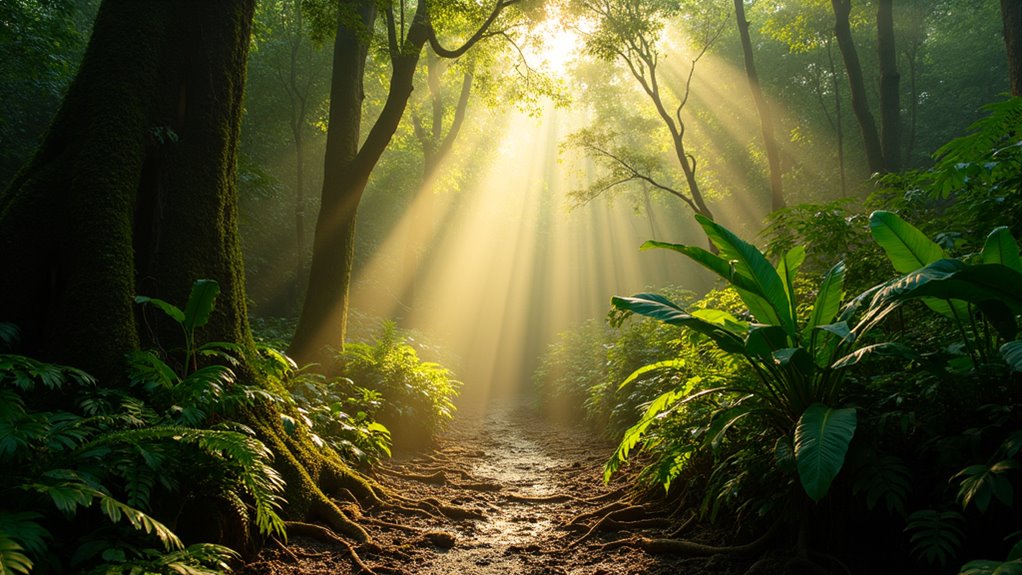
While most Caribbean destinations offer beaches and bars, Puerto Rico’s El Yunque National Forest delivers an entirely different adventure through the only tropical rainforest in the U.S.
You’ll find trails for every skill level, from the easy 0.4-mile Caimitillo Trail perfect for families to the challenging 4.9-mile round-trip El Toro Wilderness Trail reaching 3,533 feet elevation.
Budget-conscious travelers love that these trails are free to explore. Pack waterproof hiking boots since paths get muddy and slippery, especially after frequent rainforest showers.
Bring water, snacks, and insect repellent for longer hikes.
You’ll discover waterfalls, natural pools, observation towers, and panoramic viewpoints showcasing diverse ecosystems from sierra palms to cloud forests. The forest holds deep cultural significance as the mythological home of Yúcahu, the Taíno deity of fertility and peace.
Check trail conditions before visiting, as some paths occasionally close for maintenance.
Island-Hop Through St. Vincent and the Grenadines
Thirty-two tropical islands scattered across turquoise waters make St. Vincent and the Grenadines perfect for island-hopping adventures. You’ll want to budget 10-12 days for a proper multi-island experience, spending three nights per destination to avoid rushed transfers.
Start with the affordable Jaden Sun Fast Ferry connecting Kingstown to Bequia, Canouan, Mayreau, and Union Island in 2.5-3 hours. Don’t miss Bequia’s Princess Margaret Beach or Mustique’s celebrity hideaway vibes at Basil’s Bar.
Tobago Cays Marine Park offers world-class snorkeling with sea turtles and vibrant coral gardens. For the best experience, book a private water taxi day trip from Union Island to reach these pristine islands with flexible timing and personalized service.
Use Union Island as your southern hub for exploring nearby gems like Petit St. Vincent and quirky Happy Island—a bar built entirely from conch shells. Book boat charters for flexible scheduling between closer islands.
Visit the Swimming Pigs at Exuma Cays
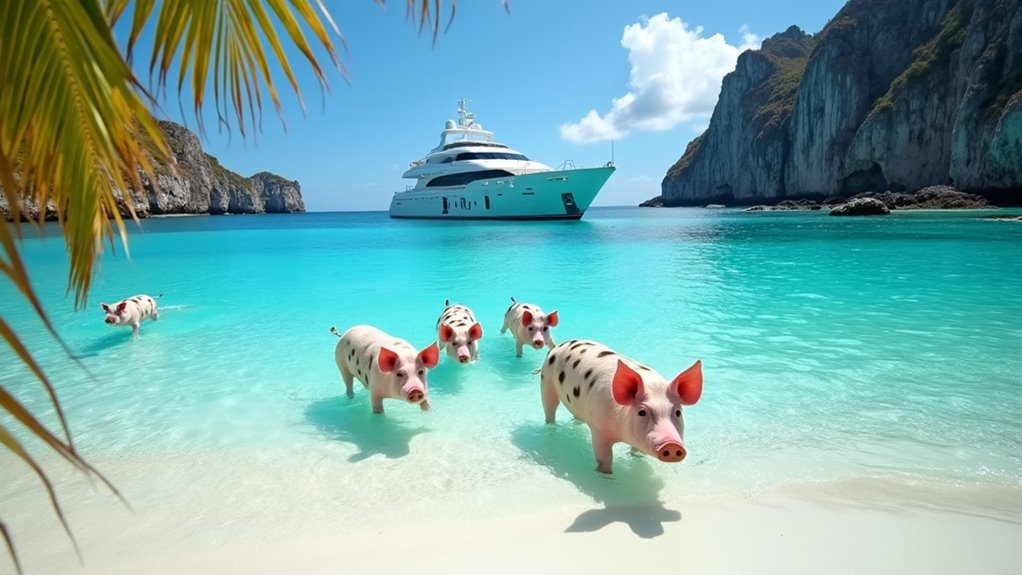
Moving north from the Grenadines to The Bahamas, you’ll find one of the Caribbean’s most Instagram-famous attractions at Big Major Cay in the Exuma Cays. These swimming pigs have transformed a quiet uninhabited island into a world-renowned destination where you can interact with friendly feral pigs in crystal-clear waters.
Book early-morning tours for the best experience—pigs are more active and beaches less crowded before midday heat. You’ll typically enjoy shallow-water interaction, supervised feeding, and photo opportunities with adults and piglets.
Access Big Major Cay via boat from Staniel Cay (10 minutes) or combine it with full-day excursions visiting multiple cays. The pigs’ remarkable popularity has sparked dedicated conservation efforts to protect their island habitat and ensure their continued well-being.
Follow feeding guidelines strictly: use approved foods only and feed from boat level to prevent choking. Respect these unique animals by maintaining safe distances and avoiding processed foods.
Explore Jamaica’s Reggae Heritage in Kingston
Where else can you trace the rhythmic heartbeat that transformed global music forever? Kingston, Jamaica’s capital and UNESCO Creative City of Music, birthed reggae, ska, and dancehall right in its streets. Start your musical pilgrimage at the Bob Marley Museum on Hope Road, housed in his former home and Tuff Gong studio. You’ll explore memorabilia and actual recording spaces where legends were made.
Head to Trench Town, reggae’s birthplace, where Marley and the Wailers honed their craft. Walk Orange Street’s “Beat Street,” lined with historic record shops and production hubs. Experience authentic sound system culture in local dancehalls where operators like Coxsone Dodd pioneered the scene.
Visit during February’s Reggae Month for concerts, exhibitions, and community celebrations that showcase both classic roots and contemporary artists.
Witness Montserrat’s Active Volcano Landscapes
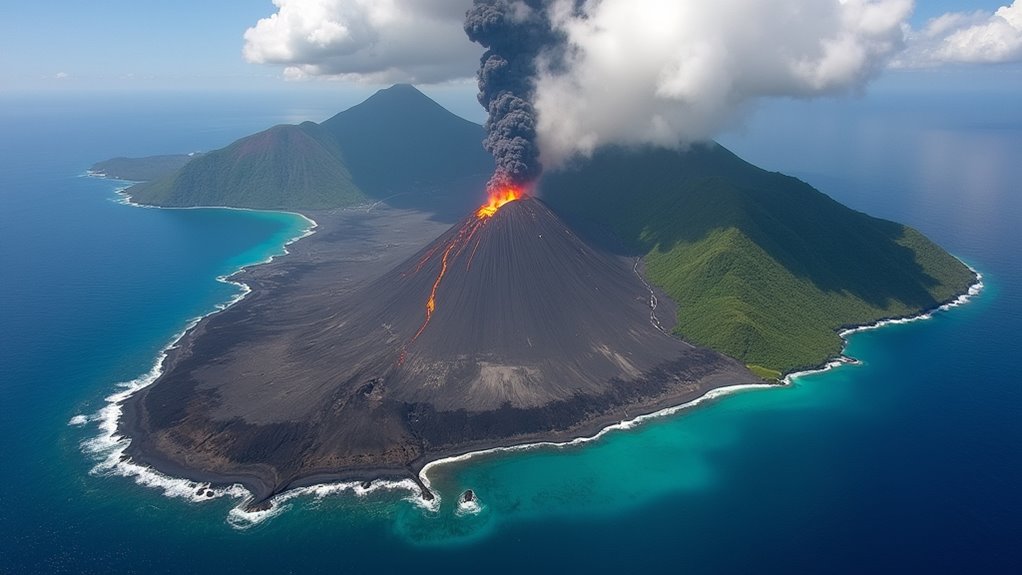
Since few places on Earth let you witness an active volcano’s raw power this safely, Montserrat offers an extraordinary geological adventure that’s both accessible and budget-friendly.
You’ll find the Montserrat Volcano Observatory visitor center provides real-time monitoring data and educational displays at minimal cost.
Head to Jack Boy Hill for panoramic views of Soufrière Hills and the buried capital Plymouth – it’s one of the closest legal viewpoints available.
The Garibaldi Hill Trail offers elevated vantage points perfect for photography.
While helicopter tours cost more, guided volcano tours provide affordable alternatives for closer observation.
Always check current hazard levels before visiting, and don’t enter Zone V or maritime exclusion areas.
Exercise caution crossing Belham Valley, especially after rainfall when flash floods threaten.
Beach-Hop Antigua’s 365 Shores
Antigua’s famous “365 beaches, one for every day of the year” aren’t just marketing hype – they’re your ticket to discovering some of the Caribbean’s most diverse coastline without breaking the bank. All beaches are public access, so you can explore resort-quality sand without paying resort prices.
Start your beach-hopping along the west coast corridor linking Jolly Beach, Ffryes, Darkwood, and Turner’s – you’ll cover multiple stunning beaches in one day’s drive.
For postcard-perfect scenery, hit Half Moon Bay’s crescent-shaped white sand and crystal waters on the southeast coast.
North coast favorites like Dickenson Bay offer full amenities and water sports, while secluded gems like Rendezvous Bay provide wilder, undeveloped experiences.
Pack snorkel gear for Carlisle Bay’s reefs.
Discover Saba’s Untouched Diving Walls
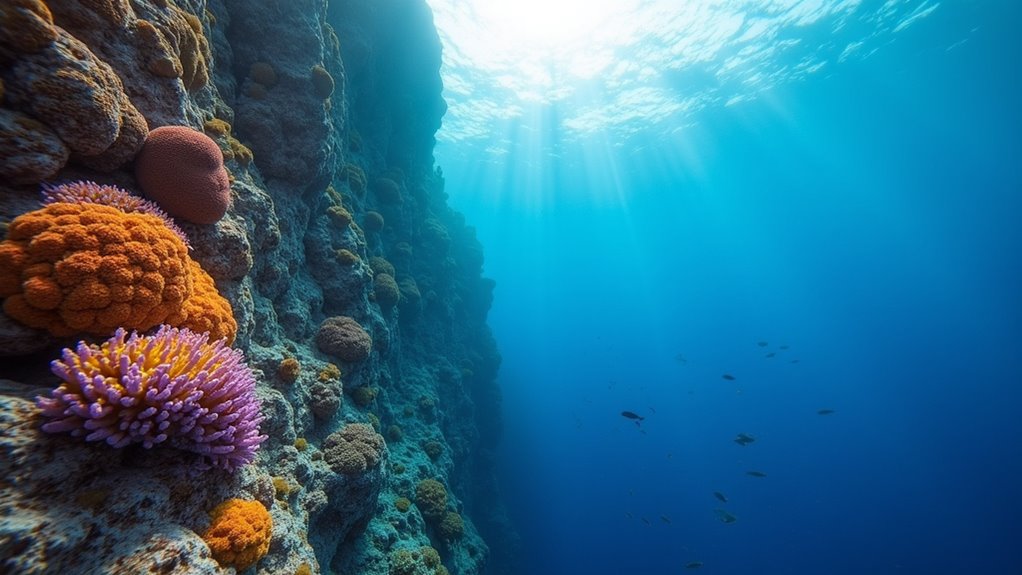
Five miles south of St. Maarten, tiny Saba packs serious diving punch with volcanic walls and pinnacles that’ll blow your mind. This dormant volcanic cone drops dramatically underwater, creating sheer walls and jagged formations perfect for wall diving.
You’ll explore sites like Tent Reef Wall, starting shallow at 4-13 feet before plunging into deep blue water. Third Encounter pinnacle rises from 150 feet to a 90-foot summit—it’s considered one of the Caribbean’s top wall dives. The narrow Eye of the Needle spire drops straight into the abyss.
Expect regular shark encounters, plus groupers, turtles, and vibrant coral formations. Saba National Marine Park‘s protection since 1987 shows—the marine life here’s exceptional. Most sites sit just 5-20 minutes by boat from Fort Bay.
Enjoy French-Creole Culture in Martinique and Guadeloupe
Two French overseas departments in the Caribbean offer you an authentic taste of French-Creole culture that’s unlike anywhere else in the region. In Martinique and Guadeloupe, you’ll experience fascinating bilingual communities where locals seamlessly switch between French and Antillean Creole throughout their day.
Start your culture at bustling markets, sampling accras (salt-cod fritters) and bokits while listening to gwoka drumming. You’ll discover how African, French, and Indigenous influences created unique Creole cuisine featuring cassava, plantain, and local spices like colombo powder.
Don’t miss trying authentic agricole rum at local distilleries—Martinique’s AOC-protected spirits offer exceptional quality at reasonable prices.
Time your visit during Carnival season to witness spectacular street performances blending Catholic traditions with Afro-Creole masquerades, complete with satirical costumes and traditional call-and-response singing.
The Sum Up
You’ve got endless adventures waiting across the Caribbean, and you don’t need to break the bank to experience them. Mix free activities like exploring colonial plazas and hiking volcanic landscapes with budget-friendly snorkeling and beach-hopping. Book during shoulder season for better deals, choose local guesthouses over resorts, and eat where locals do. With proper planning, you’ll discover that paradise doesn’t require a fortune – just curiosity and smart spending choices.