If you’re dreaming of standing at the top of Africa, the 6-day Kilimanjaro hike along the Marangu Route offers a compelling way to make that dream a reality. While it’s often called the “Coca-Cola Route” because of its popularity, this journey is anything but routine.
It’s a true test of endurance and spirit, packed with scenic variety—from lush rainforests to stark alpine deserts—plus the chance to earn a certified summit.
Our review is based on extensive descriptions and feedback from travelers who have taken this route, highlighting what makes it special and what to keep in mind. We love the well-maintained trail and the knowledgeable guides, which help make the climb accessible and rewarding. On the flip side, the crowded huts and the early start for the summit can be challenging.
This experience suits those who value a structured itinerary, comfortable camps, and a high likelihood of reaching Uhuru Peak, Africa’s roof.
- Key Points
- An Honest Look at the 6-Day Kilimanjaro Marangu Route Experience
- The Itinerary: What You’ll Do Day by Day
- The Practicalities: What’s Included and What’s Not
- Transportation and Group Experience
- The Trail: What You’ll Love and Watch Out For
- Challenges and Considerations: Is It Right for You?
- Who Is This Tour Best For?
- Final Thoughts: Is It Worth It?
- FAQ
- The Best Of Moshi!
- More Hiking & Trekking Tours in Moshi
- More Tour Reviews in Moshi
Key Points
- Accessible and well-organized route with a mix of rainforest, moorland, and alpine desert scenery.
- Includes all essentials such as permits, transfers, guides, meals, and a summit certificate.
- Popular for its straightforward trail, but it can be crowded at camps and summit day.
- Excellent for first-timers seeking a guided, supported climb with professional staff.
- A bit of physical preparation is recommended due to the altitude and length.
- Valuable cultural and natural insights from experienced guides.
👉 See our pick of the Moshi’s 16 Top Tours & Things To Do
An Honest Look at the 6-Day Kilimanjaro Marangu Route Experience
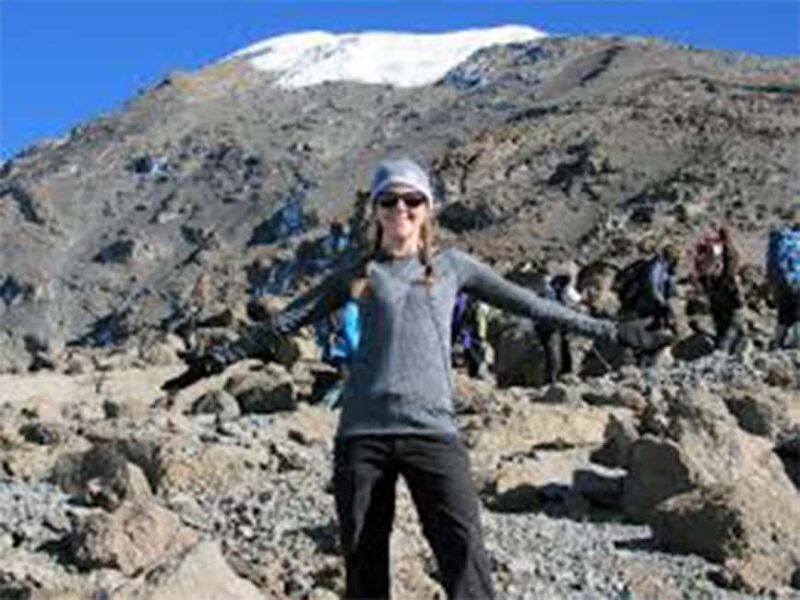 1 / 3
1 / 3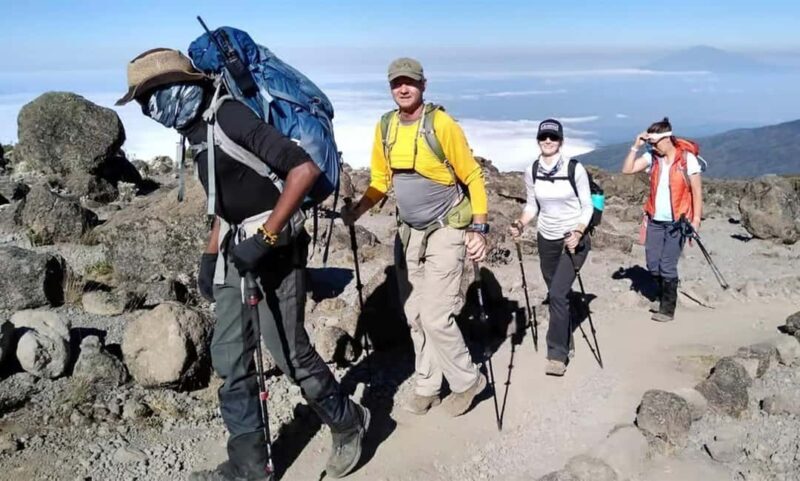 2 / 3
2 / 3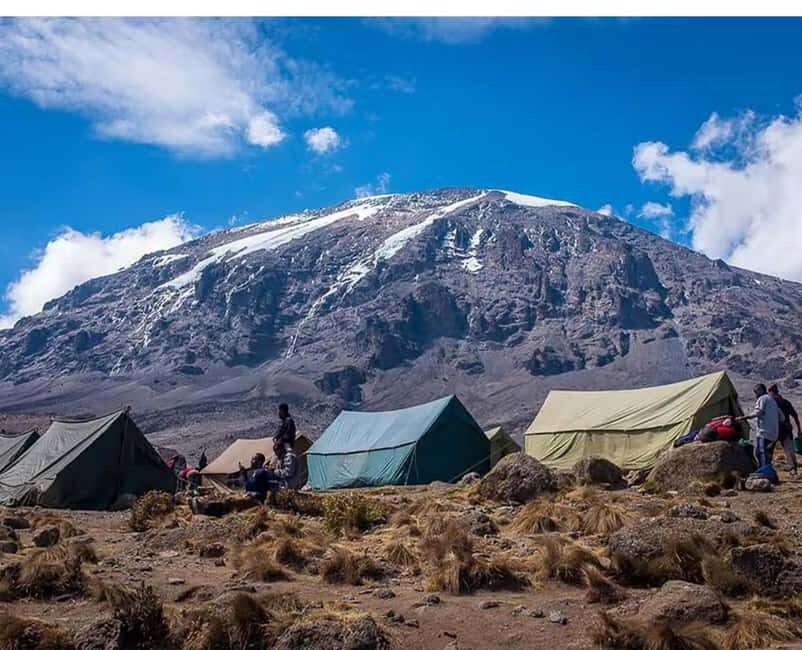 3 / 3
3 / 3You can also read our reviews of more hiking tours in Moshi
The Itinerary: What You’ll Do Day by Day
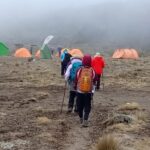
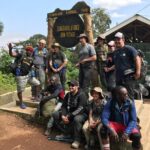
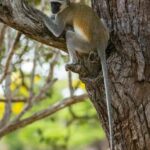
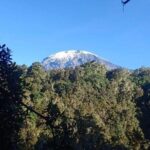
Starting in Moshi or Arusha, your adventure begins with a scenic drive to Marangu Gate (1,860 meters). From there, the trail winds into a lush rainforest—a highlight in itself. We loved how the well-maintained path made for a comfortable start, with vibrant birdlife and the possibility of glimpsing colobus monkeys. The initial part of the hike is gentle, making it a great warm-up before gaining altitude.
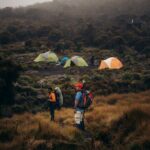
After about 4 to 4.5 hours, you arrive at Mandara Hut (2,720 meters). Here, the lush greenery slowly gives way to more open terrain, setting the stage for the next day. The huts are basic but comfortable, providing a cozy base for your first night in the mountain’s atmosphere.
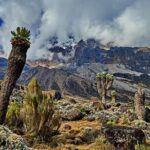
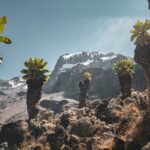
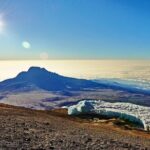
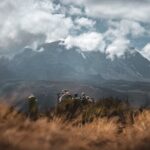
The next morning, the trek progresses through heath and moorland—a stark contrast to the rainforest. The landscape opens up, and if the weather cooperates, you’ll see stunning views of Mawenzi Peak. The path is about 12 kilometers, and the pace is moderate. The campsites at Horombo Hut (3,720 meters) are often lively, with climbers sharing stories after a day’s trek. It’s worth noting that this day allows you to acclimate a bit and enjoy the mountain’s diverse flora, including groundsels and giant lobelias.
An extra day at Horombo is built in for acclimatization, which we highly recommend. You can take a short hike toward Mawenzi Hut for panoramic views of the peaks, helping your body adjust to higher altitudes. This day is crucial, especially if you’re concerned about altitude sickness, and it adds comfort to the journey.
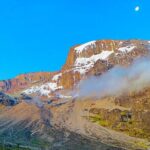
From Horombo, the trail heads across the saddle, a barren, alpine desert-like landscape connecting Mawenzi and Kibo peaks. The scenery is dramatic and stark, with fewer plants. The goal here is Kibo Hut (4,700 meters), where you’ll rest before the final push. The long day involves a gradual ascent, and the early dinner and rest prepare you for the midnight start.
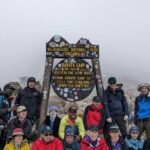
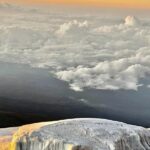
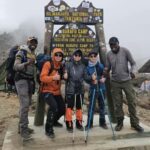
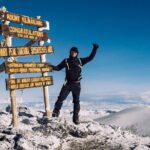
The summit day is tough but memorable. Starting around midnight, you’ll climb in the dark, with headlamps illuminating switchbacks leading to Gilmans Point (5,685 meters). From there, it’s a steep, challenging walk to Uhuru Peak (5,895 meters). Expect to face cold, wind, and fatigue, but the reward—watching the sunrise over the plains—is worth every step. Many travelers describe it as a life-changing moment.
After celebrating at the top, you’ll descend back to Kibo to catch your breath, then continue down to Horombo Hut. The descent is faster but just as important for recovery. The final day takes you back through moorland and rainforest to Marangu Gate, where you’ll sign out and get your certified summit—a tangible reminder of your achievement.
The Practicalities: What’s Included and What’s Not
The tour’s price of $1,520 per person covers quite a lot, making it a good value for the comprehensive experience. Included are national park fees, professional guides, meals and water, transfers, and accommodation before and after the trek. This all-in package simplifies planning and ensures you’re well-supported.
What’s not included are personal expenses, visas, international flights, alcohol, and beverages. These are standard exclusions, but it’s worth budgeting extra for souvenirs, tips, or special drinks.
Transportation and Group Experience
Travelers will appreciate the included transfers from their hotel in Moshi or Arusha, making logistics hassle-free. The guides are described as knowledgeable, offering insights into Kilimanjaro’s ecology, geology, and local culture. Groups tend to be small enough for personalized attention, but the route’s popularity means you might share the huts with other climbers, adding a lively, communal atmosphere.
More Great Tours NearbyThe Trail: What You’ll Love and Watch Out For
The well-maintained trail makes the Marangu Route accessible, especially for first-timers. The gradual ascent and familiar huts simplify logistics, but the crowds can diminish the feeling of wilderness. Some reviews mention that the huts are crowded, especially at Horombo and Kibo, which might limit privacy and serenity.
The scenery variety is a highlight. You’ll love the lush rainforest, with its birds and monkeys, then the expansive moorland, and finally the stark alpine desert—each segment offering a different perspective on Kilimanjaro’s grandeur. The guides’ expertise is frequently praised, with many travelers noting how their insights enhanced the experience.

Challenges and Considerations: Is It Right for You?
While the route is considered one of the easier ways to reach the summit, the altitude still presents risks. You need to be prepared for early mornings, cold temperatures, and physical fatigue. The crowded huts and the early start on summit day can also be taxing, particularly if you prefer solitude or a more rugged wilderness experience.
The price point reflects the guided, supported nature of the trip, but it’s worth noting that some travelers might find it more structured than they’d like. If you’re seeking a more solitary trek or a self-guided adventure, this may not be the best fit.
Who Is This Tour Best For?
This Kilimanjaro experience is ideal for first-time climbers or those who want a guided, supported ascent with a high chance of success. It’s perfect if you prefer comfortable camps, clear logistics, and expert guidance. The route is suited for travelers who appreciate scenic diversity and are prepared for some physical challenge.
If your primary goal is to reach the summit without a grueling, technical climb, this tour hits the sweet spot. It’s also a smart choice for those who want to combine cultural visits or safaris with their mountain trek, given the proximity to Moshi and Arusha.
Final Thoughts: Is It Worth It?
Absolutely. The Kilimanjaro Marangu Route offers a comprehensive, guided experience that balances ease and challenge. For around $1,520, you get a well-organized adventure that includes permits, professional guides, comfortable camps, and a memorable journey to Africa’s highest point.
While it’s not the most remote or wild-feeling route, it compensates with excellent logistical support and diverse scenery. If you’re looking for a well-structured climb with a high success rate, this tour delivers reliable value.
In the end, many say the moment at Uhuru Peak makes every tough step worth it. Whether this is your first big mountain or your next great adventure, this Kilimanjaro trek is an experience you won’t forget.
6-Days Kilimanjaro Hike Marangu Route Summit Uhuru Peak
FAQ
What is included in the tour price?
The price covers the national park fee, transportation, professional guides, meals, water, and accommodation before and after the trek.
Do I need to bring my own gear?
You should bring basic hiking gear such as comfortable shoes, warm clothing, a hat, camera, snacks, sunscreen, jacket, gloves, sleeping bag, socks, flashlight, a daypack, a headscarf, trekking gear, and a power bank.
Can I pay later or cancel?
Yes, you can reserve your spot and pay later, keeping your plans flexible. Cancellations are accepted up to 24 hours in advance for a full refund.
Is this suitable for beginners?
Yes, the route’s gradual ascent and guided support make it suitable for those new to high-altitude trekking, though physical preparation is still advisable.
How physically demanding is the climb?
While the Marangu Route is considered one of the easier options, it still involves several days of trekking and overcoming altitude challenges. Proper acclimatization and fitness help.
Will I get a certificate?
Yes, if you reach Uhuru Peak or Gilmans Point, you will receive a summit certificate as proof of your achievement.
In summary, this Kilimanjaro trek via the Marangu Route offers a balanced mix of scenic diversity, guided support, and logistical ease, making it a prime choice for those eager to tick this iconic mountain off their bucket list. It’s a climb that combines adventure, comfort, and a genuine chance at an unforgettable achievement.
You can check availability for your dates here: