If you’re contemplating climbing Kilimanjaro, the 7-day Lemosho Route offered by Serengeti Insider Safaris provides an exciting blend of adventure, stunning scenery, and culture. While we haven’t personally strapped on hiking boots, this tour strikes us as a well-rounded option for those prepared for a physical challenge and eager to experience Africa’s highest peak in a safe, guided way.
What really sets this trip apart? First, the two nights in Arusha—a chance to acclimate and settle in before and after the climb. Second, the diverse landscapes you’ll traverse—rainforest, heather, alpine desert, and glacier views—all on one route. That said, a possible consideration for some travelers is the long walking days and steep paths, which demand solid fitness and mental stamina.
This trip fits best for active travelers, nature lovers, and those seeking an authentic, guided Kilimanjaro experience that respects the mountain’s challenging terrain.
- Key Points
- The Elevation and Landscape Changes
- The Famous Barranco Wall
- The Final Ascent
- What’s Included & What’s Not
- The Guides and Support Team
- Practical Tips for the Journey
- Who Is This Tour Perfect For?
- The Best Of Moshi!
- More 7-Day Experiences in Moshi
- More Hiking & Trekking Tours in Moshi
- More Tour Reviews in Moshi
Key Points
 1 / 7
1 / 7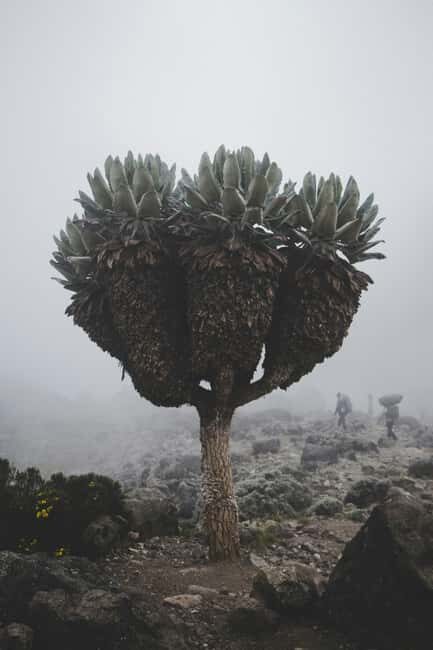 2 / 7
2 / 7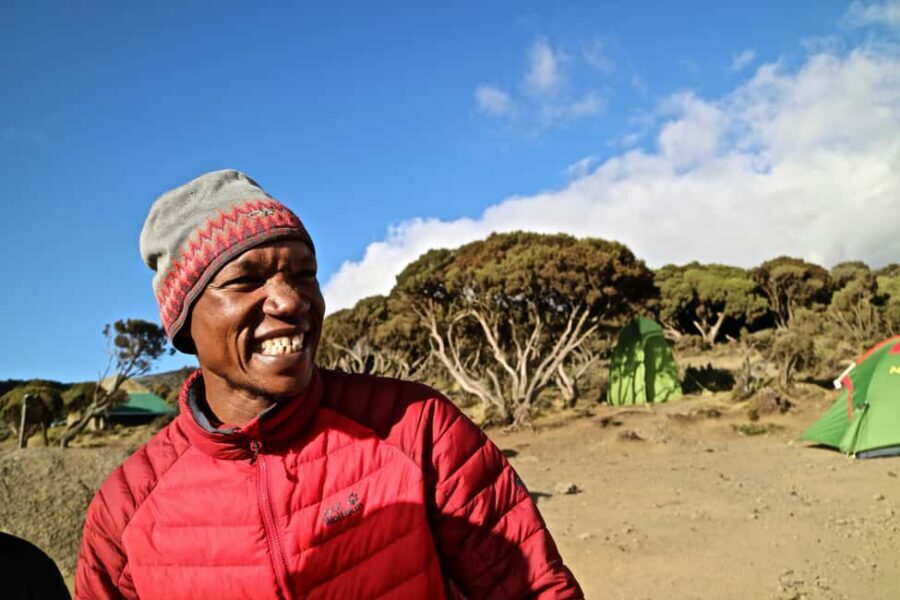 3 / 7
3 / 7 4 / 7
4 / 7 5 / 7
5 / 7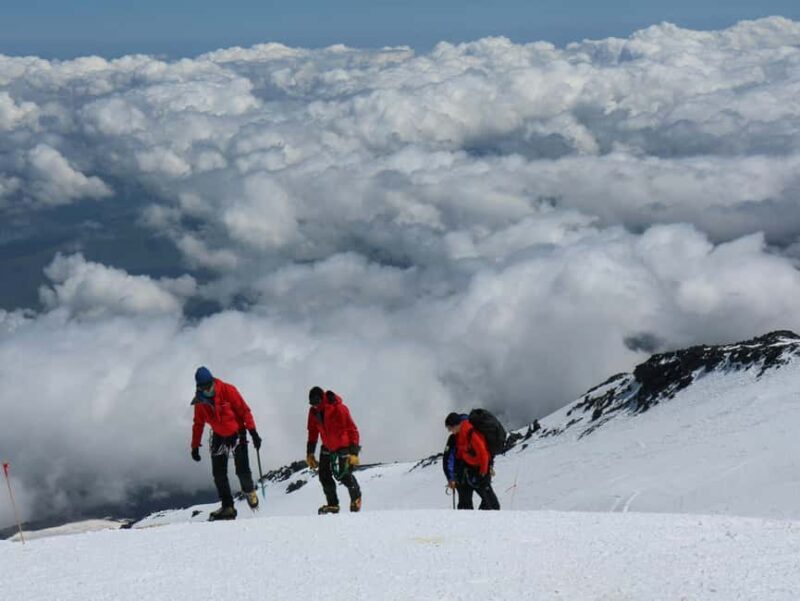 6 / 7
6 / 7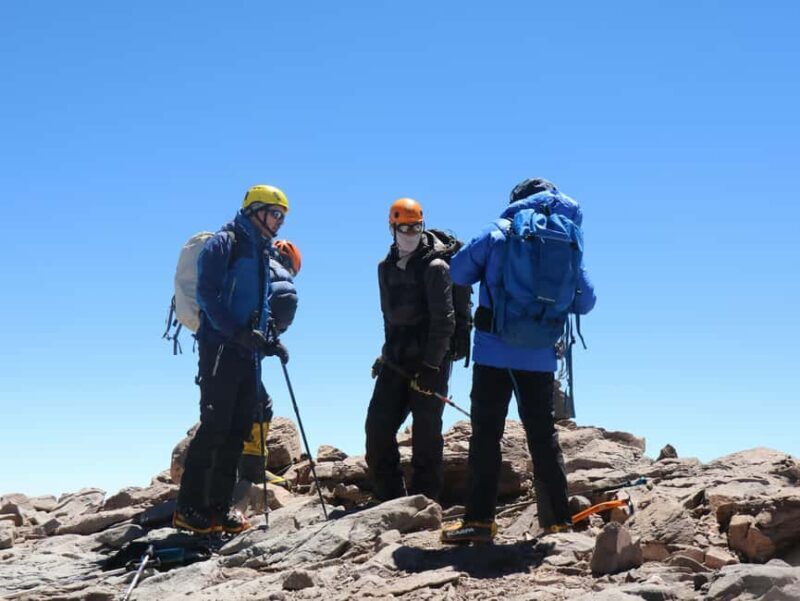 7 / 7
7 / 7- Balanced Itinerary: The 7-day schedule allows gradual acclimatization, increasing your chances of reaching the summit.
- Authentic Experience: Guided hikes through various eco-zones offer a genuine Kilimanjaro adventure, not just a quick climb.
- Comfort in Arusha: Two nights pre- and post-trek in a comfortable hotel help with acclimation and recovery.
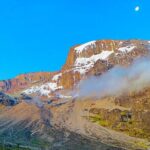
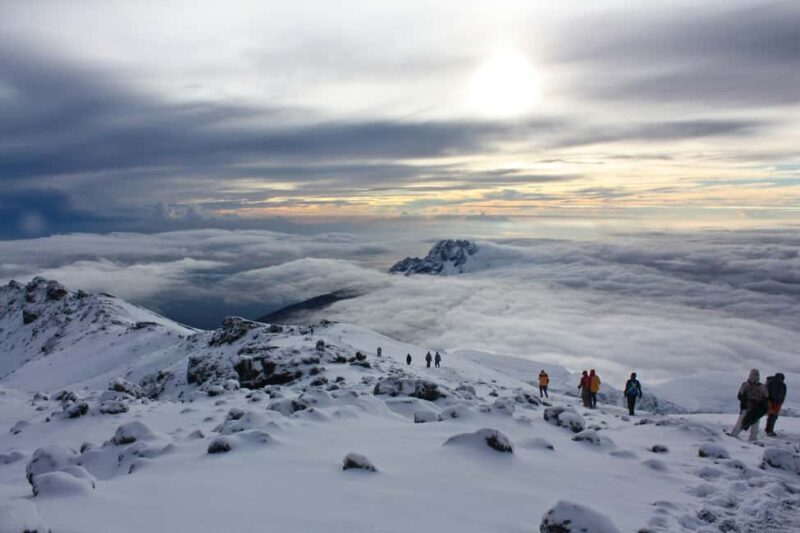
- Stunning Views & Photo Opportunities: Expect breathtaking scenes, including glaciers, Barranco Valley, and Kibo’s ice formations.
- Includes Essential Services: Park fees, guides, porters, all meals, and transfers are bundled, offering clear value.
- Physical Readiness Required: Expect long, steep days—adequate preparation is key for summit success.
Starting from the bustling town of Arusha, the tour offers a calming prelude and a well-earned rest afterward. The two nights in a comfortable hotel give travelers a chance to relax, meet guides, and review the upcoming adventure. It’s a thoughtful touch—many climbers appreciate the chance to shake off travel fatigue and go over last-minute questions.
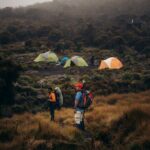
Once on the mountain, the first day begins at Lemosho Gate, where registration is quick, and you’re soon walking into lush rainforest. The initial trek to Big Tree Camp takes just a few hours but sets the tone—green, shaded, and teeming with birdlife. The path is gentle enough for a warm-up but still a good test of your fitness.
You can check availability for your dates here:
👉 See our pick of the Moshi’s 16 Top Tours & Things To Do
The Elevation and Landscape Changes
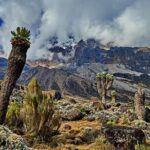
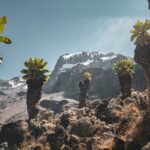
Day 2’s climb from Big Tree Camp to Shira Camp 2 introduces a transition—moving from rainforest into Zones of heath and moorland. The route here is more open, with fewer trees, and the views begin to expand. Expect to pass giant senecios and feel the altitude creeping in. The crossing of Shira Ridge and a picnic at Shira Camp 1 allow your body to acclimate gradually.
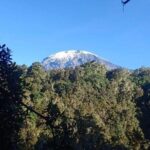
Day 3 takes a more dramatic turn as you ascend toward Lava Tower at 4640 meters. The climb offers a vivid reminder of Kilimanjaro’s diverse eco-zones, as you traverse an alpine desert dotted with hardy vegetation. You’ll then descend to Barranco Camp, where the landscape becomes a striking scenic valley—a good practice for altitude acclimatization and an opportunity for incredible photos.
You can also read our reviews of more hiking tours in Moshi
The Famous Barranco Wall
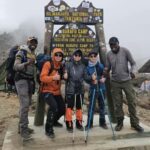
Day 4 is where many climbers earn bragging rights—the Barranco Wall. This steep, rocky obstacle requires guide assistance but is manageable with careful footing. The effort is rewarded with sweeping views of Kibo’s glaciers and the surrounding landscape. After conquering the wall, you rest at Karanga Camp, nestled in a relatively sheltered spot.
The Final Ascent
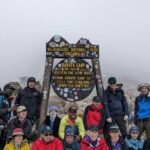
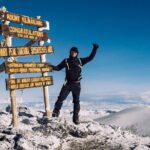
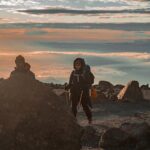
The fifth day is a shorter walk to Barafu Camp, where you prepare for the midnight push. The climb begins around midnight on Day 6, heading for Uhuru Peak. This is the most physically demanding part of the trip, involving a long ascent via Stella Point and summiting at sunrise—an unforgettable experience.
Descending to Mweka Camp after the summit, you’ll be exhausted but triumphant. The last day’s walk through rainforest all the way back to the gate provides a sense of returning home, this time carrying memories of conquered landscapes and personal achievement.
What’s Included & What’s Not
The package covers nearly everything you need for a successful ascent—guides, porters, park fees, all meals, transfers, and two nights in Arusha. That simplifies planning and helps control costs.
However, travelers should budget for flights, visas, personal expenses, and optional gear rental. Notably, sleeping bags can be rented if you don’t want to carry your own. The itinerary provides full board meals during the trek, which means nutritious, energy-packed food to keep you going—an important detail for summit success.
More Great Tours NearbyThe Guides and Support Team
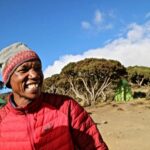
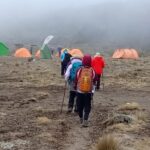
One of the most praised aspects from reviews is the expertise of the guides and porters. Their knowledge about altitude, terrain, and weather makes a difference—especially for first-timers. Expect friendly, professional conduct and a focus on safety, which is reassuring given the mountain’s challenges. It’s customary to tip your guides and porters, and many reviewers confirm this is well deserved.
You can also read our reviews of more tours and experiences in Moshi
Practical Tips for the Journey
Packing smart is key—think warm clothing, sturdy hiking shoes, sun protection, and rain gear. Kilimanjaro’s weather is unpredictable, and nights can be especially cold. The tour recommends bringing a sleeping bag (rentable if needed), a daypack, and personal medications.
The route is designed with acclimatization in mind, but altitude sickness can affect anyone. Take it slow, listen to your body, and don’t rush. The guides are experienced and will advise you when to rest or descend if necessary.
Arusha: 7-Day Kilimanjaro Lemosho Route Trek with Hotel Stay
Who Is This Tour Perfect For?
This tour is ideal for fit, motivated travelers seeking a true challenge and a comprehensive Kilimanjaro experience. It suits those who appreciate guided support, scenic variety, and the comfort of a 2-night hotel stay. It’s not suited for children under 12, pregnant women, or travelers with mobility or certain health issues.
This 7-day Kilimanjaro trek via the Lemosho Route offers great value for those wanting a well-organized, scenic, and challenging adventure. The inclusive package, combined with the scenic diversity and expert guides, makes it a compelling choice for many travelers.
While the physical effort is considerable, the gradual ascent and support from experienced guides make the climb achievable for those in good shape. The stunning views, from lush rainforests to icy glaciers, reward every step—and many reviewers speak of unforgettable moments and proud accomplishments.
If you’re someone who loves mountain landscapes, cultural experiences, and pushing your limits, this trip could be the highlight of your travels. Just remember: proper preparation and a positive attitude are your best allies on Kilimanjaro.
What does the tour include?
It covers the guided 7-day trek to Uhuru Peak, all park, camping, and rescue fees, meals during the trek, porters, guides, airport transfers, and two nights in Arusha before and after the climb.
Are flights included?
No, you need to arrange your own flights to and from Kilimanjaro International Airport. It’s best to arrive at least a day early to settle in.
Is the hotel stay in Arusha comfortable?
Yes, the tour includes two nights in a hotel before and after the trek, giving you a chance to relax and prepare.
What equipment do I need to bring?
Essential items include warm clothing, hiking shoes, sunglasses, sunscreen, rain gear, gloves, a sleeping bag (rentable if needed), and a daypack.
How physically demanding is the climb?
It involves long walking days, steep paths, and altitude gain. Good fitness and acclimatization are important, but the route’s design helps improve your chances of reaching the summit.
Can I do this if I have health issues?
This trip isn’t suitable for people with heart or respiratory problems, mobility issues, or pregnant women. Consult your doctor if unsure.
Is tipping expected?
Yes, tipping guides and porters is customary and appreciated, reflecting their hard work and dedication.
What’s the best time of year to go?
Weather conditions vary, but clear days and stable weather are ideal—most trips are planned during the dry seasons, from June to October and December to February.
This Kilimanjaro trek offers a thoughtful, supported route for those ready for an authentic challenge. With scenic diversity, expert guides, and the thrill of reaching Africa’s highest point, it provides a meaningful adventure for travelers eager to test their limits in one of the world’s most iconic landscapes.
You can check availability for your dates here: