Climbing Mt. Kilimanjaro via Lemosho Route 8 days: A Detailed Review
Venturing up Mount Kilimanjaro is a bucket-list experience for many outdoor enthusiasts, and the 8-day Lemosho Route offers a compelling way to challenge yourself while soaking in Tanzania’s stunning scenery. While we haven’t personally trekked this route, careful research and traveler reviews paint a vivid picture of what to expect.
This tour, offered by Kili Peak for $1,990, promises a blend of lush rainforests, volcanic landscapes, and the thrill of reaching Africa’s highest point.
What we love about this journey is its focus on gradual acclimatization, which can significantly improve your chances of reaching the summit. Plus, the route’s off-the-beaten-path feel delivers unique, less crowded views. A possible consideration is that the trek involves a fair amount of physical endurance, so suitable preparation and fitness are essential.
Tailored for those wanting an authentic, less touristy experience, this tour suits adventure seekers who appreciate natural beauty and are prepared for a multi-day climb.
Key Points
- Diverse landscapes from rainforests to volcanic deserts.
- Gradual acclimatization improves summit success.
- Off-the-beaten-path route less crowded than Marangu or Machame.
- Includes comprehensive amenities like tents, meals, and rescue support.
- Small group, professional guides ensure safety and personal attention.
- Great value considering park fees, equipment, and included services.
👉 See our pick of the What Are The Best Tours & Things To Do In Kilimanjaro National Park? Our Top 16 Picks
- Key Points
- An In-Depth Look at the Lemosho Route Experience
- Starting Point: The Rainforest
- Transition to Shira Plateau
- Geological Marvels: The Shira Calderea
- Moving into Semi-Desert Regions
- Barranco Camp: A Strategic Rest Stop
- Approaching the Peak: Karanga Camp & Beyond
- The Summit Night: Reaching Uhuru Peak
- Descending and Celebrating
- What’s Included and What’s Not
- The Value Proposition
- Who Will Love This Trek?
- Final Thoughts
- Frequently Asked Questions
- The Best Of Kilimanjaro National Park!
- More Tour Reviews in Kilimanjaro National Park
An In-Depth Look at the Lemosho Route Experience
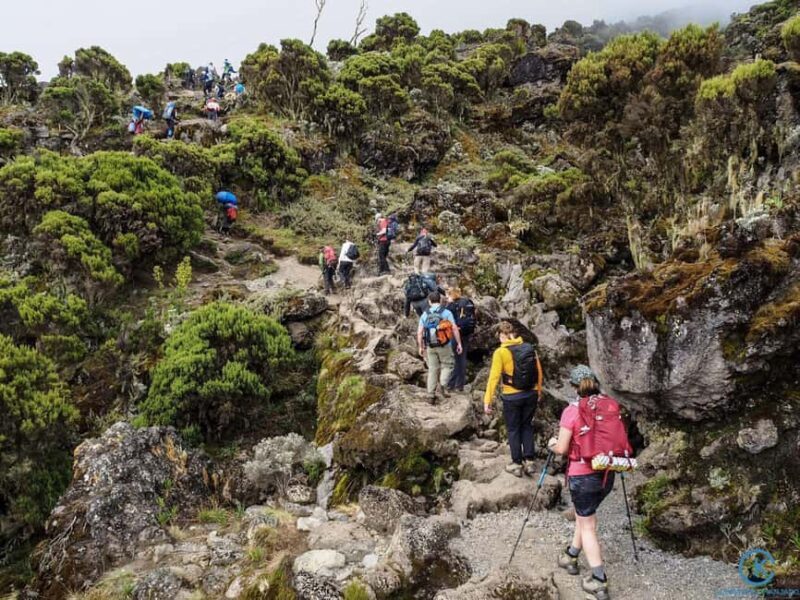
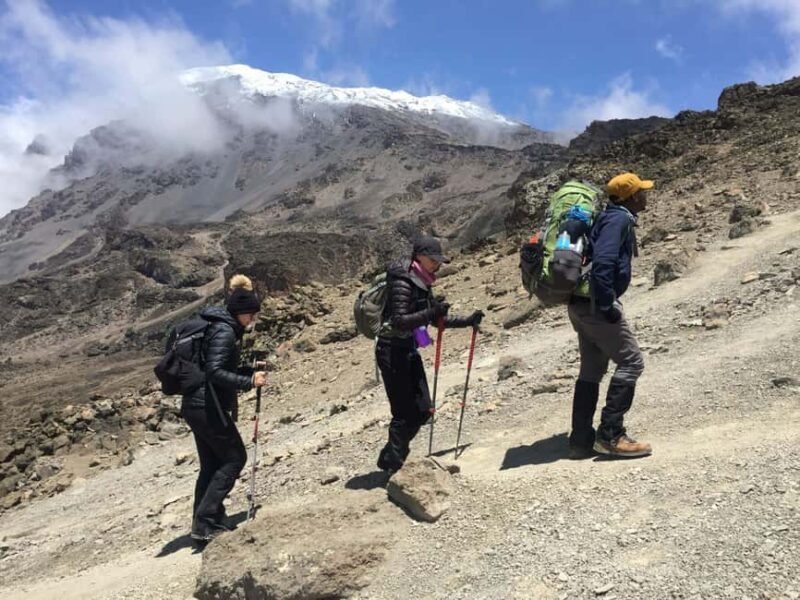
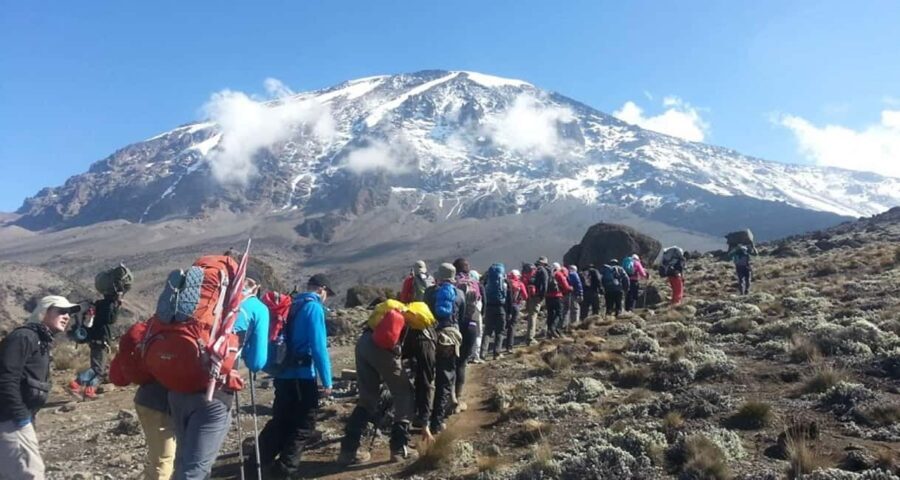
Climbing Kilimanjaro via the Lemosho Route is a journey through some of the most stunning and varied environments on the mountain. It’s a longer route, taking 8 days, but that’s a deliberate choice. The extra days allow for better acclimatization, which many seasoned climbers will tell you is key to reaching the summit safely and comfortably.
You can also read our reviews of more tours and experiences in Kilimanjaro National Park.
Starting Point: The Rainforest
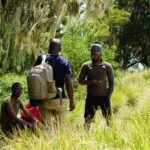
Your adventure begins on the western slopes, where dense rainforest surrounds you. Here, the air is thick with the sounds of exotic birds and the sight of colorful butterflies. We loved the way this part of the trek feels like entering a jungle. The trail is lush and shaded, offering relief from the sun and a gentle introduction to the mountain. Expect to trek beneath towering trees as your guides set a steady pace, ensuring everyone keeps up.
Transition to Shira Plateau
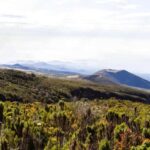
By Day 2, the landscape shifts dramatically. You ascend toward the Shira Plateau, a high-altitude moorland dotted with volcanic craters and lava towers. This section is particularly scenic, with views of rolling hills and snow-capped peaks in the distance. Keep an eye out for shy antelope and elusive hyraxes, which add a sense of wildlife to your journey. The plateau’s expansive vistas are breathtaking, making it worth pausing for photos—and catching your breath.
Geological Marvels: The Shira Calderea
On Day 3, the route takes you across the Shira Calderea, a collapsed volcanic caldera. This lunar-like landscape is a geological highlight that offers a different perspective of the mountain’s fiery past. Walking through this rugged terrain gives climbers a tangible sense of the mountain’s power and history. Some reviews mention that this terrain can be a bit challenging underfoot, but the surreal scenery makes it worthwhile.
More Great Tours NearbyMoving into Semi-Desert Regions
Days 4 and 5 involve crossing semi-desert zones, where resilience is tested. The landscape here is stark but striking, with volcanic rock formations and sparse vegetation. These sections serve as a reminder of the mountain’s harsher environments, but they also showcase nature’s ability to adapt and thrive in extreme conditions. The Barranco Wall appears as a near-vertical cliff face that adds a sense of adventure and challenge to your hike.
Barranco Camp: A Strategic Rest Stop
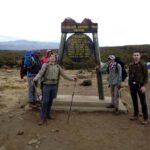
Arriving at Barranco Camp (Day 6), you’ll find yourself amid giant boulders that provide a dramatic setting. Proper acclimatization is vital here, and many guides recommend taking a short hike to increase your altitude exposure. This is an excellent opportunity to prepare your body for the summit push. The camp’s location offers spectacular panoramic views of the mountain and surrounding landscape.
Approaching the Peak: Karanga Camp & Beyond
Day 7 takes you to Karanga Camp, a high-altitude plateau with stunning views of Kibo—the mountain’s volcanic cone. As you gain altitude, the air thins, and each step feels like a small victory. The campsite’s proximity to the summit trail means you’re well-positioned for an early start the next morning.
The Summit Night: Reaching Uhuru Peak
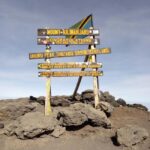
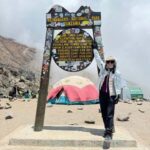
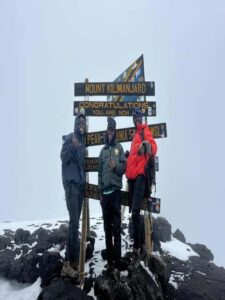
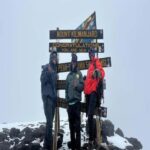
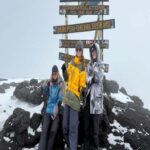
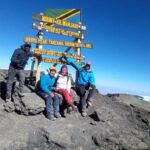
The final push begins before dawn on Day 8. You’ll navigate scree slopes and rocky paths in the dark—definitely a test of stamina and mental toughness. But as the sun rises, illuminating the snow-covered summit, the sense of achievement is palpable. Reaching Uhuru Peak, the highest point in Africa, feels like standing on top of the world—an unforgettable moment that many reviews describe as “completely worth the effort.”
Descending and Celebrating
The descent through the Mweka route offers lush scenery and a chance to reflect on your climb. Passing through multiple ecological zones, you’ll see how vegetation shifts from alpine to tropical as you near the gate. Reaching the Mweka Gate is a bittersweet moment—exhausted but exhilarated—and marks the culmination of an extraordinary journey.
What’s Included and What’s Not
The tour’s price of $1,990 covers a lot of ground, making it quite a compelling value. The package includes professional guides, all park fees and taxes, airport transfers, rescue support, and nutritious meals prepared by a dedicated cook. You’ll also get high-quality, waterproof tents, comfortable mess tents, camping equipment, portable toilets, a medical kit, and emergency oxygen.
These inclusions mean you can focus on the climb without worries about logistics or equipment. Plus, the ethical treatment of porters is emphasized, which adds a layer of ethical consciousness to your adventure.
However, you’ll need to cover your personal gear—clothing, hiking boots, sleeping bag—as some companies offer rentals, but that’s not included in the base price. International flights, visas, travel insurance, and pre/post-trek accommodations in Arusha are also outside the package, so plan accordingly.
The Value Proposition
At nearly $2,000, this trek is priced competitively, especially considering that all park fees, permits, and support equipment are included. The comprehensive services—like rescue, medical supplies, and high-quality tents—add peace of mind. The 8-day itinerary, with its focus on acclimatization, has a strong track record of success, which is vital for a safe and enjoyable ascent.
Travelers who value authentic experiences and prefer a route that’s less crowded than Marangu or Machame will find this appealing. It’s especially suited to those who appreciate scenic diversity and are willing to invest time for a better chance at reaching the summit comfortably.
Who Will Love This Trek?
This journey is ideal for adventurers eager for a less touristy route that offers truly breathtaking views. It’s perfect for those who want a gradual ascent with plenty of time to acclimate, increasing the likelihood of reaching the summit. The route’s varied scenery—from rainforests to lunar landscapes—delights travelers who love geological and ecological diversity.
While the physical demands are significant—expect long days, altitude, and some challenging sections—it’s suitable for reasonably fit trekkers prepared for multi-day hiking. The inclusive amenities and expert guidance make it accessible for those new to big mountain climbs but wanting a well-supported adventure.
Final Thoughts
Climbing Kilimanjaro via the Lemosho Route is a journey that combines natural beauty, geological marvels, and the thrill of standing on the continent’s highest point. For a reasonable price, travelers gain access to a well-organized trek that emphasizes safety, comfort, and exceptional scenery. The route’s focus on acclimatization and its fewer crowds promise a more intimate and rewarding experience.
This tour is a fantastic choice for those seeking a challenging yet manageable climb with a strong emphasis on authentic, diverse environments. It’s especially suited for travelers who value a quieter, more scenic route and are prepared to commit to a full week of mountain life.
Climbing Mt.Kilimanjaro via Lemosho Route 8 days
Frequently Asked Questions
How long is the trek?
The trek lasts 8 days, allowing for better acclimatization and increased chances of summiting successfully.
What terrain will I encounter?
Expect lush rainforest, volcanic lava fields, high-altitude moorlands, semi-desert zones, and rocky scree slopes near the summit.
Is this route suitable for beginners?
While the route is designed to improve acclimatization, it still requires good physical fitness and mental readiness for high-altitude trekking.
What’s included in the price?
The price covers guides, park fees, camp equipment, meals, rescue fees, airport transfers, and safety gear like oxygen.
Are there options for gear rental?
Some companies offer gear rentals, but this is not explicitly included in the package, so travelers should plan accordingly.
Who provides the guiding service?
Professional and experienced guides lead the trek, ensuring safety, navigation, and support throughout the climb.
What about post-trek accommodations?
The tour price does not include hotel stays before or after the climb, so plan for additional arrangements in Arusha if needed.
In the end, this Kilimanjaro adventure offers a well-balanced mix of challenge, beauty, and support, ideal for those wanting a meaningful ascent on Africa’s highest peak.
You can check availability for your dates here: