Setting out on a trek to Mount Kilimanjaro’s summit is a dream for many adventure lovers, and this 6-day journey along the Marangu Route offers a practical and well-supported way to get there.
While we haven’t climbed it ourselves, reviews and detailed itineraries paint a clear picture: this experience combines stunning scenery, expert guides, and comfortable hut accommodations — making it accessible for those with moderate trekking experience.
What we really appreciate about this tour is how it balances challenging altitude gain with good logistical support. The fact that it stays in huts rather than tents means you can focus more on the views and less on setting up camp after a long day. That said, it’s not suitable for everyone—those with serious health issues or pregnant women should steer clear, as the altitude can be demanding.
This tour is perfect for travelers who want a guided, manageable ascent that offers the chance to see the mountain’s best features without the extreme hardship of longer or technical routes. If you’re looking for an epic adventure with a solid chance of reaching Uhuru Peak, this one could be just right.
- Key Points
- A Practical Guide to the 6-Day Kilimanjaro Marangu Route Tour
- Introduction to the Experience
- Who Will Love This Tour?
- The Itinerary in Detail
- Day 1: Moshi to Mandara Huts (2750 m)
- Day 2: Mandara Huts to Horombo Huts (3780 m)
- Day 3: Acclimatization and Zebra Rocks (3959 m)
- Day 4: Horombo Hut to Kibo Huts (4700 m)
- Day 5: Summit Day — Uhuru Peak
- Day 6: Return to Moshi via Marangu Gate
- What’s Included and What’s Not
- Value for Money
- Practical Considerations
- Authentic Experiences and Customer Feedback
- The Sum Up: Is This Tour Right for You?
- FAQs
- The Best Of Moshi!
- More Tours in Moshi
- More Tour Reviews in Moshi
Key Points
- Comfortable hut accommodations make the trek more manageable for many travelers
- Expert guides and well-organized logistics enhance safety and overall experience
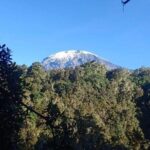
- The Marangu Route offers diverse scenery, from rainforests to alpine zones
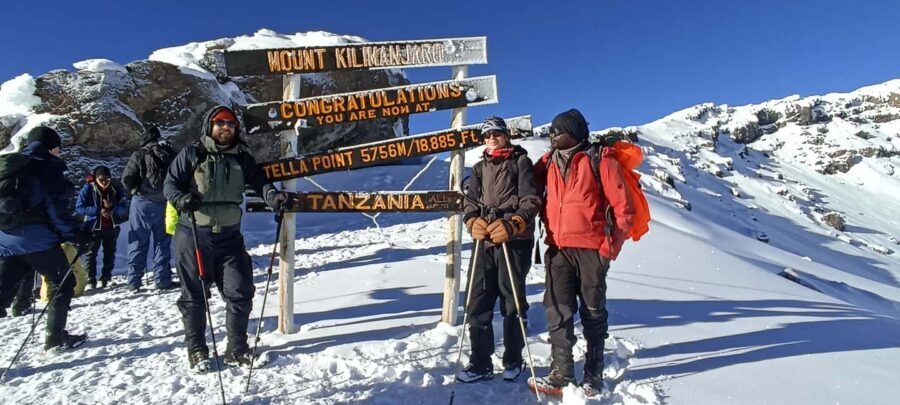
- The summit sunrise at Gillman’s Point is truly unforgettable
- The trek emphasizes altitude acclimatization with strategic stops
- Cost of $1,820 provides good value considering included permits, guides, and accommodations
👉 See our pick of the Moshi’s 16 Top Tours & Things To Do
A Practical Guide to the 6-Day Kilimanjaro Marangu Route Tour
You can also read our reviews of more tours and experiences in Moshi.
Introduction to the Experience
This 6-day Kilimanjaro trek via the Marangu Route promises a well-rounded adventure designed for those who want to see Africa’s highest peak without the longer, more technical routes. We love that it offers guidance from experienced guides, and that you stay in cozy huts instead of tents, which can make all the difference in comfort and morale.
One of the standout features is the opportunity to witness the spectacular sunrise from Uhuru Peak, a moment that often becomes a highlight for trekkers. The route also takes you through a variety of landscapes, from lush rainforests at the base to the stark lunar-like landscapes closer to the summit. This variety keeps the trek engaging and visually stunning.
A possible consideration is the pace of ascent and altitude acclimatization. The schedule includes a short trek to Zebra Rocks and Mawenzi Peak—which is great for adjusting to the altitude—but the overall climb is still physically demanding. This tour is best suited for travelers with a reasonable level of fitness who want guided support.
Who Will Love This Tour?
If you’re seeking a guided, reasonably-paced climb with comfortable accommodations, this trip fits the bill. It’s ideal for those who appreciate well-organized logistics, expert guides, and scenic diversity. It’s also suitable for first-timers who want a better chance of reaching the top without tackling a longer, more technical route.
The Itinerary in Detail
More Great Tours NearbyDay 1: Moshi to Mandara Huts (2750 m)
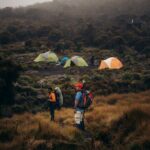
The journey begins with a drive from Moshi to the Marangu Gate, where your trek officially starts. Expect about an hour for park formalities, during which your permits are issued. The initial walk takes you through a fascinating rainforest, where the lush greenery and birdlife give you a chance to soak in the mountain’s rich environment. From here, the trail is gentle, leading you to Mandara Hut for dinner and your first night’s rest.
This section is relatively short and easy, making it perfect for easing into the climb while adjusting to the new environment. We liked the way the rainforest walk sets a peaceful tone, and the chance to see flora unique to this altitude.
Day 2: Mandara Huts to Horombo Huts (3780 m)
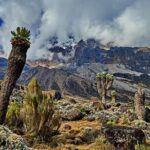
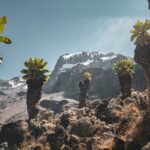
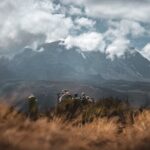
The second day involves an ascend through alpine meadows dotted with giant Heather trees. The terrain becomes more open, and you get sweeping views of Mawenzi and Kibo peaks. The pace is leisurely, allowing your body to adapt, and you’ll stop for a picnic lunch en route. You’ll spend your night at Horombo Hut, where the mountain begins to show its more rugged side.
This stretch is important for altitude acclimatization and offers some fantastic vistas. The guides often share insights into the mountain’s geology and ecology, enriching the experience.
Day 3: Acclimatization and Zebra Rocks (3959 m)
A shorter day focused on acclimatization. You’ll hike to Zebra Rocks—a striking formation with black and white striping—before returning to Horombo Hut for hot lunch. This strategic walk helps your body adjust, which is essential before pushing higher. You’ll also get a glimpse of Mawenzi Peak, adding to the mountain’s dramatic profile.
This day is often praised for its scenery—those Zebra Rocks are a fun photographic stop—and for helping prevent altitude sickness.
Day 4: Horombo Hut to Kibo Huts (4700 m)
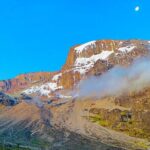
The trek continues past cactus-like plants and the “last water” stream, heading into a lunar landscape on the saddle between Mawenzi and Kibo. Your destination is Kibo Hut, where you’ll spend the night before the big summit push. The landscape here feels otherworldly, and the sense of anticipation grows.
This part of the climb is a bit more challenging due to increased altitude, but the guides’ careful pacing makes it manageable. The scenery at this stage shifts from lush greenery to stark volcanic terrain.
Day 5: Summit Day — Uhuru Peak
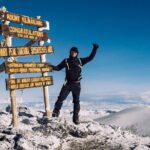
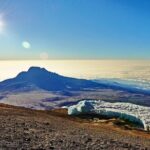
This is the most intense day. The climb begins in the early hours, with the goal of reaching Gillman’s Point before dawn—an experience that often leaves trekkers in awe of the unforgettable sunrise. From there, it’s a relatively short walk to the highest point of Africa, Uhuru Peak at 5,895 meters.
The descent back to Horombo Hut is quicker, and many find it less tiring physically. You’ll sleep at Horombo that night, savoring the achievement of having climbed to the top.
Day 6: Return to Moshi via Marangu Gate
The final day is a leisurely descent back to the park gate, where your vehicle awaits. The drive back to Moshi allows you to reflect on your accomplishment and start planning your next adventure.
What’s Included and What’s Not
The tour fee of $1,820 per person covers many essentials: park fees, permits, rescue fees, accommodations in huts, all meals, drinking water, transport, and the friendly support of guides, cooks, and porters. Notable inclusions are portable oxygen tanks and emergency first aid, which can provide peace of mind.
However, travelers will need to arrange their own personal trekking equipment, travel insurance, and visas. The detailed packing list suggests bringing warm clothing, hiking gear, and essentials like sunscreen, water, and insect repellent—items vital for comfort and safety.
Value for Money
Considering that nearly all logistical and safety aspects are covered, plus the support of skilled guides, the price offers good value—especially given the included permits and accommodations. The fact that the guides are praised for their experience, combined with the safety measures like oxygen tanks, supports the idea that this tour aims to maximize safety and success.
Practical Considerations
Timing and group size are not specified, but the schedule and logistics suggest a well-organized operation. The guided nature means you’re part of a group, which can foster camaraderie but also requires shared flexibility. The tour is not suitable for pregnant women or those with heart problems, considering the altitude and physical demands.
Packing light but thoroughly is advised, with the provided list emphasizing layers, waterproof gear, and essentials like a flashlight and camera. Respect for the mountain—such as no littering—is also highlighted, reinforcing the importance of responsible tourism.
Authentic Experiences and Customer Feedback
The one available review calls out the knowledgeable guides and the excellent customer service that made the trip memorable. The reviewer, Jonty, said, “They provided me with everything I needed and went above and beyond,” reflecting a well-supported experience.
Travelers can expect a balanced mix of adventure, scenic beauty, and logistical support. The descent is described as less tiring, and the scenic diversity—from rainforests to lunar landscapes—is a highlight.
The Sum Up: Is This Tour Right for You?
This 6-day Kilimanjaro trek via the Marangu Route offers a solid, well-supported way to reach Africa’s highest point without the need for technical climbing gear. It’s best suited for those who value guidance, comfort, and scenic variety, and who want to maximize their chance of summiting without overextending physically.
The included price covers comprehensive support, safety equipment, accommodations, and permits, making it a good value for many travelers. The route’s natural beauty, especially the sunrise, is a major draw, and the experience of reaching Uhuru Peak is truly memorable.
If you’re a traveler who appreciates professional guides, a manageable pace, and a focus on safety, this tour could be an excellent choice. Be prepared for altitude and weather variability, and you’ll find it an adventure that’s not only rewarding but also immensely enjoyable.
Kilimanjaro: Join tour 6-Days Kili Trip via Marangu Route
FAQs
What is included in the tour price?
All meals during the trek, park fees, permits, rescue fees, accommodations in huts, transportation to and from the park gates, guides, cook, porters, drinking water, and safety gear like oxygen tanks are included.
Are personal trekking equipment necessary?
Yes, you’ll need to bring your own gear such as hiking shoes, warm clothing, gloves, a sleeping bag, and other essentials listed in the packing advice.
Is this trek suitable for beginners?
While the route is considered manageable due to hut accommodations, it still involves significant altitude and physical effort—so some trekking experience or good fitness helps.
Can I book now and pay later?
Yes, the tour offers flexible booking with a “reserve & pay later” option, allowing you to secure your spot without immediate payment.
What is the maximum altitude reached?
You will reach the summit of Uhuru Peak at 5,895 meters, the highest point in Africa.
How long is the trek each day?
Daily walking times vary from short acclimatization walks to longer summit days, but the schedule emphasizes safety and pacing.
Are there any age or health restrictions?
The tour is not suitable for pregnant women or people with heart problems because of the altitude and physical demands.
What should I bring for the trek?
Comfortable shoes, warm clothing, sunscreen, water, camera, insect repellent, a headlamp, and a daypack are essential.
What happens if I don’t reach the summit?
While most climbers do, the guides prioritize safety. If health or weather issues prevent summiting, you’ll still enjoy the experience and the scenery along the way.
This Kilimanjaro tour offers a well-rounded, thoughtfully organized adventure for those ready to challenge themselves in a safe, scenic environment. With the right preparation, it’s an experience that promises memories to last a lifetime.
You can check availability for your dates here: