If you’re contemplating climbing Kilimanjaro and want an experience that balances adventure, scenery, and a touch of solitude, the 7-day Rongai Route offered by Love Africa Tours & Safaris might just be your ticket. This route, approaching from the north near the Kenyan border, is less crowded but equally breathtaking, making it ideal for those who prefer a more tranquil ascent without sacrificing views or challenge.
What we really appreciate about this tour is its emphasis on scenic diversity—from the lush forested slopes at the start to the stark lunar landscape near the summit, the route offers a comprehensive taste of what Kilimanjaro has to offer.
Plus, the inclusion of acclimatization days helps improve your chances of reaching Uhuru Peak. The only caveat? The early morning summit push demands stamina and patience, especially in very cold conditions.
This tour suits adventurers eager for a quieter climb, those who want to avoid the crowds, and travelers who appreciate detailed guidance and a well-organized itinerary. It’s a fantastic choice for those who value authentic experiences and the opportunity to enjoy stunning views along the way.
- Key Points
- A Detailed Look at the 7-Day Rongai Climb
- Starting Point and Transportation
- Day 1: From Hotel to Simba Camp
- Day 2: Simba Camp to Second Cave
- Day 3: Second Cave to Kikelewa Camp
- Day 4: Kikelewa Camp to Mawenzi Tarn
- Day 5: Mawenzi Tarn to Kibo Hut
- Day 6: Summit Day – Kibo Hut to Uhuru Peak
- Day 7: Descent and Return to Moshi
- What’s Included & What’s Not
- The Value Proposition
- Transportation & Comfort
- The Route’s Unique Appeal
- Authenticity & Adventure
- Who Should Consider This Trek?
- Final Thoughts
- Frequently Asked Questions
- The Best Of Moshi!
- More 7-Day Experiences in Moshi
- More Tour Reviews in Moshi
Key Points
- Unique North Approach: The Rongai route offers a different perspective of Kilimanjaro, approaching from the less-traveled north side.
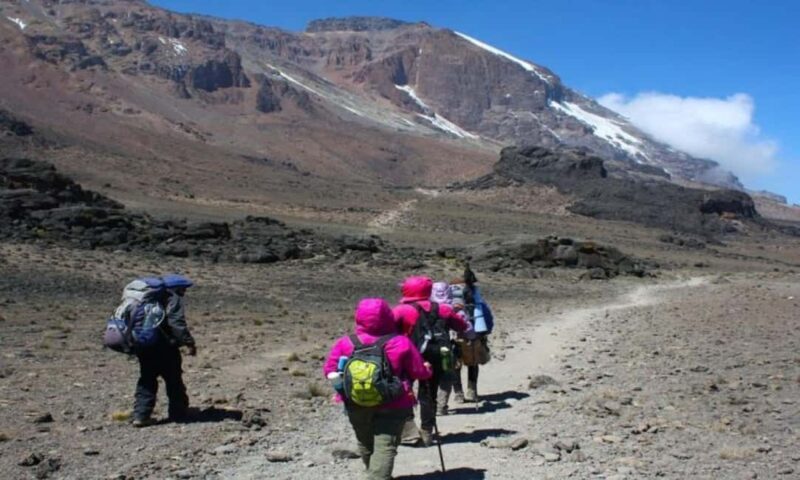
- Scenic Highlights: From Kenyan plains at Simba Camp to ice fields and Mawenzi peaks, the route is packed with striking vistas.
- Focus on Acclimatization: Extra days help minimize altitude sickness and boost success rates.
- Inclusions for Comfort and Safety: Comfortable tents, high-quality guide service, emergency equipment, and mountain certificates all add value.
- Low Traffic: Expect fewer fellow climbers, making your adventure more peaceful and personalized.
- Cost-Effective for Quality: At $2,150, the price includes most essentials, from park fees to professional guides—offering good value for a well-managed trek.
👉 See our pick of the Moshi’s 16 Top Tours & Things To Do
A Detailed Look at the 7-Day Rongai Climb
You can also read our reviews of more tours and experiences in Moshi
Starting Point and Transportation
Arriving in Moshi, you’ll likely be met at Kilimanjaro or Arusha airport for included private transfers, which sets a smooth tone for your trip. After settling into your hotel and attending the pre-trek briefing, you’ll be ready to start your ascent. The tour provides full board accommodation in Moshi, allowing you to rest and prepare physically and mentally.
Day 1: From Hotel to Simba Camp
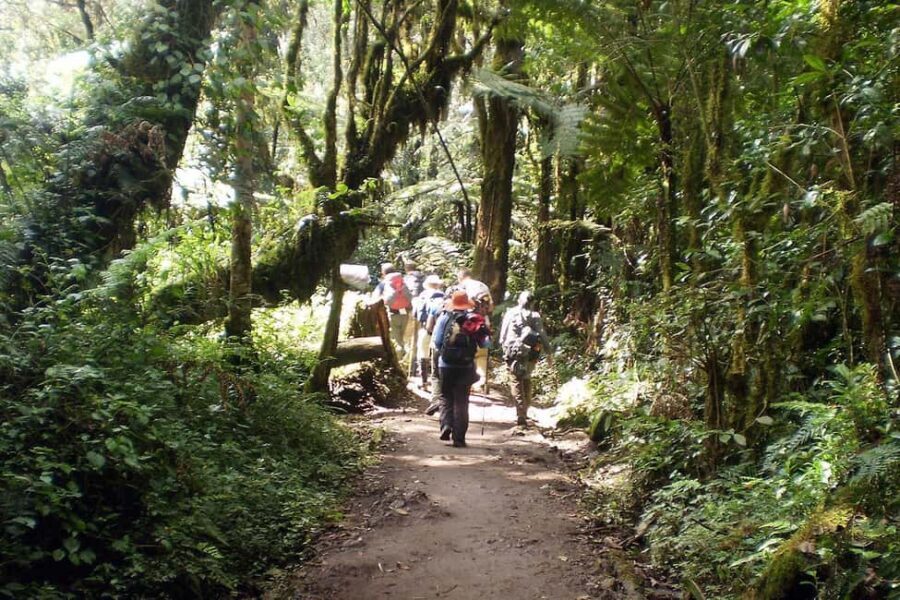
Driving from Moshi to the small village of Nale Moru, your journey begins with anticipation. The drive itself is scenic, passing through fields of maize and potatoes before entering pine forest. Once you start hiking, the path winds gently through attractive woodland, and wildlife sightings are possible—adding to the genuine feel of the African wilderness.
Reaching Simba Camp, you’ll enjoy your first night at high altitude, with expansive views of the Kenyan plains. This initial day is about setting a steady pace, allowing your body to begin adjusting while soaking in striking landscape views.
Day 2: Simba Camp to Second Cave
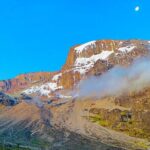
A steady ascent leads to the Second Cave, where the landscape begins to change. The views of Kibo and the Eastern ice fields are particularly memorable from this point. This day emphasizes gradual altitude gain—crucial for acclimatization—and provides an early taste of the glacier-covered summit looming ahead.
Travelers have commented on the “superb views” and the route’s peacefulness, thanks to fewer climbers. It’s an ideal day to take your time, breathe deeply, and start appreciating how the terrain shifts from lush forest into the moorland zone.
More Great Tours NearbyDay 3: Second Cave to Kikelewa Camp
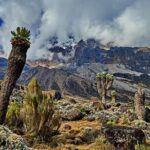
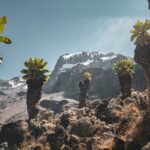
Moving across the moorland, you’ll cross small streams and giant Senecios plants, iconic of high-altitude landscapes. The trail is smaller and more intimate, with fewer hikers, which many see as a highlight. Kikelewa Camp sits in a sheltered valley, offering a cozy base with scenic surrounds. The route also starts to hint at the rugged peaks of Mawenzi, visible on the horizon.
Day 4: Kikelewa Camp to Mawenzi Tarn
Today involves a short but steep climb up grassy slopes. The effort is rewarded with panoramic views and the chance to see the striking spires of Mawenzi. The camp at Mawenzi Tarn, situated in a cirque beneath these jagged peaks, is spectacular. Its altitude makes for a good acclimatization stop, allowing your body to adapt gradually.
The afternoon can be spent relaxing or exploring the nearby area, helping to prepare for the more challenging days ahead. Many reviewers highlight this day as a critical point for acclimatization, which improves success probabilities.
Day 5: Mawenzi Tarn to Kibo Hut
Crossing the Saddle—an expansive, lunar-like landscape—this day’s walk is an otherworldly experience. The terrain can feel desolate, but the views are incredible, revealing the massive crater below and the glaciers on Kibo’s summit. Arriving at Kibo Hut, you’re at the foot of the final ascent. Here, rest and nourishment are key, as you’ll need to wake early for the summit bid.
Day 6: Summit Day – Kibo Hut to Uhuru Peak
This is the most demanding day. Starting in the dark (midnight to 2 am), you’ll ascend steep scree slopes and snowfields, often with just your headlamp illuminating the path. The climb to Gilman’s Point at 5,700 meters is tough but manageable with steady, deliberate pacing—”pole pole,” as the locals advise.
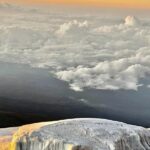
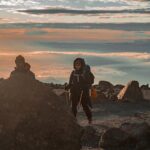
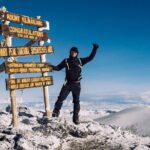
Reaching Uhuru Peak, you’ll be rewarded with Africa’s highest point and breathtaking 360-degree views. Many climbers describe the feeling as a mix of exhaustion and elation. The descent back to Horombo Hut is long but offers stunning vistas in the daylight, making the effort worthwhile.
Day 7: Descent and Return to Moshi
Descending through moorland and lush forest, you’ll pass Mandara Hut before reaching the park gate. The wet, muddy lower slopes can be slippery—gaiters and trekking poles help. Your vehicle awaits to take you back to Moshi, where you can enjoy a well-earned rest and reflect on your achievement.
What’s Included & What’s Not
The tour’s inclusive package is comprehensive, covering park entrance fees, camping fees, mountain tents, and all meals on the mountain. The provision of treated water, hot showers at the hotel, and emergency gear like oxygen tanks and first aid kits underscore the tour’s focus on safety and comfort.
However, some expenses, such as travel insurance, visa fees, and personal drinks, are outside the package. It’s wise to arrange these in advance to avoid surprises. The tour also encourages you to pack lightweight but warm clothing, hats, and snacks—essentials for the variable weather and long days.
The Value Proposition
At $2,150 per person, the tour offers solid value, especially considering the inclusion of guides, porters, park fees, and mountain certificates. The quality of the guides and crew is often praised, as they are described as friendly and professional, making the climb not just a physical challenge but an authentic cultural experience.
Transportation & Comfort
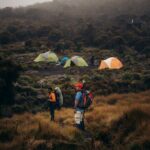
The private transfers from the airport and the accommodations in Moshi are designed to keep logistics straightforward, reducing stress and allowing you to focus on your upcoming climb. The camping setup, with double-layered sleeping mats and sturdy tents, provides comfort in some of the most challenging environments.
The Route’s Unique Appeal
What sets the Rongai route apart is its less-traveled path and beautiful scenery, from the plains visible at Simba Camp to the dramatic crater rim views. Its focus on acclimatization, combined with fewer climbers, makes it attractive for those seeking a more intimate experience.
Authenticity & Adventure
Travelers often comment on the route’s peacefulness and the opportunity to see wildlife early on. The route’s diverse landscape ensures that you’ll encounter different environments, from lush forests to stark, high-altitude terrains, all while being guided by experienced personnel committed to your safety and success.
Who Should Consider This Trek?
This climb is best suited for adventurers who crave a quieter, more contemplative ascent. If you’re motivated by stunning vistas and the chance to avoid the crowds, the Rongai route shines. It’s also ideal for those who appreciate well-organized logistics and value professional guides.
While suitable for most physically fit travelers, those with mobility issues or health concerns should carefully evaluate whether they can handle the early mornings and strenuous sections, especially the summit push. It’s also important to note that acclimatization days are included, which significantly improve your chances of reaching the top.
Final Thoughts
Climbing Kilimanjaro via the Rongai route offers an excellent blend of scenic variety, solitude, and a well-supported experience. You’ll appreciate the quieter trail, the dramatic landscapes, and the sense of achievement at the summit.
The tour’s thoughtful inclusion of necessary gear, professional guides, and multiple acclimatization days make it a smart choice for those serious about reaching Uhuru Peak. The overall value is strong, especially for travelers who prioritize authentic moments and peaceful surroundings over crowded routes.
If you’re looking for a route that combines adventure with tranquility and highlights some of Africa’s most stunning views, this Kilimanjaro trek in seven days is well worth considering.
Moshi: 7 Days Rongai Route
Frequently Asked Questions
What’s the best way to prepare for this climb?
Physical fitness and prior hiking experience are beneficial. The tour recommends consulting a physician before undertaking the trek and emphasizes the importance of acclimatization days to improve your chances of reaching the summit.
Is this route suitable for beginners?
While many climbers with good physical condition succeed, the summit push is challenging. It’s best for those who are reasonably fit and prepared for early mornings, cold weather, and strenuous walking.
How does the route differ from others?
The Rongai route approaches from the north, providing different scenery and fewer climbers, which many find more peaceful. It also includes extra acclimatization days, helping travelers adapt better.
What gear should I bring?
Comfortable shoes, warm clothing, hats, sunscreen, a camera, snacks, and water are essential. Packing light but with everything needed for fluctuating weather is advised.
Are meals provided during the trek?
Yes, the tour includes three meals daily while on the mountain, along with filtered drinking water and hot water for washing.
What is the price inclusive of?
The $2,150 fee covers park entry, camping and crater fees, tents, guides, porters, meals, water, and safety equipment. Extras like visas, insurance, and personal drinks are not included.
In the end, this Kilimanjaro climb offers a superb chance to escape the crowds, soak in incredible scenery, and achieve a lifelong goal. For those seeking a more peaceful ascent with dependable support, the Rongai route is a compelling choice.
You can check availability for your dates here: