- Introduction
- Key Points
- A Detailed Look at the Itinerary
- Day 1: From Moshi to Londorossi Gate and Mti Mkubwa Campsite
- Day 2: From Mti Mkubwa to Shira 1 Camp
- Day 3: Exploring the Shira Plateau and Shira Cathedral
- Day 4: From Shira 2 to Lava Tower and Barranco Camp
- Day 5: From Barranco to Karanga Camp via Barranco Wall
- Day 6: From Karanga to Barafu Camp
- Day 7: The Summit Day—Uhuru Peak
- Day 8: From Mweka Camp to Mweka Gate and Back to Moshi
- What Makes This Tour Stand Out?
- The Value of the Experience
- The Training and Preparation
- The Environment and Ethical Considerations
- Who Is This Tour Best For?
- The Sum Up
- FAQ
- The Best Of Moshi!
- More Hiking & Trekking Tours in Moshi
- More Tour Reviews in Moshi
Introduction
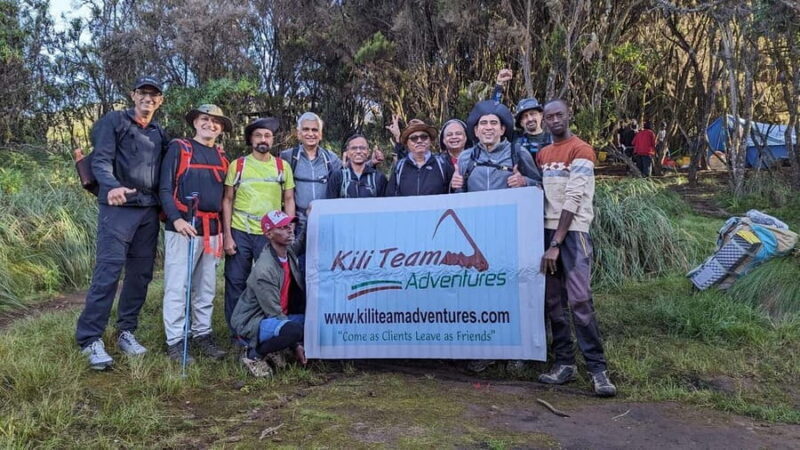
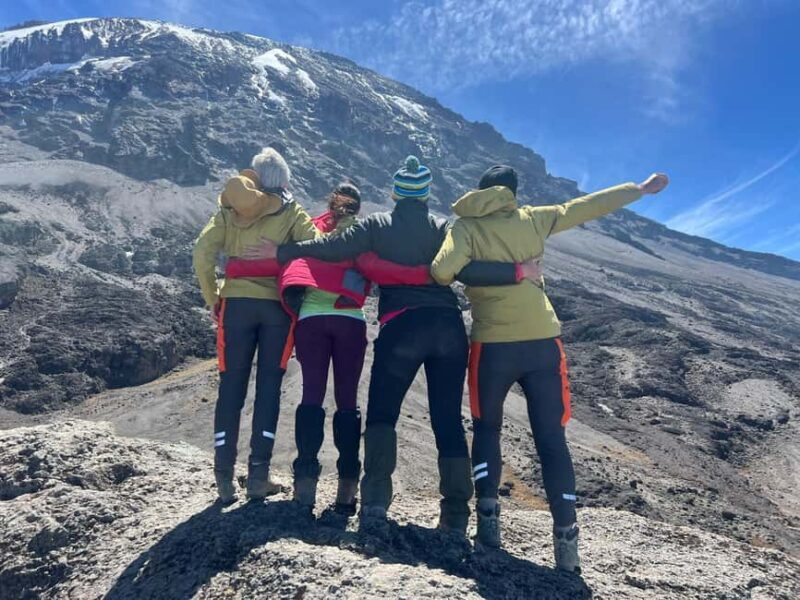
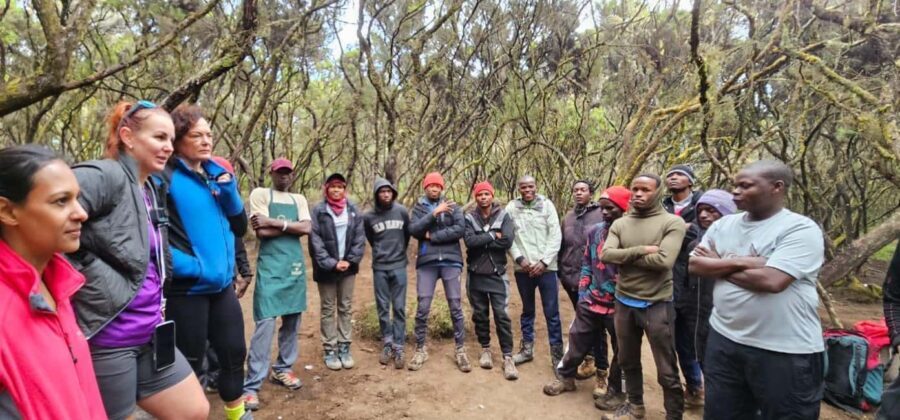
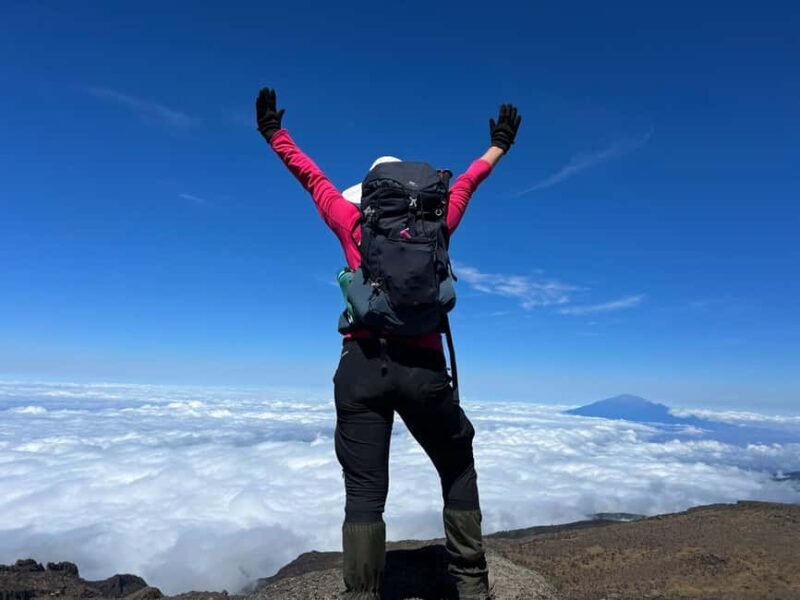
When considering a trek up Mount Kilimanjaro, many travelers want a route that balances breathtaking scenery, good acclimatization, and a sense of authentic adventure. The 8-Day Kilimanjaro Lemosho Route offered by Kili-Team Adventures fits the bill perfectly. While we haven’t personally climbed it, a detailed look at this tour suggests it’s designed for those who want to maximize their chances of reaching Uhuru Peak while also soaking in the mountain’s diverse landscapes.
What stands out immediately is the inclusion of full acclimatization days on the Shira Plateau and Lent Hills, a smart choice that can make a real difference in summit success. Plus, the expert guides seem to prioritize safety and local insight, adding depth and context to the journey. The potential downside? The price of $2,699 per person isn’t cheap, but the value of solid logistics, experienced guides, and thorough preparation makes it a worthwhile investment—especially for those serious about conquering Africa’s highest peak. This tour suits adventurous hikers who appreciate detailed planning, natural beauty, and a well-paced ascent.
You can check availability for your dates here:
👉 See our pick of the Moshi’s 16 Top Tours & Things To Do
Key Points
- Extended 8-day route improves your chances of summit success through proper acclimatization.
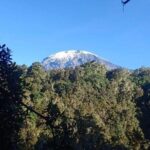
- Diverse landscapes include rainforest, alpine desert, and arctic-like habitats, making it a visually captivating experience.
- Full acclimatization days on Shira Plateau and Lent Hills help prevent altitude sickness.
- Expert English-speaking guides focus on safety, local knowledge, and a positive mountain experience.
- All park and rescue fees are included, providing peace of mind and hassle-free planning.
- Early morning summit push is physically demanding but offers unparalleled sunrise views over Mawenzi Peak.
You can also read our reviews of more hiking tours in Moshi
A Detailed Look at the Itinerary
Day 1: From Moshi to Londorossi Gate and Mti Mkubwa Campsite
The adventure begins with a drive from Moshi to Londorossi Gate, where you’ll handle entry formalities and pay park fees—an essential step that sets the tone for a smooth trek. From there, you travel to the Lemosho trailhead, a less crowded starting point compared to Marangu or Machame routes, which many find more peaceful and scenic. Once on the trail, your first steps wind through lush, untouched forest, giving you a gentle introduction to Kilimanjaro’s diverse ecosystem.
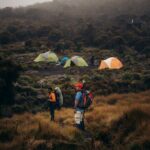
This initial day is perfect for acclimating gradually and soaking in the quiet beauty of the forest, often teeming with birdlife and perhaps some curious colobus monkeys. Expect to hike for several hours, arriving at your first campsite, Mti Mkubwa, in the late afternoon.
Day 2: From Mti Mkubwa to Shira 1 Camp
The second day marks a transition from rainforest to the open savannah and volcanic landscape. As you ascend out of the forest, you’ll notice the scenery changing dramatically—tall grasses, heather, and the occasional lichen-draped volcanic rock dominate the landscape. The trail here crosses streams and offers panoramic views of the mountain’s lower slopes.
Reaching Shira 1 Camp, you’re in a landscape that looks almost Martian—vast, open, and stunning. This day is not just about walking; it’s about gradually gaining altitude while enjoying the wide-open vistas. The route’s gentle climb makes it manageable and encourages your body to acclimate naturally.
More Great Tours NearbyDay 3: Exploring the Shira Plateau and Shira Cathedral
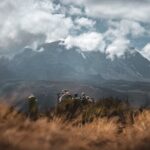
The third day is dedicated to exploration and acclimatization on the Shira Plateau, one of the highest plateaus on the planet. You’ll walk east towards Shira 2 Camp with options to visit Shira Cathedral, a less-visited but rewarding spot at Lent Hills’ base. Here, you can take shorter walks or more extended circuits, all aimed at helping your body adapt to the altitude.
Many guides emphasize this day as crucial for increasing your chances of reaching the summit, as the extra time at altitude helps prevent altitude sickness. The quiet, expansive landscape here offers breathtaking views and a chance to marvel at the mountain’s scale.
Day 4: From Shira 2 to Lava Tower and Barranco Camp
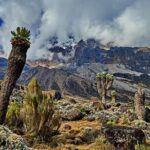
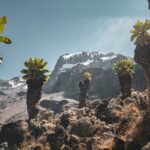
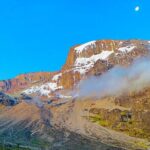
This day is a mix of ascents and descents. You’ll climb towards Lava Tower, a striking volcanic formation that rises 300 feet above the surrounding terrain. Climbing up and then descending into the Barranco Valley, through the Senecio Forest, provides stunning scenery and a good chance for your body to acclimate.
The ascent to Lava Tower is strenuous but offers excellent views and helps prepare your body for the altitude challenges ahead. The descent into Barranco Camp is steep and sometimes rocky, but the vibrant flora and stark volcanic landscape make it memorable.
Day 5: From Barranco to Karanga Camp via Barranco Wall
This day is famous for the Barranco Wall, a nearly 900-foot steep cliff that, despite its non-technical nature, requires a bit of scrambling and confidence. The climb over the wall is a highlight for many trekkers, offering a sense of achievement and incredible views of the surrounding peaks.
After crossing the wall, you descend into valleys and then climb back up to Karanga Camp, a vital acclimatization stop. The route’s variety—rocky, lush, and open terrain—keeps the day interesting and helps your body adapt even more.
Day 6: From Karanga to Barafu Camp
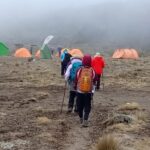
The journey from Karanga to Barafu Camp marks the start of the final push toward the summit. You’ll follow the junction with the Mweka Trail, gaining altitude steadily. Once at Barafu, you’ll rest and prepare for the midnight summit attempt. The camp is rocky and exposed, with stunning views of the surrounding glaciers and peaks.
This night ascent is demanding—cold, dark, and winding—but it’s the moment where all the prep pays off. You’ll be walking in the dark, guided by headlamps, with the goal of reaching the summit in time for sunrise.
Day 7: The Summit Day—Uhuru Peak
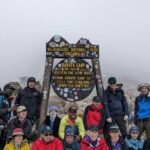
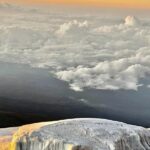
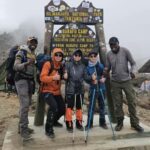
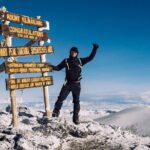
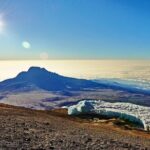
The most challenging part of the trek begins around midnight. The route is rocky and can be quite hard on the knees, so trekking poles are highly recommended. The cold and wind at this altitude are intense, but the reward is unmatched: standing on Uhuru Peak, watching the sunrise over Mawenzi Peak, and marveling at the sheer achievement of reaching Africa’s highest point.
From the summit, you’ll descend directly to Mweka Camp, stopping at Barafu for a well-earned lunch and rest along the way. The descent is steep and rocky, but the downhill walk offers a different perspective of the mountain’s sweeping glaciers and rugged terrain.
Day 8: From Mweka Camp to Mweka Gate and Back to Moshi
The final day is all about returning to civilization. You’ll descend through the lush forest, often muddy and slippery, back to the Mweka Gate. Here, you’ll collect your certificates of achievement and then walk another hour to Mweka Village.
A vehicle will meet you to take you back to Moshi, often feeling like a transition from the wild mountain to the comfort of your hotel. You’ll likely reflect on the journey—the challenging moments, the stunning scenery, and the personal triumph of summiting.
What Makes This Tour Stand Out?
What we love about this Kilimanjaro trek is its careful design. The full acclimatization days on the Shira Plateau and Lent Hills are key. Many climbers find that these extra days significantly boost their chances of summiting because they give your body time to adjust. The tour’s itinerary doesn’t rush through key acclimatization spots, making it more forgiving for those who might worry about altitude sickness.
The diverse scenery is another highlight. From rainforest to alpine desert, to glaciers and volcanic rocks, this route showcases the mountain’s variety. It’s a visual feast and far more interesting than the more crowded Marangu route. Plus, the guides’ knowledge and professionalism receive praise in reviews, which can make a big difference in how safe and enjoyable the trek feels.
A potential drawback is the price—$2,699 per person—which might seem steep for some. However, this fee covers all park and rescue fees, guiding, food, and camping equipment, which are costs that quickly add up if you plan to organize a self-guided trip. For many, the peace of mind and experienced guidance justify the expense.
The Value of the Experience
Considering the price, the value proposition hinges on quality, safety, and success rate. The tour includes all necessary permits, professional guides, and food, making it a hassle-free option for those wanting a well-managed, safe ascent.
The full itinerary with acclimatization days, the inclusion of rescue fees, and the use of high-quality camping equipment mean you’re paying for comfort, safety, and a higher chance of reaching the summit. Many reviews mention the guides’ attentiveness and extensive local knowledge, which enriches the journey far beyond just the physical challenge.
The Training and Preparation
It’s worth noting that the trek is physically demanding, and many recommend some level of prior training. The early start on summit day means you’ll need to be prepared for a strenuous, cold, and dark night walk. A good pair of hiking shoes, warm clothing, and trekking poles are essentials.
The Environment and Ethical Considerations
The tour emphasizes environmental responsibility—smoking, alcohol, drugs, and littering are not allowed. Keeping the mountain pristine is crucial, and guides typically enforce these rules strictly. The inclusiveness and ecological mindfulness add to the sense of contributing positively to this iconic landscape.
Who Is This Tour Best For?
This 8-Day Kilimanjaro Lemosho Route is best suited for serious hikers who want to maximize their chances of summiting with a well-paced, acclimatization-focused itinerary. It’s ideal for travelers who value guide expertise, diverse scenery, and safety.
While not suitable for pregnant women, those with heart or respiratory issues, or over 115 kg (254 lbs), it’s a good choice for physically fit individuals willing to commit to a challenging but rewarding adventure. Its inclusive approach and detailed planning make it especially appealing to those seeking an authentic, immersive experience.
The Sum Up
A trek up Kilimanjaro via the Lemosho Route offers a fantastic combination of natural beauty, logistical support, and acclimatization—all critical for a successful summit. The tour by Kili-Team Adventures seems thoughtfully crafted, with knowledgeable guides and a clear focus on safety and comfort. The inclusion of extra acclimatization days means you’ll spend less time battling altitude sickness and more time admiring the mountain’s stunning vistas.
This experience is well-suited for adventurers who value a well-structured, scenic climb and are prepared for the physical challenge. The investment of $2,699 is justified when you consider the comprehensive logistics, safety, and the chance to stand atop Africa’s highest point—a truly life-changing moment.
If you’re ready to take on the challenge and appreciate a route that respects both your pace and the mountain, this Kilimanjaro trek could be your perfect adventure.
Moshi: 8-Day Kilimanjaro Lemosho Route Trek
FAQ
What is included in the tour price?
The price covers all park, rescue, and camping fees, professional English-speaking guides, all meals (breakfast, lunch, dinner), drinking water, and camping equipment.
Are any additional costs I should be aware of?
Yes, you’ll need to cover personal trekking gear, visa fees, and personal expenses like souvenirs or extra snacks.
How physically demanding is this trek?
The climb is challenging, especially the midnight summit push, but the extra acclimatization days help. You should be prepared for steep ascents, long days, and cold temperatures at high altitude.
Is this route suitable for beginners?
It’s better suited for those in good physical shape with some hiking experience. The extra days for acclimatization make it more accessible than faster routes but still demanding.
What should I bring?
Essential gear includes comfortable shoes, warm clothing, a hat, snacks, hiking shoes, sunscreen, water, and a daypack. The tour provides camping equipment, but personal gear is up to you.
Can I book this tour and pay later?
Yes, the provider allows you to reserve your spot with a flexible pay-later option.
Is this tour suitable for pregnant women or those with health issues?
No, it’s not recommended for pregnant women, or people with heart or respiratory problems.
What is the best time of year for this trek?
While specific dates aren’t mentioned, the best time for Kilimanjaro climbs generally falls during the dry seasons—June to October and December to February—to avoid rain and maximize visibility.
Embarking on this Kilimanjaro trek promises an adventure packed with incredible scenery, expert guidance, and the satisfaction of standing on Uhuru Peak. It’s a journey that, with proper preparation, can become one of the most memorable moments of your life.
You can check availability for your dates here: