If you’re dreaming of reaching the summit of Africa’s tallest mountain, the Umbwe route offers an intriguing mix of solitude, stunning scenery, and a manageable challenge—especially if you’re not a seasoned trekker.
While it used to be considered the toughest way up Kilimanjaro, today it’s gaining recognition for its unique appeal: quiet trails at the start, diverse landscapes, and a route that rewards the adventurous with fewer fellow climbers.
We’ve looked into this journey, and here’s what we love—and a few considerations to help you decide if it’s right for you. From the initial two days’ peaceful forest walks to the epic final push, this route offers a genuine, less touristy Kilimanjaro experience.
For those willing to take on a slightly steeper start and enjoy breathtaking views, it’s a route worth considering—especially if you prefer a more intimate connection with the mountain.
One point to keep in mind: the first two days are quite steep, which could be demanding for some. However, the availability of both 6- and 7-day itineraries means you can choose a longer, more acclimatization-friendly climb if needed.
This trip suits hikers looking for serenity, stunning scenery, and a less crowded adventure. It’s especially appealing to those who appreciate authentic experiences and are prepared for the physical challenge.
- Key Points
- A Detailed Look at the Umbwe Route Climb
- Getting Started: Arrival and Transfers
- Day 2: The Trek Begins at Umbwe Gate
- Days 3 and 4: Into the Forest and Moorland
- Day 4: The Barranco Wall
- Day 5: The Ascent to Barafu Camp
- The Midnight Ascent to Uhuru Peak
- Reaching the Summit and Descent
- Post-Climb Relaxation
- What Makes the Umbwe Route Special?
- The Value Proposition
- Considerations for Potential Climbers
- Supporting Reviews and Feedback
- Who Should Consider the Umbwe Route?
- The Sum Up
- FAQ
- The Best Of Moshi!
- More Tour Reviews in Moshi
Key Points
- Less crowded at the start: The first two days see fewer trekkers, offering a peaceful beginning.
- Diverse landscapes: Climbers get to see rainforest, moorland, and alpine zones with spectacular scenery.
- Flexible itineraries: Options for 6 or 7 days, with the longer trip recommended for better acclimatization.
- Excellent value: For around $2,000, you get comprehensive support, park fees, and good equipment.
- Safety and support: Includes emergency oxygen, a professional guide, and all necessary camping gear.
- Ideal for authentic experiences: Smaller crowds and fewer travelers mean a more personal connection with Kilimanjaro.
👉 See our pick of the Moshi’s 16 Top Tours & Things To Do
A Detailed Look at the Umbwe Route Climb
You can also read our reviews of more tours and experiences in Moshi.

Getting Started: Arrival and Transfers
Your adventure begins with a warm welcome at Kilimanjaro International Airport (JRO), where a representative from Maranje Adventures will meet you. The transfer to your hotel is included, giving you a chance to relax after the flight and prepare mentally for the journey ahead. The hotel stay helps you acclimate slightly and get familiar with your surroundings.
Day 2: The Trek Begins at Umbwe Gate
The real adventure kicks off early the next morning. You’ll meet your guide and support crew at your hotel, go through equipment checks, and then drive to Umbwe Gate at 1,800 meters (5,904 feet). This is the official start point of the climb. Here, your permits are checked, and you register for search and rescue. The drive to the gate is part of the journey, giving a glimpse of the lush rainforest that covers the mountain’s southern flank.
Days 3 and 4: Into the Forest and Moorland
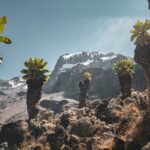
The first two days of hiking are the steepest, and that’s part of the charm. You’ll trek through dense rainforest, which is a vivid reminder of Kilimanjaro’s lush, plant-filled lower slopes. These early days offer a sense of solitude rarely found on other routes—fewer hikers means a peaceful experience amid towering trees and birdlife.
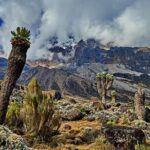
By the third day, you leave the rainforest behind and enter the moorland zone, characterized by heathlands and volcanic rock formations. The scenery begins to change dramatically, providing excellent photo opportunities and a chance to witness Kilimanjaro’s varied climatic zones.
Reviewer note: Many travelers appreciate the less crowded start, remarking that “it felt like we had Kilimanjaro all to ourselves for the first two days.” This quiet beginning can help you acclimate gradually while enjoying stunning views.
More Great Tours NearbyDay 4: The Barranco Wall
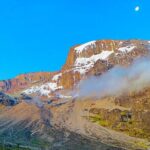
A highlight of the route is the climb of the Barranco Wall, a relatively straightforward ascent that pushes you up a series of rocks and boulders. It’s an exciting moment, with panoramic views awaiting at the top. Many reviewers note that this part is “more fun than it sounds,” and it’s a good confidence booster before tackling higher elevations.
Day 5: The Ascent to Barafu Camp
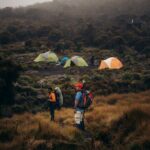
After conquering the Barranco Wall, the trail heads toward the Barafu Camp at 4,673 meters (15,327 feet). This will be your base for the summit attempt. The trek here is a mix of rocky landscape and alpine scenery, with breathtaking vistas. The camp is basic but well-equipped, and your crew will prepare you for the big night ahead.
The Midnight Ascent to Uhuru Peak
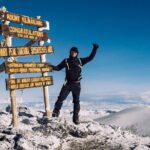
Starting around midnight, your group will begin the ascent toward Uhuru Peak, the highest point at 5,895 meters (19,336 feet). The climb is long and demanding, requiring good stamina and mental toughness. You’ll traverse icy slopes and rocky paths, with the lights of your fellow climbers dotting the mountain. Many reviews emphasize the importance of proper pacing and staying warm.
Reaching the Summit and Descent
After celebrating at the top, you’ll descend to Mweka Camp the same day, feeling a mixture of exhaustion and exhilaration. The descent is quicker and easier but still challenging. The lush rainforest again greets you as you approach the end of your trek, completing the circle of this incredible journey.
Post-Climb Relaxation
The final day involves a walk to Mweka Gate and a transfer back to your hotel, where you can rest and reflect on your achievement. Many travelers find this moment emotional and deeply satisfying, especially after overcoming the physical and mental demands of the climb.
What Makes the Umbwe Route Special?
The main draw of the Umbwe route is its less crowded early days. If you prefer a more private experience and appreciate quiet walks through lush forests before the ascent, this route is ideal. The scenery is consistently stunning, with each climatic zone offering unique flora and breathtaking views of Kilimanjaro’s summit.
The route’s diverse landscapes—from rainforest to alpine desert—keep the experience varied and visually stimulating. The climb also offers a good balance of physical challenge and scenic reward, especially during the Barranco Wall and the final ascent.
The Value Proposition
For about $2,000 per person, the package includes transfers, park fees, excellent camping gear, meals, and safety equipment like emergency oxygen. The support team, including a mountain chef and experienced guide, ensures a smooth climb. The quality of included gear, such as high-grade 4-season tents and mattresses, means you won’t be worrying about basic comforts.
Compared to other routes, the Umbwe route offers a more intimate experience, with smaller group sizes and fewer trekkers during the first days. This can translate into a more peaceful, immersive adventure.
Considerations for Potential Climbers
The initial steepness might be a concern for some, especially those with limited acclimatization or physical prep. The 7-day option is recommended if you want a gentler ascent and better chances of success. Plus, the route’s remoteness and rugged terrain mean that good hiking shoes, warm clothing, and preparation are essential.
Supporting Reviews and Feedback
While direct reviews are limited here, the fact that this route “offers breathtaking scenery and the chance to see Kilimanjaro with fewer crowds” aligns with many climbers’ descriptions. The emphasis on safety and support makes it suitable for those who value professional guidance, even in a less touristy setting.
Who Should Consider the Umbwe Route?
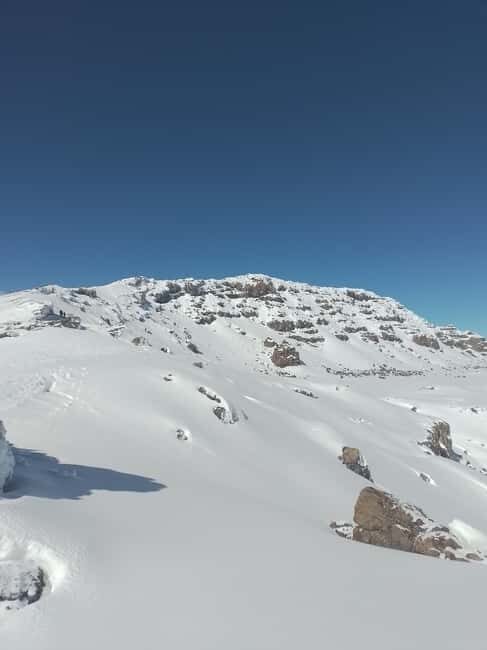
This trek is best for adventurers seeking solitude and authentic Kilimanjaro experiences. It’s suitable for those in good physical shape who want to enjoy diverse scenery without the crush of large crowds. The longer itineraries make it a good choice for those who prioritize acclimatization and a more gradual climb, boosting their chances of reaching the summit successfully.
This route might not be ideal for absolute beginners or those with significant health concerns related to altitude, unless they opt for the extended 7-day version and prepare properly.
The Sum Up
Climbing Mount Kilimanjaro via the Umbwe route offers a unique combination of serenity, scenic diversity, and authentic adventure. Its quieter start and stunning vistas make it a compelling choice for travelers who want more than just the summit—they want a journey that truly connects them to the mountain’s varied landscapes. For around $2,000, you get a well-supported climb with quality gear, knowledgeable guides, and a route that balances challenge with reward.
The route’s initial steepness can be a hurdle, but the longer itinerary options help to ease that concern. If you’re prepared and seeking an experience away from the crowds, this climb will reward you with unforgettable views and a sense of accomplishment.
This trek is perfect for seasoned hikers, adventure seekers, or those looking for a more personal, less commercialized Kilimanjaro experience. It’s an excellent choice for travelers who value authentic moments and the natural beauty of Africa’s highest peak.
Mount Kilimanjaro: Umbwe Roure climbing
FAQ
Is the Umbwe route suitable for beginners?
While the route can be climbed by those with good fitness, the initial two days are steep, making it more suitable for experienced hikers or those opting for the 7-day itinerary that allows for better acclimatization.
What’s included in the price?
The $2,000 fee covers transfers to and from Kilimanjaro Airport, park fees, high-quality camping gear, meals, purified water, emergency oxygen, guides, and support staff.
Are there options for longer itineraries?
Yes, the tour offers both 6- and 7-day options. The longer one is recommended if you want to improve your chances of acclimatization and enjoy a more gradual climb.
How physically demanding is this route?
The first two days can be quite steep, requiring a decent level of fitness. The ascent to the summit involves a challenging overnight climb, but proper preparation and pacing are key.
What should I bring?
Essential gear includes warm clothing, hiking shoes, sun protection, rain gear, gloves, a headlamp, a daypack, and necessary climbing gear. A passport and cash are also needed.
Is the route safe?
With experienced guides, safety measures like emergency oxygen, and well-maintained equipment, the route is considered safe for healthy climbers. Always disclose any health issues beforehand.
What about the scenery?
You’ll experience a variety of landscapes—from lush rainforest to alpine desert—each offering its own stunning views and photo opportunities.
Can I opt for a private tour?
Yes, private arrangements are available, though prices may vary. The package includes group support, so confirm your preferences beforehand.
What is the best time to climb?
Though not explicitly specified, Kilimanjaro generally has dry seasons from June to October and December to February, ideal for hiking.
In summary, the Umbwe route provides a quieter, scenic, and challenging climb with an excellent support setup. It’s perfect for those who want a more authentic Kilimanjaro experience, away from the crowds, with breathtaking views and a sense of real adventure.
You can check availability for your dates here: