If the idea of reaching Africa’s highest point sounds appealing, then this 5-day trek along the Marangu Route could be just the adventure you’re after. This tour, offered by TIEM TOURS AND SAFARIS, takes you through lush rainforests, rugged alpine terrain, and the iconic Uhuru Peak, all while providing the comfort of staying in huts instead of tents.
It’s a trip that promises stunning views, a sense of accomplishment, and a taste of authentic Tanzanian hospitality—all for a price that might seem steep at first glance but includes many essentials.
What makes this trek stand out is its accessibility and the level of support provided. Staying in huts along the route means you won’t have to lug a tent or worry about setting up camp in the cold, which is a real plus for those who prefer a more comfortable experience. Plus, having experienced guides and porters by your side ensures your safety and enhances your understanding of Kilimanjaro’s unique environment.
That said, this is not a walk in the park. The Marangu Route is known as the “Coca-Cola Route” because it’s the most direct ascent, which can mean a steeper climb in a shorter time—so a reasonable level of fitness is required. You’ll need to be prepared for cold temperatures at higher altitudes and the physical demands of high-altitude trekking.
It’s best suited for those who want a more straightforward route with some comfort, rather than the more challenging routes that take longer but offer more remote wilderness.
If you’re looking for an experience that combines scenic diversity, guided expertise, and a reasonably quick ascent, this Kilimanjaro trek may be perfect. It’s especially suitable for travelers who prefer staying in huts rather than camping, and those ready to take on a physically demanding but ultimately rewarding summit push.
- Key Points
- An In-Depth Look at the 5-Day Marangu Route Trek
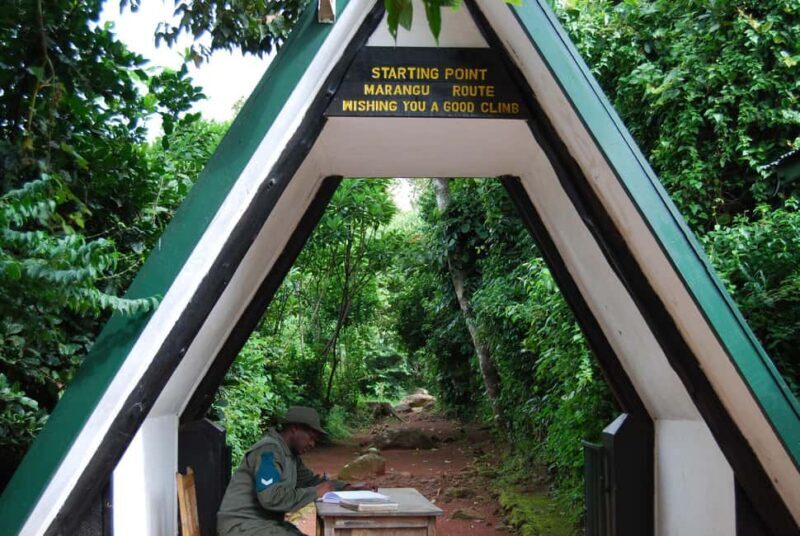
- Starting at Marangu Gate: Into the Rainforest
- From Mandara to Horombo: The Ascent Continues
- Reaching Kibo: The Final Base Camp
- The Summit Push: Uhuru Peak
- Descent and Return
- What’s Included and What You Should Budget for
- Value for Money?
- Practicalities
- The Experience: What You’ll Feel and See
- Challenges and Considerations
- Who Should Consider This Trek?
- Final Thoughts
- FAQs
- The Best Of Kilimanjaro National Park!
- More 5-Day Experiences in Kilimanjaro National Park
- More Hiking & Trekking Tours in Kilimanjaro National Park
- More Tour Reviews in Kilimanjaro National Park
Key Points
 1 / 4
1 / 4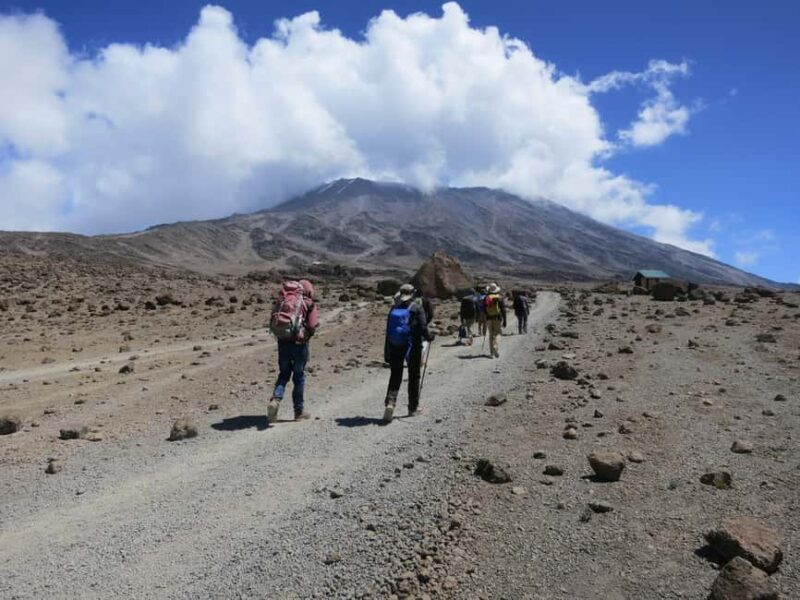 2 / 4
2 / 4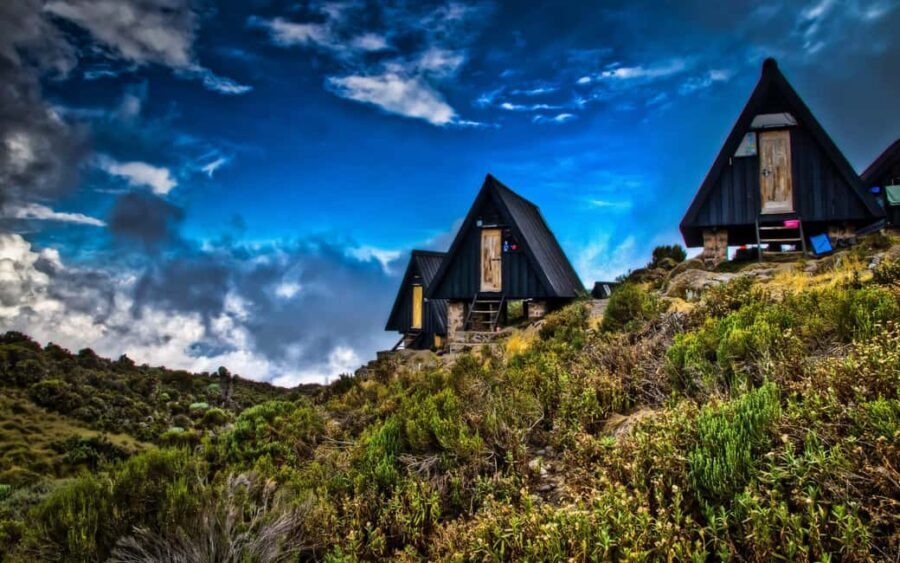 3 / 4
3 / 4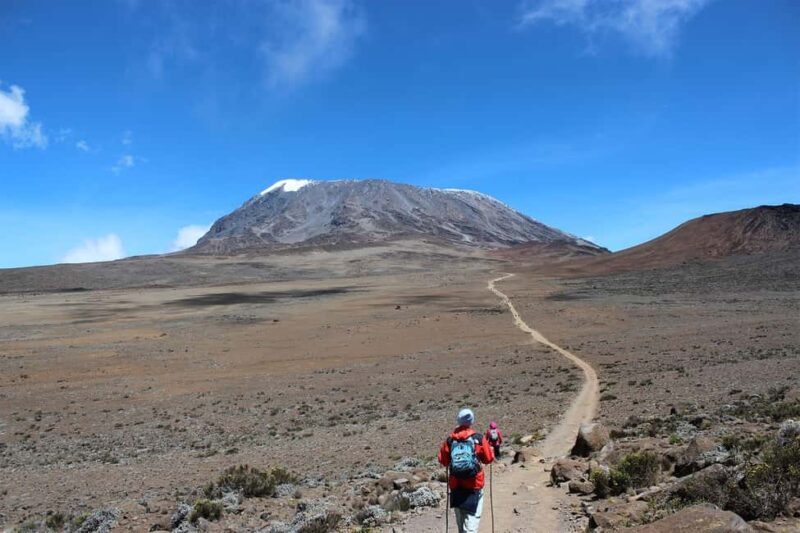 4 / 4
4 / 4- Comfortable overnight stays in huts make this route appealing for those not keen on camping.
- The route offers stunning views of surrounding mountains and diverse landscapes.
- A guided trek with expert local guides and porters ensures safety and cultural insights.
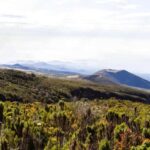
- The trek covers forest, alpine desert, and moorland, showcasing Kilimanjaro’s ecological variety.
- All park fees and rescue fees are included, simplifying the planning process.
- The tour costs $2,800 per person, representing good value considering the included accommodations and support.
👉 See our pick of the What Are The Best Tours & Things To Do In Kilimanjaro National Park? Our Top 16 Picks
An In-Depth Look at the 5-Day Marangu Route Trek
You can also read our reviews of more hiking tours in Kilimanjaro National Park
Starting at Marangu Gate: Into the Rainforest
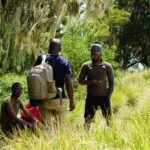
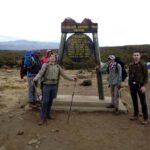
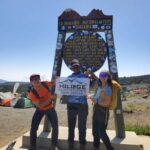
Your adventure begins at Marangu Gate, where the lush rainforest envelops you in greenery. This first stage is gentle but lush, with the chance to see local flora and possibly some wildlife. The route to Mandara Huts (2,700m) takes around 5-6 hours, depending on your pace. The trail is well-trodden, and the atmosphere is relaxed, making it a good warm-up day. The huts here offer a comfortable base for your first night, with meals included, easing you into the high-altitude environment.
From Mandara to Horombo: The Ascent Continues
On day two, it’s a steeper climb to Horombo Huts (3,720m). The views start to open up, revealing the mountain’s grandeur. This day might be a bit more physically challenging as you gain altitude, but the scenery makes it worthwhile. You’ll notice the landscape changing from dense rainforest to moorland, with distinctive giant lobelias and groundsels. This transition marks your entry into the alpine zone, a different world on Kilimanjaro’s slopes.
Reaching Kibo: The Final Base Camp
Day three is the most demanding in terms of elevation gain, as you trek from Horombo to Kibo Huts (4,703m). This day takes you through alpine desert and moorland—a stark, windswept landscape that’s quite dramatic. We’ve read reviews noting that the ascent can be tough, but the guides know how to pace the group and support acclimatization. Staying at Kibo Huts sets you up for the big push the following night. Be prepared for colder temperatures and the thin air—key for a successful summit attempt.
More Great Tours NearbyThe Summit Push: Uhuru Peak
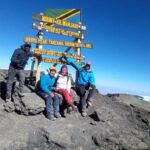
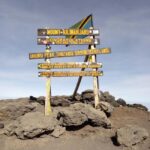
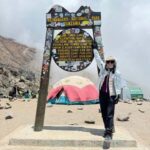
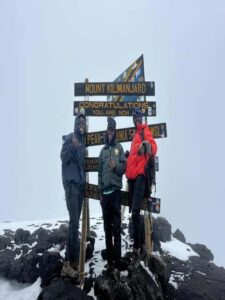
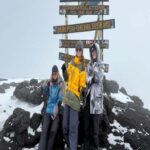
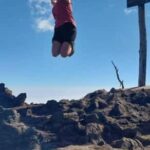
The highlight is, of course, reaching Uhuru Peak (5,895m). The guided night ascent starts around midnight to beat the heat and weather. The trail is rocky and steep, but the sense of achievement as you approach the summit is unparalleled. Expect crisp, cold air and stunning dawn views over the African plains. Many reviews mention the fatigue but also the overwhelming sense of accomplishment when standing atop Africa’s roof. After a quick celebration, you descend back to Horombo, where you can rest and recover.
You can also read our reviews of more tours and experiences in Kilimanjaro National Park
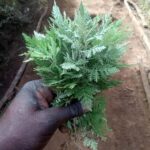
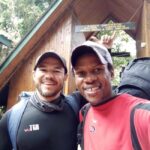
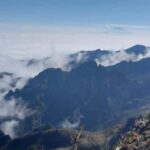
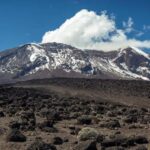
Descent and Return
The final day is a gentle descent through the forest back to the Marangu Gate. This last stretch is scenic, with lush green trees and a sense of completing a remarkable journey. You’ll leave with memories of breathtaking vistas and the camaraderie of sharing this challenge with fellow trekkers.
What’s Included and What You Should Budget for
The package at $2,800 covers most essentials: professional guides, porters, all park and rescue fees, full-board accommodation in huts, airport transfers, and clean drinking water. This all-inclusive approach offers peace of mind, especially for first-time high-altitude trekkers.
However, it’s wise to budget separately for personal gear, like trekking shoes, warm clothing, and a daypack. Also, you’ll need to handle visas, travel insurance, and personal expenses—these aren’t included but are critical for a smooth trip. The tours are not suitable for children under 12 or those with certain health issues, so consider your fitness and health before booking.
Value for Money?
While $2,800 might seem high, it’s a fair price considering the inclusions. The comfort of staying in huts, the expertise of guides, and the logistical support make this a hassle-free option. Many reviews highlight how the guides’ local knowledge and porters’ effort contribute significantly to the experience’s ease and safety.
Practicalities
Expect the trek to start early each day—usually around 8 am—and climb at a steady pace. The use of English, French, German, and Spanish makes communication accessible for many travelers. The tour’s flexible reservation policy, allowing you to reserve now and pay later, adds convenience for planning your adventure.
The Experience: What You’ll Feel and See
From the dense rainforest at the start to the barren, windswept summit, each day offers a different landscape that’s both beautiful and challenging. The stunning views of Kilimanjaro’s glaciers and the surrounding peaks are the reward for your effort. The huts provide a cozy refuge from the wind and cold, allowing you to rest properly before the next leg.
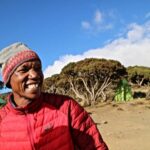
Many reviewers mention the quality of the guides and the support team, emphasizing how their encouragement and local knowledge make a huge difference. “The guides were fantastic—they kept us motivated and safe,” one trekker reports. Another highlights the “amazing scenery and the feeling of standing on the roof of Africa.”
Challenges and Considerations
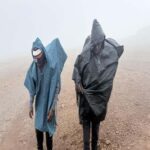
The direct route means a faster ascent, which can increase risks like altitude sickness if not managed well. Proper acclimatization and listening to your guides are crucial. Temperatures can drop well below freezing at the summit, so packing adequate warm gear is essential.
Who Should Consider This Trek?
This Kilimanjaro experience is suited best for fit, motivated travelers who want a relatively quick climb with a good chance of reaching the summit. It’s perfect for those who prefer comfort over camping and value guided support. But it’s not designed for children, pregnant women, or those with significant health issues; the physical demands require a reasonable level of fitness.
Final Thoughts
The 5-day Marangu Route trek offers a balanced mix of challenge, comfort, and scenic variety. The included hut accommodations allow you to focus on the experience rather than logistical headaches, and the support from experienced guides makes a big difference in your safety and enjoyment. If you’re looking for a manageable yet rewarding climb that provides impressive views and the satisfaction of reaching Africa’s highest point, this tour could be a solid choice.
For those willing to invest in a well-supported adventure, the value is clear. It’s not just about summiting; it’s about experiencing Kilimanjaro’s diverse landscapes and embracing the thrill of conquering one of the continent’s most iconic mountains.
Mt.Kilimanjaro: 5-Day Marangu Route Trekking
FAQs
Is this trek suitable for beginners?
While some fitness is recommended, the route’s direct nature means it’s somewhat demanding. Good physical preparation will help, but the guides are experienced in managing different fitness levels.
What is included in the price?
The $2,800 fee covers professional English-speaking guides, all park and rescue fees, hut accommodations, transfers to and from Kilimanjaro International Airport, meals, and purified drinking water.
Do I need personal trekking equipment?
Yes, you should bring your own gear such as hiking shoes, warm clothing, sunglasses, hat, camera, snacks, sunscreen, water, and a daypack.
Can I book now and pay later?
Yes, the tour offers a flexible reservation option allowing you to reserve your spot now and pay nothing until closer to your departure date.
Are children allowed on this tour?
No, it’s not suitable for children under 12 years old, given the physical and altitude challenges involved.
What about altitude sickness?
Proper acclimatization is important, especially since this route is quite direct. Listen carefully to your guides’ advice, and stay hydrated.
Is the route accessible for people with respiratory issues?
People with respiratory problems are advised to consult with their doctor, as high-altitude trekking can be strenuous and may aggravate certain health conditions.
What should I do if I change my mind?
You can cancel up to 24 hours in advance for a full refund, giving you flexibility in planning your trip.
In essence, this Kilimanjaro trek offers a practical, supportive, and scenic route for those eager to stand atop Africa’s highest summit without sacrificing comfort. Its well-organized support system, combined with the stunning landscapes, makes it an adventure worth considering for your Tanzanian journey.
You can check availability for your dates here: