If you’re curious about the lush, fragrant world of Pemba Island’s spice farms, this tour offers a snapshot into one of Tanzania’s most fragrant treasures. Designed for travelers who want more than just a quick photo stop, it promises hands-on experiences, local stories, and a chance to taste the very spices that make this island famous.
We like that this tour isn’t just about looking at pretty plants — it’s about understanding how cloves, cinnamon, vanilla, and more are grown and harvested by local farmers who have been doing it for generations.
Plus, the visit to an essential oil distillery offers a fragrant peek into how these spices are transformed into products used worldwide. However, it’s worth noting that the tour excludes entry fees and meals, so you’ll want to budget accordingly.
This experience best suits those who love authentic, sensory adventures — especially if you enjoy learning about local culture, tasting fresh spices, or trying their hand at cooking. If you’re after a quick, superficial overview, this might not be quite right. But if you want a meaningful, flavorful journey into Pemba’s agricultural heart, this tour fits the bill.
Key Points
- Authentic agricultural experience with guided walks through spice plantations.
- Learn traditional cultivation techniques directly from local farmers.
- Enjoy spice tastings and optional cooking classes for a sensory-rich experience.
- Visit an essential oil distillery to see how spices become fragrant oils.
- Understand Pemba’s role in global spice exports, especially cloves.
- Flexible booking with ‘pay later’ options and full refund for cancellations up to 24 hours in advance.
👉 See our pick of the Which Pemba Island Tours & Things To Do To Choose? We Rank The 16 Best
A Practical Introduction to Pemba’s Spice Farms
 1 / 3
1 / 3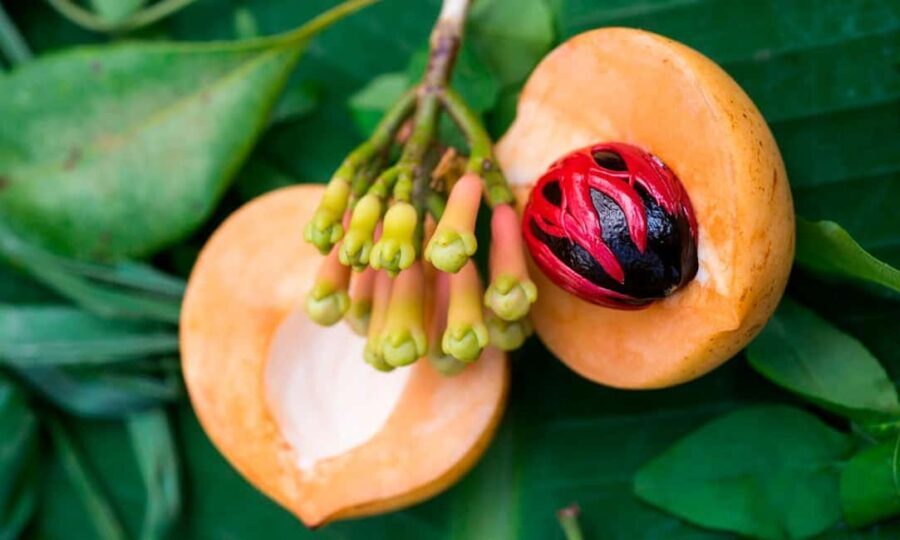 2 / 3
2 / 3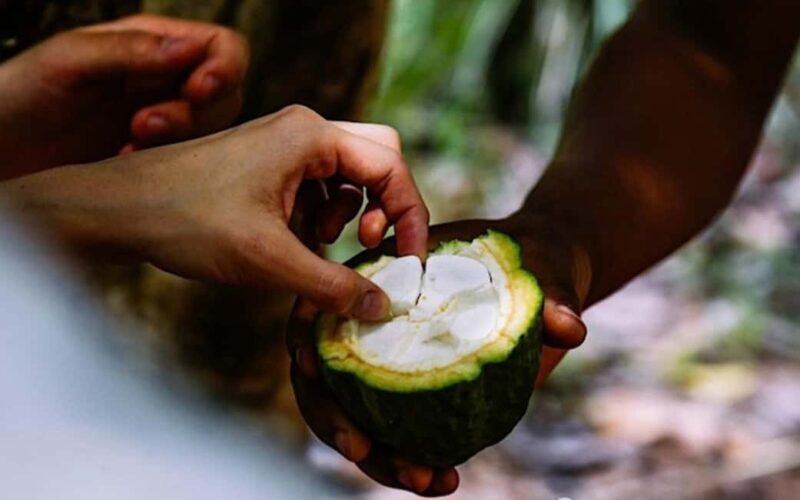 3 / 3
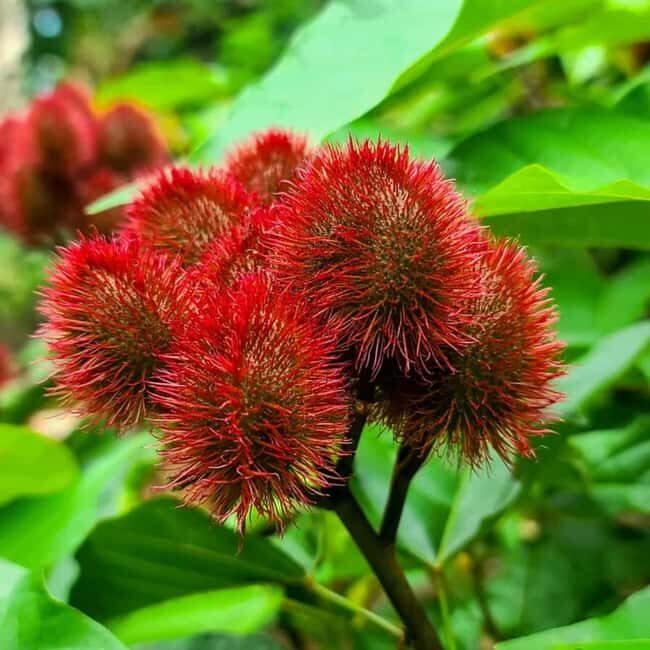
3 / 3When considering a tour like this, the first thing that stands out is its focus on authenticity. It’s not a staged show; instead, you’ll walk through actual plantations, touching and smelling spices fresh from the plant. The guide will explain traditional cultivation techniques, giving you insight into why Pemba produces over 80% of Tanzanian cloves — a fact that highlights the island’s importance in the global spice trade.
Being able to visit villages like Mtambwe and Wawi, you get a glimpse of everyday life for local farmers. As one review pointed out, “We loved the way they shared stories about their farming methods. It felt genuine, not commercial.” This direct engagement with locals makes the experience more meaningful and helps travelers appreciate the cultural significance of these crops.
You can also read our reviews of more tours and experiences in Pemba Island
What to Expect on the Tour
The tour typically begins with a guided walk through the lush plantations, where the scent of cloves and cinnamon is almost overwhelming in the best way. You’ll have opportunities to touch, smell, and taste fresh spices—an experience that’s far more engaging than just seeing them in a marketplace. The guides, usually local farmers or knowledgeable guides, will explain how each spice is cultivated, harvested, and processed.
Next, there’s a visit to an essential oil distillery where the transformation of spices into fragrant oils takes place. Watching this process not only fascinates but also helps you understand how spices are turned into products used in cooking, cosmetics, and healing. Many visitors find this part particularly memorable, as the aroma of freshly distilled oils fills the air.
Optionally, you can sign up for a cooking class or spice tasting session. These add a hands-on element, allowing you to combine your newfound knowledge with practical skills. One reviewer said, “The cooking class was a highlight — I learned how to make a simple spice marinade that I’ll try at home.”
The entire experience is designed to be relatively relaxed, usually lasting a few hours. While transportation is not detailed, the tour is conducted on foot through plantations, making sure you get close enough to appreciate the details.
The Value of the Tour
At $185 per person, this tour offers a solid value when you consider the depth of information, the hands-on experiences, and the opportunity to connect with local culture. You’re paying for more than just a sightseeing trip; you’re investing in an educational, sensory adventure that’s hard to find in typical travel packages.
Keep in mind, entry fees and meals are not included, so if you want to explore further or have lunch, budget accordingly. Still, the price reflects a well-organized experience with knowledgeable guides, flexible booking options, and the chance to see Pemba’s spice industry firsthand.
The Experience with JAULA TOUR
The tour provider, JAULA TOUR, offers a flexible booking process — you can reserve your place now and pay later, with the reassurance of a full refund if you cancel at least 24 hours in advance. This flexibility is especially helpful if your plans are not yet firm.
Many travelers have appreciated the clear communication and the professionalism of the guides, who make the experience accessible for English, French, Arabic, and Swahili speakers. The group size is generally manageable, allowing for personal interaction and easier navigation during the plantation walks.
More Great Tours NearbyWho Will Love This Tour?
This spice farm tour suits adventurous travelers eager to step beyond the typical beach or safari experience and into the vibrant world of agriculture and local craftsmanship. If you enjoy learning about how things are grown and tasting fresh flavors, you’ll find this trip rewarding. It’s also fantastic for food lovers who want to understand the origins of spices used worldwide.
It’s less ideal if you’re in a rush or prefer a quick overview, as the tour emphasizes hands-on participation and storytelling. Travelers with a keen interest in cultural exchange and authentic experiences will particularly cherish this outing.


The Sum Up
For travelers looking to connect with the essence of Pemba Island, this spice farm tour offers an engaging, sensory-rich experience. It combines education, taste, and culture—features that turn a simple day sightseeing into a meaningful journey. You’ll leave with a deeper appreciation for the island’s role in global spice production, along with new skills and a fragrant memory or two.
The tour is best suited for curious, open-minded travelers who want to see the reality behind the spices they use every day. If you’re after an activity that combines learning, tasting, and local interaction, this tour is a worthwhile addition to your Pemba itinerary.
While it does require some budget consideration (not including meals or entry fees), the experience’s authenticity and depth justify the cost. It’s a chance to slow down, smell the spices, and truly connect with Pemba’s land and its people.
Pemba Island: Spice Farm Tour with Tastings
FAQ
What is included in the tour?
The tour includes a guided walk through spice plantations, spice tastings, and stories about traditional cultivation techniques. It does not include entry fees or meals.
Can I book this tour with flexible payment options?
Yes, you can reserve your spot and pay later, with full refunds available if you cancel at least 24 hours in advance.
Is the tour suitable for children or families?
While the data doesn’t specify, the focus on walking, tasting, and learning suggests it could be enjoyable for older children and families interested in local culture and spices.
How long does the tour last?
The tour is typically a few hours, providing a manageable, relaxed experience suitable for most travelers.
Are guides available in different languages?
Yes, guides speak English, French, Arabic, and Swahili, making it accessible to a broad range of travelers.
What should I bring?
Comfortable shoes for walking, a hat, sun protection, and a camera are recommended. Since meals are not included, bringing snacks or water might be advisable if you get hungry.
This spice farm tour offers a well-rounded look into Pemba’s agricultural and cultural landscape, making it a memorable part of your Tanzanian adventure.
You can check availability for your dates here: