
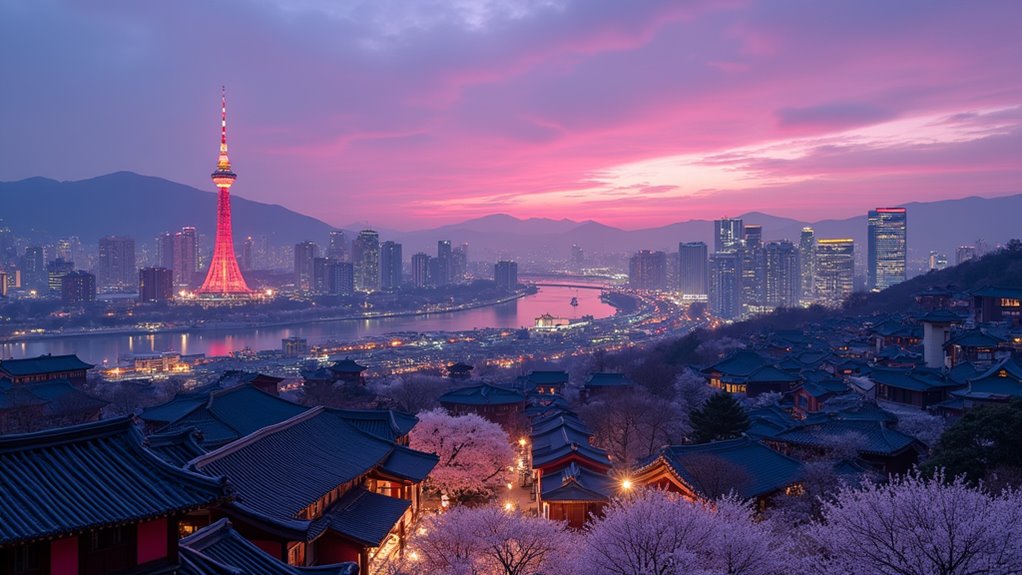
South Korea offers travelers an impressive mix of ancient traditions and modern excitement without breaking the bank. From palace courtyards where royal guards still perform ceremonial duties to mountain trails that lead to breathtaking vistas, the country delivers memorable experiences at every turn. Whether someone’s drawn to bustling street markets, serene temple grounds, or scenic coastal walks, they’ll discover that Korea’s most rewarding adventures often come with surprisingly modest price tags and unexpected cultural insights waiting around each corner.
- Walk Through Gyeongbokgung Palace During the Changing of the Guard
- Explore Bukchon Hanok Village’s Traditional Architecture
- Hike Seoraksan National Park’s Mountain Trails
- Experience Temple Life at Bulguksa Temple
- Shop and Eat Your Way Through Myeongdong
- Take the Cable Car to N Seoul Tower for City Views
- Wander the Colorful Streets of Gamcheon Culture Village
- Sample Street Food at Gwangjang Market
- Relax on Haeundae Beach in Busan
- Discover Art and Antiques in Insadong District
- Explore Jeju Island’s Natural Wonders
- Visit Jirisan National Park’s Sacred Mountain
- Stroll Along Cheonggyecheon Stream at Night
- Experience Sunset at Gubongsan Observatory Cafe Street
- Take Day Trips From Seoul to Traditional Villages
Walk Through Gyeongbokgung Palace During the Changing of the Guard
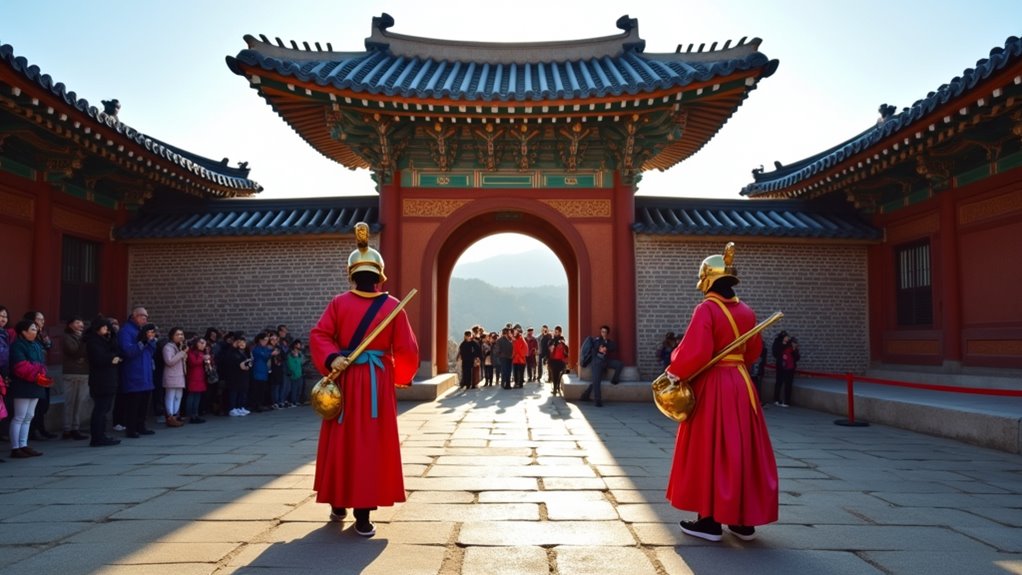
While most travelers rush through Seoul’s palaces with their cameras, visitors who time their arrival at Gyeongbokgung Palace for the Changing of the Guard ceremony witness something truly spectacular. This colorful pageantry happens several times daily at the main Gwanghwamun Gate, featuring guards in traditional Joseon Dynasty uniforms performing ancient rituals with precision and flair.
The ceremony costs nothing extra beyond the palace admission fee, making it budget-friendly entertainment. Arrive fifteen minutes early to secure good viewing spots, especially during peak season. The ceremony lasts about twenty minutes, giving photographers plenty of opportunities for memorable shots.
After the ceremony, explore the palace grounds at a leisurely pace. The Gyeonghoeru Pavilion and Throne Hall deserve extended visits. The National Palace Museum houses fascinating royal artifacts that bring Korea’s imperial history to life.
Explore Bukchon Hanok Village’s Traditional Architecture
Just a short walk from Gyeongbokgung Palace, Bukchon Hanok Village transports visitors back to the Joseon Dynasty without the entrance fees. This preserved neighborhood showcases well-maintained traditional hanok houses that locals still call home, making it a living piece of Korean history.
Wandering the narrow stone pathways costs nothing but offers authentic culture. Visitors can admire the distinctive curved rooflines, wooden beams, and traditional courtyard layouts that define hanok architecture.
The village’s elevated position provides stunning views of modern Seoul’s skyline, creating striking contrasts between old and new.
Photography enthusiasts will find countless Instagram-worthy shots here. However, visitors should respect residents’ privacy and keep noise levels down.
Early morning visits offer the best lighting and fewer crowds, making it perfect for budget travelers seeking authentic Korean experiences.
Hike Seoraksan National Park’s Mountain Trails
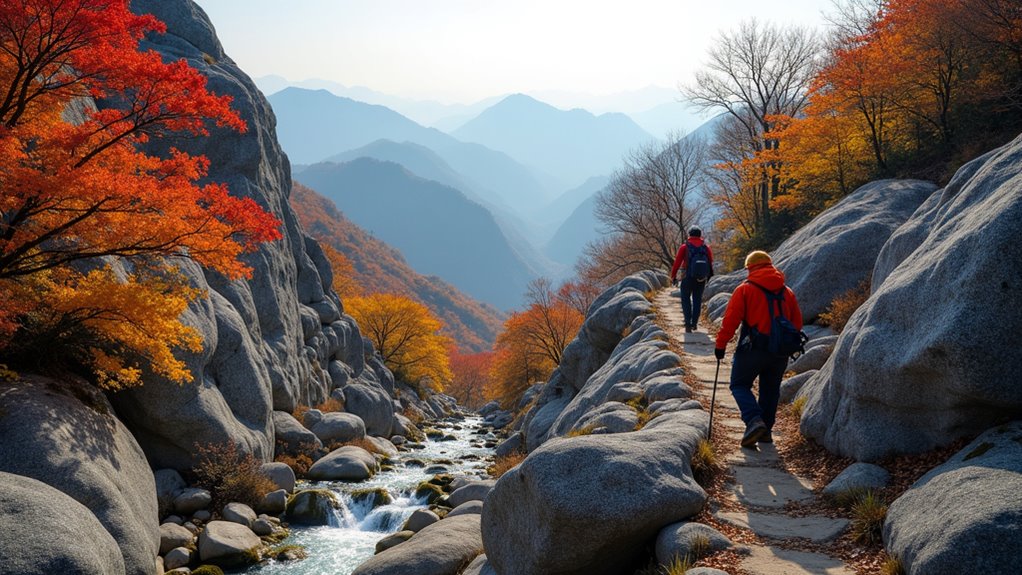
When adventure calls and Seoul’s bustling streets become overwhelming, Seoraksan National Park offers the perfect mountain escape just three hours northeast of the capital.
The park caters to every fitness level with both 2km easy walks and challenging 10km mountain trails that reward hikers with sweeping vistas across the Seoraksan Mountain Range.
Budget-conscious travelers can pack their own lunch and tackle the trails independently, while those seeking panoramic views without the workout can take the cable car to Gwongeumseong Fortress.
The fortress provides spectacular overlooks across the entire national park landscape.
Don’t miss Sinheungsa Temple along the way, where a towering bronze Buddha statue constructed in 1997 symbolizes peace and reunification.
Pack comfortable hiking boots, water, and layers – mountain weather changes quickly throughout the day.
Experience Temple Life at Bulguksa Temple
As Korea’s spiritual heritage beckons beyond the hiking trails, Bulguksa Temple delivers an authentic glimpse into the country’s Buddhist traditions dating back to the Silla Kingdom. Visitors can explore the temple grounds housing two magnificent bronze Buddha statues while observing daily rituals and ceremonies.
The temple’s architecture showcases classic Korean Buddhist design, making it perfect for photography enthusiasts on a budget.
Temple stays offer overnight experiences where guests participate in meditation sessions, ceremonial meals, and dawn prayers alongside resident monks. These programs typically cost around $50-80 per night and include simple vegetarian meals.
The peaceful mountain setting provides respite from bustling city life, while the spiritual atmosphere creates meaningful culture. It’s accessible by public transportation, keeping travel costs minimal for budget-conscious travelers.
Shop and Eat Your Way Through Myeongdong
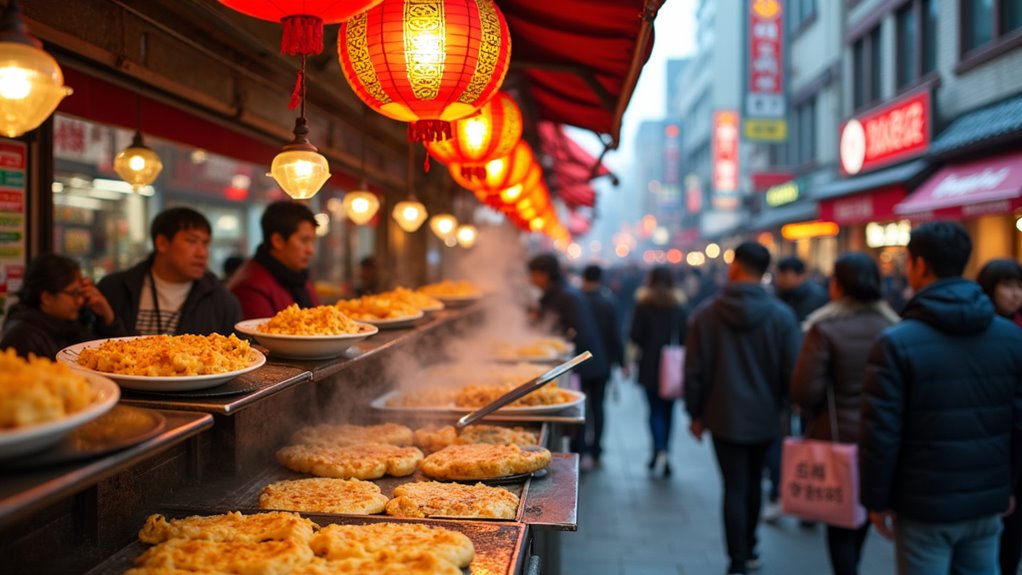
While spiritual experiences offer inner peace, Myeongdong Shopping Street delivers Seoul’s most vibrant commercial energy where visitors can dive headfirst into K-beauty culture and street food adventures. This pedestrian-friendly district ranks among South Korea’s top attractions, packed with everything from flagship cosmetics stores to sizzling street vendors.
Shoppers can explore multi-story Olive Young locations and brand-specific K-beauty shops offering skincare samples and affordable products.
The street food scene doesn’t disappoint either—vendors serve Korean corn dogs, hotteok pancakes, and spicy tteokbokki at budget-friendly prices.
Smart visitors come hungry and with empty luggage space. The area stays lively until late evening, making it perfect for combining dinner with shopping.
Myeongdong efficiently delivers authentic Korean commercial culture in one walkable neighborhood.
Take the Cable Car to N Seoul Tower for City Views
After exploring Seoul’s bustling street-level attractions, visitors can gain a fresh perspective by heading skyward to N Seoul Tower. Perched atop Namsan Park, this iconic landmark offers spectacular panoramic skyline views from its observation deck that’ll make the journey worthwhile.
The cable car ride up provides an affordable way to reach the summit without tackling steep hiking trails, though budget-conscious travelers can still opt to walk. Once there, visitors enjoy 360-degree vistas stretching across Seoul’s sprawling urban landscape.
The tower’s observation deck showcases the city’s impressive mix of modern skyscrapers and traditional neighborhoods below.
Evening visits prove particularly rewarding when the city lights create a dazzling display. It’s an essential Seoul experience that combines convenience with breathtaking scenery.
Wander the Colorful Streets of Gamcheon Culture Village
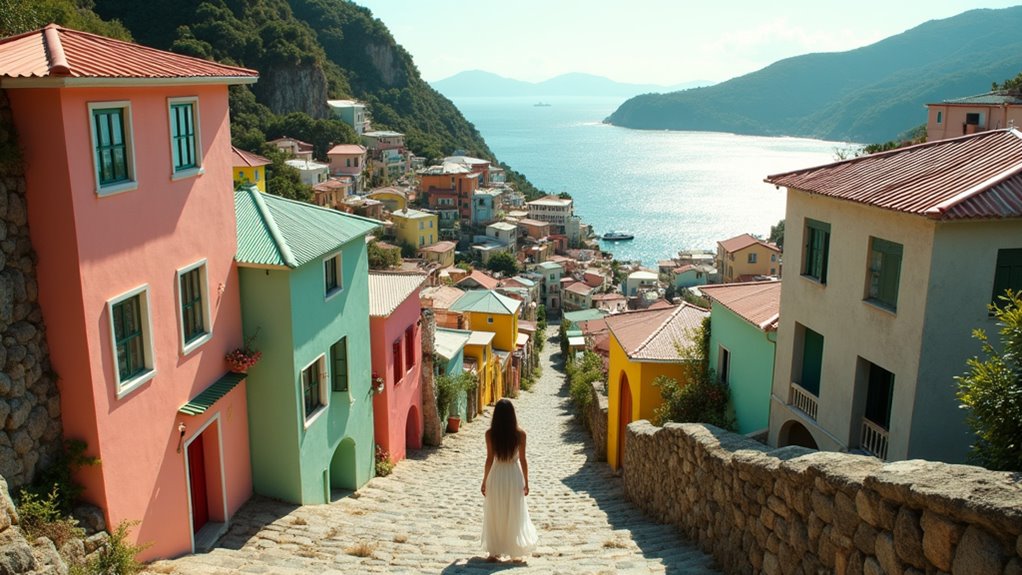
Once travelers make their way to Busan, they’ll discover one of South Korea’s most Instagram-worthy neighborhoods tucked into the hillsides above the bustling port city. Gamcheon Culture Village, nicknamed the ‘Machu Picchu of Busan,’ transforms steep hillside terrain into a vibrant canvas of colorful houses and creative street art.
Visitors can spend hours wandering the narrow alleyways, discovering murals painted by local and international artists. The village’s pastel-colored homes create perfect photo opportunities at every turn.
Small cafes and art galleries dot the winding streets, offering affordable refreshments and unique handmade souvenirs.
The best part? Exploring this cultural gem won’t break the budget. Entry to the village is free, and travelers only pay for food, drinks, or optional souvenir stamps from local shops.
Sample Street Food at Gwangjang Market
For over 100 years, Gwangjang Market has served as Seoul’s ultimate destination for authentic Korean street food, where travelers can sample traditional dishes without spending a fortune.
Visitors can’t miss trying bindaetteok (mung bean pancakes), crispy and golden brown, served fresh from sizzling griddles.
The market’s famous mayak gimbap, bite-sized rice rolls nicknamed “drug kimbap” for their addictive quality, costs just a few dollars per serving.
Adventurous eaters should try sundae (Korean blood sausage) and tteokbokki (spicy rice cakes) from veteran vendors who’ve perfected their recipes over decades.
Most dishes range from $2-5, making it perfect for budget travelers.
The bustling atmosphere, with ajummas (older Korean women) calling out to customers, creates an authentic cultural experience that guidebooks can’t capture.
Relax on Haeundae Beach in Busan
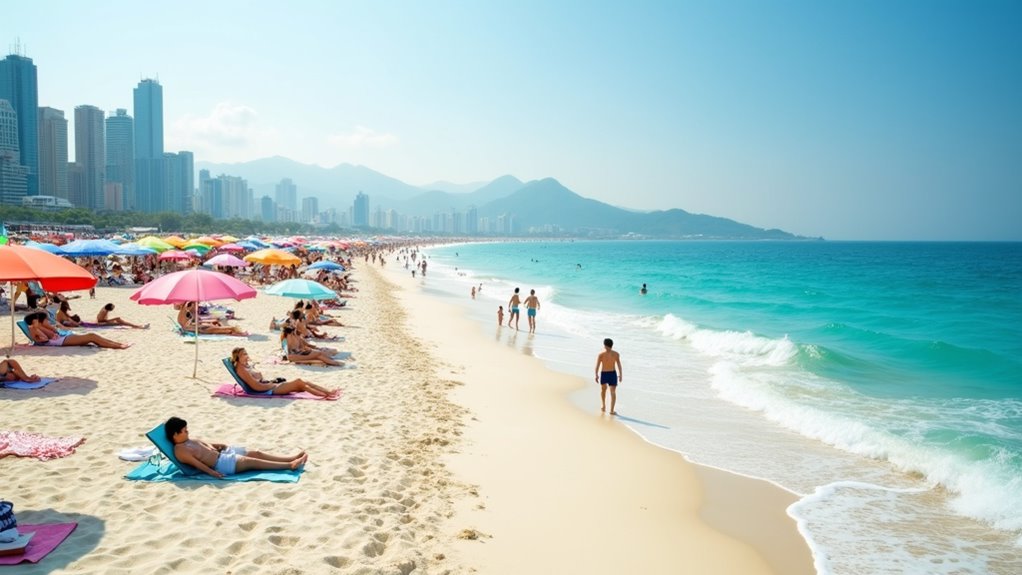
While Seoul offers incredible culinary adventures, South Korea’s coastal gems provide the perfect escape for travelers seeking sun and relaxation. Haeundae Beach in Busan stands out as the country’s most famous stretch of golden sand, where modern skyscrapers create a stunning backdrop against ocean views.
Visitors can enjoy swimming, sunbathing, and beachside dining without breaking the bank. The area offers budget-friendly street food vendors and affordable restaurants serving fresh seafood.
During peak season in August, the beach buzzes with energy, though travelers can find quieter moments in shoulder seasons.
The surrounding neighborhood provides easy access to shopping, entertainment, and public transportation. Whether lounging on the sand or exploring nearby attractions, Haeundae delivers the perfect blend of urban sophistication and coastal charm.
Discover Art and Antiques in Insadong District
After soaking up the coastal vibes of Busan, travelers can plunge into Seoul’s rich cultural heart at Insadong District. This traditional neighborhood perfectly balances old-world charm with accessible cultural exploration.
Visitors can browse authentic antique shops filled with vintage Korean ceramics, calligraphy pieces, and traditional crafts without breaking the bank.
The district’s winding alleys reveal cozy teahouses where travelers can rest between gallery visits while sipping traditional Korean tea. Street vendors offer affordable local snacks, making it easy to fuel up during art hunting sessions.
Insadong’s vibrant art galleries showcase both emerging and established Korean artists, providing insight into the country’s creative scene.
The area’s compact layout makes walking between attractions effortless, and most galleries offer free admission, making culture budget-friendly.
Explore Jeju Island’s Natural Wonders
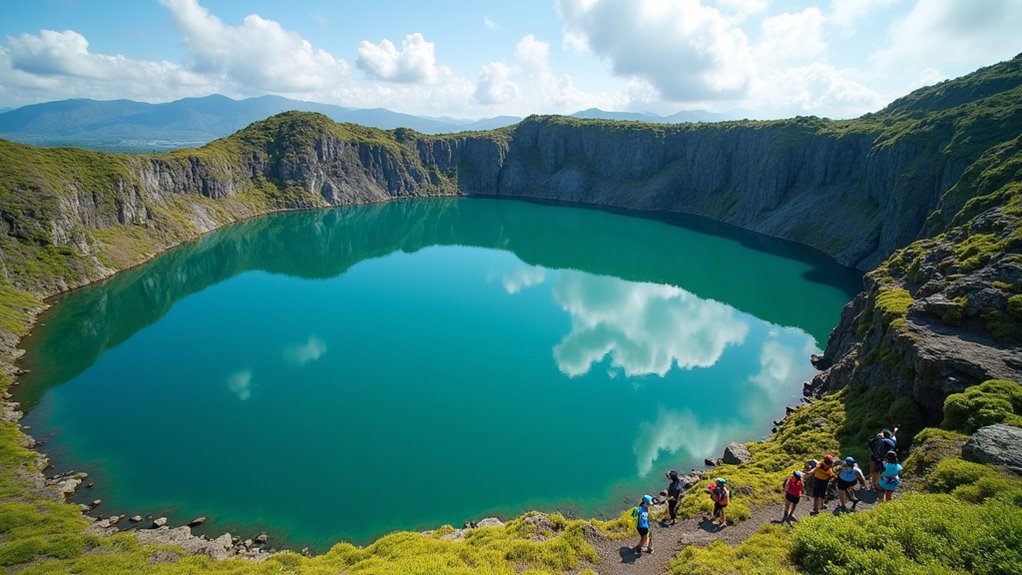
Just 90 kilometers south of Korea’s southwestern coast, Jeju Island beckons travelers with its volcanic landscapes and pristine natural beauty. South Korea’s largest island offers incredible value for budget-conscious adventurers seeking natural wonders without the mainland’s crowds.
Visitors can explore dramatic volcanic craters, pristine beaches, and lush forests that define this UNESCO World Heritage site. The island’s hiking trails wind through unique geological formations created by ancient volcanic activity, providing free outdoor entertainment for nature enthusiasts.
Jeju’s coastline features stunning black sand beaches and crystal-clear waters perfect for swimming and snorkeling. Budget accommodations and affordable local restaurants make extended stays feasible, while public transportation connects major attractions efficiently.
The island’s compact size allows travelers to experience diverse landscapes—from waterfalls to mountain peaks—within days rather than weeks.
Visit Jirisan National Park’s Sacred Mountain
From island adventures to mainland mountain peaks, South Korea’s largest and most revered national park awaits exploration. Jirisan National Park houses one of the country’s three sacred mountains, offering hikers spiritual significance alongside natural beauty.
The park’s extensive trail network caters to various fitness levels, from gentle valley walks to challenging summit climbs.
Budget-conscious travelers can camp at designated sites or stay in affordable mountain huts scattered throughout the park. Peak seasons bring crowds, so visiting during shoulder months saves money and provides more solitude.
The park’s diverse ecosystems showcase Korea’s wildlife and pristine forests, making it a photographer’s paradise.
Local buses connect nearby towns to park entrances, eliminating expensive tour costs. Pack lunch and plenty of water—mountain villages offer limited dining options at premium prices.
Stroll Along Cheonggyecheon Stream at Night
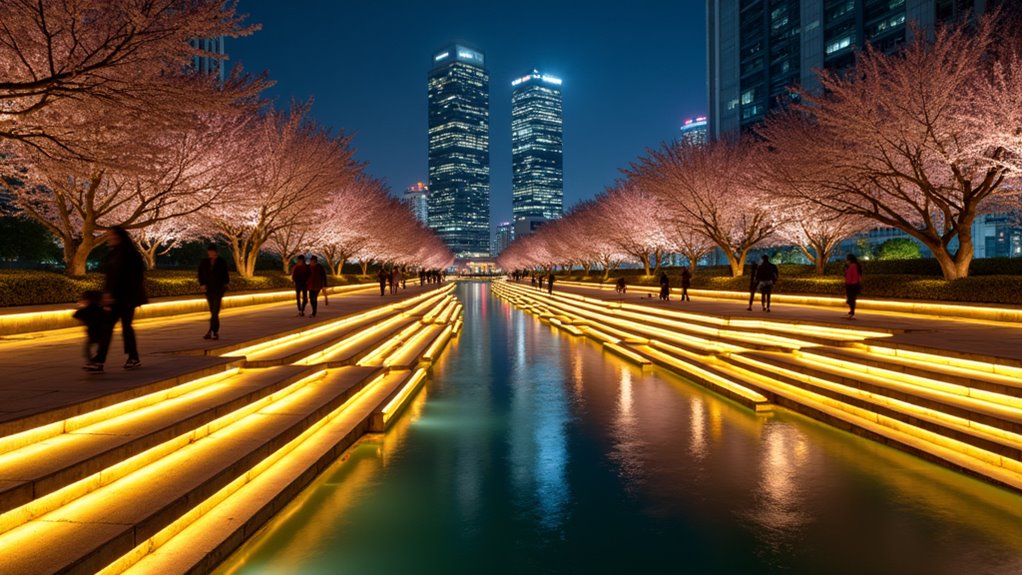
When Seoul’s urban energy transforms under moonlight, Cheonggyecheon Stream becomes the city’s most enchanting free attraction. This restored waterway flows through central Seoul, offering travelers a peaceful escape from bustling streets above.
The stream’s LED lighting creates magical reflections on the water, while art installations and small waterfalls add visual interest along the 3.6-mile walkway.
Night strolls here cost nothing but deliver memorable experiences. Couples find romantic spots on stone benches, while families enjoy the cool evening breeze.
The stream connects major districts like Myeongdong and Dongdaemun, making it perfect for budget-conscious travelers exploring multiple areas on foot.
Street food vendors near entrance points sell affordable snacks, and clean restrooms appear regularly along the route, ensuring comfortable evening adventures.
Experience Sunset at Gubongsan Observatory Cafe Street
As the day winds down in Seoul, budget travelers discover one of Korea’s best-kept secrets at Gubongsan Observatory Cafe Street. This scenic mountainside destination offers spectacular sunset views without breaking the bank. Multiple cafes and restaurants line the street, each providing affordable dining options with panoramic vistas of the city below.
The atmosphere transforms as golden hour approaches, creating perfect photo opportunities against Seoul’s sprawling skyline. Visitors can grab inexpensive Korean snacks or coffee while claiming prime viewing spots on outdoor terraces.
The relaxed setting attracts locals and travelers alike, making it an authentic cultural experience.
Unlike expensive observation decks downtown, Gubongsan’s cafe street provides budget-friendly sunset watching with food and drinks included. It’s easily accessible and offers genuine Korean hospitality in a stunning natural setting.
Take Day Trips From Seoul to Traditional Villages
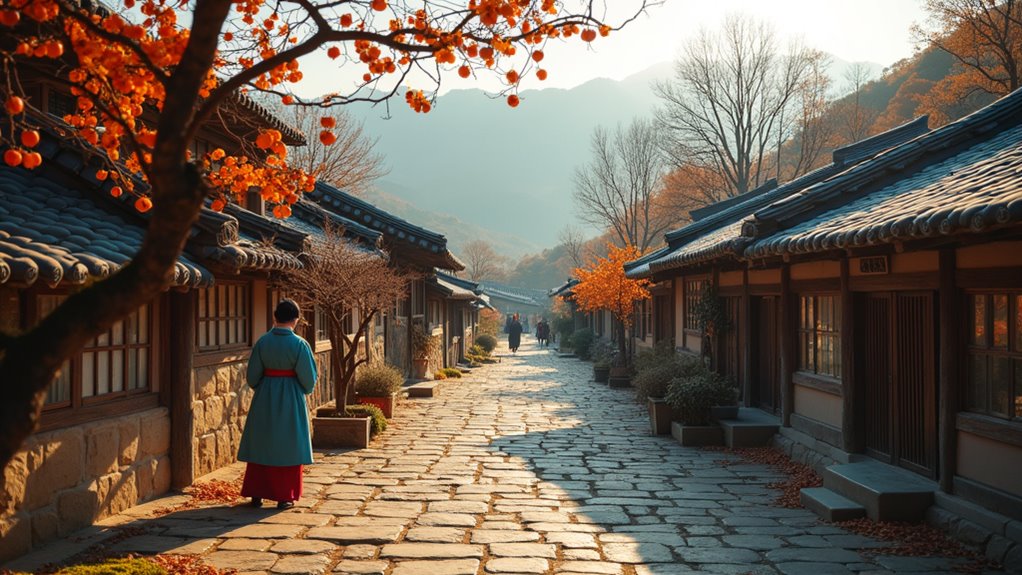
While Seoul’s modern attractions captivate visitors, the country’s most authentic cultural experiences await in traditional villages just outside the capital. Bukchon Hanok Village offers the closest escape, featuring well-preserved Joseon Dynasty houses within Seoul itself.
For a more immersive experience, travelers can venture to Gyochon Traditional Village, where authentic Korean settlement life unfolds without modern distractions.
These day trips don’t require expensive tour packages—budget-conscious visitors can easily reach both destinations using Seoul’s efficient public transportation system. The villages showcase traditional hanok architecture, cultural demonstrations, and local craftspeople at work.
Visitors can explore narrow stone pathways, sample traditional teas, and photograph centuries-old buildings. Both locations provide genuine glimpses into Korea’s rich heritage, making them essential stops for understanding the country’s cultural foundations beyond Seoul’s skyscrapers.