
Introducing the Zanzibar: Spice Farm, Swahili Clothing, and Cooking Class Experience
If you’re looking to add a genuinely local touch to your Zanzibar trip, this combined tour offers a well-rounded taste of the island’s vibrant culture. Hosted by Zanmiracles Zanzibar Travel and Safaris, it promises an afternoon filled with colorful clothing, fragrant spices, and delicious homemade Swahili dishes.
What’s especially appealing is the chance to dress in traditional outfits and learn about their cultural significance—an engaging and photo-worthy experience.
Two aspects we particularly like about this tour: First, the blend of culture and culinary discovery makes the experience both educational and fun. Second, the tour’s emphasis on authentic, homemade food served in a traditional setting adds a warm, welcoming atmosphere. A possible consideration is that it’s quite a full agenda, which might feel rushed if you prefer a more relaxed pace.
This tour suits travelers eager for an interactive cultural experience that goes beyond sightseeing and offers real insight into Swahili life.
Who will love this tour? It’s perfect for curious travelers wanting to connect more deeply with Zanzibar’s traditions, food lovers eager to taste local dishes, or anyone interested in colorful clothing and photography. It’s also suitable for those who appreciate a hands-on approach to learning about local customs, with the flexibility to book and pay later.
This experience made our article of 5 Of The Best Tours & Things To Do In Kizimkazi Dimbani.
- Key Points
- What to Expect from the Zanzibar Cultural Tour
- Starting Point: Visiting a Local Family or Cultural Center
- Dressing in Traditional Swahili Outfits
- The Spice Farm Visit
- Swahili Food Experience
- Practical Details and Tips
- Duration and Group Size
- Price and Value
- What to Bring
- Important Considerations
- Booking and Flexibility
- In-Depth Look at the Experience
- Who Will Benefit Most from This Tour?
- Final Thoughts
- FAQ
- The Best Of Kizimkazi Dimbani!
- More Cooking Classes in Kizimkazi Dimbani
- More Tour Reviews in Kizimkazi Dimbani
Key Points
 1 / 6
1 / 6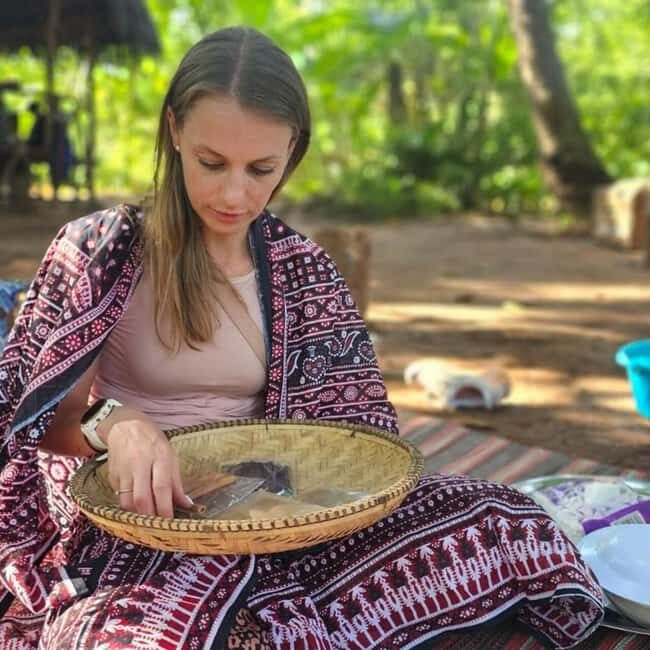 2 / 6
2 / 6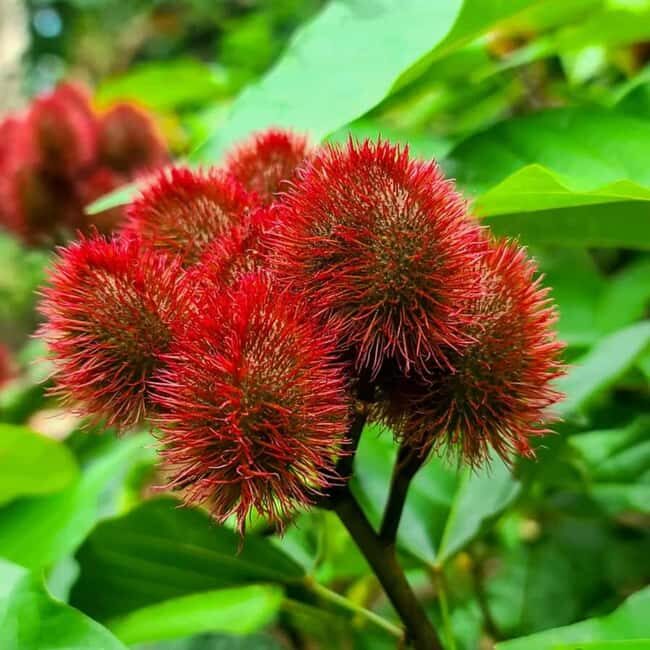 3 / 6
3 / 6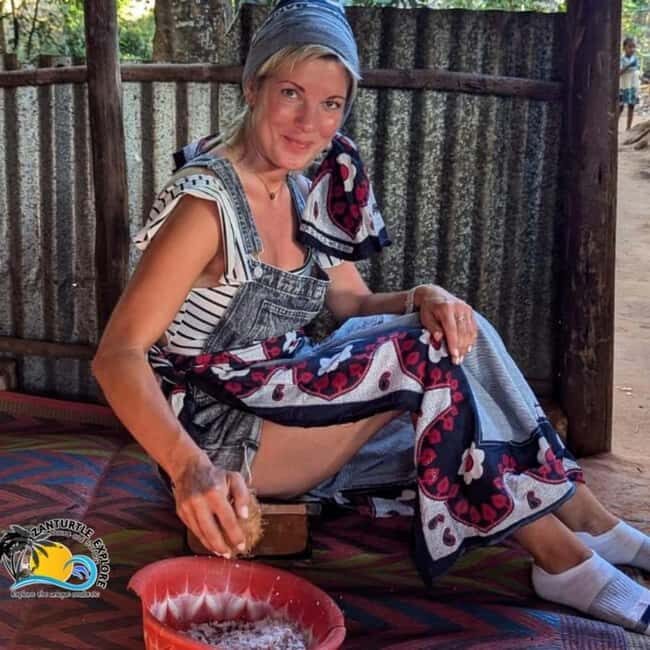 4 / 6
4 / 6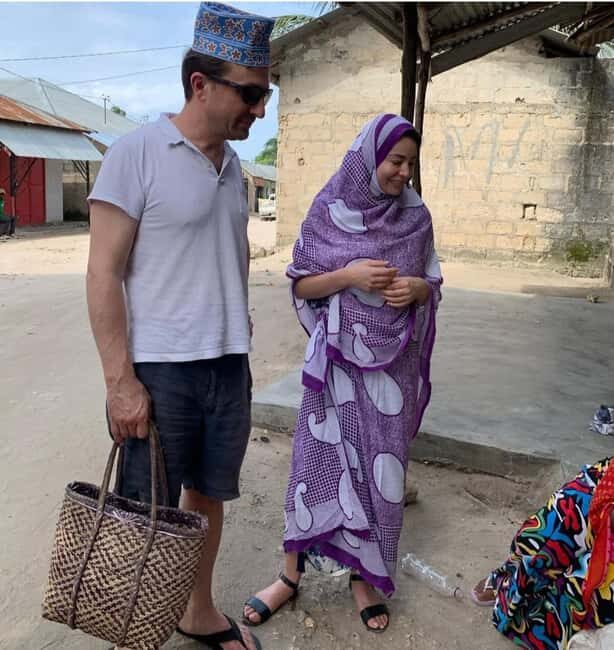 5 / 6
5 / 6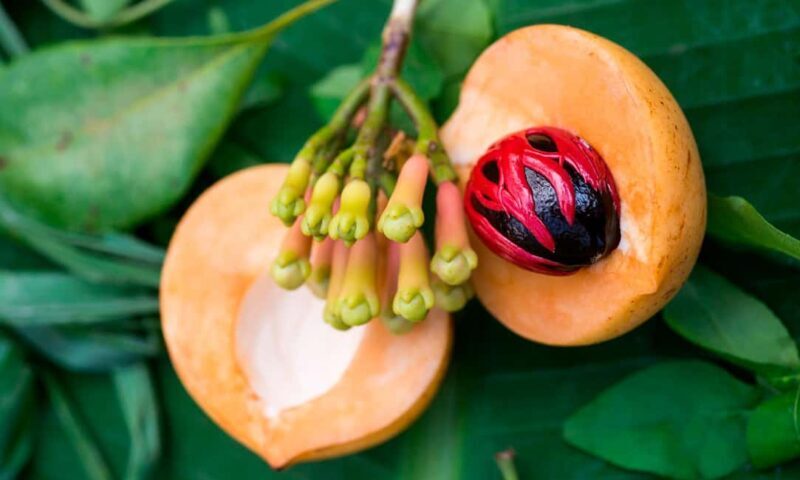 6 / 6
6 / 6- Cultural immersion through wearing traditional Zanzibari clothing and understanding its significance
- Authentic homemade Swahili meal in a traditional setting, showcasing local flavors
- Educational experience with explanations about clothing styles like Kanzu, Kikoi, and Kitenge
- Photo opportunities while trying on outfits and exploring local craftsmanship
- Value for money at $135, combining multiple experiences in one tour
- Flexible booking options with a pay-later policy, making planning easier

👉 See our pick of the 5 Of The Best Tours & Things To Do In Kizimkazi Dimbani
What to Expect from the Zanzibar Cultural Tour
You can also read our reviews of more cooking classes in Kizimkazi Dimbani

Starting Point: Visiting a Local Family or Cultural Center
The tour kicks off with a visit to a local family or cultural center—this is where the magic begins. Your guide will introduce you to various traditional clothing styles such as Kanzu, a flowing white robe often worn by men; Kikoi and Kitenge, colorful fabrics and wraps favored by women; as well as Buibui and Hijab, which hold religious and cultural importance. The explanations are straightforward and engaging, providing meaningful context about each garment’s history and current use.
From previous reviews, travelers appreciate how “the guide made it easy to understand the cultural significance” and “offered helpful tips on how to wear each outfit properly.” You’ll have the chance to try on these clothes—an activity that often surprises and delights visitors. Many guests state that it’s a unique opportunity to see the vibrant fabric designs up close, and some mention how they enjoyed taking photos in these traditional outfits.
Dressing in Traditional Swahili Outfits
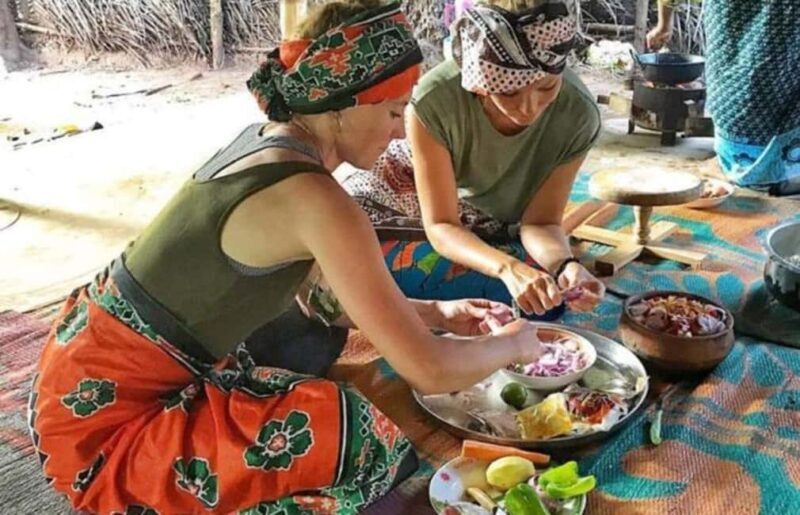
Getting dressed in these outfits is more than just trying on clothes; it’s a cultural lesson in itself. You might find yourself wrapped in a Kikoi or draped in a Kitenge, with guidance on how to style them correctly. The experience of wearing local attire often leads to memorable photos, and many visitors say they felt like “true locals for a moment.”
The guide will explain the significance behind each style—such as how Kanzu is often worn during formal or religious events, and how Hijabs are a reflection of modesty and cultural identity. Whether you’re a fashion enthusiast or just curious, this part of the tour provides genuine insight into Zanzibar’s cultural fabric.
The Spice Farm Visit
While not extensively detailed in the original info, the tour includes a visit to a local spice farm—an essential part of Zanzibar’s identity. You’ll walk through fragrant fields, learning about spices like cloves, cinnamon, and cardamom. Though not the main focus here, it’s a highlight for many, as it offers a fragrant sensory experience and a deeper understanding of the island’s economy and history.
More Great Tours NearbySwahili Food Experience
The highlight for many is the home-cooked Swahili meal served after the dressing session. Expect a spread of pilau rice, fragrant with spices, alongside coconut curry, chapati, and samosas—all prepared with care in a traditional setting. Fresh tropical fruits add a sweet finale. You’ll eat in a relaxed, authentic environment, often with locals, which enhances the cultural connection.
Guests report that “the food was delicious and authentic,” and “it felt like dining in a friend’s home.” The meal isn’t just about taste but also about experiencing Zanzibar’s hospitality firsthand. The setting’s simplicity and warmth help make this a memorable highlight.



Practical Details and Tips
Duration and Group Size
While the exact duration isn’t specified, tours like this typically last around 3-4 hours. Expect a small group, which allows for personalized attention and interaction. This intimate setting enhances the chance to ask questions and photograph the experience.
Price and Value
At $135 per person, this experience offers good value considering it combines cultural education, clothing, spice farm visit, and a traditional meal. The inclusions—like dressing in traditional clothing and enjoying a homemade meal—add depth to your visit that many standalone activities lack.
What to Bring
Comfortable shoes are essential, especially if you’re trying on outfits or walking through spice farms. Sunscreen, sunglasses, and a sun hat will help protect you in Zanzibar’s warm climate. A camera is a must-have for capturing photos, and cash is recommended for any personal expenses or tips.
Important Considerations
- Wear comfortable, modest clothing suitable for trying on traditional outfits.
- Inform your guide beforehand if you have dietary restrictions or allergies—dishes are homemade, but customization may be limited.
- No pets or smoking allowed indoors during the meal.
- The tour is conducted in English, making communication straightforward.
Booking and Flexibility
You can reserve your spot with the option to pay later, providing flexibility if your plans change. Cancellations are accepted up to 24 hours in advance for a full refund, giving peace of mind.
In-Depth Look at the Experience
Cultural Significance of Clothing: Understanding why certain garments are worn helps travelers appreciate Zanzibar’s social fabric. For example, the Kanzu is more than just clothing—it’s a symbol of respect and tradition, often worn during important events or religious ceremonies. The Kitenge fabric, with its vibrant patterns, serves as a canvas for personal expression and cultural identity.
Photographs and Memories: Many reviews mention how they appreciated the opportunity to take photos while dressed in local attire. These images often become cherished souvenirs and conversation starters back home.
Authentic Hospitality: The meal and setting reflect Zanzibar’s warmth and friendliness. Guests often comment on how the hosts made them feel welcomed and part of the community.
Learning and Connection: This isn’t a scripted tour—it’s an opportunity to connect with local customs and traditions in a relaxed environment. The guide’s explanations help demystify cultural symbols, making the experience meaningful rather than superficial.
Pricing and Overall Value: When you consider the cost covers multiple activities—clothing, spice farm, meal—the price feels fair. It’s a comprehensive cultural snapshot that’s hard to find elsewhere, especially with the personal touch.
Who Will Benefit Most from This Tour?
This tour is ideal for travelers who crave more than just beaches and resorts. If you’re curious about the local way of life, enjoy learning through hands-on experiences, or want memorable photos in traditional attire, this tour hits the mark. It’s also suitable for families, small groups, or solo travelers who want a structured but intimate cultural encounter.
If you’re on a tight schedule but still want an authentic taste of Zanzibar’s culture, this experience offers a compact yet rich snapshot. However, if your main focus is just relaxing on the beach, you might find this tour a bit busy for your taste.
Final Thoughts
This Zanzibar experience offers a compelling blend of cultural education, culinary delight, and personal interaction—all for $135. It’s a chance to see Zanzibar through the eyes of locals, dressed in traditional clothes, tasting home-cooked Swahili dishes, and learning about spices that made the island famous. The warm hospitality, authentic setting, and photo opportunities make it a memorable addition to any trip.
Ideal for those eager to understand Zanzibar’s traditions beyond the usual tourist spots, this tour can turn a casual visit into a meaningful cultural adventure. Just bring your curiosity, a camera, and a sense of adventure—you’ll leave with new knowledge, tasty memories, and plenty of photos to share.
Zanzibar: Spice farm Swahili Clothing and Cooking class
FAQ
Is transportation included in the tour?
No, transportation to the starting point is not included. You’ll need to arrange your own way there, so plan accordingly.
How long does the tour last?
While not explicitly stated, the experience typically takes around 3-4 hours, including clothing, spice farm visit, and meal time.
Can I book this tour last-minute?
Yes, you can reserve your spot with the option to pay later, making last-minute planning easier.
Is the tour suitable for children?
It’s generally suitable for those comfortable trying on traditional clothing and eating local food. Check with the provider if you have very young children or specific needs.
What should I wear?
Wear comfortable, modest clothing that’s easy to try on. Bring sun protection gear like a hat and sunscreen.
Are dietary restrictions accommodated?
You should inform the guide of any dietary restrictions or allergies beforehand, though the meal is homemade and may have limited customization.
What language is the tour conducted in?
The tour is conducted in English, so communication should be straightforward.
This experience provides a well-rounded, authentic peek into Zanzibar’s vibrant culture—a truly enriching addition to your island adventure.
You can check availability for your dates here: