Traveling in New Orleans often means exploring its vibrant jazz, haunting cemeteries, and historic architecture. But for those wishing to understand a less glamorous, more sobering part of Southern history, the Whitney Plantation Tour offers an essential visit.
This tour, which includes transportation from downtown New Orleans, focuses on telling the story of slavery through the eyes of the enslaved, providing a perspective often missing from more traditional plantation tours.
What we love about this experience is how it combines convenient transportation with a thought-provoking visit that highlights the resilience and suffering of enslaved people. The use of personal narratives, recorded voices, and preserved structures make it a deeply personal journey.
One minor consideration is that the tour is self-guided on-site, which might mean less interaction with guides if you’re used to more guided experiences, but that also allows for a more personal pace.
This tour is ideal for history buffs, families interested in authentic storytelling, or anyone wanting to confront the realities of slavery in a respectful, educational setting. If you’re looking for a tour that balances value, accessibility, and emotional impact, this might just be your best choice.
- Key Points
- An Honest Look at the Whitney Plantation Tour
- The Journey Out of the French Quarter
- Arrival at Whitney Plantation
- The Slave Cabins and Outbuildings
- Exhibits and Memorials
- The Emotional Impact
- Return to New Orleans
- The Value of the Whitney Experience
- Group Size and Comfort
- Accessibility and Practical Tips
- What the Reviews Say
- Final Thoughts: Who Should Consider This Tour?
- FAQ
- In The Sum Up
- The Best Of New Orleans!
- More Tours in New Orleans
- More Tour Reviews in New Orleans
Key Points

- Focused on enslaved people’s stories rather than plantation grandeur.
- Transport from New Orleans is included, easing logistics.
- Self-guided tour with an app enhances personal exploration.
- Restored original structures and historic cabins provide authentic insights.
- Powerful educational experience that leaves a lasting impression.
- Good reviews for knowledgeable staff and emotional depth.

👉 See our pick of the Top 15 Workshops & Classes In New Orleans
An Honest Look at the Whitney Plantation Tour
If you’re considering a visit to the Whitney Plantation, you’ll want to know what to expect from start to finish. This tour offers a respectful and educational experience that shines a spotlight on the most overlooked part of plantation history—the enslaved people who lived and worked there.
You can also read our reviews of more tours and experiences in New Orleans.



The Journey Out of the French Quarter
Starting at the Gray Line ticket office on Toulouse Street, you’ll board a comfortable, air-conditioned bus. The ride out of the city takes roughly two hours, and we found it to be surprisingly scenic. The route crosses the Bonnet Carre Spillway, designed to prevent flooding, and offers a panoramic view of Lake Pontchartrain—a peaceful contrast to the heavy subject matter ahead.
Passing by historic estates like Evergreen, Felicity, and St. Joseph, you’ll get a glimpse of the sugarcane, cotton, and indigo trade that fueled Louisiana’s economy. Some reviews mention that the bus ride itself can be a highlight, with the driver sharing local tips and sights, making the journey pleasurable in its own right.
Arrival at Whitney Plantation
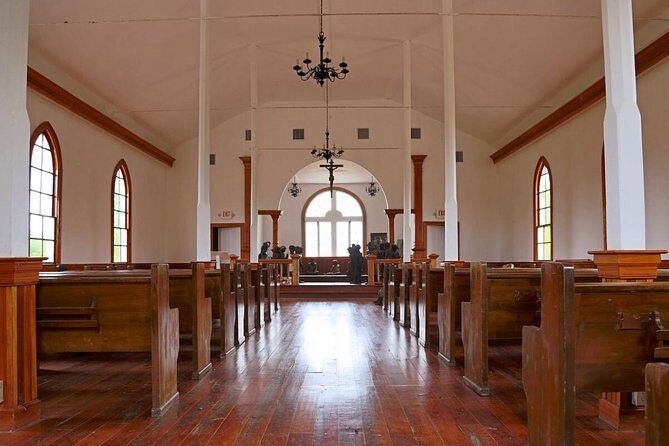
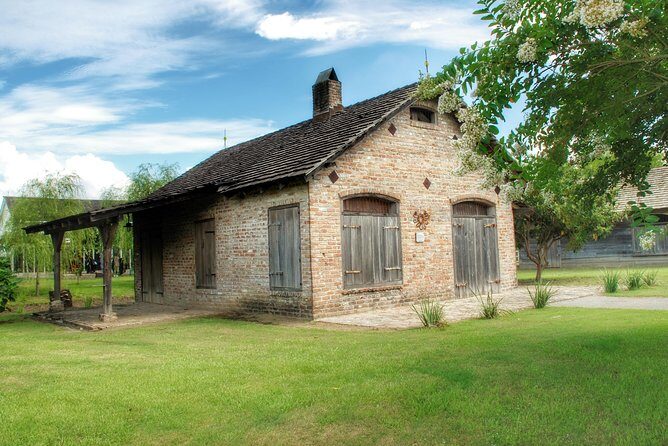
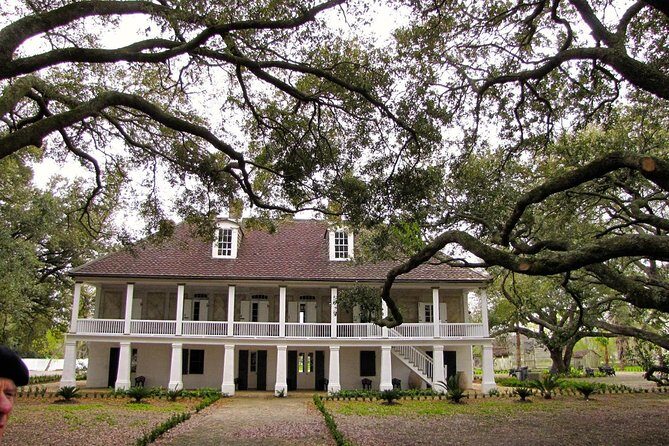
Founded over 260 years ago, Whitney is a National Historic Landmark that now operates as a museum dedicated to revealing the often-ignored stories of enslaved Africans. Once on-site, you’ll find a well-preserved Big House, a stunning example of Spanish Creole architecture, and original slave cabins—some of which are from the original 22.
Many visitors mention that the self-guided audio tour available through the Whitney Plantation app is a powerful tool. As you walk through the grounds, you can listen to recorded narratives, stories, and explanations that bring the site to life. Several reviews point out that this approach offers flexibility; you can spend as much or as little time as you like at each station.
The Slave Cabins and Outbuildings
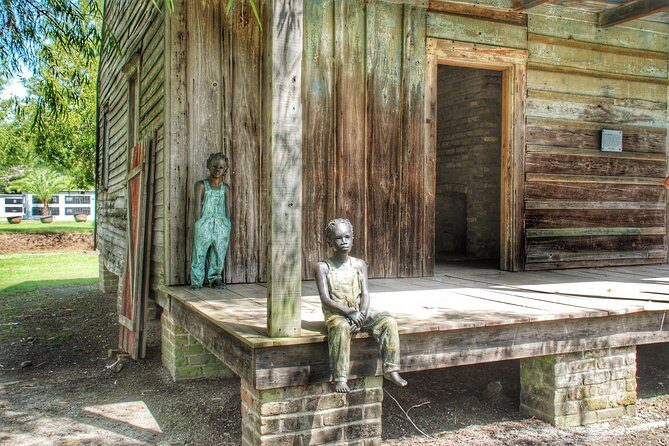
The restored slave cabins give a stark, tangible sense of daily life for enslaved people. Some reviews highlight how emotional and sobering it is to stand in these small, simple structures and imagine the harsh realities they represent.
Visitors also appreciate that Whitney emphasizes the voices of enslaved individuals, with many stories recorded by the Federal Writers’ Project. As one reviewer noted, “reading about the lives of Louisiana slaves in their own words is an experience that should never be forgotten.”
Exhibits and Memorials
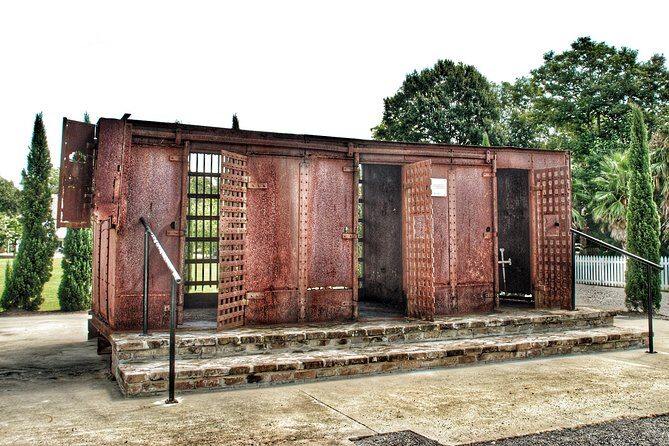
The museum features several impactful exhibits, including a memorial to enslaved children and a poignant tribute to those who suffered and resisted. The site’s focus on personal stories and faces makes a significant difference—it humanizes history and fosters empathy.






The Emotional Impact
Many reviewers describe their experience as eye-opening and even humbling. An African American visitor called it “a place that made me feel sorrow but also pride in resilience,” emphasizing the importance of acknowledging difficult truths.
While some mention that the self-guided nature means fewer opportunities for real-time Q&A, others feel it allows a more personal engagement. The app is praised for being easy to use and informative, though some suggest that a guided tour might add additional context.
Return to New Orleans
After roughly two hours exploring, you’re back on the bus for the journey home, which typically takes around 70 minutes. Reviewers note that the driver often shares additional insights about Louisiana history and other plantations visible from the route.
The Value of the Whitney Experience
At $84 per person, including transportation, museum admission, and access to the app, this tour is quite reasonable for a meaningful, well-organized experience. Many reviews highlight that the value lies in the powerful stories and authentic preservation, rather than in any grandiose grandeur of the plantation itself.
Some travelers mention that bringing snacks or avoiding heavy luggage is wise, as there are no food options on-site. The focus remains on learning and reflection rather than leisure or dining.
Group Size and Comfort
The tour is limited to a maximum of 55 travelers, ensuring a comfortable, communal atmosphere without feeling crowded. The bus is air-conditioned, and the process is straightforward—ideal for those who prefer a hassle-free day trip with minimal planning.
Accessibility and Practical Tips
Most travelers find the tour accessible, though some parts of the plantation, like certain cabins, may require stairs. Casual attire and comfortable shoes are recommended, especially since you’ll spend time walking outdoors in the Louisiana sun. Bringing hats, sunscreen, and water is also advised.
What the Reviews Say
With an overall rating of 4.6 out of 5 from over 1,200 reviews, feedback emphasizes the educational value and emotional impact of the experience. Visitors praise knowledgeable guides (or the informative app), the stunning views during transit, and the respectful storytelling at the plantation.
A typical quote: “It was an unforgettable experience, learning about the true history of slavery,” underlining how impactful this visit can be. Others appreciated the good value, with many saying it’s worth the price for the depth and authenticity of the stories told.
Some minor criticisms reference the lack of guided commentary during the tour itself or the limited facilities on-site. However, for many, these are small trade-offs compared to the powerful narratives and authentic preservation.
Final Thoughts: Who Should Consider This Tour?
This tour suits travelers eager to expand their understanding of American history beyond the typical narratives. It’s particularly fitting for those interested in social justice, human rights, or African American history. The self-guided format allows for personal reflection, making it ideal for independent thinkers who want to take their time.
If you’re visiting New Orleans and want a meaningful, thought-provoking excursion that complements the city’s lively culture with a serious historical perspective, the Whitney Plantation Tour is a worthwhile choice. It’s especially impactful for those who appreciate authentic storytelling and are prepared for an emotional experience.
FAQ
Where does the tour depart from?
The tour begins at the Gray Line “Lighthouse” Ticket Office in the French Quarter at Toulouse Street & the Mississippi River, near the Steamboat Natchez Dock.
Is there parking available?
Yes, there are public parking lots nearby on Decatur Street, with hourly rates. The closest is Jax Lot # P401 at 500 Decatur St.
What should I wear?
Casual, comfortable clothing is appropriate. Expect outdoor walking, so sturdy shoes are best. During warmer months, lightweight clothes, hats, and sunscreen are recommended.
Can I take photos or videos?
Yes, generally photos and videos are allowed, but flash photography or video recording may be restricted in certain areas. Follow any posted instructions.
How long do I spend at Whitney Plantation?
Expect about 2 hours for the self-guided tour, exploring the grounds, cabins, and exhibits at your own pace.
Is the tour accessible for those with mobility issues?
Most of the site is accessible, but some areas, like certain cabins, may require stairs. Please note any special requirements when booking.
Whitney Plantation Tour with Transportation from New Orleans
In The Sum Up
The Whitney Plantation Tour offers a rare chance to face a difficult but essential part of American history with authenticity and respect. Its combination of convenient transportation, impactful storytelling, and preserved structures makes it a valuable addition to any trip to New Orleans. While it may not be a light afternoon activity, it promises an experience that educates, moves, and leaves a lasting impression.
Ideal for those seeking to understand the complexity of slavery in the American South, this tour provides an opportunity to reflect on the past in a meaningful way. Its focus on the voices of enslaved people, along with the powerful exhibits and narratives, ensures that visitors walk away with more than just photos—they leave with a deeper understanding and respect for resilience amid brutality.