This experience made our article of Birmingham’s 3 Top Historical Tours (With Prices).
- Introduction
- Key Points
- A Full Breakdown of the Tour
- The Starting Point & the First Stop
- Eddie Kendrick Memorial Park
- Carver Theatre & Masonic Lodge
- Kelly Ingram Park
- The 16th Street Baptist Church
- A.G. Gaston Motel & Lyric Theatre
- Insights from Reviews and What You Can Expect
- Considerations
- The Practical Side: What Travelers Should Know
- Who Will Get the Most Out of This Tour?
- The Sum Up
- FAQ
- The Best Of Birmingham!
- More Walking Tours in Birmingham
- More Tours in Birmingham
- More Tour Reviews in Birmingham
Introduction
 1 / 5
1 / 5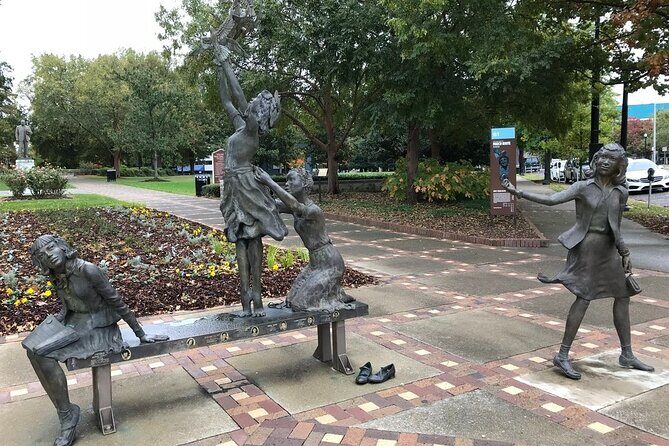 2 / 5
2 / 5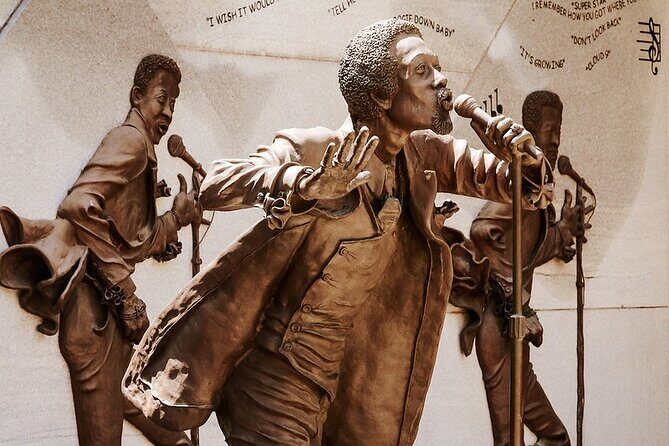 3 / 5
3 / 5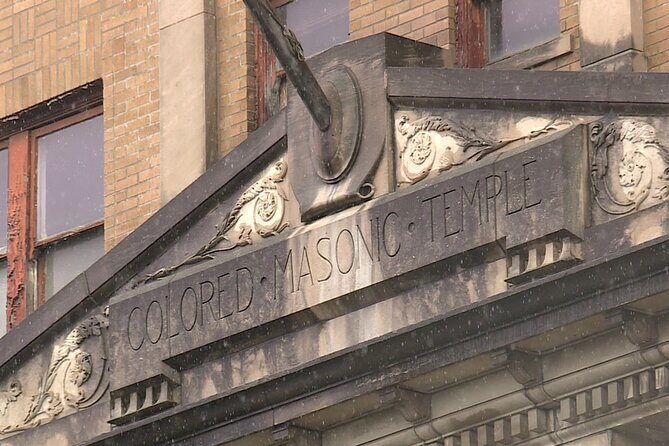 4 / 5
4 / 5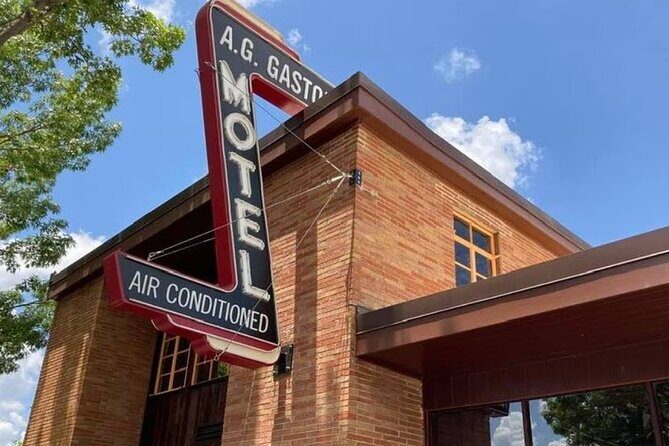 5 / 5
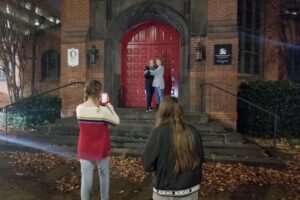
5 / 5If you’re seeking a way to deepen your understanding of Birmingham’s pivotal role in the Civil Rights Movement, this 1963 Birmingham Civil Rights Experience walking tour might just be a worthwhile choice. Designed for history buffs, students, or anyone curious about the Black struggle for equality, it offers a focused, intimate look at some of the city’s most significant sites. What makes this tour particularly appealing is that it’s led by a guide who grew up in Birmingham herself—adding layers of personal insight to the historical narrative.
Two things we especially appreciate about this experience are the focused, walkable itinerary and the expert local guide. The tour covers a solid range of landmarks, from Kelly Ingram Park to the 16th Street Baptist Church, all while allowing plenty of time for discussion and questions. However, a potential drawback to consider is the short duration (about 1 to 1.5 hours)—it’s a quick overview, which might leave history buffs wishing for a more in-depth exploration.
This tour is perfect for travelers who want a concise yet meaningful introduction to Birmingham’s civil rights history, especially if you’re limited on time but want authentic, locally informed perspectives. It’s also ideal for those who enjoy walking tours and prefer smaller, more personal groups.
👉 See our pick of the 8 Best Walking Tours In Birmingham (With Prices)
Key Points
- Insightful Local Guides: Led by someone who grew up in Birmingham, offering insider stories and authentic context.
- Comprehensive Landmarks: Covers key sites such as Kelly Ingram Park, 16th Street Baptist Church, and the Carver Theatre.
- Educational & Emotional: Provides a powerful look at the civil rights struggle through sculptures, landmarks, and stories.
- Affordable & Valuable: At $50 per person, it offers a well-rounded experience with a high reviewer approval rate.
- Walkable & Active: You get to stay on your feet, exploring the city’s sidewalks and historic sites firsthand.
- Good for Short Visits: Its 1 to 1.5-hour length makes it a manageable highlight for travelers with busy schedules or limited time in Birmingham.
You can also read our reviews of more walking tours in Birmingham

A Full Breakdown of the Tour
The Starting Point & the First Stop
The tour kicks off at 285 20th St N, a central Birmingham location where you’ll meet your guide. It’s easy to find with a nearby parking garage, an important detail for visitors arriving by car. From here, the tour proceeds down 20th Street, focusing on black contributions to Birmingham’s founding.
At this initial stage, the guide covers topics like the 1926 Red Line Zoning Laws, which institutionalized segregation and shaped the city’s racial landscape. You’ll also see the Palm Leaf Hotel and learn about the Chitlin’ Circuit, a network of venues vital for Black entertainers during segregation. This segment offers an engaging overview of Birmingham’s economic and social history, setting the stage for the civil rights stories to follow.
Eddie Kendrick Memorial Park
Next, the tour stops at the Eddie Kendrick Memorial Park, dedicated to the local singer and founding member of the Temptations. Here, the statues and park remnants give a glimpse into Birmingham’s once-thriving Black community hub, often called a “city within a city.” The guide may also mention Nelson Brothers and Green Acres, areas that reflect Birmingham’s Black urban development.
This part is especially appreciated by visitors for its personal touch—a reminder of the cultural icons and community resilience that underpinned the civil rights movement.
Carver Theatre & Masonic Lodge
The tour then visits the Carver Theater, now home to the Jazz Hall of Fame. Originally one of the premier Black theaters in Birmingham, it symbolizes Black cultural expression during segregation. Right nearby is the Prince Hall “Colored” Masonic Lodge, adding architectural and historical depth to the experience.
Many reviews highlight the guide’s ability to weave stories about the theater’s significance, with one reviewer praising her deep knowledge and personal stories. You get a good sense of how cultural institutions served as safe havens and rallying points for Black Birmingham.
You can also read our reviews of more historical tours in Birmingham
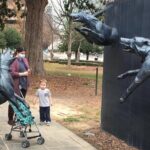
Kelly Ingram Park
One of the most emotionally impactful stops is Kelly Ingram Park, where sculptures vividly depict pivotal moments of the civil rights struggle. The park previously served as an assembly site for demonstrations, including the famous protests of 1963.
Visitors often mention the powerful sculptures and the emotional weight of standing in a place where history unfolded. The guide’s commentary helps contextualize the park’s significance, making it more than just a park with statues—it’s a memorial to courage and resistance.
The 16th Street Baptist Church
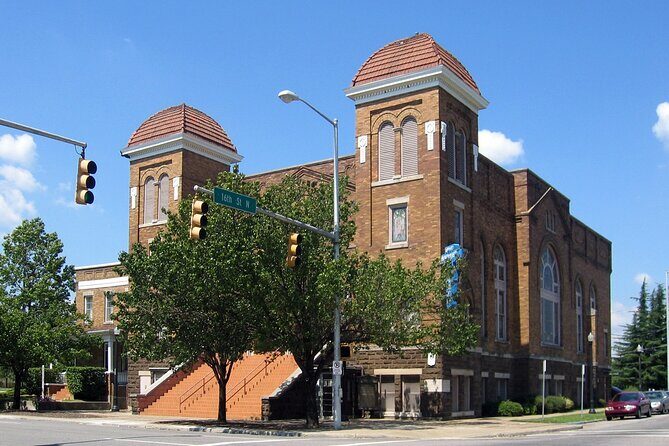
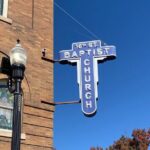
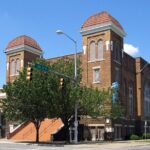
No visit to Birmingham touching on civil rights is complete without seeing the 16th Street Baptist Church. This church is forever linked to the tragic 1963 bombing that killed four young girls—an event that shocked the nation and became a turning point in the movement.
While the church itself is a powerful symbol, some reviews note that the museum inside was closed during their visit, which can be a disappointment. However, the external view and the guide’s storytelling still leave a profound impression. Many travelers echo that this site is a must-see for understanding the depth of racial violence and resilience.
A.G. Gaston Motel & Lyric Theatre
The tour visits the A.G. Gaston Motel, built by a prominent Black businessman who played a key role in Birmingham’s economic history. It once offered first-class lodging for Black travelers, symbolizing Black enterprise and independence.
The nearby Lyric Theatre stands out as the only remaining theater that once hosted segregated but integrated audiences, providing insight into the social dynamics of the era. Visitors appreciate how these sites highlight Birmingham’s Black entrepreneurial spirit and cultural life under segregation.
Insights from Reviews and What You Can Expect
Multiple reviewers highlight the knowledgeability of the guide, with one describing her as a fabulous storyteller who “brings Birmingham alive.” Her personal connection to the city and her deep familiarity with the sites add authenticity that you won’t get from a canned tour.
Others mention the value for money, noting that for $50, you receive a concise but meaningful overview of Birmingham’s civil rights history. Even in a short 1 to 1.5-hour window, the tour manages to pack in significant stories, historical context, and emotional moments.
Some travelers expressed appreciation for local insights and stories that make the history feel alive—it’s clear that the guide’s personal experiences and detailed knowledge significantly enrich the experience.
Considerations
A handful of reviews mention organizational hiccups—specifically, one person who never found the tour despite arriving early. It’s worth noting that meeting points can sometimes be confusing, and punctuality or clarity may impact your experience. Also, the tour’s short duration might not satisfy someone craving an exhaustive deep dive but works well as an overview.
The Practical Side: What Travelers Should Know
Duration & Group Size: Lasting about 1 to 1.5 hours, the tour is an efficient way to explore Birmingham’s civil rights landmarks. With a maximum group size of 30, it remains intimate enough for questions but lively enough to feel energetic.
Price & Value: At $50 per person, the tour offers a well-rounded experience, especially considering the expert narration and access to key sites. For those interested in Black history, this is an accessible introduction that complements a broader visit.
Location & Accessibility: Starting at a central, easy-to-find spot, the tour is designed for walkability. You’ll want comfortable shoes and moderate physical fitness—most sites are outdoors and require walking.
Weather & Cancellation: The tour requires good weather; if canceled due to poor conditions, you’re offered a different date or full refund. Free cancellation up to 24 hours in advance adds flexibility.
Who Will Get the Most Out of This Tour?
This walking tour is best suited for travelers who want an authentic, locally led perspective on Birmingham’s civil rights history. It works well for those short on time but eager to grasp key moments and landmarks. History enthusiasts will appreciate the personal stories and expert insights, while those interested in Black culture and resilience will find it deeply meaningful. It’s also a solid choice for groups and families who prefer engaging, outdoor sightseeing.
The Sum Up
The 1963 Birmingham Civil Rights Experience walking tour offers a thoughtful, well-structured glimpse into one of America’s most important civil rights cities. Led by a guide with genuine local knowledge and personal experience, it helps visitors connect emotionally and intellectually with Birmingham’s struggles and triumphs. The sites visited—Kelly Ingram Park, 16th Street Baptist Church, and the Carver Theatre—are landmarks that vividly illustrate the fight for racial equality.
Though it’s a relatively short tour, the quality of storytelling, depth of insight, and emotional impact make it highly valuable. It’s particularly well suited for those who want a meaningful, accessible introduction without the commitment of a full-day tour or museum visit. If you’re eager to understand Birmingham’s civil rights legacy from someone who truly knows the city, this tour will offer a compelling and memorable experience.
1963 Birmingham Civil Rights Experience – Black History Matters Walking Tour
FAQ
How long does the tour last?
The tour takes approximately 1 hour to 1 hour 30 minutes, making it manageable for most schedules.
Where does the tour start?
It begins at 285 20th St N in Birmingham, a central location with nearby parking options.
What is the price?
The cost is $50 per person, which many find reasonable given the expert guide and significant landmarks covered.
Are admission tickets included?
Most sites like Kelly Ingram Park, Carver Theatre, and the A.G. Gaston Motel are free to visit. The 16th Street Baptist Church does not include admission in the tour price, and the museum inside the church may be closed at times.
Is the tour suitable for all ages?
Yes, but it requires moderate walking and outdoor activity, so some older or less mobile travelers should consider their comfort level.
Are there any group size limitations?
Yes, the maximum group size is 30 travelers, which helps maintain a personal atmosphere.
Can I cancel if my plans change?
Yes, you can cancel free of charge up to 24 hours before the tour for a full refund.
What should I wear?
Comfortable walking shoes and weather-appropriate clothing are recommended, as most of the tour is outdoors.
Whether you’re a history buff, a student, or just curious about Birmingham’s civil rights legacy, this tour offers a meaningful, well-led introduction that respects the significance of these landmarks. It’s a chance to walk through history with a guide who truly cares about sharing Birmingham’s stories—an experience that can deepen your understanding and appreciation of this pivotal city.