When it comes to understanding a nation’s story, few experiences can compare to a well-organized pilgrimage that combines history, culture, and personal reflection.
The Private 12 Days Atonement Pilgrimage Tour in Ghana offers exactly that—a thoughtfully curated journey that takes you through Ghana’s most meaningful sites linked to its past, especially the transatlantic slave trade, alongside vibrant markets and cultural landmarks. This tour isn’t just about ticking boxes; it’s about connecting with history on a deeply personal level.
What we really appreciate about this experience is its balance. It blends somber, reflective visits—like the Slave River and Elmina Castle—with lively cultural explorations, including markets, art centers, and community events.
Plus, their focus on authentic encounters, such as participating in a naming ceremony or engaging with local traders, makes it more than just sightseeing. However, one thing to consider is the intensive itinerary.
With long drives and full days packed with activities, it’s best suited for travelers who enjoy immersive, emotionally meaningful journeys and don’t mind a busy schedule.
This tour seems tailored for those seeking a meaningful, educational experience that respects the past while celebrating Ghanaian culture. If you’re someone who values history intertwined with cultural engagement, and you’re open to the physicality of travel (noting the length of drives and walking at markets), this could be a perfect fit.
- Key Points
- Arrival in Accra and First Impressions
- Exploring Accra’s Historical and Cultural Landmarks
- Cultural Deep Dive in Kumasi
- Engaging with Ghanaian History and Modern Life in Kumasi
- The Heart of the Tour: The Slave Trade Sites and Reflection
- Engaging with Local Communities and Arts
- Wli Waterfalls and the Volta Region
- Final Days on Lake Volta and Departure
- The Best Of Accra!
- More Private Tours in Accra
- More Tours in Accra
- More Tour Reviews in Accra
Key Points



- Deeply Reflective: Focus on sites linked to the transatlantic slave trade, paying tribute to ancestors.
- Culturally Rich: Includes visits to markets, art centers, and traditional ceremonies.
- Authentic Encounters: Opportunities to interact with local communities, including a naming ceremony.
- Well-Balanced Itinerary: Mix of historical sites, cultural experiences, and relaxation.
- Value for the Price: At $2,715 per person, the tour covers transportation, accommodations, most entrance fees, and some meals, providing a comprehensive experience.
- Suitable for Reflective Travelers: Best for those interested in history, culture, and personal growth.
This tour offers a richly layered experience that could be life-changing for those wanting more than just a tourist overview of Ghana. It’s about connecting emotionally with the stories that shaped the nation and understanding its resilience through cultural practices. Let’s unpack what makes this journey compelling—step by step.

👉 See our pick of the Accra’s 14 Best Tours & Things To Do
Arrival in Accra and First Impressions
Your trip begins at Kotoka International Airport, where you’ll be met and transferred to your hotel. The tour keeps things simple and welcoming—immediately immersing you with a welcome meal or dinner. This casual introduction prepares you for the days ahead, and the short first day allows you to settle in without feeling rushed.
You can also read our reviews of more private tours in Accra


Exploring Accra’s Historical and Cultural Landmarks
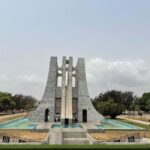
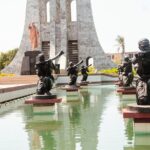
On your second day, you start with visits to key sites. The Kwame Nkrumah Memorial Park is a highlight—here, you’ll see the mausoleum of Ghana’s first president and reflect on Ghana’s independence story. The W.E.B. DuBois Center offers insight into Pan-African thought and the life of a legendary scholar who made Ghana his home. These visits set a tone of historical pride and intellectual reflection.
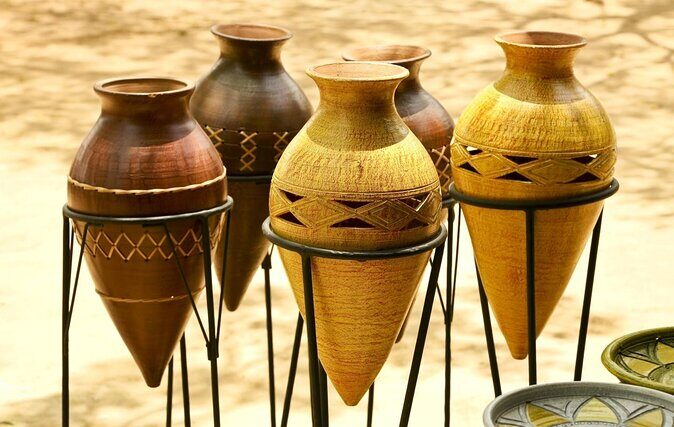
Later, a walk through Makola Market and the Art Centre shows the hustle and bustle of Ghanaian commerce. You’ll have the chance to talk with traders, bargain for textiles, and observe local craftsmanship. This part of the tour offers a vivid glimpse into Ghanaian daily life, making it clear that this isn’t just a history lesson but a living culture.
Cultural Deep Dive in Kumasi
The journey continues inland to Kumasi, the cultural heart of the Ashanti region. The visit to the Bonwire Kente Weaving Centre introduces you to Ghana’s iconic, symbolic fabric—Kente. Seeing artisans weave these vibrant cloths connects you to a tradition rooted in storytelling and identity.
A cocoa farm visit provides insight into Ghana’s economic backbone. You’ll see how cocoa is cultivated and processed, observing rural life firsthand. This part of the tour not only educates but also underscores Ghana’s significance in the global chocolate market, giving context to everyday products you might buy back home.
Engaging with Ghanaian History and Modern Life in Kumasi
The Manhyia Palace Museum reveals the history of the Ashanti Kingdom, while the Okomfo Anokye Sword Site connects you to local mythology and spiritual authority. Visiting Kejatia Market offers a lively shopping experience—here, bargaining becomes part of the adventure. In the evening, the local nightlife, with traditional dances and music, keeps the energy alive.
The Heart of the Tour: The Slave Trade Sites and Reflection
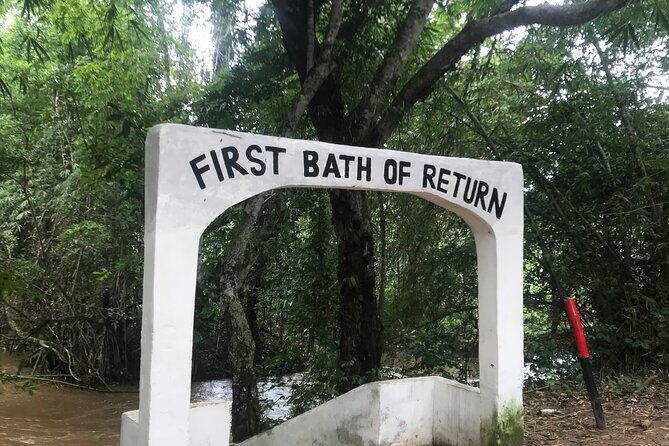
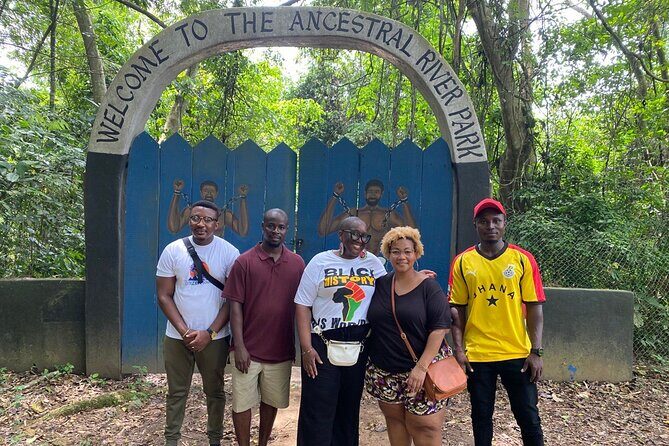
The tour’s most poignant moments happen en route to the coast. At Assin Manso Slave River, you’ll see where captives once bathed before the horrors of the Middle Passage. It’s a site of healing and remembrance, emphasizing the tour’s atonement theme.
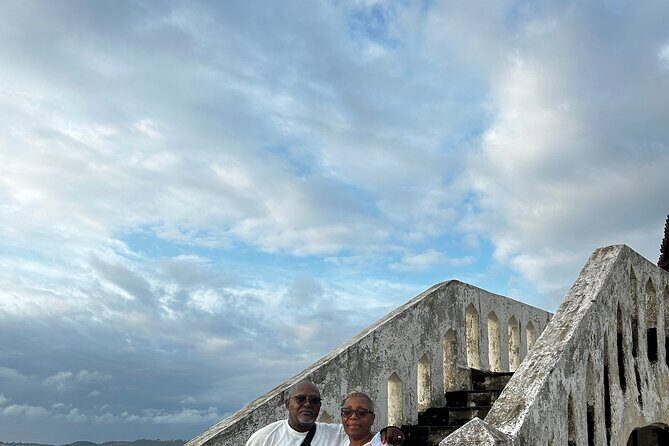
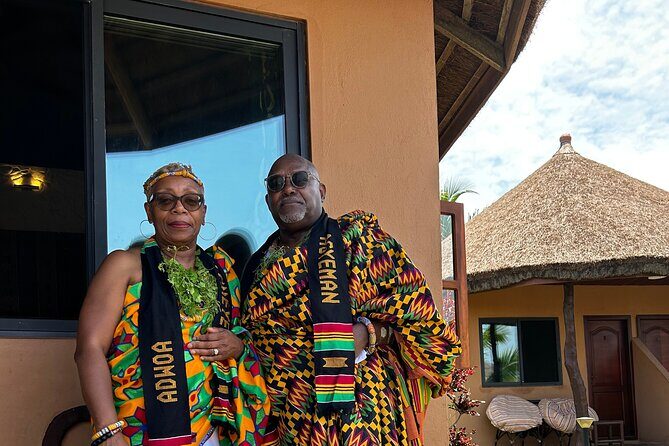
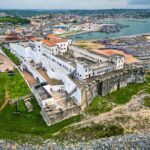
Continuing to Elmina, you’re welcomed into a local community where a naming ceremony allows a personal connection to Ghanaian customs. Visiting the Elmina Castle and the Door of No Return is an emotionally charged experience—walking through the dungeons, you’ll understand the scale of human suffering and resilience. The Kakum National Park adds a natural contrast—canopy walks, rainforest wildlife, and the chance to see forest elephants and monkeys.



Engaging with Local Communities and Arts
Back at the coast, you participate in a Batik Tie & Die Workshop, making your own fabric and taking home a unique souvenir. The school visit also offers a rare glimpse into Ghanaian education and community life—an opportunity to see how local children learn and grow.
Wli Waterfalls and the Volta Region
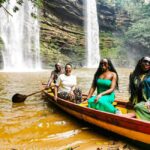
In the Volta Region, the trip to Wli Waterfalls is a highlight of natural beauty and tranquility. It’s a fantastic place to cool off and reflect amid lush surroundings. The Tafi Atome Monkey Sanctuary introduces you to community-led conservation efforts, emphasizing sustainable tourism and local empowerment.
Private 12 Days Atonement Pilgrimage Tour in Ghana
Final Days on Lake Volta and Departure
A boat cruise on Lake Volta, the largest man-made lake by surface area, marks the end of your journey. The views of the hydroelectric dam highlight Ghana’s development story, blending nature, engineering, and local life.
The last day offers some free time for last-minute shopping or reflection before heading back to Accra and onward to your home country.
This tour isn’t just about ticking sites; it’s about experience. The long drives between destinations—mostly around four to five hours—are part of the journey, giving you a chance to see different landscapes and hear stories from your guide. The private nature of the tour ensures intimacy and flexibility, allowing you to ask questions and customize if needed.
Accommodation, transport, and most entrance fees are included, which simplifies budgeting. The $2,715 price point offers good value considering the inclusion of exclusive sites, cultural activities, and a knowledgeable guide. It’s a comprehensive package for those eager to understand Ghana beyond superficial tourism.
The only drawback might be the full schedule, which can be tiring. Travelers should be prepared for long days and some walking, especially at markets and natural sites. But for those with a genuine interest in history and culture, the rewards outweigh the fatigue.
This itinerary is best suited for history buffs, cultural enthusiasts, and reflective travelers. It appeals to those who want a meaningful connection to Ghana’s past and present, especially in relation to the transatlantic slave trade and African heritage. It’s also good for those seeking authentic community interactions and natural beauty.
If you’re looking for a luxury vacation with leisure-focused days, this tour might feel a bit packed. But if you value depth, authenticity, and emotional engagement, this tour offers an experience you’re unlikely to forget.
Is transportation provided during the tour?
Yes, transportation in an air-conditioned vehicle is included throughout the tour, making long drives more comfortable and allowing you to relax and take in the scenery.
Are meals included?
Breakfast is included for 11 days. Other meals, including dinners, are not included, giving you the chance to explore local cuisine at your leisure.
Can I participate if I have mobility issues?
Most activities involve walking and some uneven surfaces, especially at markets, natural sites, and historical locations. It’s advisable to assess personal mobility before booking.
What’s the best time of year to take this tour?
While the exact season isn’t specified, Ghana’s dry season (roughly November to March) typically offers the best weather for travel, especially for outdoor activities like waterfalls and rainforest walks.
Is this a group tour or private?
It’s a private tour, ensuring personalized attention and flexible scheduling tailored to your group.
What makes this tour different from other Ghana excursions?
Its emphasis on historical reflection, especially regarding the slave trade, combined with authentic community encounters and cultural activities, makes it uniquely meaningful.
This 12-day Ghana pilgrimage offers a meaningful blend of history, culture, and natural beauty. It’s particularly suited for those eager to explore beyond typical tourist spots and connect with the country’s story on a personal level. The thoughtful itinerary balances somber reflection with joyful cultural celebrations, giving travelers a comprehensive understanding of Ghana’s past and present.
While the schedule is demanding, the rewards—emotional, educational, and cultural—are profound. Expect to return home with a deeper appreciation of Ghana’s resilience, creativity, and its ongoing journey of healing and hope.
If you’re seeking a trip that challenges, enlightens, and inspires, this tour could be the most impactful journey you’ll ever take in West Africa.