Traveling to Ethiopia and skipping the Omo Valley? That’s like visiting Italy and missing Venice. This 5-day tour offers a rare glimpse into one of Africa’s most colorful and culturally rich areas. While we haven’t personally been on this exact trip, the reviews and itinerary paint a picture of an experience packed with genuine encounters, vibrant tribes, and scenic beauty.
What we love about this tour? First, the opportunity to meet some of Ethiopia’s most remote and fascinating ethnic groups, from the lip-plate-wearing Mursi to the bead-adorned Hamer. Second, the balanced itinerary allows you to see both cultural highlights and stunning natural landscapes without feeling rushed.
One potential downside? The tour’s price of $750 per person might seem high if you’re on a tight budget, but when you consider the inclusions—flights, accommodations, guides, and access to remote villages—it offers good value.
This trip is best suited for curious travelers eager to explore Ethiopia beyond the usual tourist spots, especially those fascinated by indigenous cultures and tribal traditions. If you’re looking for an authentic, eye-opening adventure that’s more than just sightseeing, this tour could be a perfect fit.
- Key Points
- Starting Point: Addis Ababa and Transition to the South
- Day 2: Konso and Turmi
- Day 3: The Karo and Hamer Tribes
- Day 4: The Dassenech and Aari Tribes
- Day 5: The Mursi and Farewell
- Who Will Love This Tour?
- Final Thoughts
- FAQs
- The Best Of Addis Ababa!
- More 5-Day Experiences in Addis Ababa
- More Tours in Addis Ababa
- More Tour Reviews in Addis Ababa
Key Points


- Authentic Cultural Encounters: Meet tribes like the Mursi, Hamer, Karo, and Dassenech, each with unique traditions.
- Scenic Landscapes: Experience Ethiopia’s varied terrain, from lush lakeside towns to rugged hillsides.
- Expert Guides: Knowledgeable local guides enrich your understanding of each tribe and site.
- Well-Organized Itinerary: Covers key tribes and cultural highlights over five days without feeling overly compressed.
- Good Value for Money: Includes flights, accommodations, and guided visits, making it easier to budget.
- Excellent Reviews: Consistently high ratings (5.0/5) and glowing traveler feedback attest to its quality.
👉 See our pick of the 2 Best Tours & Things To Do In Addis Ababa (With Prices)
Starting Point: Addis Ababa and Transition to the South
Your adventure begins in Addis Ababa, where you’ll be picked up early, then transferred to Bole International Airport for a flight south to Arba Minch. This internal flight is a smart move, saving you hours of driving through Ethiopia’s varied terrain. From the air, you’ll glimpse the patchwork of lakes and hills that define this region.
Upon arrival, you’ll head to your accommodation, then make a short drive to visit the Dorze tribe on Guge Mountain. This is one of the first chances to see Ethiopia’s famous beehive-shaped houses, crafted entirely from organic materials, and to observe their highly skilled cotton weaving. Reviewers rave about their craftsmanship, with one noting the “exceptional cotton weaving skills.”
This initial stop sets a tone for the trip—authentic, colorful, and deeply rooted in tradition. Traveling here gives you a sense of the contrasts Ethiopia offers, from modern Addis to the timeless villages of the Dorze.
You can also read our reviews of more tours and experiences in Addis Ababa


Day 2: Konso and Turmi
The next morning, you’ll drive approximately 90 km to the UNESCO-listed Konso village, known for its terraced hillsides and carved totems. The Konso are famed for their intricate farming terraces and graves decorated with carved wooden totems, which you will visit at the UNESCO site. Travelers describe this as a “must-see” cultural jewel that offers insight into sustainable agriculture and ancestral reverence.
From Konso, you’ll continue about 200 km to Turmi, the hub for the Hamer tribe. Along the way, you might stop to visit the Arbore tribe, famous for their colorful attire. This stretch combines scenic views with cultural variety, giving you a broad sense of the region’s diversity.
Overnight, you’ll stay at Buska Lodge, where reviews highlight the comfortable setting and friendly staff. This is important because after a day of travel, a good night’s sleep helps you prepare for the days ahead.
Day 3: The Karo and Hamer Tribes
This day is dedicated to really getting to know the tribes. You’ll drive about 62 km west to visit the Karo tribe, famed for their elaborate body and face painting. Travelers describe this as one of the most visually striking experiences—“attractive body painting” that transforms the participants into living artwork.
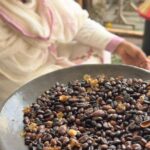
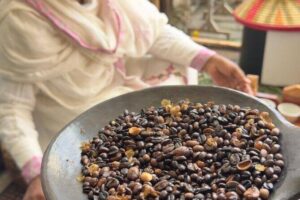
In the afternoon, you’ll join a traditional coffee ceremony with a Karo family—a highlight for many, as one reviewer mentioned, “seeing their customs firsthand.” Returning to Turmi, you might visit the Hamer market on market days, which are bustling with vibrant cloth, jewelry, and livestock.
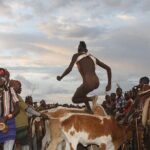
Later, you will visit a Hamer village for a traditional gathering, potentially witnessing the famous bull jumping ceremony, a rite of passage for Hamer men. Though not guaranteed every day, some reviews mention they were lucky enough to see it—an unforgettable, adrenaline-filled event.
Day 4: The Dassenech and Aari Tribes
In the morning, you’ll head about 75 km south to meet the Dassenech tribe near the Omo River. To reach them, you’ll cross the river in a traditional dugout canoe, an experience praised by travelers as “authentic and thrilling.” Visiting a local family, you’ll learn about their semi-nomadic lifestyle and customs, described as an “authentic experience” by many reviewers.
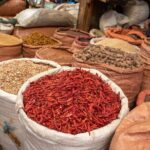
Afterward, you’ll drive 130 km to Jinka, passing through towns with colorful markets—an excellent chance to observe local life and purchase handcrafted souvenirs. If your timing aligns, you might stop at markets in Turmi, Dimeka, or Keyafer, which are vibrant, lively scenes.
In Jinka, you’ll visit a village of the Ari tribe, known for their green villages and traditional lifestyles. The reviews reflect that travelers appreciated the well-organized visits and the chance to see different village styles.
Day 5: The Mursi and Farewell
The final day offers a deep dive into the Mursi tribe, famous for their lip plates. Visiting their village within Mago National Park, you’ll see women with “lip plates” that are considered a mark of beauty and identity. Many travelers describe this as a “most memorable” part of the trip, noting the tradition’s mysterious origins and the striking visual impact.
Afterward, you’ll transfer to Jinka for your flight back to Addis Ababa. If time permits, there might be some last-minute shopping or sightseeing. The trip concludes with a traditional Ethiopian dinner featuring folkloric dance—another chance to soak in local culture before heading home.
While the cost is $750 per person, the value lies in the all-inclusive nature—flights, accommodations, guiding, entrance fees, and cultural interactions. Many travelers praise the expert guides, often described as knowledgeable and friendly, making the experience richer and more engaging. One reviewer stated, “Mickey is, to date, the best guide and fixer I’ve ever worked with,” highlighting the importance of a seasoned guide in remote regions.
The itinerary balances culture with practical considerations, like travel times and comfortable lodges. The group size is limited to 15 travelers, ensuring a more personal experience without feeling cramped.
This trip is a fantastic choice for anyone interested in indigenous cultures, scenic landscapes, and authentic African experiences. It’s particularly suitable for travelers who want more than just a safari or city tour—they seek stories, traditions, and the chance to meet communities that have maintained their way of life for generations.



Who Will Love This Tour?
If you’re the type of traveler who values deep cultural encounters, beautiful scenery, and knowledgeable guides, this trip will deliver. It suits those with a sense of adventure, patience for long drives, and a curiosity about human diversity.
However, if you prefer luxury accommodations and a more relaxed pace, this might feel a bit rugged. Be prepared for some basic lodges and the unpredictability of remote village visits, which are part of the charm but can be challenges.
Final Thoughts
This 5-day tour of Ethiopia’s Omo Valley is more than just a sightseeing trip—it’s a window into human resilience and tradition. The combination of stunning landscapes, colorful markets, and authentic tribal encounters makes it a travel experience that’s hard to forget.
For travelers eager to see Ethiopia’s diverse tapestry of cultures, this tour offers a balanced, well-organized, and highly praised way to immerse yourself into the heart of the country’s truly unique communities. If you’re looking for a meaningful adventure that’s rich in stories and life-changing moments, this trip deserves serious consideration.
5 Days Omo Valley Tours
FAQs
What is included in the tour price?
The $750 fee covers flights from Addis Ababa, accommodations, guided visits, entrance fees, and meals (breakfasts, lunches, dinners).
Is this tour suitable for families?
Many reviews mention traveling with family and small children, indicating it’s family-friendly, but be prepared for some long drives and basic accommodations.
How are the guides?
Guests consistently praise the guides, especially mentioning Mickey, for their knowledge, friendliness, and ability to enhance the experience.
What should I pack?
Bring lightweight clothing, a hat, sunscreen, and camera gear. Also, consider modest dress for tribal visits and some cash for souvenirs.
Can I see the bull jumping ceremony?
It’s possible, but not guaranteed. The guide will take you to Hamar villages where this event may occur, depending on the day.
Are there market visits?
Yes, many stops include colorful local markets—perfect for observing daily life and buying handcrafted items.
What’s the best time to go?
While not explicitly stated, many travelers visit during the dry season for easier travel and better visibility of tribal events.
This tour offers a rare chance to witness the living traditions of Ethiopia’s most diverse peoples. Friendly guides, genuine encounters, and scenic routes make it a compelling choice for travelers seeking a meaningful, eye-opening adventure.