A Genuine Look at Ethiopia’s Omo Valley Through a 7-Day Cultural Tour
Whether you’re a seasoned traveler or a curious explorer, this 7-day cultural journey through Ethiopia’s Omo Valley offers an immersion into a world few get to see. It’s a thoughtfully designed itinerary that takes you off the beaten path, into the heart of one of Africa’s most vibrant and diverse regions.
With visits to tribes that preserve ancient traditions, scenic drives, and opportunities for close encounters with remarkable landscapes, this tour promises an authentic glimpse into Ethiopia’s rich cultural mosaic.
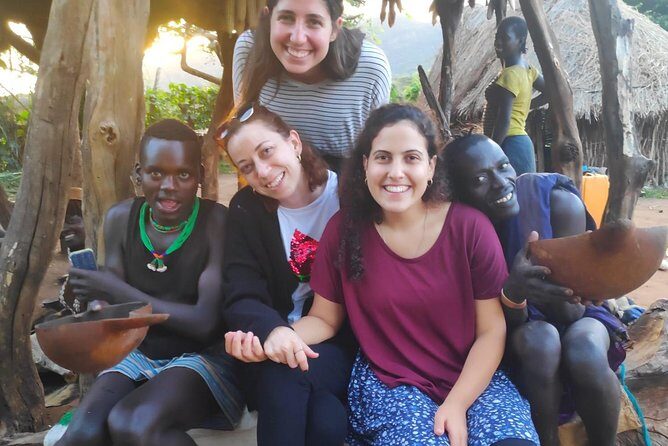
What we really love about this experience? First, the chance to meet and learn from indigenous tribes like the Hamar, Karo, and Mursi—who still live in ways largely untouched by modern civilization. Second, the expert guidance and seamless logistics ensure you get the most out of every stop without feeling rushed or overwhelmed.
One possible snag? The tour involves some long drives over rough roads, which makes good comfort and patience essential.
This tour suits travelers who crave meaningful cultural exchanges, enjoy scenic landscapes, and appreciate well-organized adventures. It’s perfect for those who want to see Ethiopia’s lesser-visited corners with knowledgeable guides and in a small group that fosters genuine interactions. If you value authenticity and are prepared for some adventure, this trip will satisfy your curiosity.
- Key Points
- Exploring the Itinerary in Detail
- Day 1: From Addis Ababa to Arba Minch & the Dorze People
- Day 2: Konso Village and Jinka
- Day 3: Mago National Park and the Mursi Tribe
- Day 4: The Karo Tribe by the Omo River
- Day 5: The Dassanech and Return to Arba Minch
- Day 6: Lake Chamo and Hawassa
- Day 7: Hawasa Market and Return to Addis Ababa
- The Practical Aspects
- Authenticity and Reviews from Travelers
- Final Thoughts
- FAQ
- The Best Of Addis Ababa!
- More 7-Day Experiences in Addis Ababa
- More Tours in Addis Ababa
- More Tour Reviews in Addis Ababa
Key Points
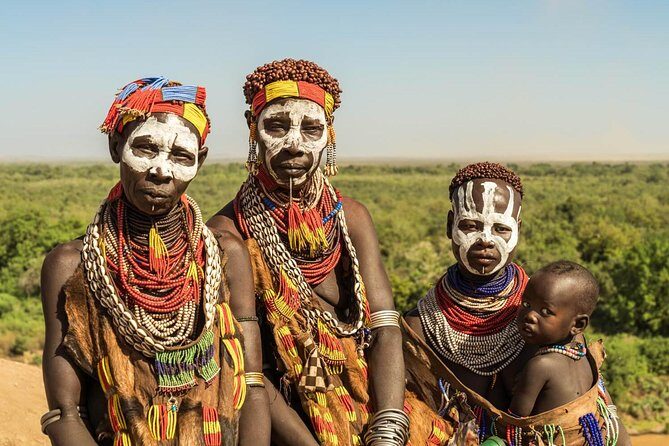

- Authentic Tribal Encounters: Meet some of Ethiopia’s most colorful and isolated communities, like the Mursi with their famous lip plates, and the Karo with their intricate face paintings.
- Beautiful Landscapes: From lush lakeshores to mountain vistas, the scenery adds depth and beauty to every drive and stop.
- Knowledgeable Guides: Guides who are well-versed in local customs and traditions make each interaction meaningful and insightful.
- Value for Money: The $1,835 price covers a comprehensive 7-day itinerary with private transportation and expert guiding, offering good value in a remote and culturally rich region.
- Cultural Depth: The itinerary is carefully crafted to balance tribal visits, scenic drives, and relaxing moments by lakes and markets.
- Authentic Food Experiences: Expect local cuisine and traditional preparations, adding flavor to your culture.

👉 See our pick of the 2 Best Tours & Things To Do In Addis Ababa (With Prices)
Exploring the Itinerary in Detail
You can also read our reviews of more tours and experiences in Addis Ababa


Day 1: From Addis Ababa to Arba Minch & the Dorze People
The journey begins with a drive south from Ethiopia’s capital, Addis Ababa, toward the town of Arba Minch. This drive takes around 8 hours, but it’s far from dull. Along the way, we loved stopping at scenic points and local eateries serving traditional Ethiopian dishes—think injera topped with spicy stews. The real highlight, however, is reaching Chencha in the late afternoon to visit the Dorze people.
The Dorze are famous for their beehive-shaped bamboo huts and exquisite weaving culture. We enjoyed wandering through their villages, seeing how they craft their cotton clothing, fences, and elaborate houses. The visit offers a fascinating peek into their daily life, especially when you get to see their food and banana leaf alcohol production processes. The Dorze’s craftsmanship and hospitality make for a memorable introduction to Ethiopia’s tribal diversity.
Day 2: Konso Village and Jinka
Early morning, we head towards the Konso village, a UNESCO-listed site, perched high in the hills. Here, you’ll marvel at the terraced landscapes, fortifications, and wooden sculptures that define the Konso community. The intricate security structures and pole erections tell stories of history and resilience. A short stop at the local market showcases a lively exchange, giving you a glimpse of daily life beyond the tribes.
After lunch, the drive continues to Jinka, a town that acts as a gateway to the tribes of the Omo Valley. The journey offers excellent views and opportunities to spot local wildlife and farmlands. You’ll appreciate the variety of landscapes, from mountains to savannas.
Day 3: Mago National Park and the Mursi Tribe
One of the tour’s most talked-about stops is the Mursi tribe in Mago National Park. Known for their striking lip plates, this is an experience that’s both fascinating and intense. The women have their lower lips slit and lip disks inserted when they reach maturity—a tradition that symbolizes beauty and social status.
We loved the way guides prepared us for this visit, emphasizing respect and sensitivity. The Mursi are proud of their customs, and observing their traditions offers incredible insight into how their culture remains resilient. Along the way, we also visited the Hamar and Bena tribes, which are equally colorful and welcoming.
Day 4: The Karo Tribe by the Omo River
In the morning, the trip takes you to Korcho village, home to the Karo tribe. This group is smaller and less numerous but stands out for their vivid face and body paintings. The Karo love to display their personal artistry, and you’ll likely be invited to see their elaborate body decorations—an experience that feels intimate and genuine.
Their eagerness to share their culture makes this visit particularly rewarding. The panoramic views of the Omo River add a scenic backdrop, making it a perfect spot for memorable photos.





Day 5: The Dassanech and Return to Arba Minch
The journey continues east to visit the Dassanech tribe near the Kenyan border. Known for their hunting and farming lifestyle, they are also famous for their dancing traditions. The visit offers a deeper understanding of how these people sustain themselves and maintain their cultural practices in a semi-arid environment.
After soaking in their lifestyle, the drive back to Arba Minch allows time for reflection and relaxation. The town itself is a charming base, with access to lakes and local markets.
Day 6: Lake Chamo and Hawassa
This day combines nature with culture. Starting with a boat trip on Lake Chamo, you’ll see crocodiles, hippos, and a variety of birds, all while enjoying the peaceful scenery. The boat ride is a favorite among travelers for its wildlife spotting and gentle pace.
In the afternoon, you’ll visit Hawassa, a lively lakeside city ideal for a relaxed walk along the shore, soaking in local life and markets. The combination of wildlife and urban charm makes for a well-rounded day.
Day 7: Hawasa Market and Return to Addis Ababa
The final day includes a visit to the Hawasa Fish Market, a colorful and lively spot where fishermen sell their catch directly from the lake. It’s an authentic experience that reveals the importance of fishing to the local economy.
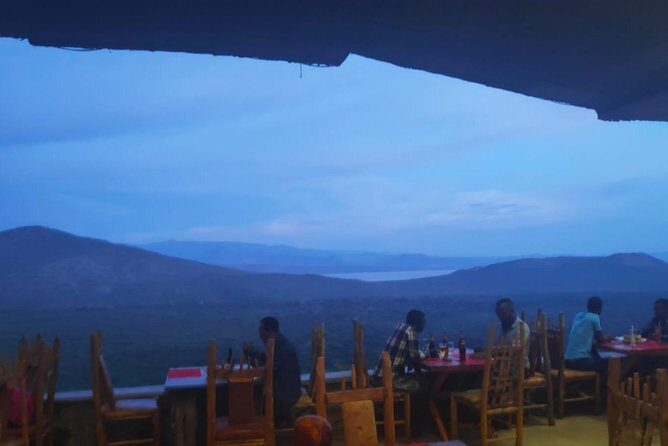
Afterward, the drive back to Addis Ababa offers a scenic conclusion, with lunch overlooking the lake—a fitting farewell to Ethiopia’s southern wonders.
The Practical Aspects
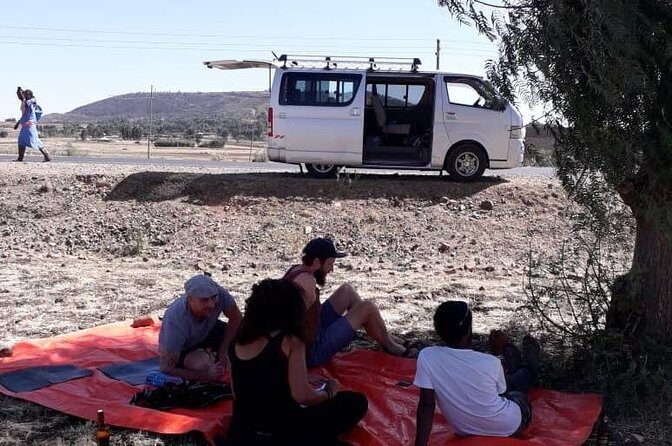
Transport is private and air-conditioned, making the long drives more comfortable. The group size is small and private, which means personalized attention and less crowded experiences. The price of $1,835 per person covers accommodation, transportation, and guided visits, representing good value considering the remote locations and depth of cultural engagement.
The tour runs year-round, with the flexibility of booking between May and June 2026. Cancellation is free up to 24 hours in advance, making it easier to plan confidently.
Authenticity and Reviews from Travelers
Multiple reviewers praise the guides for their expertise and personable approach. One traveler highlighted how the guides “really know the people,” making interactions meaningful. The opportunity to see local crafts, taste traditional foods, and observe age-old practices resonated strongly, with many noting it was an “authentic Ethiopia” experience.
Travelers also appreciated the scenic drives and stunning views, which complemented the tribal visits. Some mentioned the long travel hours, but most felt that the journey was worth the effort for the richness of the encounters.
Final Thoughts
This 7-day tour of the Omo Valley offers an immersive look at Ethiopia’s most diverse and intriguing communities. The carefully curated itinerary balances cultural visits, scenic landscapes, and wildlife encounters—each adding layers of understanding and appreciation.
For those who seek a deep cultural connection and are prepared for some travel ruggedness, this trip is an excellent choice. The guides’ knowledge and the authenticity of the encounters elevate this tour above many superficial cultural experiences.
Value-wise, the price reflects a comprehensive, expertly guided journey through some of Ethiopia’s most authentic settings. It’s not a luxury experience—expect basic but comfortable accommodations and some rough roads—but the payoff is the genuine, unfiltered glimpse into a world most travelers only read about.
In sum, if you’re after a meaningful adventure that combines culture, scenery, and wildlife, this tour will satisfy your curiosity and leave you with stories that last a lifetime.
7 Days Cultural Tours to Omo Valley
FAQ
Is this tour suitable for all travelers?
Most travelers can participate, but be prepared for some long drives and rough roads. Good stamina and patience help.
Does the tour include transportation?
Yes, private, air-conditioned vehicle transport is provided throughout the trip.
Are meals included?
While not specified, you’ll stop at local eateries for lunch and probably enjoy some local cuisine during the trip.
Can I cancel the tour?
Yes, cancellation is free up to 24 hours before the start, allowing you to plan with flexibility.
Is there a guide on the tour?
Absolutely. Knowledgeable local guides lead each stop, ensuring meaningful cultural exchanges.
What is the best time of year to take this tour?
The tour is available year-round, with no specific restrictions noted. Consider local weather patterns for the best experience.
Are there opportunities to buy souvenirs?
Yes, local markets and tribal villages often sell crafts, textiles, and jewelry—perfect for authentic souvenirs.
How physically demanding is the tour?
Expect some walking, especially at tribal villages, and long vehicle rides. Be prepared for basic facilities in remote areas.
What are the accommodations like?
While not detailed, accommodations are generally included, likely modest but comfortable, suited for this type of adventure.
Is tipping customary?
While not specified, tipping guides and local helpers is customary in Ethiopia, so bringing small amounts is advisable.
This tour truly offers a rare chance to see and understand Ethiopia’s incredible cultural diversity, all wrapped in an accessible, well-organized package. It’s perfect for travelers who want to go beyond the typical tourist trail and connect deeply with Ethiopia’s most authentic communities.