Exploring Ethiopia’s Omo Valley: A Deep Dive into Culture and Nature
If you’re considering a trip to Ethiopia that promises a mix of vibrant tribal cultures, stunning landscapes, and memorable encounters, the Omo Valley Tribe Tours 8 Days might just be what you’re after. We’ve gathered insights from travelers who’ve experienced this journey firsthand, and it’s clear that this tour offers a rare window into some of Ethiopia’s most captivating and untouched communities.
What we love most about this experience? First, the opportunity to meet several tribes, each with their own customs, dress, and stories that you won’t find anywhere else. Second, the balance of culture combined with beautiful scenery and some adventurous excursions — such as boat cruises on Lake Chamo.
One thing to keep in mind is that this tour involves some long drives and walking in remote areas, so a reasonable level of physical fitness is recommended. It’s best suited for travelers who crave authentic interactions and are willing to embrace a bit of ruggedness along the way.
Who Is This Tour For?
This itinerary is ideal for curious travelers eager to understand Ethiopia beyond its historical sites, for photography enthusiasts wanting striking tribal portraits, and for those who enjoy a mix of culture, nature, and adventure. It’s a good fit if you’re comfortable with group travel, moderate walking, and the occasional rustic setting.
- Key Points
- A Detailed Walkthrough of the Itinerary
- Day 1: Addis Ababa — The Capital’s First Glimpse
- Day 2: From Addis to Arba Minch — Weaving and Enset
- Day 3: Lakes and Tribes — Jinka and Bana Village
- Day 4: Mago National Park and the Mursi
- Day 5: Exploring the Dassanech and Turkana
- Day 6: Cultures of Konso and UNESCO Terraces
- Day 7: Lakeside Relaxation at Langano
- Day 8: Return to Addis — Markets and Farewell
- Authenticity and Value
- Final Thoughts: Who Should Book?
- FAQs
- The Best Of Addis Ababa!
- More Tours in Addis Ababa
- More Tour Reviews in Addis Ababa
Key Points
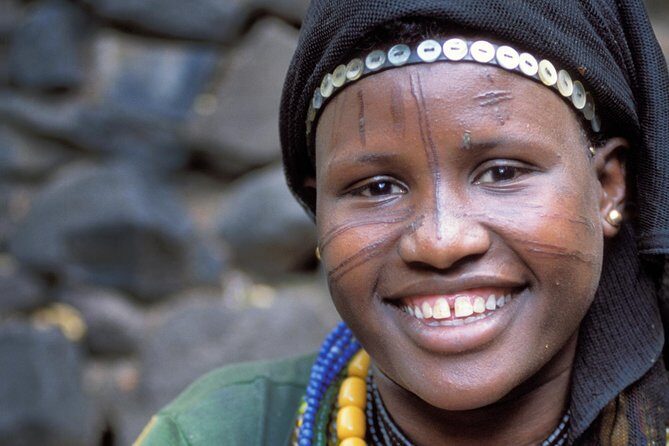



- Authentic Tribal Encounters: Meet the Mursi, Hamer, Bana, and other groups, each with distinctive customs and dress.
- Cultural and Natural Balance: Combines visits to tribes, markets, parks, and lakes for a well-rounded experience.
- Expert Guides and Local Knowledge: Guides are praised for their knowledge, enhancing the storytelling at each stop.
- Value for Money: The $1,589 price covers a comprehensive 8-day itinerary, including many entrance fees, guided visits, and some meals.
- Comfort and Logistics: Transportation is arranged for long drives, with group sizes kept manageable (up to 15 travelers).
- Unique Photographic Opportunities: The landscape and tribes provide perfect subjects for memorable photos.

👉 See our pick of the 2 Best Tours & Things To Do In Addis Ababa (With Prices)
A Detailed Walkthrough of the Itinerary
You can also read our reviews of more tours and experiences in Addis Ababa.


Day 1: Addis Ababa — The Capital’s First Glimpse
Starting in Ethiopia’s bustling capital, this tour begins with a visit to Mercato Market, East Africa’s biggest market — a maze of colorful stalls and vibrant local life. Here, you’ll get an authentic feel for Addis’ energy. From there, a drive up to Mount Entoto offers a sweeping panorama of the city, perfect for snapping some wide-angle shots of the skyline.
Next, the National Museum introduces you to Ethiopia’s ancient past — you might even catch a glimpse of the Lucy fossil, a rare find that provides a tangible link to human origins. The Holy Trinity Cathedral and the Ethnographic Museum (housed in Emperor Haile Selassie’s former palace) deepen your understanding of Ethiopia’s diverse culture and history. Wrapping up the day at Merkato, you’ll experience the chaos and charm of one of Africa’s largest markets.
Day 2: From Addis to Arba Minch — Weaving and Enset
The journey continues southward, with a stop at Doreze Village, famous for its Shammas weaving. You’ll see locals creating intricate textiles, and notice the unique elephant-shaped houses — a creative nod to the area’s once abundant wildlife. The staple food here, Enset, a kind of fake banana, is a staple of their diet, a fascinating example of local resilience.
Transport is by private vehicle, making the long drive more comfortable and allowing you to soak in Ethiopia’s changing scenery. The landscape shifts from urban to rural, dotted with lush fields and small villages, setting the stage for the tribes and parks ahead.
Day 3: Lakes and Tribes — Jinka and Bana Village
A boat cruise on Lake Chamo is a highlight — keep your camera ready for hippos, crocodiles, and an array of birdlife. It’s a lively, slightly wild scene that sets the tone for the tribal encounters to come.
After the boat, you’ll visit Bana Village, where the people are pastoral and semi-nomadic. The men’s distinctive clay caps decorated with feathers make for striking photo opportunities. The Ari people, the largest group in the lower Omo Valley, add to the cultural mosaic. Women here excel in pottery-making, and their clothing from banana-like Enset fiber is both practical and beautiful.
Day 4: Mago National Park and the Mursi
This is a day for the truly adventurous — a trip to Mago National Park to visit the famous Mursi Tribe. Known worldwide for their lip plates, the Mursi live in simple straw huts and maintain vibrant traditions. Expect to see women with enlarged lip disks and ear lobes, a striking symbol of beauty and identity for them.
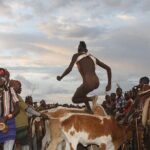
While the Mursi are the centerpiece, the journey also includes a scenic drive back to Jinka, then onward to Turmi, home of the Hamer Tribe. The Hamer are renowned for their colorful clothing, intricate beadwork, and the famous bull-jumping ceremony.





Day 5: Exploring the Dassanech and Turkana
Today takes you north to Omorate to visit the Dassanech people — a semi-nomadic tribe living along Lake Turkana’s shores. Their lifestyle is deeply tied to the water and the delta environment. You’ll see how they live on the northern lake’s edge, with their unique customs and clothing.
Returning to Turmi, you’ll have a chance to observe more Hamer culture, perhaps catching a dance or traditional event. The mix of landscapes — from riverine environments to semi-arid plains — underscores Ethiopia’s ecological diversity.
Day 6: Cultures of Konso and UNESCO Terraces
A morning drive to Konso, a UNESCO World Heritage site famed for its terraced agriculture. These ancient terracing techniques helped transform the landscape into arable land, and they’re still in use today. The Konso people’s craftsmanship, especially their wooden statues and carvings, is also notable.
You’ll get to explore the local market and learn about their famous coffee, often considered among Ethiopia’s best. Returning to Arba Minch, this day offers a blend of cultural history and scenic beauty.
Day 7: Lakeside Relaxation at Langano
The tour takes a more relaxing turn with a drive to Lake Langano. Known for its clean waters and water-based activities, it’s a good spot to unwind after days of travel and exploration. On the way, you might pass through Jamaican villages at Shasemne, adding some cultural spice to the journey.
Day 8: Return to Addis — Markets and Farewell
On the final day, the journey back to Addis Ababa begins with a visit to Lake Ziway, the largest of Ethiopia’s upper Rift Valley lakes. Water lilies and birdlife make this a peaceful stop, a stark contrast to the busy markets of Addis.
After lunch at a top-rated resort, you’ll enjoy a folkloric dinner showcasing Ethiopia’s diverse musical and dance traditions, along with a traditional coffee ceremony — a perfect wrap-up. Then, your driver transfers you to the airport for departure.
Authenticity and Value
This tour’s real strength lies in its authentic encounters with Ethiopia’s diverse tribes. Travelers consistently praise the guides for their knowledge and sensitivity, making each interaction meaningful rather than just a photo opportunity. The reviews highlight how memorable and eye-opening the experience can be, with many travelers calling it “unforgettable” and “absolutely incredible.”
Cost-wise, at $1,589, you’re paying for an 8-day deep dive into a region that’s hard to access without guided help. Given that entrance fees, some meals, and transportation are included, it’s a compelling value for those wanting an immersive, organized trip that covers both culture and scenery.
The long drives can be a challenge for some, but they’re crucial for reaching Ethiopia’s most remote tribes and parks. The tour’s group size (up to 15 travelers) balances intimacy with the practicality of shared transportation, and most reviews mention friendly, knowledgeable guides that enhance the experience.
Final Thoughts: Who Should Book?
This tour is best suited for adventurous souls eager to see Ethiopia’s less-visited corners, with a strong interest in tribal cultures and landscapes. It’s ideal if you’re comfortable with moderate physical activity, long travel days, and rustic accommodations. If you’re after a superficial overview, this might be too immersive; but if you want a meaningful, up-close look at indigenous Ethiopia, it’s a solid choice.
It’s also perfect for photographers and cultural enthusiasts, as the opportunities for stunning images are plentiful. The tour’s focus on authentic interactions, combined with scenic drives and wildlife experiences, makes it a well-rounded exploration.
Omo Valley Tribe Tours 8 Days
FAQs
What is included in the price?
The $1,589 fee covers all guided visits, entrance fees, some meals (breakfasts and lunches), and transportation throughout the 8 days. It does not include food and drinks unless specified.
Is the tour suitable for all physical levels?
Most travelers with moderate fitness levels will be comfortable. Expect some walking and outdoor activities, like boat cruises and village visits, which might be challenging if you have mobility issues.
How many people are in the group?
The tour is limited to a maximum of 15 travelers, ensuring a manageable and personal experience.
Are accommodations included?
While not explicitly detailed, the tour mentions hotel pickups and transfers, indicating accommodations are arranged. Expect to stay in comfortable hotels in larger towns and simple lodges near the tribes.
What should I bring?
Dress code is formal, but practical, comfortable clothing suitable for outdoor activities and variable weather. Covered shoes are recommended, along with sun protection and a camera for capturing the moments.
Can I cancel if my plans change?
Yes, the tour offers free cancellation up to 24 hours before the start. Full refunds are available if canceled in time.
In closing, the Omo Valley Tribe Tours 8 Days offers a compelling blend of culture, scenery, and genuine human encounters. If you’re ready to step off the beaten path and experience Ethiopia in a way few travelers do, this tour might just be your next unforgettable adventure.