Planning a trip to Ethiopia often sparks images of ancient churches, bustling markets, and dramatic landscapes. But for those truly curious about Africa’s cultural diversity, the Omo Valley Tribes Photography Tour by Locals promises a chance to meet some of Ethiopia’s most colorful and lesser-visited tribes — all while capturing stunning photographs along the way.
We’ve looked into this seven-day journey, and it’s clear this experience offers genuine moments of connection, vibrant scenery, and the chance to document a world that’s rapidly changing.
What makes this tour stand out? First, it’s guided by local experts who understand the tribes’ customs and can help you photograph them respectfully and meaningfully. Second, it includes visits to remote villages, local markets, and scenic spots like Lake Chamo, blending culture with natural beauty.
That said, the journey is quite intensive — expect long drives, some rugged terrain, and limited tourist infrastructure in certain villages. It’s ideal for travelers with moderate fitness who crave authentic experiences far from the crowds.
If you’re looking for a deep cultural dive, love photography, and want insights from those who know the region best, this trip might be a perfect fit.
Key Points
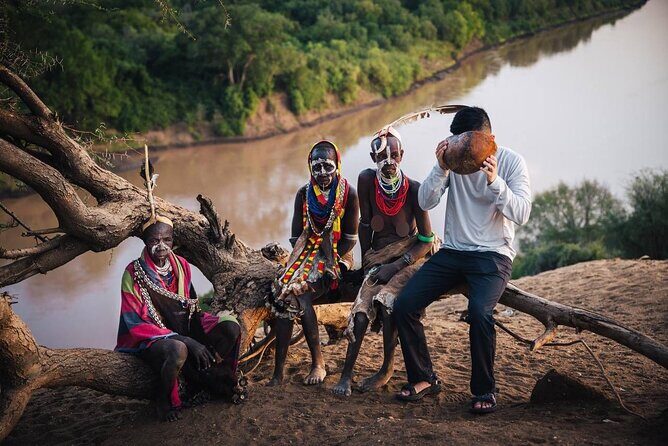
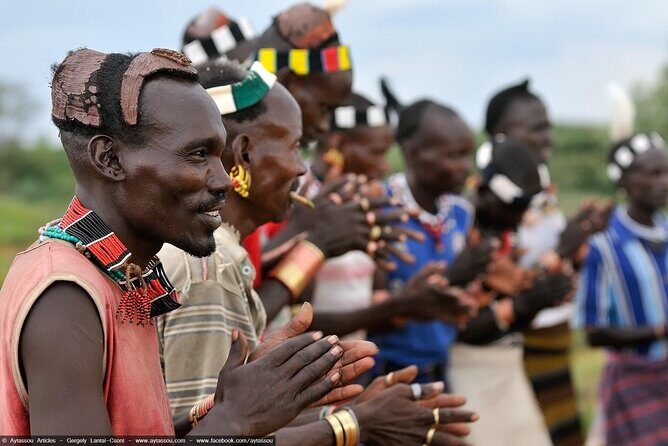
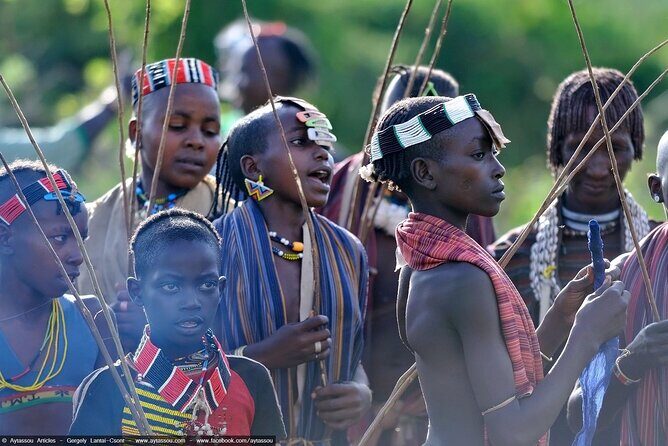
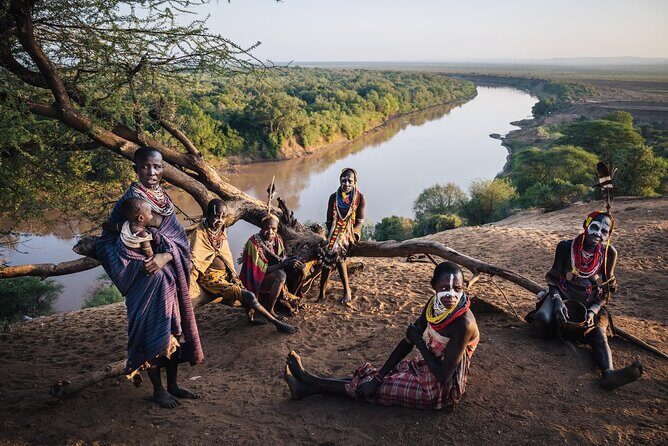
- Authentic Cultural Encounters: Visit tribes like Mursi, Hamer, Karo, and others, with opportunities to photograph their unique traditions.
- Guided by Locals: Expert guides from the region ensure respectful, insightful interactions.
- Scenic & Diverse: From the Great Rift Valley to Lake Chamo, your camera and senses will be delighted.
- Balanced Itinerary: Mix of tribal visits, markets, and natural sights, with comfortable transportation.
- Limited Group Size: Small groups (up to 8) ensure a more intimate experience.
- Consideration of Physical Demands: Moderate fitness required, as some visits involve walking and boat rides.
👉 See our pick of the 2 Best Tours & Things To Do In Addis Ababa (With Prices)
A Detailed Look at the Itinerary and What to Expect
Day 1: Dorze Village & Scenic Drive to Arba Minch
The journey begins south from Addis Ababa, crossing the Great Rift Valley — a geological marvel that has shaped the landscapes and cultures of the region. We loved the visual contrast of lush farmland against the stark Rift escarpments. The highlight here is the Dorze Village, famed for their beehive-shaped houses and intricate weaving. Watching the Dorze craft their textiles and seeing how they cultivate and process the false banana tree gives you a glimpse into their resourcefulness.
If you’re feeling adventurous, the optional local dinner involving bone fire cooking and goat roasting offers a rare chance to participate in local traditions. The warmth of community and the aroma of traditional dishes make this a memorable highlight. Expect about five hours of travel, with admission to the village included.
Day 2: Lake Chamo & Tribal Markets in Turmi
Driving further south, you’ll visit Lake Chamo, part of Nechisar National Park, where crocodiles and hippos are common sights. We loved how the crocodile market offers a surreal glimpse into the area’s wildlife and local economy. Keep your camera ready for wildlife shots or surprised expressions from boaters.
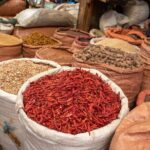
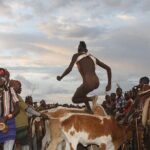
Next, the route takes you through villages like Konso, Weyto, and Dimeka, each with their own market days. These markets are the heartbeat of regional life, where tribes like the Hamer, Karo, and Tsemai gather to trade, socialize, and showcase their vibrant attire. The Hamer tribe, renowned for their bull jumping ceremonies and traditional dances, can often be seen at night if luck is on your side.
Day 3: From Turmi to Jinka via Village Visits
Traveling to Jinka, you’ll experience more of the bustling market days, especially in Dimeka (Tuesdays and Saturdays). The colorful market scenes, with tribes trading cattle, crafts, and goods, are among the most vibrant in the region. We found that these markets offer excellent opportunities for candid photography, capturing authentic moments of daily life.
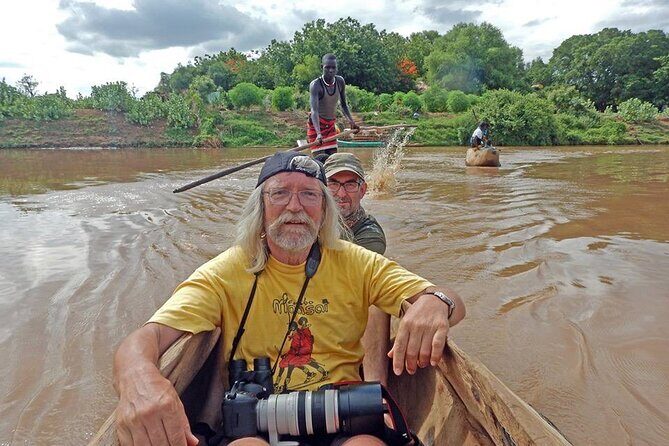
In the afternoon, a visit to Dasenech villages involves crossing the Omo River by traditional boat, giving you a taste of local transportation methods. The Dasenech tribe, with its isolated delta villages, offers an intimate look at life far from the tourist trail.
Day 4: Exploring Jinka & Local Museums
Back in Jinka, the South Omo Museum & Research Center provides useful context, displaying artifacts and stories from the tribes you’ve encountered. It’s a good stop for those wanting background to deepen their understanding and avoid stereotypes. We appreciated the opportunity to hike in the surrounding hills and visit an Ari village, where blacksmith work and local gin production showcase the daily skills and customs of the region.
Day 5: Mursi & Key Afer
A drive through Mago National Park leads you to the Mursi tribe, famous for their lip plates and ear adornments. Watching Mursi women with their dramatic lip disks is a photographic highlight, but it’s essential to approach respectfully. The tour’s guides help ensure interactions are appropriate, and you’ll learn about the bride price tradition tied to the lip plates.
In the afternoon, the Key Afer market is a lively hub where tribes like the Benna and Tsemai come to trade, showing off their colorful costumes and jewelry. The South Omo Museum offers further insight into these tribes’ customs and history.
Day 6: Konso & Cultural Heritage
Heading to Konso, renowned for its terraced farming and wooden statues called wakas, you’ll visit a local village and the cultural museum. The waka statues are fascinating relics of local beliefs and ancestor worship, and exploring the terraced landscape reveals centuries of ingenious farming techniques. If time permits, a visit to the New York Village (named for its towering sand formations) adds a surreal touch to your trip.
Day 7: Return to Addis Ababa & Optional Cultural Evening
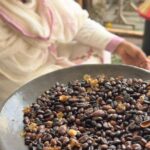
The return drive to Addis Ababa spans about five hours, and the journey offers a chance to reflect on the varied landscapes and cultures encountered. If your schedule allows, an optional folkloric dinner in Addis showcases Ethiopia’s traditional music, dance, and coffee ceremony — a fitting end to your adventure.
You can also read our reviews of more photography tours in Addis Ababa


Why This Tour Offers Value Beyond the Price Tag
At $1,250 per person, this seven-day journey might seem steep, but it covers more than just transport and meals — it’s an investment in authentic, respectful cultural encounters. The small group size ensures you won’t be lost in the crowd, and the guides’ deep regional knowledge enhances every interaction. The inclusion of admission fees, meals (breakfast, lunch, dinner), bottled water, and transportation means fewer surprises along the way.
Compared to other African safaris or cultural tours, this trip emphasizes photography and genuine engagement. The opportunity to live with and photograph tribes that are still practicing traditional ways of life offers a rare, meaningful experience. The emphasis on local guides adds a layer of authenticity and ensures respectful interaction, which is critical when visiting communities with strong traditions.
However, keep in mind that the tour involves some long drives, uneven terrain, and limited infrastructure in remote villages. It’s not for travelers seeking luxury or comfort but rather those who prioritize cultural authenticity and natural beauty. The tour is rated highly (5.0 based on 2 reviews), with travelers praising the knowledgeable guides, stunning scenery, and authentic encounters.
Who Would Love This Tour?
This experience is perfect for photographers, cultural enthusiasts, and adventurous travelers eager to see Ethiopia’s tribal diversity firsthand. It suits travelers with moderate fitness levels, as some activities involve walking, boat rides, and uneven terrain. If you’re after a genuine, respectful, and visually rich experience that takes you far from tourist hotspots, this tour offers a compelling option.
It’s also well-suited for those who want to support local guides and communities, as the tour’s emphasis on working with locals helps preserve these cultures and ensures respectful tourism.
Final Thoughts
The Omo Valley Tribes Photography Tour delivers an unforgettable window into Ethiopia’s vibrant and diverse cultures, all guided by knowledgeable locals who care about respectful interactions. The landscapes and tribes you’ll encounter are unlike anything in the tourist books — raw, colorful, and full of stories waiting to be captured.
While not a luxury holiday, it’s a meaningful journey for anyone wanting a closer look at some of Africa’s most fascinating peoples. The tour’s mix of natural beauty, cultural depth, and photographic opportunities makes it a rare find for travelers craving authenticity and adventure.
If you’re prepared for some travel roughness and eager to meet tribes that still practice traditions passed down through generations, this could be one of the most rewarding trips you’ll ever take.
Omo Valley Tribes Photography Tour by Locals



FAQ
What is included in the tour price?
The tour covers all fees and taxes, transportation in an air-conditioned vehicle, bottled water, meals (breakfast, lunch, dinner), all admission tickets for sites visited, and a shared guide. Camera rental is available if requested.
How far in advance should I book?
On average, travelers book about six days ahead. Early booking is recommended due to limited group sizes and high demand.
Is this tour suitable for all fitness levels?
Moderate fitness is recommended. The itinerary involves walking, boat rides, and some uneven terrain, especially in remote villages.
Will I have opportunities to photograph the tribes?
Absolutely. The guides are experienced and will facilitate respectful photography, helping you capture authentic moments without causing discomfort.
Are accommodations included?
Yes, accommodations are arranged in local lodges or hotels, such as Dorze or Arba Minch, and are generally comfortable given the remote setting.
Can I participate in local customs or traditions?
Guides aim to facilitate respectful cultural exchanges. Participation in traditional activities, such as cooking or attending ceremonies, may be possible depending on circumstances and the tribes’ comfort.
What is the best time of year to do this tour?
While not specified, considering the market days and weather, planning around the tribe market schedules (Monday, Thursday, Saturday) and avoiding the rainy season is advisable for optimal experience.
In the end, this trip offers more than just snapshots of tribes — it’s a chance to see how traditions endure amid changing times, guided by those who know these cultures best. For the curious, the adventurous, and the respectful photographer, it’s a journey worth considering.