

First-time visitors to Agra often rush straight to the Taj Mahal, snap a few photos, and leave thinking they’ve seen it all. They’re missing out on experiences that reveal the city’s true character—from witnessing marble craftsmen at work to exploring abandoned palaces where emperors once ruled. Smart travelers know there’s a strategic way to navigate Agra’s treasures while avoiding crowds and inflated prices, and it starts with timing.
- Watch the Taj Mahal Turn Pink at Sunrise
- Explore the Royal Intrigue at Agra Fort
- Discover the “Baby Taj” Before the Crowds Do
- Take an Afternoon Trip to Fatehpur Sikri’s Ghost City
- Experience Local Life at Jama Masjid
- Get Taj Views From a Yamuna River Boat Ride
- Hunt for Marble Inlay Work in Local Markets
- Sample Authentic Mughlai Cuisine Beyond Tourist Restaurants
- Visit Rescued Bears at Wildlife SOS Center
- Catch the Sound and Light Show at Agra Fort
Watch the Taj Mahal Turn Pink at Sunrise
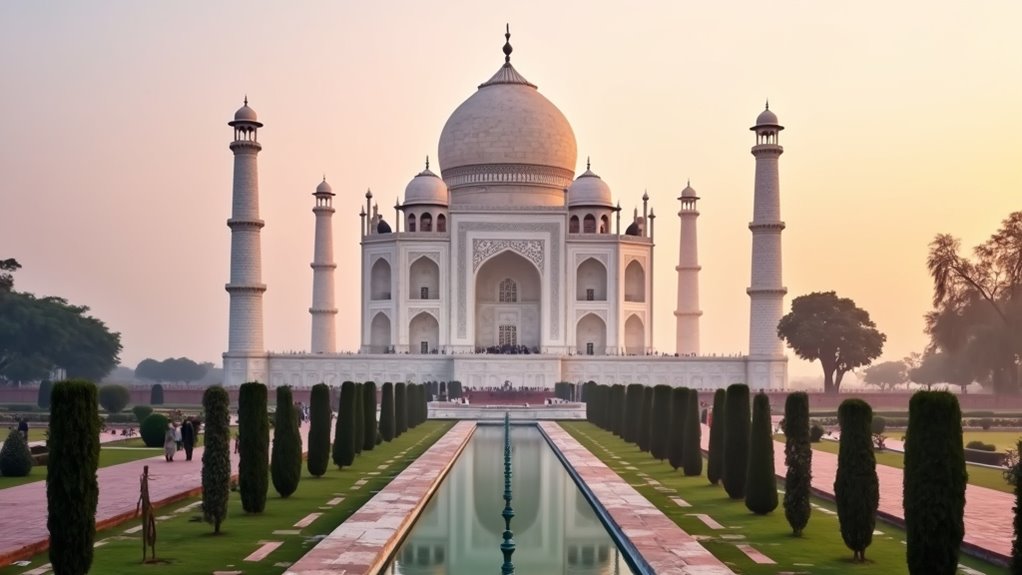
When the first rays of sunlight hit the Taj Mahal’s white marble facade, the entire monument transforms into a breathtaking pink masterpiece that’ll leave any first-time visitor speechless. Smart travelers arrive around 6-8 AM to catch this magical moment while avoiding the overwhelming crowds that descend later.
At ₹1300 ($17) for foreign visitors, the sunrise experience delivers exceptional value. The early morning light creates perfect photography conditions, and the cooler temperatures make exploring more comfortable.
Use the East Gate for smoother entry and purchase tickets at the garden entrance rather than the main gate.
This UNESCO World Heritage Site showcases stunning Mughal architecture with intricate pietra dura inlay work using precious stones. The pink glow only lasts about 30 minutes, making timing essential for this unforgettable experience.
Explore the Royal Intrigue at Agra Fort
After capturing the Taj Mahal’s sunrise magic, visitors can walk just 2.5 kilometers to Agra Fort, where centuries of Mughal royal drama unfold within massive red sandstone walls. This UNESCO World Heritage Site houses palaces like Jahangir Palace and Khas Mahal, where emperors once plotted family betrayals and political schemes.
The fort’s audience halls witnessed power struggles, while its mosques provided spiritual refuge from courtly intrigue.
Travelers shouldn’t miss the stunning Taj Mahal views from the fort’s ramparts – the same vantage point where Shah Jahan was imprisoned by his son. The fortress reveals stories of imprisonment, succession battles, and royal conspiracies that shaped Mughal history.
Budget-conscious visitors can easily spend half a day exploring the palaces and halls while soaking up fascinating tales of empire-building rulers.
Discover the “Baby Taj” Before the Crowds Do
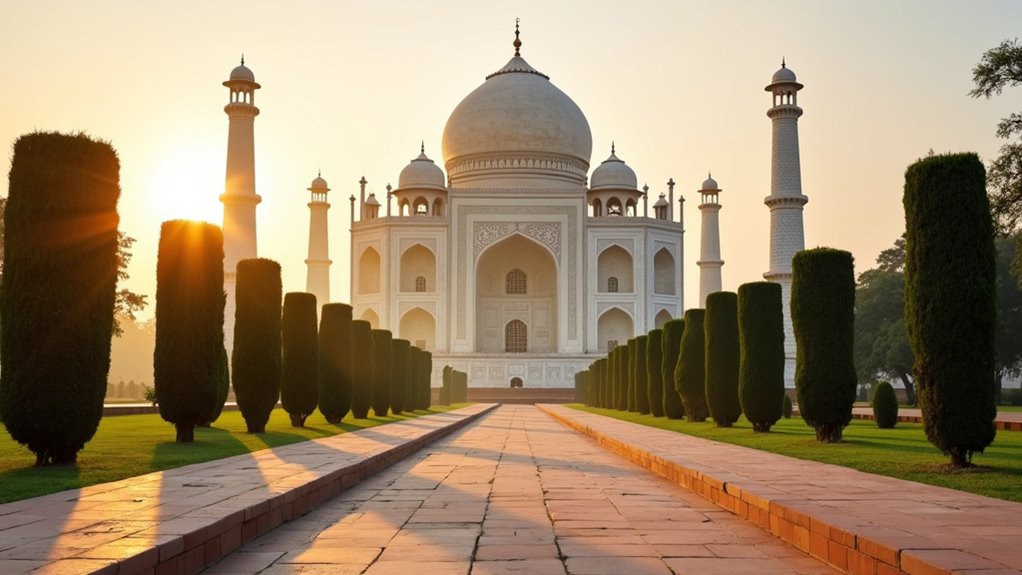
While most travelers rush straight from Agra Fort to lunch, savvy travelers make a quick detour to Itimad-ud-Daulah’s Tomb – affectionately called the “Baby Taj” – where they’ll find intricate pietra dura inlay work without the massive crowds.
This 17th-century monument serves as the precursor to the famous Taj Mahal, showcasing delicate marble inlay work with precious stones that’ll prepare visitors for the main attraction. The tomb’s smaller scale makes it easier to appreciate the craftsmanship up close, and photographers can capture stunning details without dodging selfie sticks.
Since it’s often overlooked by tour groups rushing between major sites, visitors can explore peacefully and learn about Mughal architectural evolution. The modest entrance fee makes it budget-friendly, and the mid-morning timing works perfectly for avoiding afternoon heat.
Take an Afternoon Trip to Fatehpur Sikri’s Ghost City
Just 40 kilometers from Agra, the abandoned Mughal capital of Fatehpur Sikri beckons travelers with its haunting beauty and fascinating history. This UNESCO World Heritage site served briefly as the Mughal capital before being mysteriously abandoned due to water scarcity.
Visitors can explore the stunning Buland Darwaza, the world’s highest gateway, which towers impressively over the complex. The intricate palaces showcase brilliant Mughal architecture blending Persian, Islamic, and Indian influences.
Afternoon visits work perfectly since the expansive grounds provide plenty of space to wander without feeling crowded.
The mosque area offers free entry, while palace tours require tickets. Smart travelers combine this trip with their Agra itinerary, spending 2-3 hours exploring the atmospheric ruins and imagining the grandeur of this former imperial city.
Experience Local Life at Jama Masjid
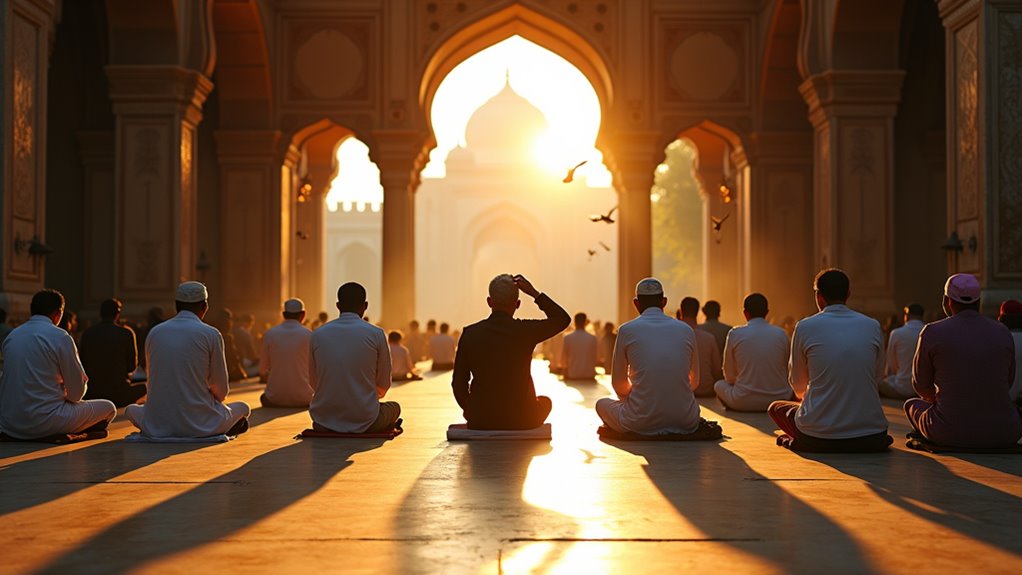
Back in Agra’s bustling heart, the grand Jama Masjid offers travelers an authentic glimpse into the city’s vibrant religious and community life. This impressive 17th-century mosque combines red sandstone and white marble architecture, accommodating thousands of worshippers beneath its soaring domes and minarets.
Visitors can explore the expansive courtyard and admire intricate calligraphy adorning the walls. The mosque remains an active place of worship, so travelers should dress modestly and remove shoes before entering. Friday prayers draw large crowds, creating an especially atmospheric experience for respectful observers.
Unlike the tourist-heavy monuments, Jama Masjid provides genuine culture where locals gather for daily prayers and community events. Entry is typically free, making it perfect for budget-conscious travelers seeking authentic experiences beyond Agra’s famous palatial attractions.
Get Taj Views From a Yamuna River Boat Ride
As the afternoon sun begins its descent, travelers can escape Agra’s crowded monuments with a peaceful boat ride along the Yamuna River. This budget-friendly experience offers stunning back-side views of the Taj Mahal without fighting tourist crowds or paying monument entry fees.
Local boatmen operate small vessels from the riverbank, charging reasonable rates for sunset excursions. The golden hour transforms the white marble mausoleum into a glowing spectacle that’s perfect for photography. Unlike the restricted front gardens, river views provide unique angles and perspectives of Shah Jahan’s masterpiece.
The ride typically lasts 30-45 minutes, allowing ample time to appreciate the monument’s reflection in the water. It’s especially rewarding after spending the morning exploring busy attractions, offering a tranquil way to end the day while capturing memorable shots.
Hunt for Marble Inlay Work in Local Markets
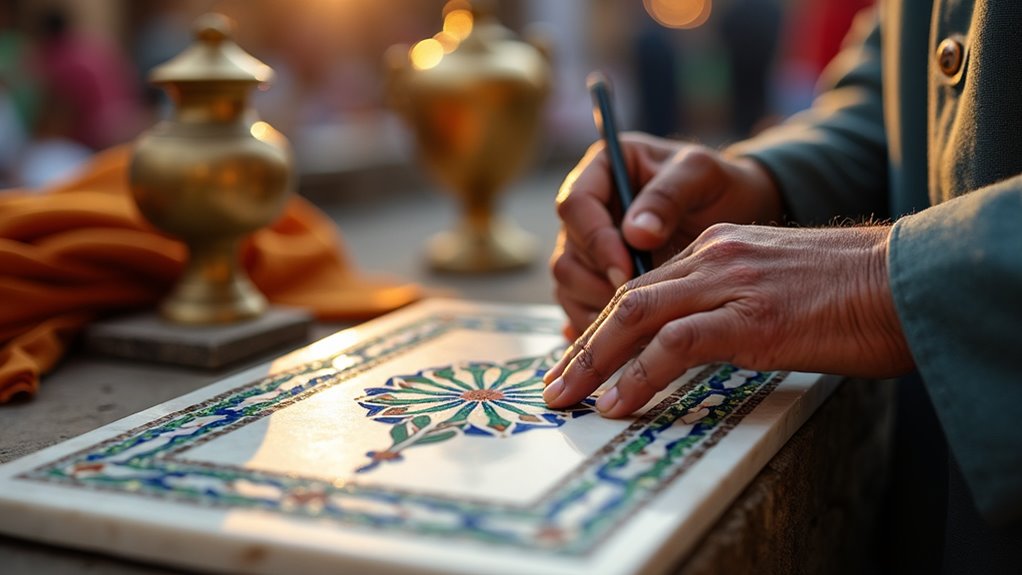
After soaking in those peaceful river views, visitors can explore Agra’s bustling markets where skilled artisans continue the centuries-old tradition of pietra dura—the intricate marble inlay work that adorns the Taj Mahal.
Local markets near the Taj Mahal and Agra Fort offer authentic handicrafts and marble artifacts at various price points.
Shoppers should watch craftsmen demonstrate their techniques, creating detailed floral patterns using semi-precious stones like lapis lazuli and carnelian.
Small coasters or decorative boxes make affordable souvenirs, while larger pieces like tabletops command higher prices.
Bargaining is expected, so visitors shouldn’t accept the first quote.
These markets provide genuine cultural experiences while supporting local artisans who’ve preserved Mughal-era craftsmanship for generations.
Sample Authentic Mughlai Cuisine Beyond Tourist Restaurants
While tourist restaurants serve decent Mughlai food, travelers who venture beyond the main strips discover Agra’s authentic culinary gems where locals actually dine. Head to narrow lanes near Jama Masjid where family-run eateries serve rich kebabs, fragrant biryanis, and tender mutton curries at a fraction of touristy prices.
Don’t miss trying dal moth, Agra’s famous spicy lentil snack, from street vendors around Sadar Bazaar. Local favorites include petha (translucent sweet) from century-old shops and kulcha-nihari for breakfast.
These hole-in-the-wall spots offer generous portions, bold flavors, and genuine Mughlai cooking techniques passed down through generations. Most meals cost under ₹200 per person, making authentic dining surprisingly affordable for budget-conscious travelers exploring Agra’s culinary heritage.
Visit Rescued Bears at Wildlife SOS Center

Beyond Agra’s historic monuments lies one of the world’s largest sloth bear rescue facilities, where travelers can witness remarkable conservation efforts firsthand. The Agra Bear Rescue Center, operated by Wildlife SOS, provides sanctuary for rescued sloth bears that were previously exploited in street performances or kept in poor conditions.
Visitors can observe these magnificent creatures in spacious enclosures designed to mimic their natural habitat. The center educates guests about wildlife conservation while showcasing successful rehabilitation stories.
Tours typically last 1-2 hours and cost considerably less than monument visits, making it budget-friendly entertainment.
The facility’s dedication to animal welfare offers travelers a meaningful break from traditional sightseeing. It’s an opportunity to support conservation efforts while learning about India’s wildlife protection initiatives in an engaging, educational environment.
Catch the Sound and Light Show at Agra Fort
As evening approaches, travelers can cap off their Agra Fort exploration with a spectacular sound and light show that brings centuries of Mughal history to life. The dramatic presentation illuminates the fort’s red sandstone walls while narrating tales of emperors, battles, and royal intrigue that once unfolded within these ancient corridors.
Shows typically run during cooler months and offer an affordable evening entertainment option after a day of sightseeing. The experience combines visual effects with historical storytelling, making Mughal history accessible and engaging for visitors of all ages.
Travelers should check current schedules and book tickets in advance, as shows can sell out during peak tourist seasons. It’s an ideal way to end the day while gaining a deeper appreciation for Agra Fort’s rich cultural significance.