
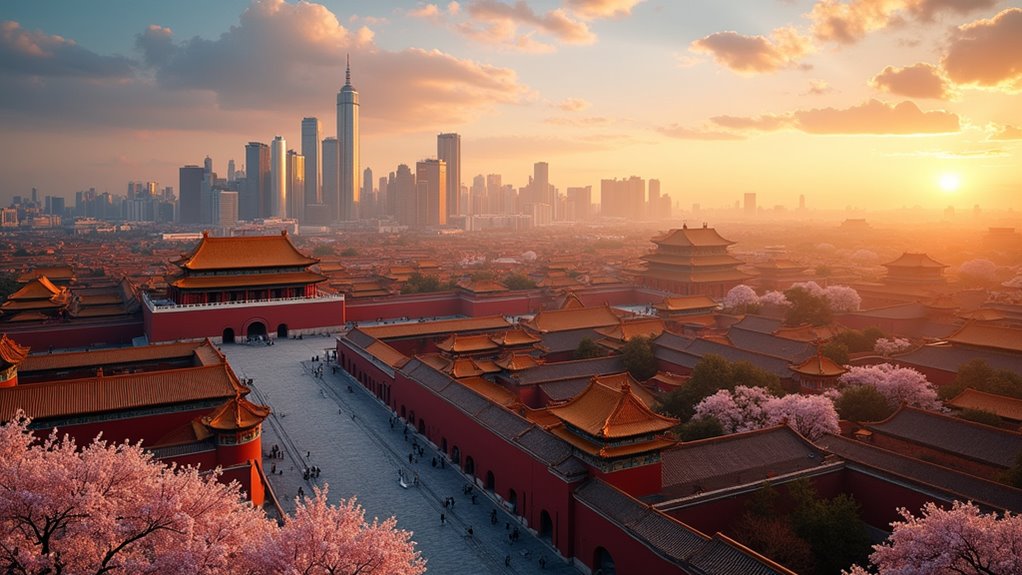
Beijing presents travelers with an incredible mix of ancient wonders and modern marvels that won’t break the bank. From exploring imperial palaces that housed emperors for centuries to sampling authentic street food for just a few yuan, China’s capital offers experiences that range from deeply cultural to surprisingly affordable. Most visitors barely scratch the surface of what’s possible here, missing hidden gems and budget-friendly activities that locals have enjoyed for generations.
- Marvel at the Forbidden City’s Nearly 1,000 Buildings
- Catch the Sunrise Flag Ceremony at Tiananmen Square
- Climb Jingshan Park for the Best Views in Beijing
- Walk the Mutianyu Great Wall With Cable Cars and Toboggans
- Experience Tibetan Buddhism at Lama Temple
- Stroll Through Summer Palace’s Lakeside Gardens
- Hear the Ancient Drums at Drum and Bell Towers
- Boat Around Beihai Park’s 900-Year-Old Lakes
- Hike the Wild Jiankou Great Wall Section
- Pay Respects at the Temple of Heaven’s Imperial Ceremonies
- Wander the Hutong Alleys of Old Beijing
- Enjoy Evening Drinks Around Houhai Lake
- Sample Mr. Shi’s Dumplings and Beijing Hotpot
- Browse Nanluoguxiang Night Market After Dark
- See Modern Architecture at Olympic Park’s Bird’s Nest
Marvel at the Forbidden City’s Nearly 1,000 Buildings
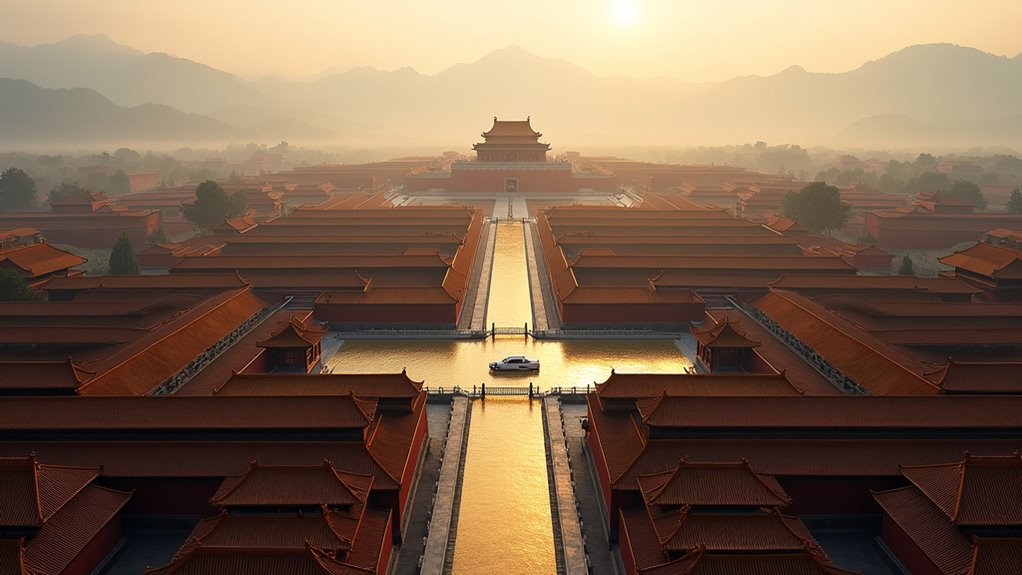
First-time visitors often underestimate the sheer scale of the Forbidden City, but walking through nearly 1,000 buildings spread across this massive palace complex quickly puts China’s imperial history into perspective.
This UNESCO World Heritage site served as the center of imperial rule for both Ming and Qing Dynasties, and it’s surrounded by massive walls and a protective moat that emphasize its fortress-like design.
Budget-conscious travelers should plan a full day here since there’s enough architecture and history to justify the entrance fee.
The complex’s layout follows traditional Chinese palatial design, with ceremonial halls, living quarters, and administrative buildings arranged in precise geometric patterns.
Visitors can explore courtyards, throne rooms, and imperial gardens while learning about centuries of Chinese dynastic power through well-preserved structures.
Catch the Sunrise Flag Ceremony at Tiananmen Square
After exploring the grandeur of imperial palaces, visitors can witness modern China’s most symbolic daily ritual just steps away at Tiananmen Square.
The flag-raising ceremony happens every morning at sunrise, drawing crowds of locals and travelers who gather in the pre-dawn darkness to watch uniformed guards march in perfect formation.
This patriotic spectacle costs nothing but requires early planning—arrival times vary by season since the ceremony starts precisely at sunrise. Visitors should arrive at least 30 minutes early to secure good viewing spots, as the ceremony attracts hundreds of spectators daily.
The brief but moving ritual offers insight into contemporary Chinese culture and national pride. It’s particularly meaningful when paired with sunset flag-lowering ceremonies, creating bookends to a full day of Beijing exploration.
Climb Jingshan Park for the Best Views in Beijing
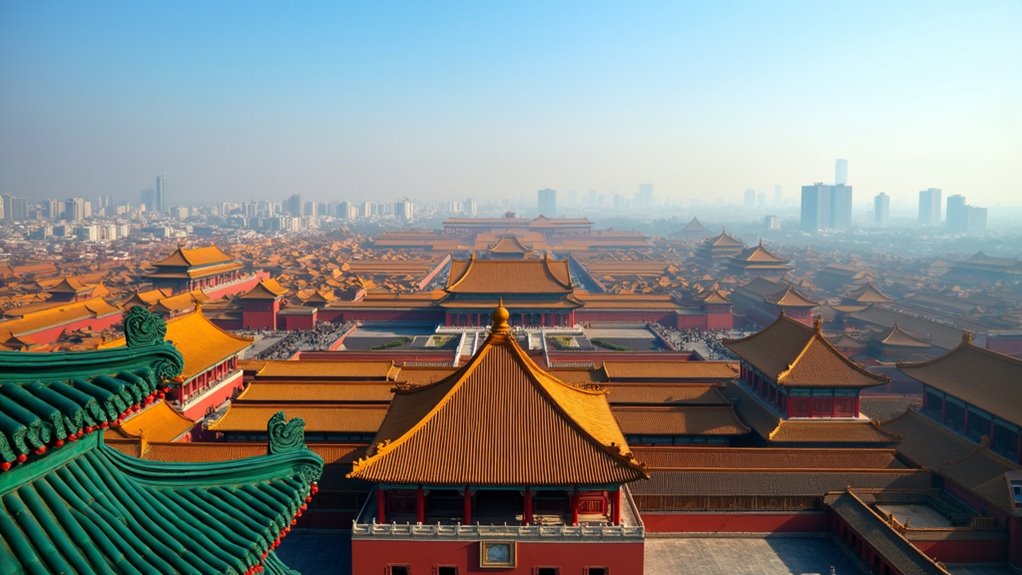
When travelers want the ultimate panoramic view of Beijing without spending a fortune, Jingshan Park delivers the city’s most spectacular vantage point for just a few yuan. This ancient park, dating back to the Jin Dynasty in 1179, sits at Beijing’s highest point and offers breathtaking views of the Forbidden City’s golden rooftops sprawling below.
The climb to the top isn’t strenuous—most visitors reach the summit in 15-20 minutes. Photography enthusiasts flock here during sunset when the golden light transforms the cityscape into a magical scene.
The park’s central pavilion provides the perfect frame for capturing both traditional imperial architecture and Beijing’s modern skyline stretching toward the horizon. Smart visitors arrive early evening to secure prime spots before the crowds arrive.
Walk the Mutianyu Great Wall With Cable Cars and Toboggans
While most travelers crowd into the heavily trafficked Badaling section, savvy travelers head to Mutianyu Great Wall for a more enjoyable experience that combines iconic views with family-friendly fun. This well-restored section offers spectacular mountain scenery without the overwhelming crowds that plague other areas.
Visitors can take a cable car up to avoid the steep climb, making it accessible for families with children or those who prefer to conserve energy for walking the wall itself.
The real highlight? A thrilling toboggan ride down the mountainside that’ll have everyone grinning from ear to ear.
The restored fortifications provide excellent photo opportunities, while the mix of accessibility options means everyone can experience China’s most famous landmark without breaking a sweat or the budget.
Experience Tibetan Buddhism at Lama Temple
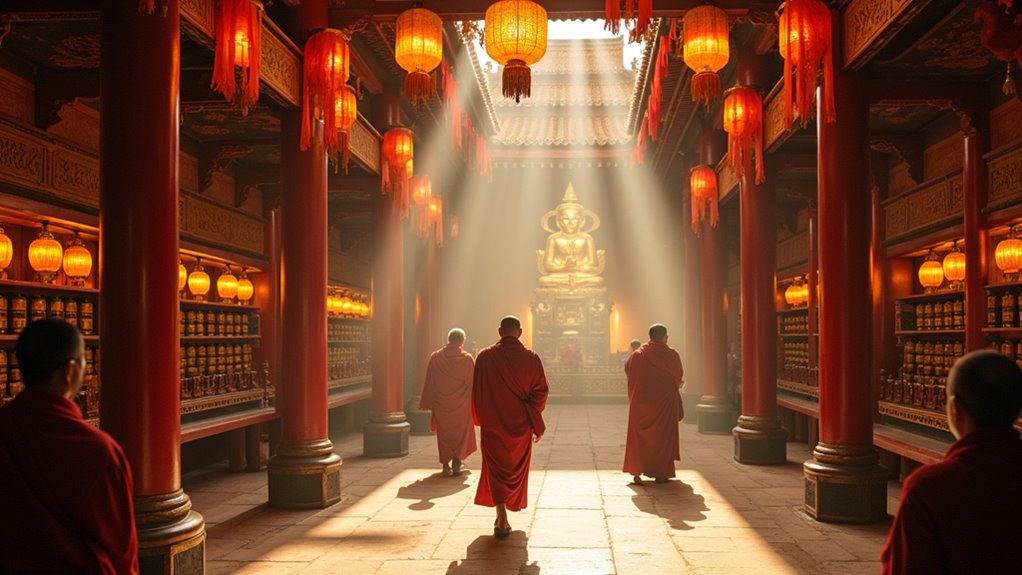
From the ancient stones of the Great Wall, Beijing’s spiritual side beckons at the Lama Temple, where visitors can enjoy active Tibetan Buddhist culture without traveling to Tibet. This functioning monastery showcases vibrant, intricate architecture that’s worlds apart from Beijing’s imperial sites.
Monks in burgundy robes conduct daily prayers while incense smoke drifts through colorful prayer halls adorned with Tibetan artwork and golden Buddhas.
The temple’s authentic atmosphere makes it feel like stepping into Lhasa rather than China’s capital. Visitors can observe traditional rituals, spin prayer wheels, and explore multiple halls without admission fees weighing heavily on budgets.
The Lama Temple pairs perfectly with nearby Confucius Temple for a full day of spiritual exploration, offering genuine culture that contrasts beautifully with Beijing’s more touristy attractions.
Stroll Through Summer Palace’s Lakeside Gardens
As afternoon light bathes the Summer Palace‘s ancient pavilions in golden hues, visitors discover why this 18th-century imperial retreat ranks among Beijing’s most photogenic destinations. The lakeside gardens offer stunning views of Longevity Hill crowned by the Buddhist Fragrance Pavilion, creating perfect photo opportunities throughout the day.
Wandering the waterfront paths costs just the entrance fee, making this an affordable cultural experience. The gardens showcase traditional Chinese landscape design, where artificial lakes blend seamlessly with rolling hills and ornate architecture.
Visitors can explore intricate bridges, peaceful courtyards, and scenic viewpoints without additional charges.
The palace’s lakeside setting provides a tranquil escape from Beijing’s bustling streets, offering both historical significance and natural beauty in one accessible location that’s ideal for leisurely afternoon exploration.
Hear the Ancient Drums at Drum and Bell Towers
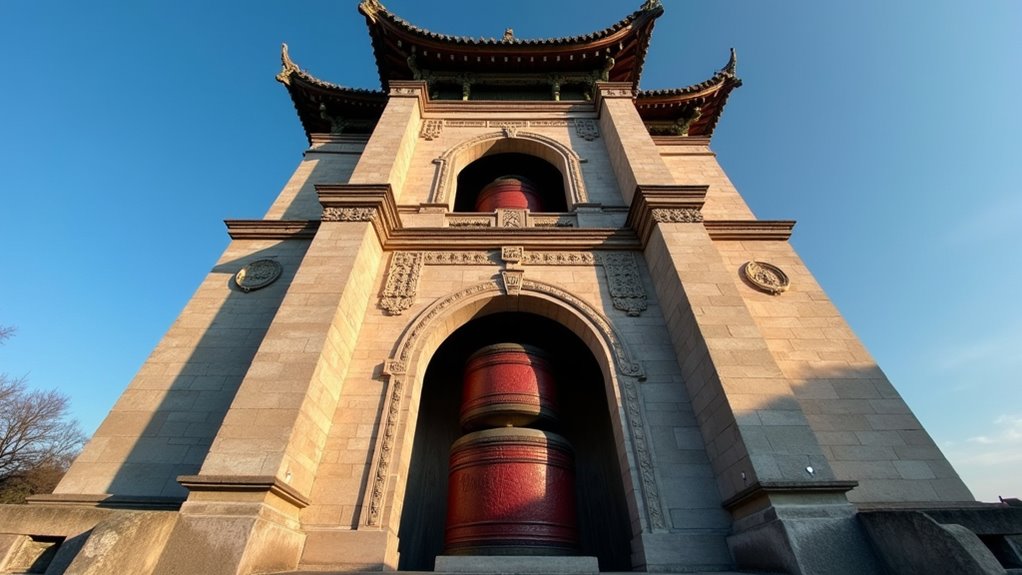
Moving from the serene gardens of the Summer Palace to Beijing’s historic center, travelers can experience the city’s ancient timekeeping traditions at the 13th-century Drum and Bell Towers. These towering structures once served as the city’s official timekeepers, marking hours for residents throughout imperial Beijing.
Visitors can witness scheduled drum performances that echo centuries-old rhythms, bringing history to life through sound.
The Bell Tower houses China’s largest bell, weighing an impressive 63 tonnes, creating deep, resonant tones that once carried across the entire city.
Both towers offer affordable admission and provide unique cultural experiences that most travelers overlook.
The scheduled performances make timing visits straightforward, and the towers’ central location makes them easily accessible while exploring Beijing’s historic hutong neighborhoods.
Boat Around Beihai Park’s 900-Year-Old Lakes
The tranquil waters of Beihai Park invite visitors to experience Beijing’s oldest imperial garden from a completely different perspective. Dating back to the 11th century, this historic park offers pedal boat rentals that let travelers explore the lake at their own pace without breaking the bank.
From the water, visitors can appreciate the park’s iconic landmarks differently—the White Pagoda‘s Tibetan-style architecture looks particularly striking reflected in the lake’s surface. The Nine-Dragon Wall and Five-Dragon Pavilion also offer excellent photo opportunities from various angles on the water.
Pedal boating here isn’t just about sightseeing; it’s perfect for people-watching and observing local life. Families, couples, and friends gather along the shores, creating a lively yet peaceful atmosphere that captures Beijing’s blend of ancient heritage and modern leisure.
Hike the Wild Jiankou Great Wall Section
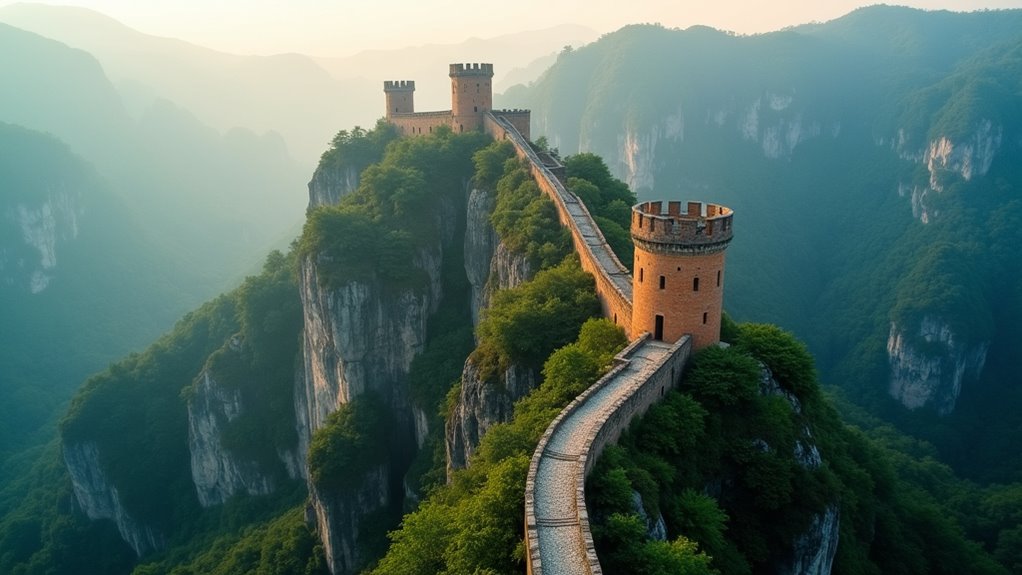
For travelers seeking an authentic Great Wall adventure without tourist crowds, the Jiankou section delivers raw, unrestored beauty that’ll challenge even experienced hikers. This wild stretch features crumbling watchtowers and steep terrain that demands proper hiking boots and physical fitness.
Unlike commercialized sections with cable cars, Jiankou requires earning those spectacular mountain views through sweat and determination.
The treacherous path includes loose stones and narrow ridges, making it unsuitable for beginners or families with children. However, adventurous visitors who tackle this rugged section will experience the Wall as it naturally exists after centuries of weathering.
The dramatic landscape offers incredible photo opportunities without crowds blocking shots. Most hikers access Jiankou via budget-friendly local buses from Beijing, making it an affordable alternative to pricier tourist sections while providing unforgettable memories.
Pay Respects at the Temple of Heaven’s Imperial Ceremonies
After conquering the rugged Jiankou section, visitors can shift from physical adventure to spiritual contemplation at Beijing’s Temple of Heaven Park. Here, emperors once performed sacred ceremonies to guarantee good harvests and seek divine forgiveness.
This 276-hectare complex showcases Ming Dynasty architecture at its finest, featuring symbolic geometric designs that reflect ancient Chinese cosmology.
The park’s layout represents heaven and earth through circular and square structures. Visitors can explore the iconic Hall of Prayer for Good Harvests and the Imperial Vault of Heaven without breaking the bank—entry fees remain affordable.
Early morning visits offer the best experience, as locals practice tai chi and traditional exercises throughout the grounds. The site’s spiritual atmosphere and architectural grandeur make it essential for understanding Beijing’s imperial heritage.
Wander the Hutong Alleys of Old Beijing
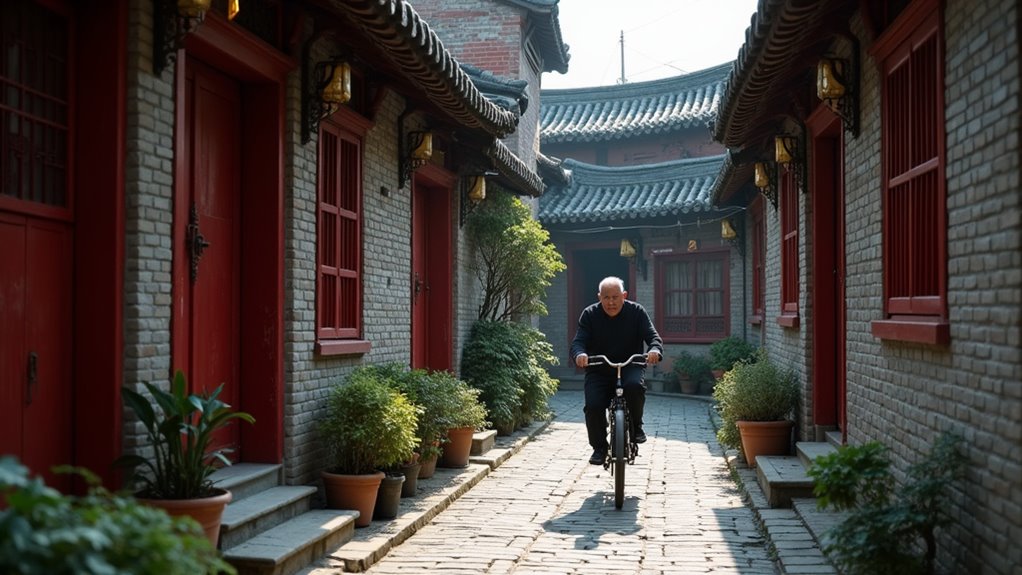
While grand palaces showcase imperial Beijing’s majesty, the city’s authentic soul lives within its labyrinthine hutongs—narrow traditional alleys where courtyard homes and local life have thrived for centuries. These historic lanes offer travelers an intimate glimpse into everyday Beijing culture without breaking the bank.
Visitors can explore on foot or join affordable walking tours through neighborhoods where residents still gather around food stalls and practice tai chi in courtyards. The alleys reveal traditional architecture, local vendors selling street snacks, and glimpses of courtyard homes that have housed families for generations.
Early morning or late afternoon provides the best atmosphere when locals go about their daily routines. Many hutongs connect to major attractions, making them perfect for budget-friendly self-guided exploration between temple visits.
Enjoy Evening Drinks Around Houhai Lake
As the sun sets over Beijing’s historic neighborhoods, Houhai Lake transforms into the city’s premier nightlife destination where traditional charm meets modern entertainment.
Visitors discover lakeside bars and restaurants lining the water’s edge, offering everything from craft cocktails to local beer at reasonable prices. The area’s traditional hutongs create an authentic backdrop while providing easy access to diverse dining options.
Budget-conscious travelers can find happy hour specials and street food vendors alongside upscale establishments. The scenic lakeside setting encourages leisurely evening strolls between venues, making bar-hopping both affordable and atmospheric.
Local and international crowds mingle in this vibrant district, creating an energetic yet relaxed ambiance. Houhai’s unique blend of historical architecture and contemporary nightlife offers visitors an authentic taste of Beijing’s evolving cultural scene.
Sample Mr. Shi’s Dumplings and Beijing Hotpot
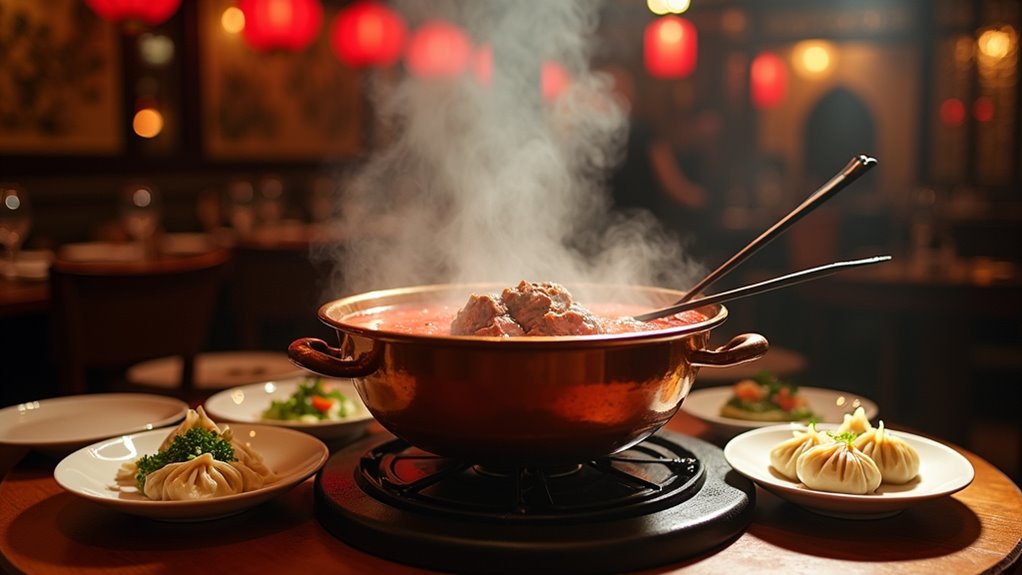
Two iconic Beijing dining experiences await food lovers seeking authentic flavors without breaking the bank. Mr. Shi’s Dumplings has earned its reputation as Beijing’s go-to spot for exceptional dumplings, serving up handcrafted varieties that showcase traditional techniques and bold flavors. The restaurant’s authentic approach keeps prices reasonable while delivering memorable taste experiences.
Beijing’s hotpot scene offers another must-try culinary adventure that’s both social and satisfying. This communal dining experience allows visitors to cook fresh ingredients in flavorful broths, creating personalized meals while sharing stories with fellow diners. The interactive nature makes hotpot perfect for groups, and most establishments offer affordable pricing that won’t strain travel budgets.
Both experiences provide genuine tastes of Beijing’s food culture without the premium prices often found at tourist-focused restaurants.
Browse Nanluoguxiang Night Market After Dark
After satisfying hunger pangs with dumplings and hotpot, Beijing’s food adventure doesn’t have to end there. Nanluoguxiang Night Market transforms into a bustling street food paradise after sunset, offering budget-friendly treats and cultural experiences in one lively location.
This historic hutong area combines traditional narrow alleyways with modern street vendors, creating an authentic Beijing atmosphere. Visitors can sample local snacks, browse handmade crafts, and soak up the vibrant evening energy without breaking the bank.
The market’s convenient location makes it easily accessible by public transportation.
Street food options range from traditional Beijing treats to trendy fusion snacks, giving travelers plenty of variety to explore. The combination of shopping, eating, and people-watching makes Nanluoguxiang an ideal evening destination for experiencing local culture firsthand.
See Modern Architecture at Olympic Park’s Bird’s Nest
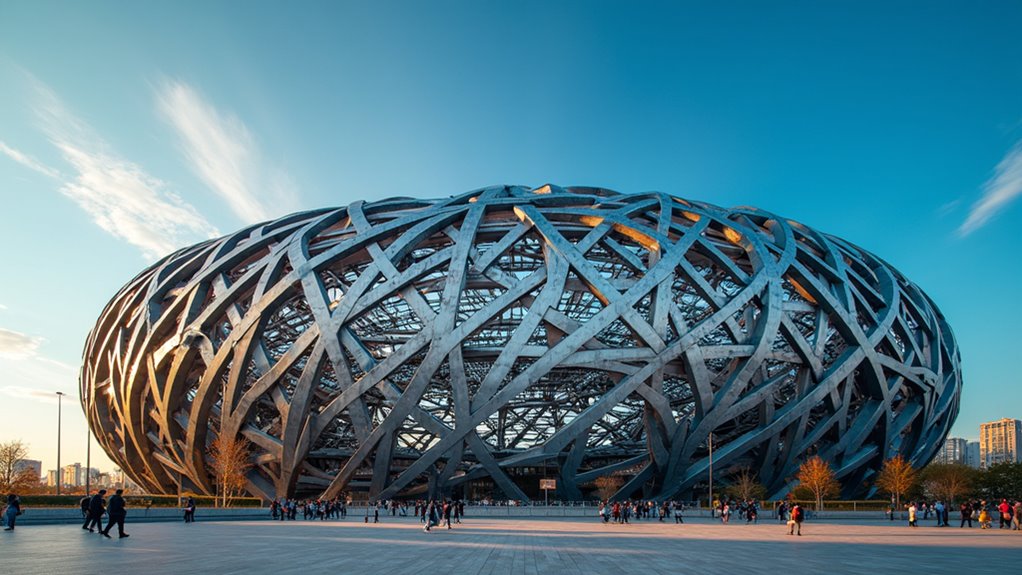
While Beijing’s historic sites showcase centuries of imperial grandeur, the city’s modern architectural marvels tell an equally compelling story. Olympic Park’s Bird’s Nest stadium stands as Beijing’s most striking contemporary landmark, designed for the 2008 Olympics with its distinctive steel lattice exterior.
The innovative structure captivates architecture enthusiasts and casual visitors alike with its bold, nest-like framework that creates dramatic shadows and photo opportunities throughout the day.
Visitors can explore the surrounding Olympic Park area, which includes the Water Cube and expansive green spaces perfect for walking. The park offers an affordable way to experience Beijing’s modern side, with reasonable entrance fees and easy subway access.
Evening visits are particularly rewarding when the stadium’s lighting transforms the structure into a glowing architectural spectacle against the night sky.