
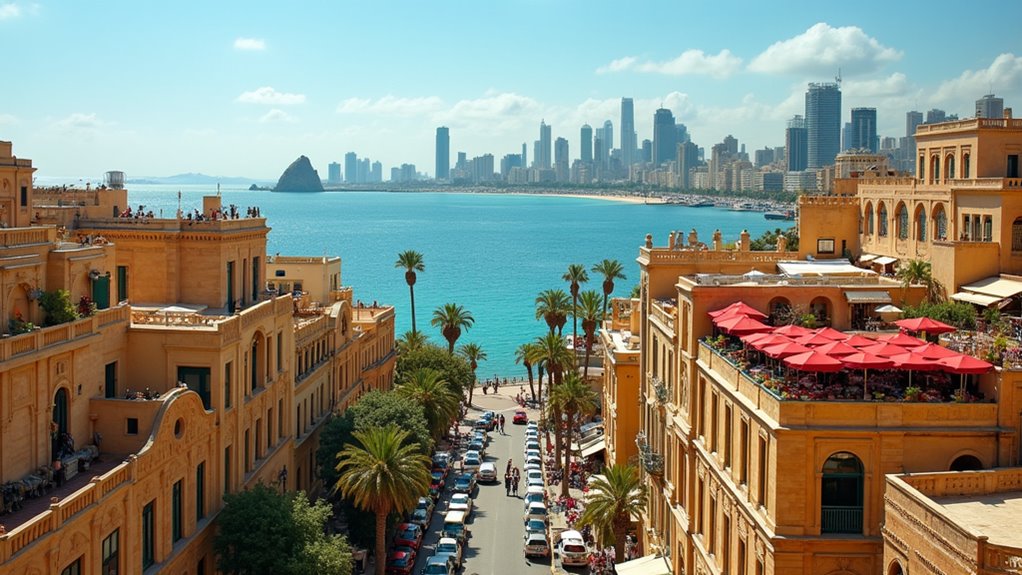
You’ve probably heard mixed things about Beirut, but here’s what you need to know: this city delivers an experience you won’t find anywhere else. From ancient Roman ruins sitting next to modern cafés to stunning coastal views that’ll make your Instagram followers jealous, Beirut packs serious punch without breaking your budget. The best part? Most of these incredible spots are within walking distance of each other, and there’s one hidden gem that’ll completely change how you see the Middle East.
- Stand Next to Pigeon Rocks at Raouche
- Explore the National Museum of Beirut’s Ancient Treasures
- Walk Through the Atmospheric Gemmayze District
- Visit Mohammad Al-Amin Mosque and Saint George Cathedral Side by Side
- Browse the Rebuilt Beirut Souks Downtown
- Take a Day Trip to Jeita Grotto’s Underground Caves
- Stroll Along Zaitunay Bay Waterfront
- Discover Roman Bath Ruins in the City Center
- Experience Beirut’s Café Culture on Hamra Street
- Pay Respects at Martyrs’ Square
- Check Out the Sursock Museum’s Art Collection
- The Sum Up
Stand Next to Pigeon Rocks at Raouche
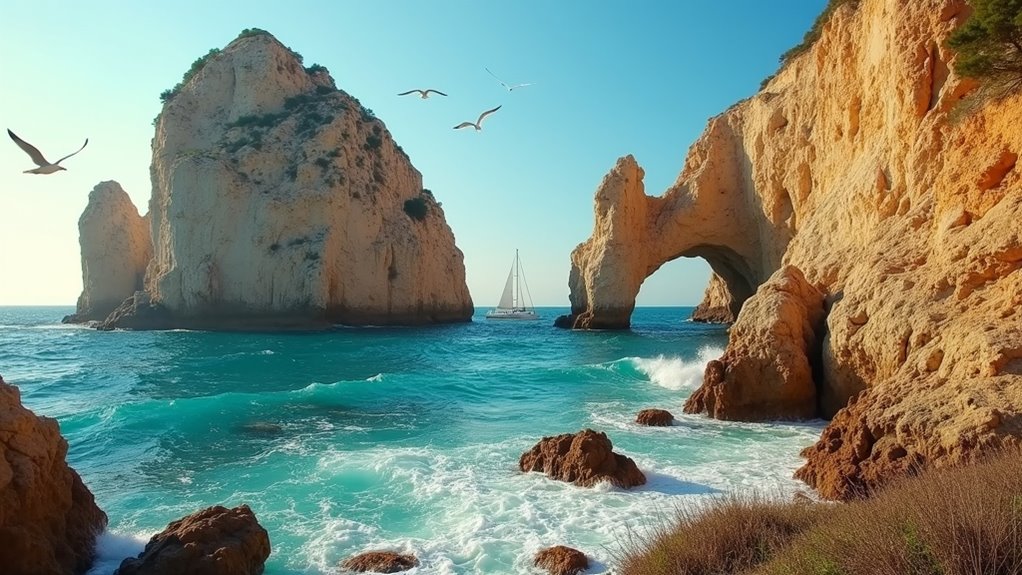
When you first glimpse Beirut’s iconic Pigeon Rocks rising 60 meters from the Mediterranean, you’ll understand why these limestone giants have symbolized the city for centuries. Head to the free Beirut Corniche promenade for the best viewing spots – it’s perfect for walking, jogging, or simply soaking in the dramatic scenery.
For a closer look, catch an affordable boat tour from Raouche waterfront to explore the rock formations and coastal caves up close. The area’s cliff-side cafés along Avenue de Paris offer budget-friendly options to grab coffee while enjoying panoramic views.
Visit at sunset for the most spectacular experience when the rocks create striking silhouettes against vibrant sky colors. You’re witnessing millions of years of natural erosion that shaped these pale limestone arches. These formations got their name from the historical pigeon habitation that once made their home among the rocky outcrops.
Explore the National Museum of Beirut’s Ancient Treasures
After exploring Beirut’s natural landmarks, you’ll want to plunge into the city’s incredible ancient history at the National Museum of Beirut. This treasure trove spans three levels, showcasing artifacts from 4000 BC to the 19th century AD.
You’ll discover the famous Sarcophagus of Ahiram with its ancient Phoenician inscriptions and the stunning 5th-century Shepherd Mosaic found during Beirut airport construction.
The museum’s layout makes exploring easy—large objects like sarcophagi and statues fill the ground floor, while smaller treasures including jewelry, coins, and amulets occupy the upper level. The collections follow a chronological arrangement starting from the Chalcolithic period through to the Islamic Period.
Don’t miss the impressive mosaic collection from Byblos, Baalbek, and Tyre. As a symbol of Lebanese resilience, this museum survived civil war damage and stands as testament to preserving cultural heritage against all odds.
Walk Through the Atmospheric Gemmayze District
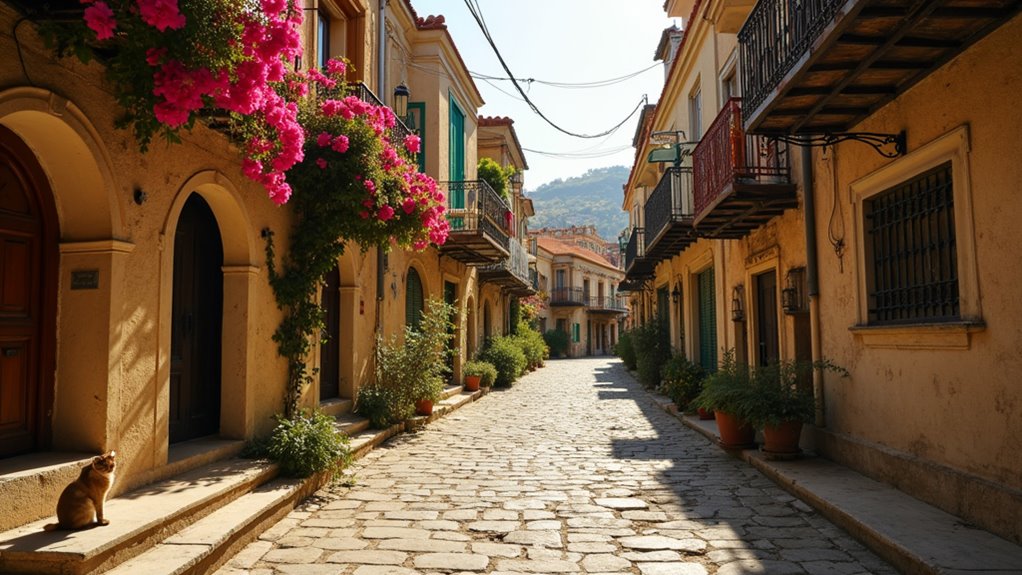
Once you’ve soaked up Beirut’s ancient history, head to the vibrant Gemmayze district where narrow cobblestone streets and colorful murals create one of the city’s most atmospheric neighborhoods.
You’ll discover three-story buildings from the French mandate and Ottoman periods, many beautifully restored after recent challenges.
Wander the famous St. Nicholas Stairs to see street art installations and catch impromptu performances.
Don’t miss the Memory Tree, a poignant monument commemorating Lebanon’s historical memory. Browse the neighborhood’s charming antique shops for unique cultural artifacts and one-of-a-kind souvenirs.
The area’s dubbed Beirut’s creative heartbeat for good reason – art galleries showcase local talent throughout the winding alleyways.
When hunger strikes, Rue Gouraud offers everything from traditional Lebanese dishes to international cuisine.
You’ll find budget-friendly cafes alongside trendy cocktail bars, all within walking distance of downtown Beirut.
Visit Mohammad Al-Amin Mosque and Saint George Cathedral Side by Side
From Gemmayze’s artistic streets, make your way to downtown Beirut where you’ll witness one of the city’s most striking examples of religious harmony. The Mohammad Al-Amin Mosque and Saint George Maronite Cathedral stand side by side in Martyr’s Square, symbolizing Lebanon’s multi-faith landscape.
You’ll immediately notice the mosque’s impressive blue dome and four 65-meter minarets inspired by Istanbul’s Blue Mosque. The yellow Beiruti sandstone facade blends beautifully with downtown’s architecture. Inside, you’ll find intricate marble work and Islamic calligraphy that can accommodate 6,400 worshippers.
Both sites welcome visitors outside prayer times—just dress respectfully. The mosque also houses former Prime Minister Rafic Hariri’s tomb, adding historical significance. The mosque’s construction was made possible through Hariri’s financing of both the land purchase and building costs, with groundbreaking in 2003 and completion in 2008. It’s free to visit and perfectly demonstrates Beirut’s remarkable religious coexistence.
Browse the Rebuilt Beirut Souks Downtown
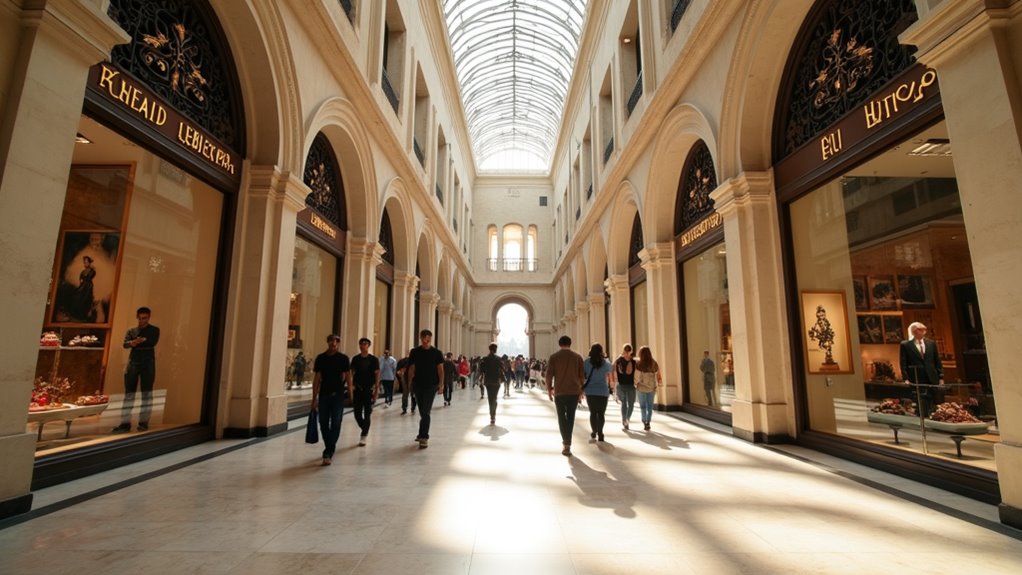
While the nearby mosques and cathedrals showcase Beirut’s spiritual harmony, a short walk through Martyr’s Square brings you to the rebuilt Beirut Souks—downtown’s main shopping district that’s risen from civil war ruins.
You’ll find a mix of open-air pedestrian streets and modern retail complexes, blending luxury brands with local shops, restaurants, and cafes.
The souks opened in 2009 after extensive reconstruction, combining contemporary design with preserved historic elements.
You can browse everything from high-end boutiques to traditional artisan shops, plus catch a movie at the cinema or grab a bite at various eateries.
Visit during weekday evenings for smaller crowds and a more relaxed atmosphere.
While it’s become quite upscale, you’ll still find budget-friendly dining options alongside the pricier establishments. The area represents part of Solidere’s broader transformation that prioritized erasing war traces to create a new commercial heart for the city.
Take a Day Trip to Jeita Grotto’s Underground Caves
Just 18 kilometers north of Beirut, Jeita Grotto offers one of the region’s most spectacular natural experiences without breaking your travel budget. You’ll explore two interconnected limestone caves that stretch 9 kilometers through the Nahr al-Kalb valley.
Take an electric boat through the lower galleries along an underground river, then walk through the upper chambers featuring the world’s largest known stalactite and formations reaching 120 meters high.
The caves operate as both geological marvel and practical water source, supplying fresh drinking water to over a million people. Plan this as an easy day trip from Beirut – you can combine it with nearby attractions.
This national symbol of Lebanon was even recognized as one of the top 14 finalists in the New 7 Wonders of Nature competition.
Book ahead since visitor numbers are regulated to protect the fragile cave ecosystem.
Stroll Along Zaitunay Bay Waterfront
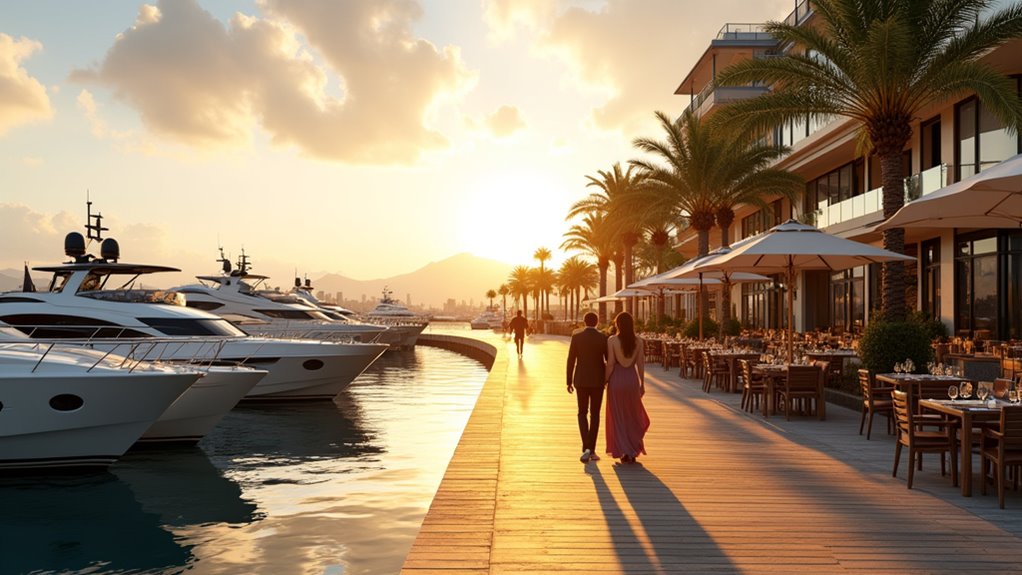
After exploring natural wonders outside the city, you’ll find Beirut’s urban coastline offers its own spectacular appeal at Zaitunay Bay. This premier waterfront destination stretches along the Mediterranean with wave-like platforms creating perfect photo spots. You can stroll the wide promenades for free while enjoying panoramic views of luxury yachts and Beirut’s skyline.
The bay transforms throughout the day – from a sunny coastal retreat to an illuminated nightlife scene. You’ll discover over 17 dining options ranging from casual cafes to upscale restaurants, many offering open-air seaside tables. If you’re feeling adventurous, water sports like kayaking and paddleboarding are available.
The pedestrian-friendly design makes it ideal for leisurely walks, especially during the spectacular sunset hours. The area gets its name from the olive trees that once lined these shores, connecting you to Lebanon’s ancient past while you enjoy modern amenities.
Discover Roman Bath Ruins in the City Center
Hidden beneath Beirut’s bustling downtown streets, you’ll find one of the city’s most remarkable free attractions – the ancient Roman Bath ruins discovered in 1968. Located between Banks Street and Capuchin Street near the Grand Serail, these 1st-century AD baths showcase impressive Roman engineering with their hypocaust heating system and marble-faced central pool.
You can explore the caldarium, tepidarium, and frigidarium rooms that once served Roman Berytus citizens. The site’s integrated into modern Beirut’s urban landscape, complete with gardens and a small amphitheater for events. The baths featured a natatio, a low pool in the frigidarium, faced with marble, exemplifying Roman bath architecture.
While signage is limited, the ruins sit conveniently near Mohammad Al Amin Mosque and the Parliament Building. It’s an educational glimpse into ancient luxury that perfectly complements your downtown exploration.
Experience Beirut’s Café Culture on Hamra Street
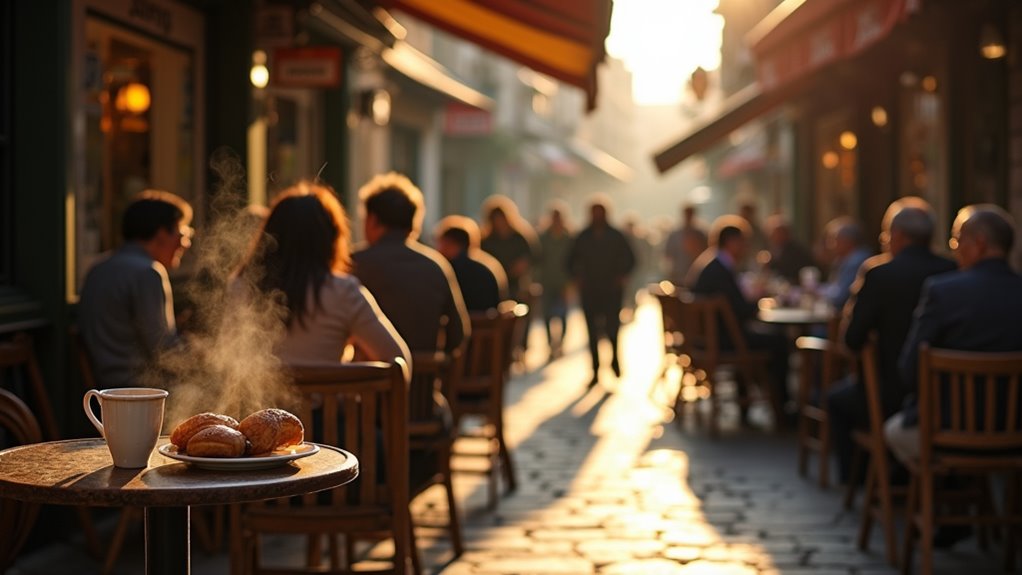
While international chains like Starbucks and Costa Coffee have claimed their spots along Hamra Street, you’ll discover the real magic happens at the legendary local cafés that’ve kept Beirut’s intellectual spirit alive since the 1960s.
Start at Café Younes, a family-run institution since 1935, where you’ll sip coffee surrounded by the same atmosphere that once attracted Arab intellectuals and artists.
Check out newer spots like Barzakh, which doubles as a café and library, reviving Hamra’s traditional cultural vibe.
These sidewalk cafés maintain their French-style charm while staying budget-friendly for locals and visitors alike. The street comes alive during the annual Hamra Streets Festival, celebrating Lebanon’s cultural and artistic diversity with various activities.
You’ll find yourself part of Beirut’s ongoing story of cultural resilience and community connection.
Pay Respects at Martyrs’ Square
From the vibrant conversations of Hamra Street’s cafés, make your way to Martyrs’ Square, where Lebanon’s most profound stories unfold in bronze and stone. This historic square honors nationalist leaders executed by Ottoman forces in 1916, marking a pivotal moment in Lebanese independence.
You’ll find Marino Mazzacurati’s striking bronze monument at the center—a 4-meter tribute to sacrifice and resilience inaugurated in 1960. The square’s witnessed everything from independence celebrations to civil war divisions to recent protests demanding government reform. During the Lebanese Civil War, the monument was heavily damaged but was deliberately restored with bullet scars intact, serving as a powerful reminder of the country’s turbulent past.
Take time to absorb the architectural mix surrounding you: Ottoman buildings, modern skyscrapers, and the nearby Mohammad Al-Amin Mosque alongside churches, showcasing Beirut’s religious diversity.
It’s free to visit, making it perfect for budget-conscious travelers seeking meaningful cultural experiences.
Check Out the Sursock Museum’s Art Collection
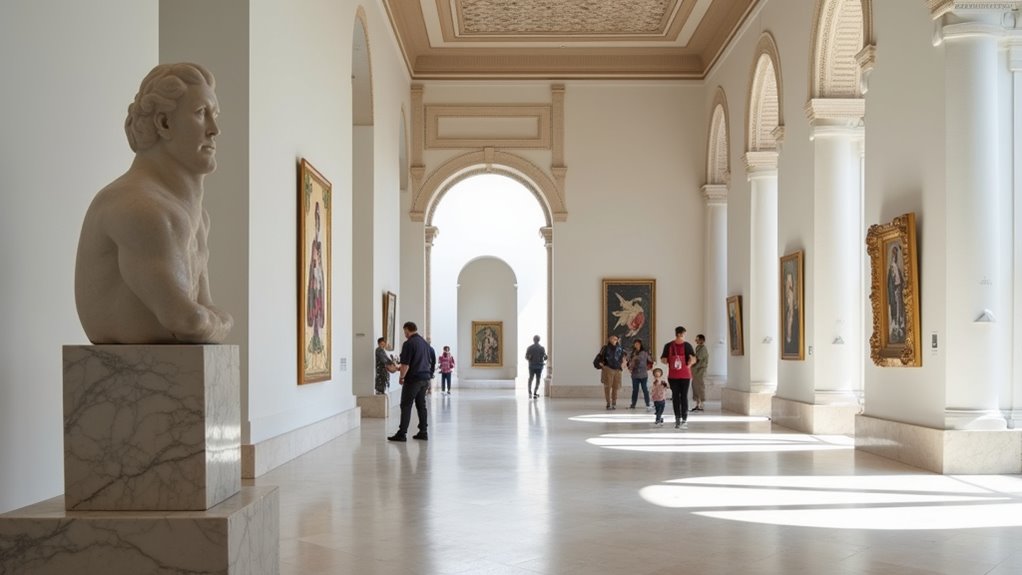
Step into the elegant 1912 villa housing the Sursock Museum, where over 800 artworks tell Lebanon’s cultural story through paintings, sculptures, and rare photographs. You’ll discover Lebanese modernist pioneers like Daoud Corm and Omar Onsi alongside contemporary multimedia pieces that showcase the country’s artistic evolution from the 1800s to early 2000s.
Don’t miss The Fouad Debbas Collection‘s 30,000 photographic images documenting Middle Eastern history from 1830-1960s. The museum’s annual Salon d’Automne has launched countless Lebanese artists since 1961, and you’ll see prize-winning works throughout the galleries.
The Italianate-Ottoman architecture creates an intimate setting that feels more like exploring a cultured friend’s home than a traditional museum. After sustaining damage in the 2020 Beirut explosion, the museum underwent extensive restoration and reopened in 2024, demonstrating the resilience of Lebanese cultural heritage. It’s an affordable cultural gem that captures Beirut’s cosmopolitan artistic spirit.
The Sum Up
You’ve got plenty to keep you busy in Beirut without breaking the bank. Most of these experiences won’t cost you much – walking through neighborhoods, admiring architecture, and soaking up the atmosphere are all free. Pack comfortable shoes since you’ll be doing lots of exploring on foot. Don’t forget your camera for those Pigeon Rocks shots, and leave room in your schedule for spontaneous discoveries around every corner.