
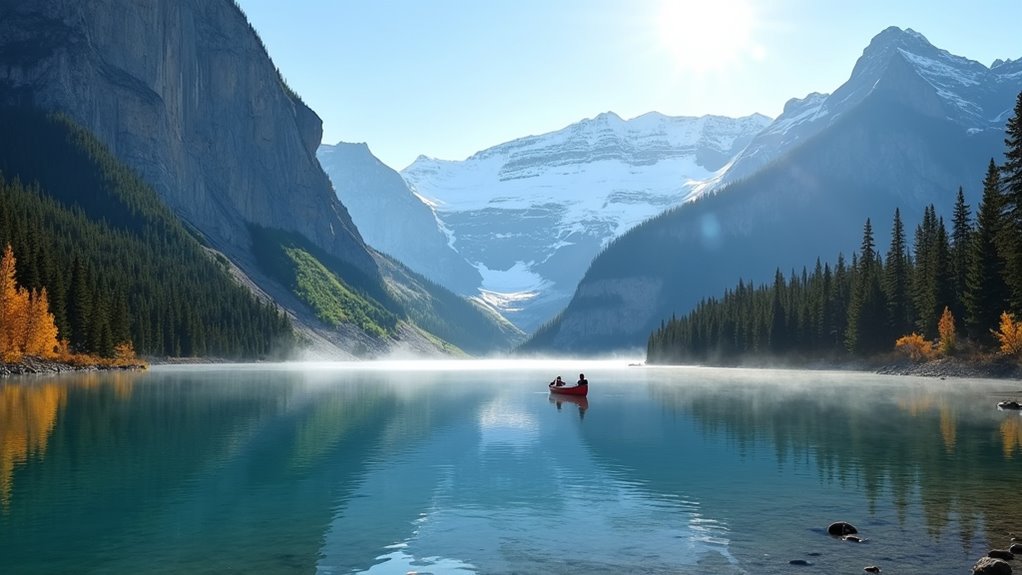
You can drive the stunning 232-km Icefields Parkway between Banff and Jasper, watch polar bears gather in Churchill during October-November, or explore Old Québec’s UNESCO-listed cobblestone streets. Take Whistler’s gondola for alpine views, stand behind Niagara Falls through bedrock tunnels, or chase northern lights in Yellowknife from mid-November to April. Visit Yoho’s fossil beds, go whale watching in Tadoussac, or explore Anne of Green Gables country on PEI for budget-friendly adventures that showcase Canada’s incredible diversity.
- Experience the Icefields Parkway Drive Between Banff and Jasper
- Watch Polar Bears in Churchill, Manitoba During October and November
- Explore Old Québec City’s Fortified Streets and Historic Architecture
- Take the Gondola Up Whistler Mountain for Year-Round Alpine Views
- Stand Behind Niagara Falls on the Journey Behind the Falls Tour
- Hunt for Icebergs Along Newfoundland’s Twillingate Coast in Late Spring
- Ride the Rocky Mountaineer Train Through the Canadian Rockies
- Discover Indigenous Culture at the Museum of Anthropology in Vancouver
- Walk Across the Capilano Suspension Bridge in North Vancouver’s Rainforest
- Drive Nova Scotia’s Cabot Trail Around Cape Breton Island
- See the Northern Lights From Yellowknife in the Northwest Territories
- Explore the Fossil Beds and Emerald Lake in Yoho National Park
- Take a Whale Watching Tour From Tadoussac, Quebec
- Visit Anne of Green Gables Country on Prince Edward Island
- The Sum Up
Experience the Icefields Parkway Drive Between Banff and Jasper
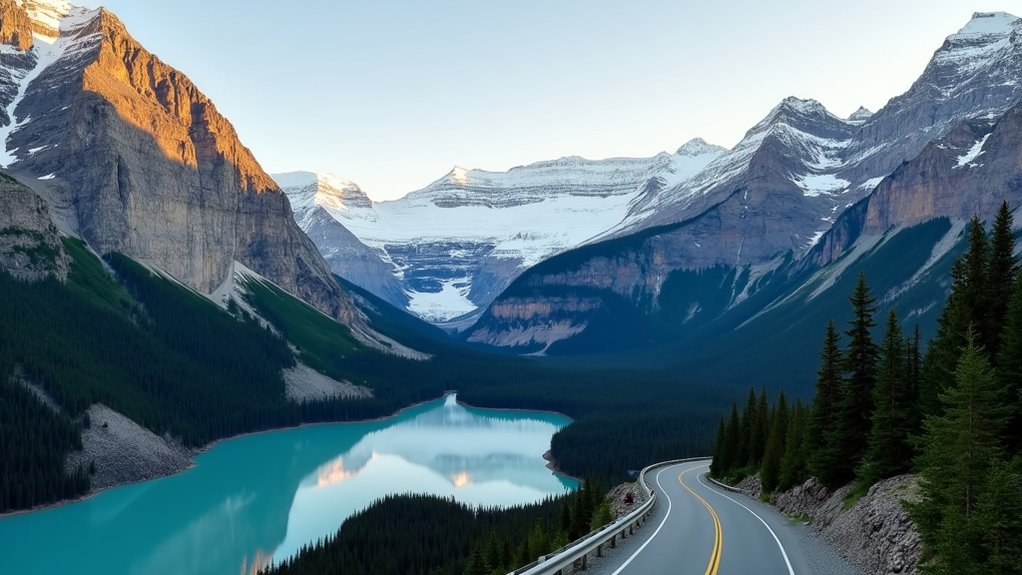
When you’re ready to tackle one of the world’s most spectacular drives, the Icefields Parkway between Banff and Jasper delivers 232 kilometers of jaw-dropping mountain scenery that’ll make you pull over every few minutes.
You’ll cruise past turquoise gems like Bow Lake and Peyto Lake, where glacial rock flour creates those Instagram-worthy colors. The Columbia Icefield offers roadside glacier views without expensive tours, though the 15-minute walk to Peyto Lake overlook is worth your time.
Budget a full day since you’ll want to stop at Mistaya Canyon and various waterfalls. The paved highway handles RVs fine, and camping along the route keeps costs down while extending your mountain adventure. Don’t forget to secure your National Park Pass before hitting the road, as it’s required for accessing the Icefields Parkway.
Watch Polar Bears in Churchill, Manitoba During October and November
You’ll need to book tundra vehicle tours through operators like Tundra Buggy Tours, which use specialized elevated vehicles for safe viewing.
These full-day excursions cost considerably less than remote lodge stays but deliver equally spectacular bear encounters.
Churchill’s unique position near the southern edge of polar bear habitat makes it the world’s most accessible spot for observing these magnificent predators in their natural environment. The bears gather along the coastline as they wait for Hudson Bay to freeze over, providing the ice platform they need for their winter seal hunts.
Explore Old Québec City’s Fortified Streets and Historic Architecture
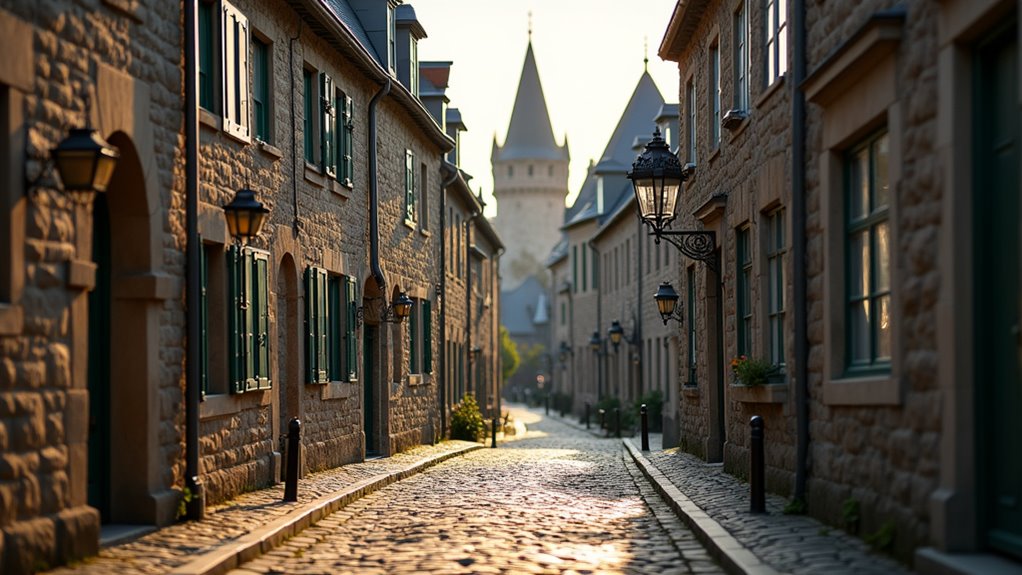
From witnessing Canada’s incredible wildlife, you can learn about centuries of living history by walking the cobblestone streets of Old Québec City. You’ll explore the only walled city north of Mexico, where 4.6 kilometers of ramparts still encircle Upper Town’s narrow stone streets and steep-roofed houses.
Start at the iconic gates like Porte Saint-Louis and Porte Saint-Jean, then wander through Upper Town’s religious and administrative buildings overlooking the St. Lawrence River. Don’t miss the star-shaped Citadel on Cap Diamant, built between 1819-1832, offering stunning views and military history.
Lower Town’s commercial streets showcase the port city’s evolution with original warehouses and merchant houses. The preservation of these fortifications is considered a remarkable miracle given their turbulent military history and the urban development pressures they’ve faced over centuries. This UNESCO World Heritage Site costs nothing to explore on foot, making it perfect for budget travelers seeking authentic French colonial architecture.
Take the Gondola Up Whistler Mountain for Year-Round Alpine Views
After exploring Quebec’s historic cobblestones, you can ascend 1,507 meters above sea level on Whistler’s world-renowned gondola system for breathtaking alpine views that’ll make your Instagram followers jealous.
The PEAK 2 PEAK Gondola creates a spectacular 4.4-kilometer journey between Whistler and Blackcomb mountains, offering access to 16 alpine bowls and three glaciers. This engineering marvel soars 436 meters above the ground, making it one of the world’s most impressive lift systems.
You’ll save money by booking online seven days ahead—adult tickets drop from $157 to $152.
The 22-minute round trip operates year-round, connecting you to summer hiking trails from May through October and world-class skiing from November through April.
Your single ticket includes access to all three gondolas, creating a 13.5-kilometer loop with panoramic mountain vistas.
Stand Behind Niagara Falls on the Journey Behind the Falls Tour
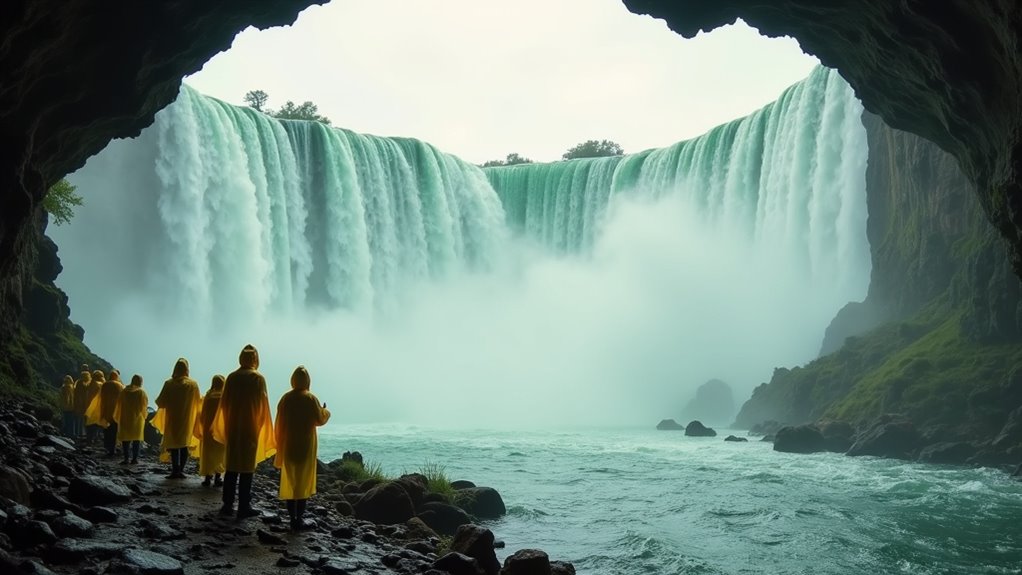
Where else can you walk through tunnels carved into bedrock and stand directly behind one of the world’s most powerful waterfalls? Journey Behind the Falls takes you 125 feet underground through elevators, leading to tunnels that extend 151 feet behind Niagara’s thundering Horseshoe Falls.
You’ll experience the raw power of 2,800 cubic metres of water crashing down every second at 65 km/h. The tunnels lead to the Cataract Portal and Great Falls Portal, offering unique vantage points from behind the Falls.
The self-guided tour includes two outdoor observation decks and portal openings directly behind the cascade. Expect to get soaked from the intense mist—complimentary rain ponchos are provided during warmer months.
Plan 30-60 minutes for your visit at Table Rock Centre. Winter visits offer reduced rates when lower decks close due to ice conditions, making it a year-round budget-friendly adventure.
Hunt for Icebergs Along Newfoundland’s Twillingate Coast in Late Spring
Every spring, thousands of ancient icebergs break away from Greenland’s glaciers and drift south along Newfoundland’s coast, creating one of nature’s most spectacular free shows. Twillingate, known as the “Iceberg Capital of the World,” offers your best bet for spotting these massive ice sculptures from late May through mid-July, with peak viewing in mid-to-late June.
You’ll catch stunning views from Long Point Lighthouse or coastal trails without spending a dime. For closer encounters, boat tours operate from mid-May to mid-July through operators like Iceberg Man Tours. These tours often combine iceberg viewing with whale watching and puffin spotting for a complete maritime wildlife experience.
These ancient giants retain interior temperatures of -15 to -20°C and can appear suddenly in coves around Twillingate’s headlands. Remember to keep safe distances—icebergs are unpredictable and can roll or split without warning.
Ride the Rocky Mountaineer Train Through the Canadian Rockies
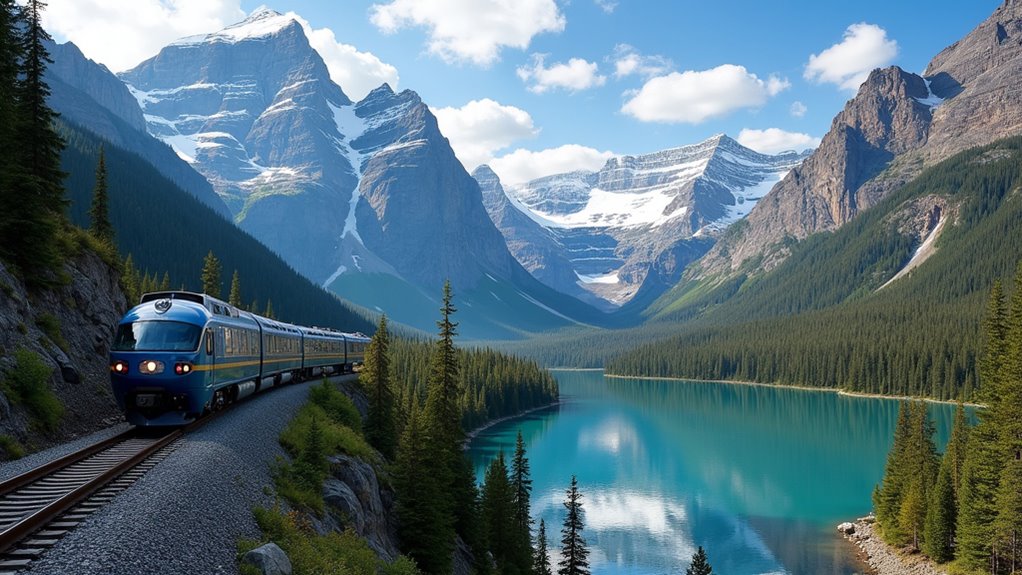
Few train journeys rival the Rocky Mountaineer’s spectacular passage through Canada’s most dramatic mountain landscapes. You’ll travel daylight-only through glacial lakes, evergreen forests, and high alpine peaks in Banff, Jasper, and Yoho National Parks.
Choose from four core routes, with First Passage to the West being the most popular, connecting Vancouver to Banff via the historic Canadian Pacific Railway corridor.
Two service levels are available: budget-friendly SilverLeaf offers single-level coaches with oversized windows, while GoldLeaf features bi-level domed cars with panoramic views. Both include gourmet meals, beverages, and storytelling hosts.
Standard trips span two rail days with an overnight hotel stay in Kamloops. You’ll overnight in hotels rather than sleeper cars, and checked bags are delivered directly to your accommodations. The journey crosses the Continental Divide and passes through remarkable engineering feats including the famous Spiral Tunnels.
Discover Indigenous Culture at the Museum of Anthropology in Vancouver
After experiencing Canada’s natural wonders by rail, you’ll want to explore the rich Indigenous heritage that has shaped this land for thousands of years. The Museum of Anthropology at UBC houses one of Canada’s most important Northwest Coast First Nations art collections, featuring towering 36-foot totem poles, ceremonial masks, and contemporary works by artists like Bill Reid and Robert Davidson.
Don’t miss the Great Hall’s monumental carvings depicting ravens, bears, and supernatural beings from coastal nations. The museum’s architectural design by Arthur Erickson draws inspiration from traditional Northwest Coast structures, creating an authentic setting for these powerful cultural displays. The museum confronts colonial history through powerful exhibitions like Lawrence Paul Yuxweluptun’s bullet-riddled Indian Act artwork.
You’ll learn to “read” traditional symbols while discovering how Indigenous communities maintained their presence during decades of cultural suppression. It’s an essential stop for understanding Canada’s true cultural foundation.
Walk Across the Capilano Suspension Bridge in North Vancouver’s Rainforest
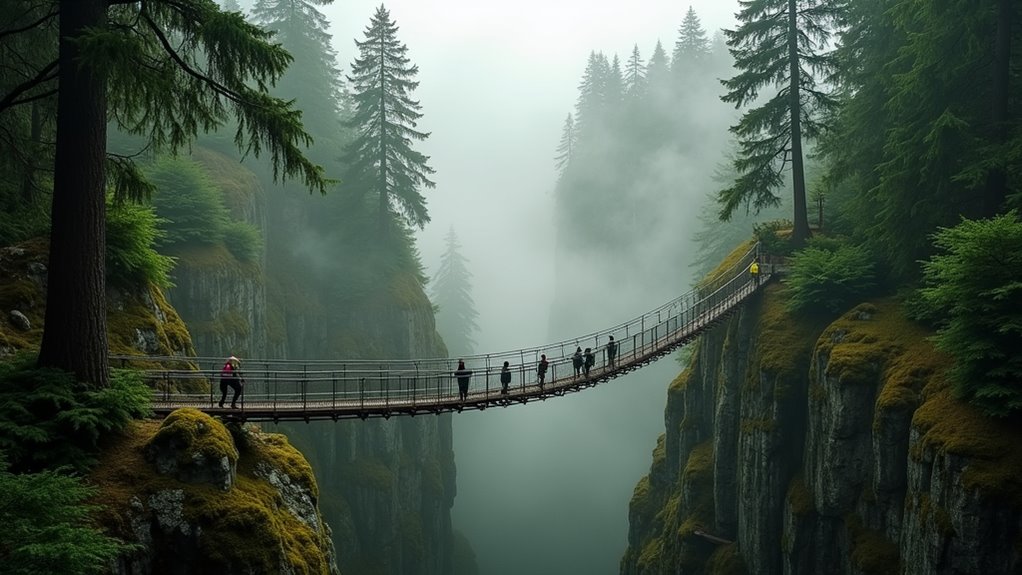
Nothing quite matches the adrenaline rush of walking 450 feet across a swaying suspension bridge while towering Douglas firs stretch endlessly below your feet. The Capilano Suspension Bridge dangles 230 feet above North Vancouver’s rainforest canyon, offering breathtaking views that’ll make your heart race.
Built in 1889 and strengthened with steel cables, this iconic bridge welcomes 1.2 million visitors annually. Don’t worry about safety—it’s engineered to hold 75 elephants.
Beyond the main crossing, you’ll explore the Treetops Adventure’s seven smaller bridges and the cliff-hugging Cliffwalk with its glass-bottom sections. The Treetops Adventure walkway soars up to 30 meters above the forest floor, creating an immersive canopy experience.
Visit during winter’s Canyon Lights event when hundreds of thousands of lights transform the forest into a magical wonderland. The park blends Indigenous culture, natural history, and pure adventure into one unforgettable experience.
Drive Nova Scotia’s Cabot Trail Around Cape Breton Island
Winding 298 kilometers around Cape Breton Island’s northern tip, the Cabot Trail ranks among Canada’s most spectacular drives. You’ll navigate through Cape Breton Highlands National Park, where dramatic ocean cliffs and steep mountain passes create breathtaking vistas along both the Gulf of St. Lawrence and Atlantic coastlines.
Plan 3-5 days to fully appreciate the experience, though you can complete the loop in one rushed day. Start from Baddeck and drive counterclockwise to position sunset viewpoints on your ocean side.
Stop in coastal communities like Cheticamp and Pleasant Bay for affordable seafood and cultural stops reflecting Acadian and Celtic heritage. Don’t miss the Middle Head trail, an easy 2.4-mile hike along a narrow peninsula with spectacular cliffs overlooking the Atlantic Ocean.
The paved road’s twisty sections demand cautious driving, but numerous pullouts let you safely capture photos of this UNESCO-worthy landscape.
See the Northern Lights From Yellowknife in the Northwest Territories
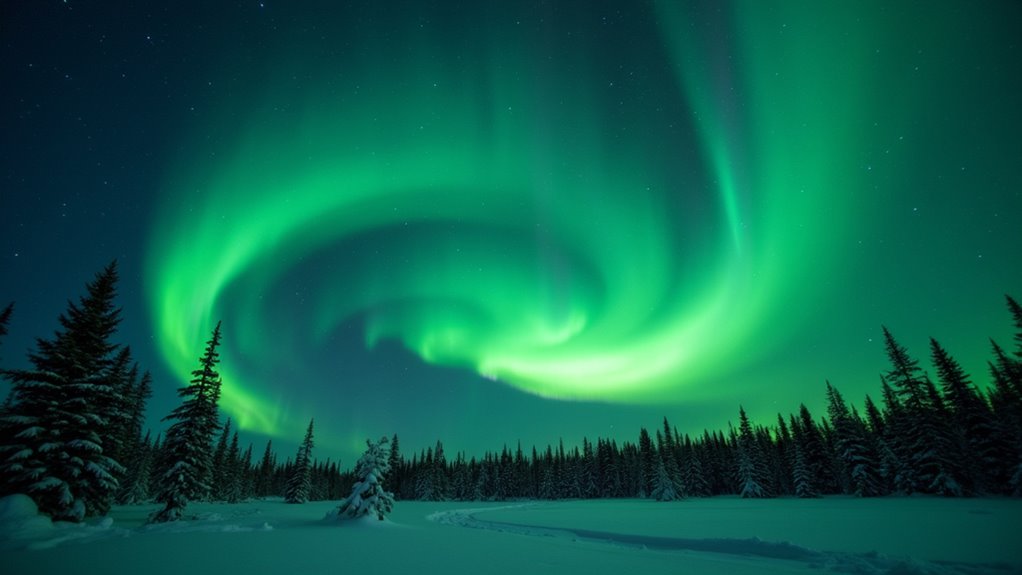
Few places on Earth offer better Northern Lights viewing than Yellowknife, where you’ll find yourself positioned directly beneath the Auroral Oval with up to 240 active aurora nights per year.
Plan your visit between mid-November and early April for prime season, though September offers the best combination of strong aurora activity and comfortable temperatures reaching 24°C during the day.
Head out between 10 p.m. and 2 a.m. for ideal viewing, with midnight providing the darkest skies.
The 70-kilometer Ingraham Trail offers numerous free viewing spots, making aurora hunting budget-friendly.
Book a three-night stay for a 95-percent chance of seeing the lights at least once.
Winter brings extreme cold below -32°C, so pack appropriate gear for this unforgettable experience. For photographers, capture the aurora with a 5-second exposure using a tripod and ISO settings around 1600 for stunning results.
Explore the Fossil Beds and Emerald Lake in Yoho National Park
Two extraordinary attractions await you in British Columbia’s Yoho National Park: the world-renowned Burgess Shale fossil beds and the stunning Emerald Lake.
The Burgess Shale preserves 508-million-year-old marine life from the Cambrian Explosion, including rare soft tissues like eyes and organs. You’ll need to join guided hikes through Parks Canada—the challenging Walcott Quarry trek (24 km, 11 hours) or the more manageable Mount Stephen Trilobite Beds hike (8 km, 7-8 hours). Both operate during summer with expert guides. This site sits within the traditional territories of the Ktunaxa and Secwepemc First Nations.
Emerald Lake offers easier adventures with its vivid turquoise waters created by glacial rock flour. You can walk the flat 5.2-km loop trail, rent canoes in summer, or snowshoe in winter. The lake’s accessible location near Field provides parking and facilities, making it perfect for budget-friendly day trips.
Take a Whale Watching Tour From Tadoussac, Quebec
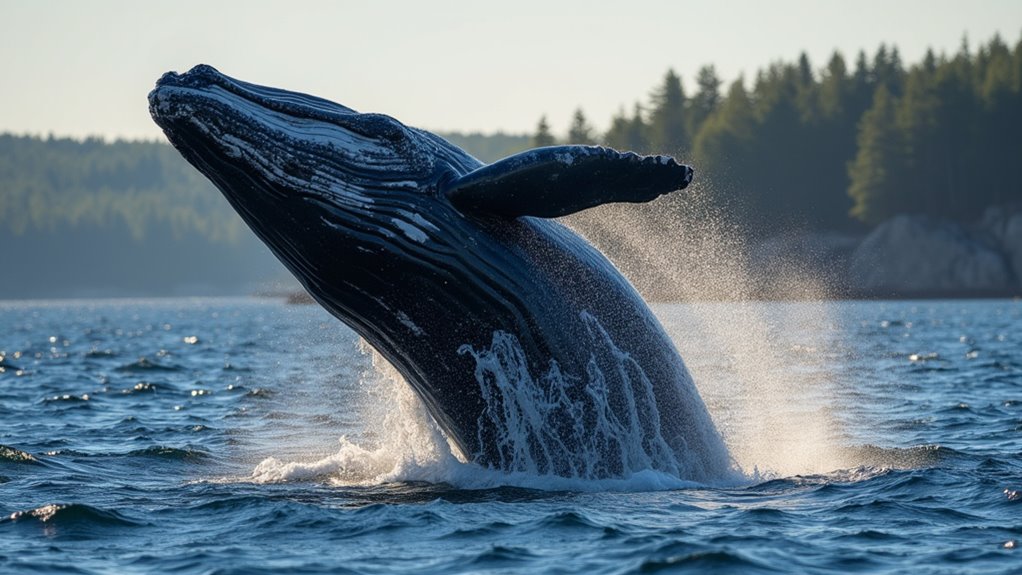
Thirteen species of whales call the waters around Tadoussac home, making this charming Quebec village one of the world’s premier whale-watching destinations.
You’ll find yourself at the confluence of the Saguenay Fjord and St. Lawrence Estuary, where nutrient-rich waters create perfect feeding grounds for blue, fin, humpback, minke, and beluga whales.
Choose between large observation boats for comfort and stability, or zippy Zodiacs for a closer water-level experience. Most tours last 2.5-3.5 hours, with operators boasting 99% sighting success rates. Many operators provide a whale guarantee policy, inviting guests back for another cruise at no charge if no whales are spotted.
Visit between May and October, though July through early fall offers peak activity as whales intensively feed before migration.
Pack warm layers and closed shoes—it’s surprisingly cold and windy on the water, even during summer months.
Visit Anne of Green Gables Country on Prince Edward Island
Step into the pages of Lucy Maud Montgomery’s beloved novels on Prince Edward Island, where Anne Shirley’s fictional world comes alive across rolling farmland, red-sand beaches, and heritage sites.
Start at Green Gables Heritage Place in Cavendish, where you’ll explore the restored farmhouse that inspired the setting, complete with Marilla’s kitchen and Anne’s bedroom. Walk the famous Lover’s Lane and Haunted Wood Trail for free after paying park admission.
Head to the Anne of Green Gables Museum at Park Corner to see Montgomery’s personal artifacts and the original “Lake of Shining Waters.”
In Charlottetown, catch Anne of Green Gables—The Musical at Confederation Centre of the Arts. The story follows 11-year-old orphan Anne Shirley, who was mistakenly sent to live with the Cuthberts in this charming island setting.
Budget tip: many outdoor walking trails and interpretive sites offer affordable ways to experience Anne’s world.
The Sum Up
You’ve got incredible adventures waiting across Canada, from budget-friendly road trips along the Icefields Parkway to free northern lights viewing in Yellowknife. Don’t let costs stop you – camp in national parks, visit during shoulder seasons, and pack your own meals. Whether you’re chasing polar bears or exploring historic Quebec’s cobblestones, Canada delivers unforgettable experiences without breaking the bank. Start planning now and you’ll discover why this country’s natural wonders are worth every penny.