
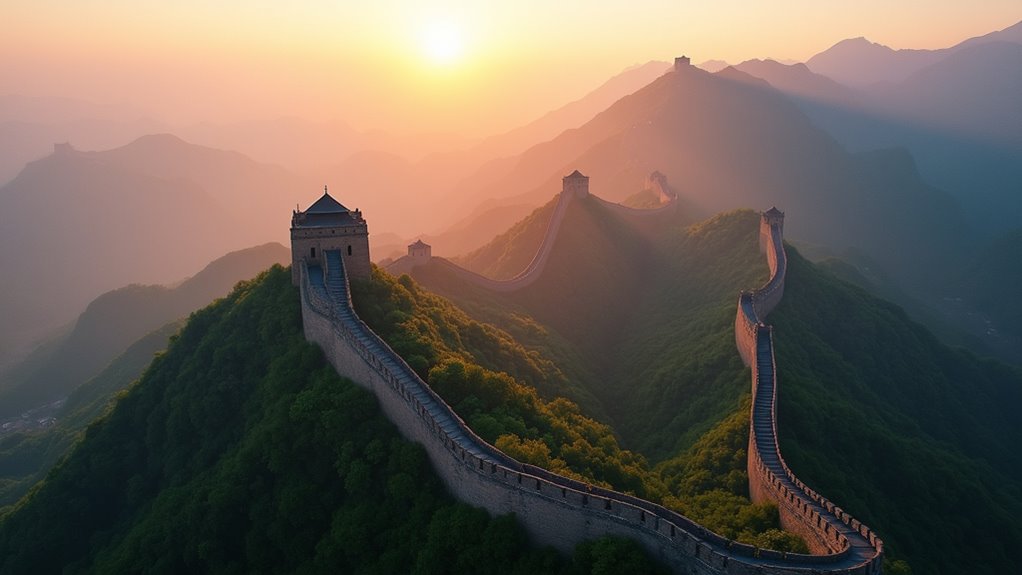
China offers travelers an incredible mix of ancient wonders and modern marvels, but smart visitors know timing and location make all the difference. From avoiding the crushing crowds at the Great Wall’s most popular sections to discovering hidden gems in centuries-old water towns, there’s a strategic way to experience the country’s highlights without breaking the bank or battling tourist hordes. The key lies in knowing exactly when and where to go for each must-see destination.
- Explore the Forbidden City Before the Crowds Hit
- Walk the Great Wall at Mutianyu Instead of Tourist-Packed Badaling
- Stand Face-To-Face With Xi’an’s Terracotta Warriors
- Take an Early Morning Stroll Through Beijing’s Temple of Heaven Park
- Ride the Glass Elevator Up Zhangjiajie’s Avatar Mountains
- Watch Sunrise From Huangshan’s Lion Peak
- Boat Across West Lake in Hangzhou Like a Local
- Hold a Giant Panda Cub in Chengdu
- Walk Shanghai’s Bund at Golden Hour
- Cycle Xi’an’s Ancient City Wall at Sunset
- Get Lost in Pingyao’s Ming Dynasty Streets
- Take the Slow Boat Through Lijiang’s Karst Landscapes
- Explore Suzhou’s Private Gardens by Morning
- Cruise the Yangtze River Through Three Gorges
- Wander Through Shanghai’s Tree-Lined Former French Concession
Explore the Forbidden City Before the Crowds Hit
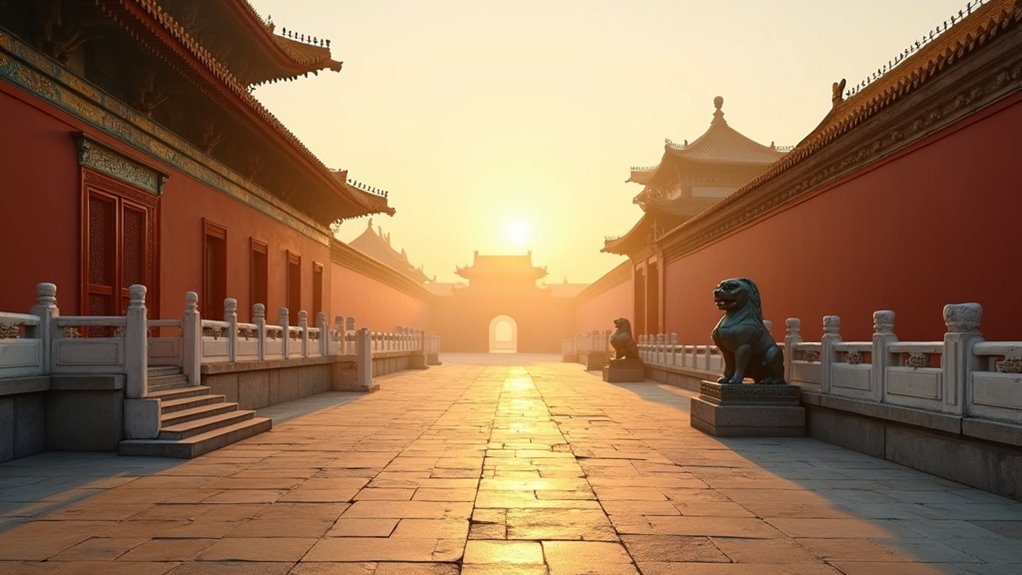
Since the Palace Museum opens at 8:30 AM and receives 15 million visitors annually, arriving early means the difference between peaceful exploration and maneuvering shoulder-to-shoulder crowds. Smart travelers grab tickets online beforehand—they’re required and often sell out during peak seasons.
The first hour offers golden photo opportunities without tour groups blocking iconic courtyards. Visitors can actually hear their footsteps echoing through the Hall of Supreme Harmony instead of competing with chatter from thousands of travelers.
Budget tip: entry costs around $9, making it Beijing’s best cultural bargain. The audio guide adds context without breaking the bank.
Focus on the main axis first—Meridian Gate, Outer Court, and Inner Palace—before crowds flood these must-see areas. Early birds experience China’s imperial history authentically.
Walk the Great Wall at Mutianyu Instead of Tourist-Packed Badaling
Most travelers make the mistake of heading to Badaling, where over 300 international heads of state have visited, but savvy visitors choose Mutianyu for a reason—it’s equally spectacular without the elbow-to-elbow crowds.
Mutianyu offers the same breathtaking wall experience with restored watchtowers and dramatic mountain views, but you’ll actually enjoy taking photos without strangers in every shot. The section’s well-maintained yet feels more authentic than its overcrowded counterpart.
Cable cars make the ascent easier on your wallet and legs, though hiking up rewards you with better views and bragging rights.
Visit early morning or late afternoon for golden light and fewer tour buses. The two-hour drive from Beijing feels worth it when you’re walking one of humanity’s greatest achievements in peaceful solitude instead of fighting selfie-stick wielding crowds.
Stand Face-To-Face With Xi’an’s Terracotta Warriors
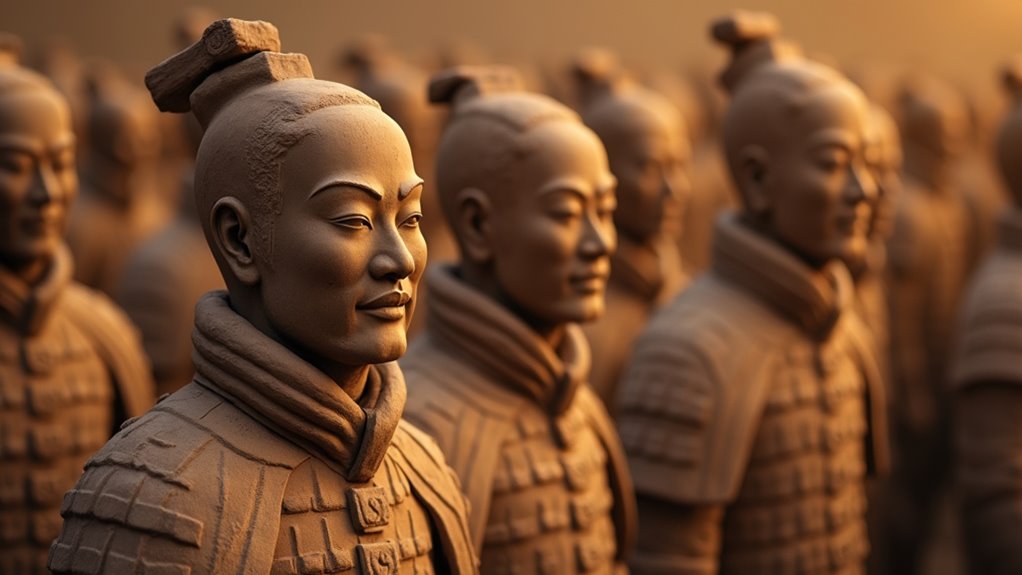
Eight thousand life-sized warriors stand in battle formation beneath Xi’an’s earth, each face carved with unique features that’ll make you question everything you thought you knew about ancient craftsmanship.
This archaeological marvel draws 8 million visitors annually, but smart travelers arrive early to beat the crowds. The main exhibition halls showcase different military ranks, from foot soldiers to cavalry, each positioned exactly where they fell over 2,000 years ago.
Budget tip: combine your visit with Xi’an’s Ancient City Wall for a discounted package deal. The museum’s audio guide costs extra, but it’s worth every yuan for the fascinating backstories.
Don’t rush through – archaeologists are still actively excavating new sections. You’re witnessing history being uncovered in real-time, making this experience utterly irreplaceable for any China itinerary.
Take an Early Morning Stroll Through Beijing’s Temple of Heaven Park
Before dawn breaks over Beijing, hundreds of locals gather in Temple of Heaven Park for tai chi, traditional dancing, and morning exercises that’ll give travelers an authentic glimpse into daily Chinese life.
This UNESCO World Heritage Site serves as Beijing’s most significant religious monument from China’s imperial era, where emperors once prayed for good harvests.
Visitors can explore the iconic Hall of Prayer for Good Harvests with its stunning blue-tiled roof and intricate wooden architecture built without nails.
The park’s expansive grounds offer peaceful walking paths through ancient cypress trees, some over 600 years old.
Entry costs just 35 yuan during peak season, making it budget-friendly.
Arrive by 6 AM to witness the morning rituals and avoid crowds while experiencing this remarkable blend of history and living culture.
Ride the Glass Elevator Up Zhangjiajie’s Avatar Mountains
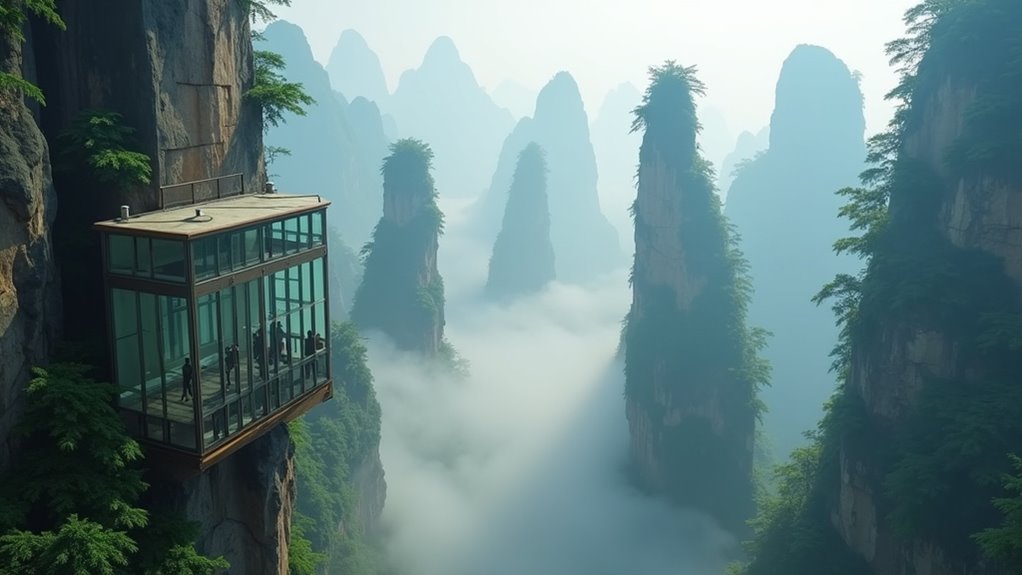
While towering sandstone pillars pierce the mist like something from another world, visitors to Zhangjiajie National Forest Park can experience China’s most dramatic landscape via the world’s tallest outdoor glass elevator. The Bailong Elevator rockets travelers 1,070 feet up the cliff face in under two minutes, delivering breathtaking views of the quartzite formations that inspired Avatar’s floating mountains.
Budget-conscious travelers should arrive early to avoid crowds and lengthy queues that can stretch hours during peak season. The elevator costs around 72 yuan ($10) and operates year-round, though foggy conditions can temporarily suspend service.
Once at the top, visitors can explore hiking trails and viewing platforms that showcase the UNESCO World Heritage Site‘s ecological diversity without requiring expensive guided tours.
Watch Sunrise From Huangshan’s Lion Peak
As dawn breaks over Huangshan’s legendary peaks, determined hikers position themselves atop Lion Peak to witness one of China’s most spectacular sunrises. The pre-dawn trek requires leaving accommodations around 4:30 AM, but the reward justifies the early start.
Lion Peak offers unobstructed views as golden light gradually illuminates the sea of clouds below and surrounding granite formations.
Budget travelers can save money by staying overnight at mountain guesthouses rather than expensive summit hotels. Pack warm layers since temperatures drop markedly at elevation, even during summer months.
The sunrise viewing experience lasts roughly 30 minutes, creating perfect photo opportunities of Huangshan’s otherworldly landscape.
Most visitors combine this sunrise adventure with exploring other peaks throughout the day, maximizing their mountain experience while minimizing accommodation costs.
Boat Across West Lake in Hangzhou Like a Local
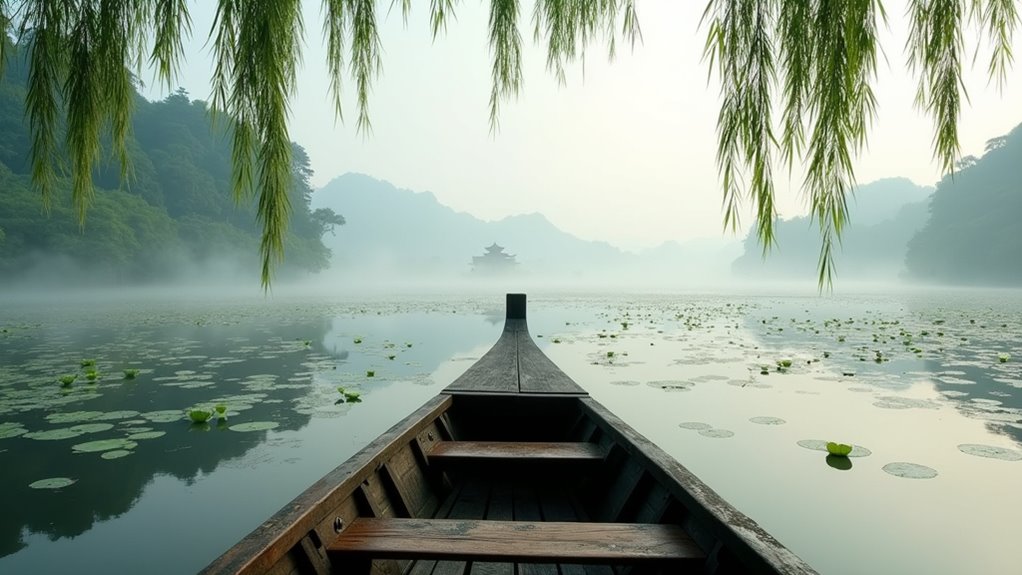
Three distinct boat options await visitors exploring West Lake’s tranquil waters, but locals consistently choose the traditional hand-rowed wooden boats over tourist-packed ferry cruises. These intimate vessels accommodate 2-6 passengers and cost roughly 80-120 yuan per hour, markedly cheaper than organized tours charging 200+ yuan per person.
Local boatmen navigate hidden coves and lesser-known temples that large ferries can’t access. They’ll share stories about the lake’s legends while rowing past ancient pagodas and willow-lined shores.
Early morning departures between 7-9 AM offer the best experience – fewer crowds, misty mountain reflections, and cooler temperatures.
Negotiate prices directly with boatmen near Broken Bridge or Su Causeway. Bring snacks and water since these authentic wooden boats don’t include refreshments like commercial tours.
Hold a Giant Panda Cub in Chengdu
Although holding giant panda cubs represents China’s most coveted wildlife experience, visitors must navigate strict regulations and hefty fees at Chengdu’s research facilities. The Chengdu Giant Panda Breeding and Research Center offers limited cub-holding opportunities through their volunteer program, which costs around $130 per person for a full day. Participants spend most time cleaning enclosures and preparing bamboo meals before their brief photo opportunity.
Budget-conscious travelers can skip the expensive holding experience and enjoy watching pandas play, eat, and nap throughout the facility’s spacious habitats. Morning visits between 9-11 AM offer the most active panda behavior when they’re feeding.
The research center houses over 80 giant pandas and provides educational exhibits explaining conservation efforts. Regular admission costs just $10, making it accessible for most budgets.
Walk Shanghai’s Bund at Golden Hour
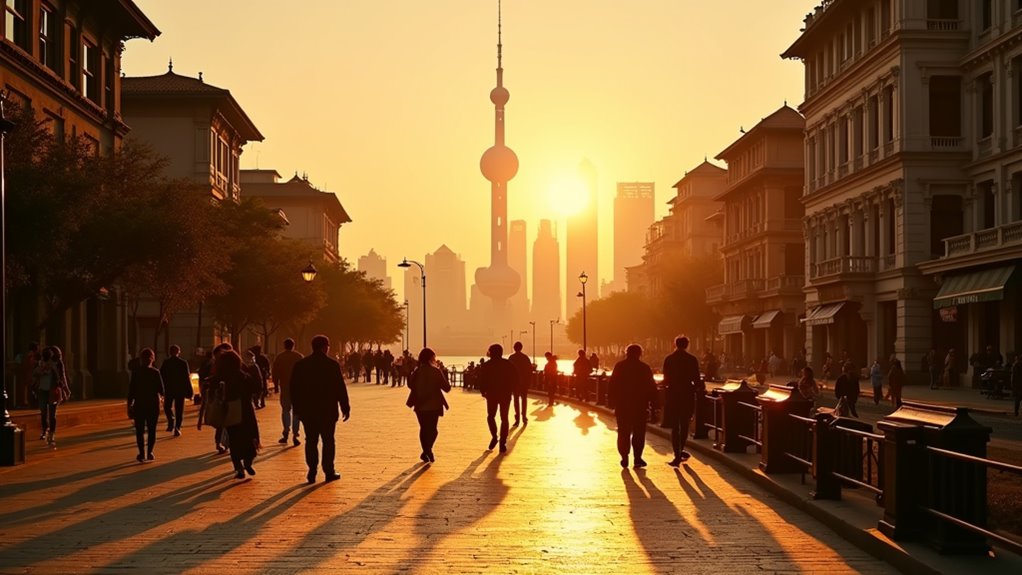
When the sun begins its descent over Shanghai’s skyline, the Bund transforms into one of China’s most spectacular free attractions. This historic waterfront promenade offers unparalleled views of Pudong’s futuristic towers reflecting golden light across the Huangpu River. Walking the mile-long stretch costs nothing but delivers million-dollar photo opportunities.
The best vantage points stretch between the Peace Hotel and Shiliupu Wharf. Arrive thirty minutes before sunset to secure prime viewing spots, as crowds gather quickly. The contrast between colonial-era buildings behind you and gleaming skyscrapers ahead creates China’s most iconic urban panorama.
Street vendors sell snacks along the route, though prices reflect the tourist location. For budget-conscious travelers, grab dinner elsewhere and focus on capturing the spectacular light show as day transitions to night over China’s financial capital.
Cycle Xi’an’s Ancient City Wall at Sunset
As evening light bathes Xi’an’s ancient stones in warm amber hues, cycling the city’s magnificent 14th-century wall becomes an unforgettable journey through Chinese history. This remarkably preserved fortification stretches 8.5 miles around the city center, offering cyclists panoramic views of both historic districts and modern Xi’an’s skyline.
Bike rentals cost just 45 yuan for two hours, making this adventure budget-friendly. The flat, paved path accommodates all fitness levels, though completing the entire circuit takes about 90 minutes. Gates close at sunset, so visitors should start their ride by 5 PM during winter months.
The wall provides unique perspectives of traditional courtyard houses, bustling street markets, and distant pagodas. Evening timing guarantees cooler temperatures and dramatic lighting that transforms ordinary sightseeing into magical exploration of China’s ancient capital.
Get Lost in Pingyao’s Ming Dynasty Streets
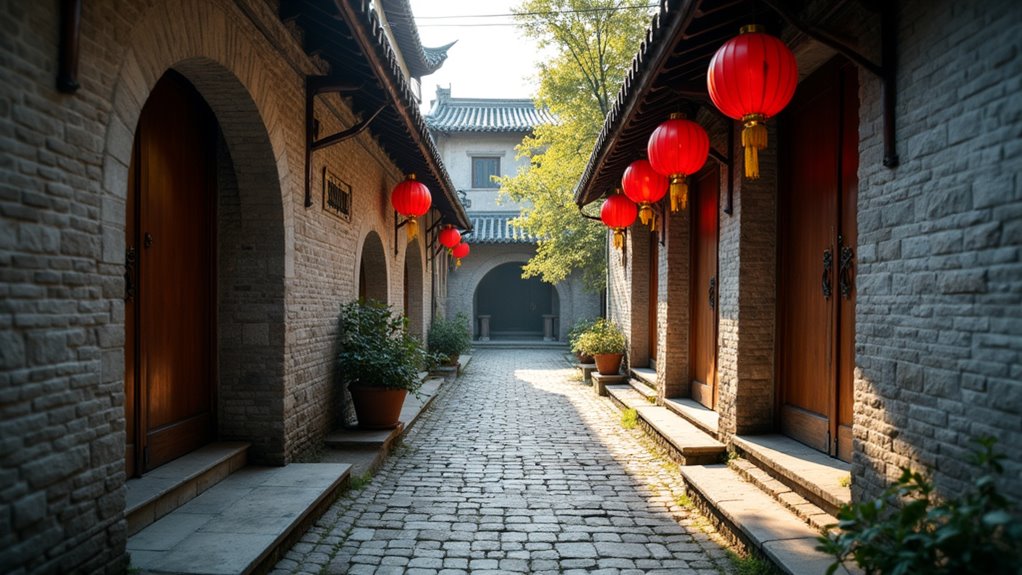
While Xi’an showcases China’s imperial grandeur through its massive fortifications, Pingyao offers travelers an intimate glimpse into everyday life during the Ming and Qing dynasties. This remarkably preserved ancient city lets visitors wander cobblestone streets lined with traditional courtyard homes, historic banks, and family-run shops that’ve operated for generations.
Budget-conscious travelers can explore Pingyao’s compact old town on foot for just the entrance fee. Don’t miss the Rishengchang Exchange Shop, China’s first bank, or climb the ancient city wall for panoramic views.
Local guesthouses inside traditional courtyards cost a fraction of modern hotels while providing authentic culture. The city’s narrow alleyways reveal hidden temples, local markets, and artisan workshops where craftsmen still practice centuries-old techniques, making Pingyao feel like stepping directly into China’s past.
Take the Slow Boat Through Lijiang’s Karst Landscapes
Twenty miles of dreamlike karst peaks and emerald waters make the Li River cruise from Guilin to Yangshuo one of China’s most iconic experiences. Bamboo rafts offer the most authentic journey, drifting slowly past limestone towers that’ve inspired Chinese painters for centuries.
The four-hour trip costs around 200-300 yuan and includes stops at fishing villages where cormorant fishermen still practice traditional methods.
Budget travelers can skip pricier tourist boats and book directly with local operators in Guilin. Pack snacks and water since onboard refreshments are overpriced.
The scenery’s so spectacular it appears on China’s 20-yuan banknote. Early morning departures provide better lighting for photos and fewer crowds.
Once in Yangshuo, rent bikes to explore the countryside or catch rock climbing lessons on the same karst formations you just cruised past.
Explore Suzhou’s Private Gardens by Morning
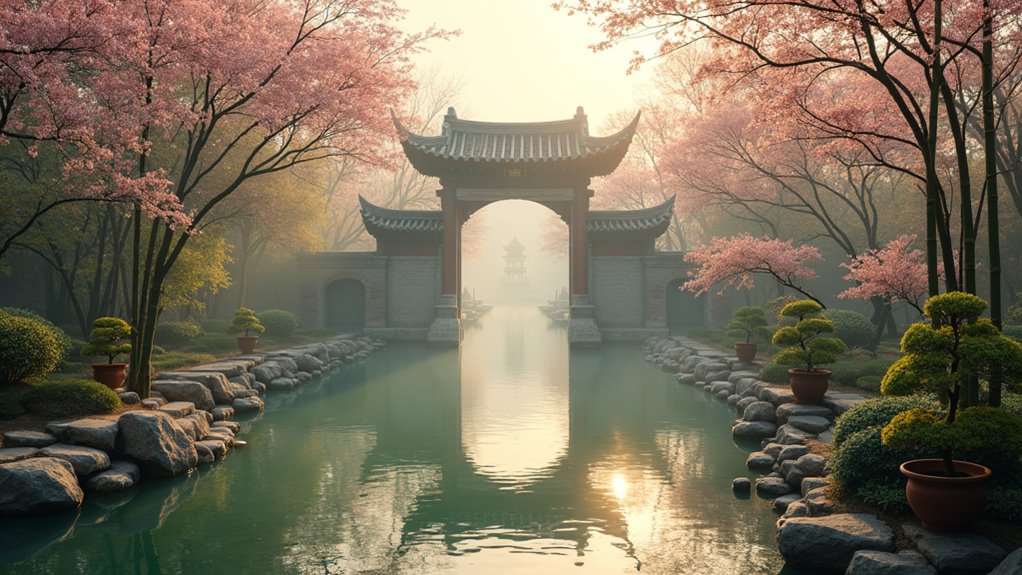
From rushing rivers to serene courtyards, China’s landscape diversity continues in Suzhou’s meticulously designed private gardens. These UNESCO World Heritage Sites showcase classical Chinese garden artistry through intimate spaces featuring pavilions, rock formations, and reflecting pools.
Morning visits offer the best experience before tour groups arrive. The Humble Administrator’s Garden, largest and most famous, costs 70 yuan during peak season. Master of Nets Garden provides intimate charm in a compact setting for 40 yuan. Lingering Garden displays architectural variety across its four themed sections.
Purchase combination tickets for savings when visiting multiple gardens. Early arrivals around 7:30 AM capture peaceful atmospheres and prime lighting for photography. Each garden tells stories of wealthy merchants and scholars who created these private retreats centuries ago.
Cruise the Yangtze River Through Three Gorges
China’s mightiest river carries travelers through dramatic landscapes where ancient legends meet modern engineering marvels. The Yangtze River cruise from Chongqing offers incredible value, with budget options starting around $200 for three-day journeys through the famous Three Gorges.
Travelers witness towering limestone cliffs, ancient temples perched on mountainsides, and the impressive Three Gorges Dam – the world’s largest hydroelectric project. The cruise passes through Qutang, Wu, and Xiling gorges, each offering distinct scenery and cultural sites.
Most ships include meals and guided shore excursions to riverside towns like Fengdu and Shibaozhai Pagoda. Spring and autumn provide the best weather and visibility.
Book domestic cruise lines for significant savings over international operators while still enjoying comfortable accommodations and authentic regional cuisine throughout the journey.
Wander Through Shanghai’s Tree-Lined Former French Concession
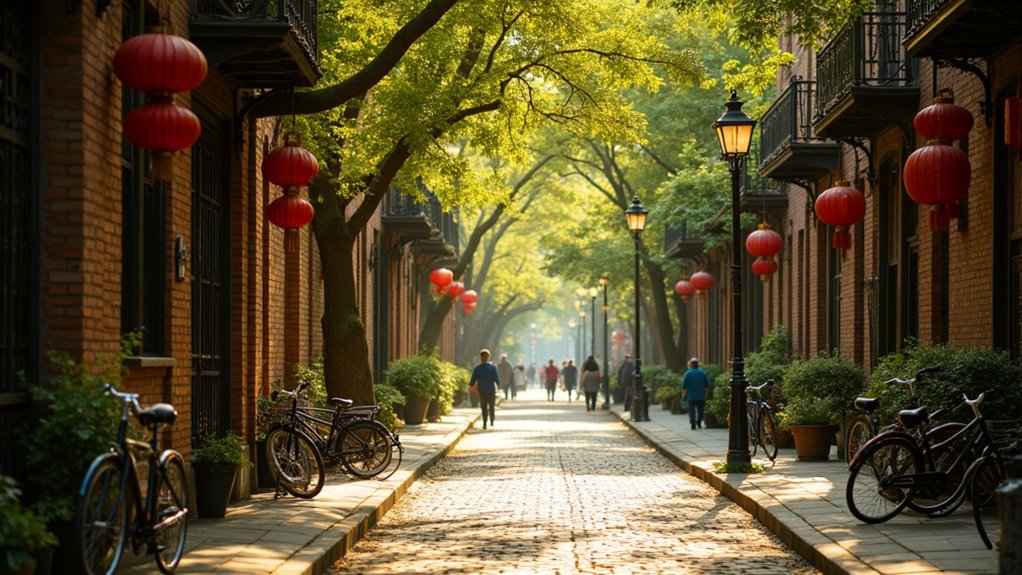
Tree-lined boulevards and Art Deco architecture transport visitors back to 1920s Shanghai in the Former French Concession, where colonial history blends seamlessly with modern café culture. This atmospheric neighborhood showcases European influences within Chinese urban development, creating a unique walking experience that costs nothing but time.
Visitors can stroll along tree-shaded streets like Huaihai Road and Fuxing Road, discovering boutique shops, trendy restaurants, and historic buildings. The area’s intimate scale makes it perfect for self-guided exploration, with plenty of budget-friendly local eateries tucked between upscale establishments.
Street photography opportunities abound among the preserved colonial architecture, while leafy parks provide peaceful respites. The Former French Concession demonstrates Shanghai’s multicultural heritage, offering an authentic glimpse into the city’s fascinating past without requiring expensive guided tours.