
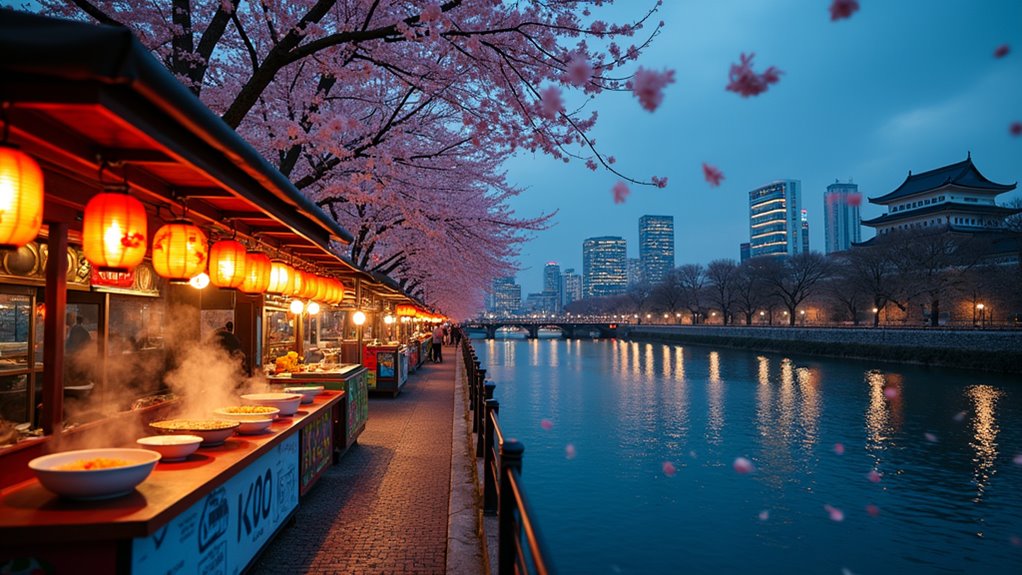
Fukuoka doesn’t demand travelers break the bank to experience Japan’s authentic side. This vibrant city serves up everything from steaming bowls of tonkotsu ramen at riverside food stalls to serene temple gardens where massive bronze Buddhas watch over visitors. Smart travelers know Fukuoka‘s best experiences often cost little more than train fare and an appetite for discovery. The city’s locals have perfected an art that most travelers miss entirely.
- Slurp Tonkotsu Ramen at Fukuoka’s Famous Yatai Food Stalls
- Marvel at the World’s Largest Bronze Buddha at Nanzoin Temple
- Explore Digital Art at TeamLab Forest Fukuoka
- Stroll Through 6,000 Plum Trees at Dazaifu Tenmangu Shrine
- Get 360-Degree City Views From Fukuoka Tower
- Hunt for Local Crafts at Kawabata Shopping Street
- Experience Japan’s First Zen Temple at Shofukuji
- Take a Canal Boat Ride With Fresh Eel in Nearby Yanagawa
- Witness the Spectacular Wisteria Tunnels at Kawachi Fuji-en Garden
- Join the Locals at Ohori Park’s Central Pond and Japanese Garden
- Catch Sunrise at the Fish Market Auction for Fresh Seafood Trading
Slurp Tonkotsu Ramen at Fukuoka’s Famous Yatai Food Stalls
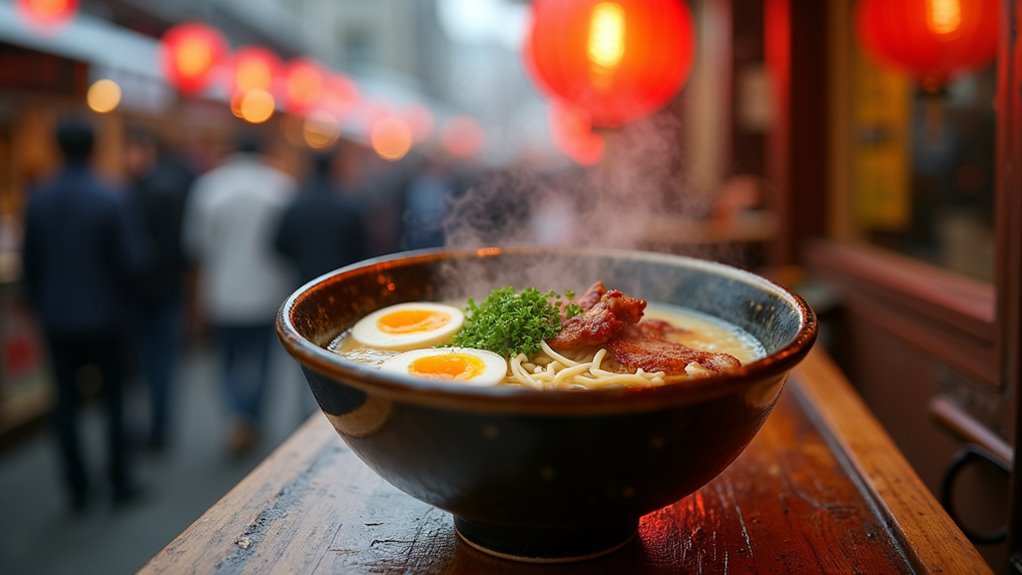
When the sun sets over Fukuoka, the city’s iconic yatai food stalls roll into position along the Nakasu riverbank and throughout downtown, transforming the streets into an open-air dining experience that’s been feeding locals for generations.
These mobile food stalls represent Fukuoka’s distinctive street food culture, serving steaming bowls of tonkotsu ramen with rich pork broth alongside yakitori, motsunabe hot pot, and fresh sushi.
Visitors can squeeze onto tiny stools shoulder-to-shoulder with salarymen and students, creating an authentic communal atmosphere.
The experience costs markedly less than restaurant dining while delivering Fukuoka’s most celebrated flavors.
Each yatai has its own personality and specialties, so hopping between several stalls throughout the evening offers the best taste of this beloved local tradition.
Marvel at the World’s Largest Bronze Buddha at Nanzoin Temple
Beyond Fukuoka’s bustling street food scene lies one of Japan’s most awe-inspiring spiritual sites. Nanzoin Temple houses the world’s largest bronze reclining Buddha statue, stretching 41 meters long and weighing nearly 300 tons. This magnificent sculpture depicts Buddha entering nirvana and creates an incredibly tranquil atmosphere that’s perfect for reflection.
The temple’s free to visit, making it an excellent budget-friendly attraction. Visitors can walk around the entire statue to appreciate its impressive scale and intricate details. The grounds also feature beautiful gardens and smaller temples worth exploring.
Getting there’s easy via train from central Fukuoka, and the peaceful setting provides a revitalizing contrast to the city’s energy. It’s a must-see destination that showcases Japan’s spiritual heritage without breaking the bank.
Explore Digital Art at TeamLab Forest Fukuoka

While traditional temples showcase Japan’s spiritual side, TeamLab Forest Fukuoka offers visitors a completely different cultural experience through cutting-edge digital art. This immersive museum features interactive installations that respond to movement and touch, creating personalized experiences for each visitor.
Unlike TeamLab’s crowded Tokyo locations, Fukuoka’s venue typically has shorter lines and a more relaxed atmosphere, making it perfect for budget-conscious travelers who want quality experiences without the hassle.
The museum’s photo-friendly environments provide endless Instagram opportunities, while the hands-on exhibits engage visitors of all ages. Sessions run for specific time slots, so booking advance tickets online saves money and guarantees entry.
Plan to spend 2-3 hours exploring the digital landscapes, and wear comfortable shoes since you’ll be walking through various interactive spaces.
Stroll Through 6,000 Plum Trees at Dazaifu Tenmangu Shrine
From digital art installations, visitors can experience nature’s own spectacular display at Dazaifu Tenmangu Shrine, where over 6,000 plum trees create one of Japan’s most breathtaking seasonal shows.
This historic shrine, dedicated to scholar Michizane Sugawara, becomes a pink and white wonderland during spring blooming season, typically February through March.
The shrine itself costs nothing to enter, making it perfect for budget travelers. Visitors can wander the grounds freely, taking photos among the blossoms and exploring the traditional architecture.
The nearby Monzen Machi street offers affordable street food and souvenirs for those wanting to extend their visit.
Plan to spend 2-3 hours here, especially during peak bloom when the entire area transforms into Japan’s most Instagram-worthy natural attraction without the hefty price tag.
Get 360-Degree City Views From Fukuoka Tower
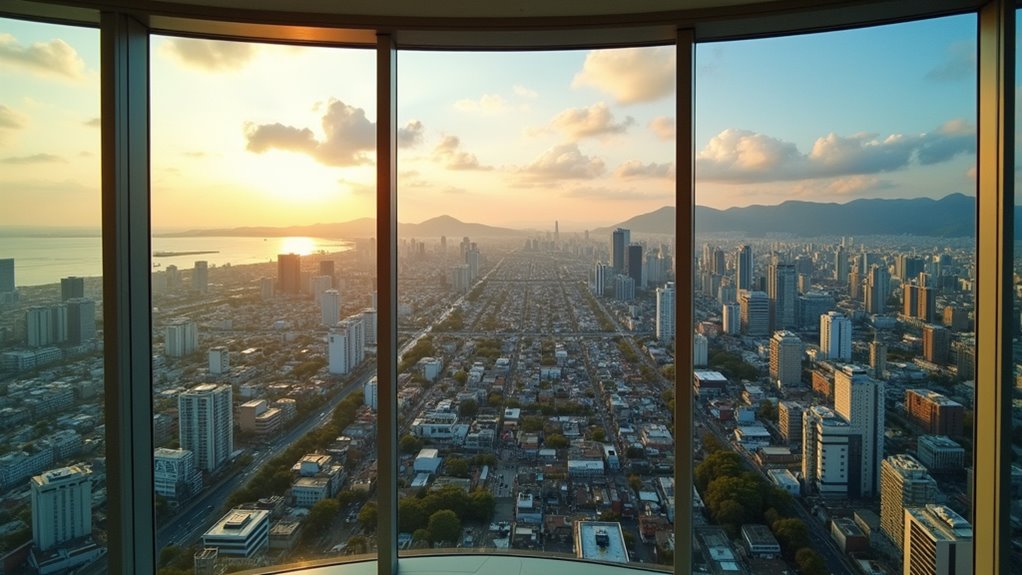
After exploring the serene plum blossoms at ground level, visitors can head to Fukuoka Tower for the city’s best panoramic views from 234 meters above. This observation tower offers stunning 360-degree vistas of the entire city, coastline, and surrounding mountains. The elevator ride takes just minutes, making it perfect for travelers with limited time.
The tower’s most impressive views happen during sunset when the city shifts from daylight to twinkling evening lights. Visitors can spot major landmarks they’ve explored, including Ohori Park, Hakata Bay, and the urban sprawl extending toward the mountains. Photography enthusiasts will find countless opportunities for memorable shots.
The admission fee remains reasonable compared to similar towers in major Japanese cities, making it an accessible highlight for budget-conscious travelers seeking Fukuoka’s best aerial perspective.
Hunt for Local Crafts at Kawabata Shopping Street
Once travelers descend from Fukuoka Tower’s heights, they’ll discover one of the city’s most authentic shopping experiences just minutes away at Kawabata Shopping Street. This historic covered arcade, one of Fukuoka’s oldest, offers budget-friendly treasures that big-box stores can’t match.
Shoppers will find handmade lanterns crafted by local artisans, traditional ceramics, and unique souvenirs that tell Fukuoka’s story. The street’s food shops serve affordable local specialties between browsing sessions, making it easy to spend hours exploring without breaking the bank.
Unlike touristy shopping centers, Kawabata maintains its authentic neighborhood feel. Visitors can chat with shop owners, learn about traditional crafts, and discover items they won’t find elsewhere. It’s where locals still shop for special occasions and everyday needs.
Experience Japan’s First Zen Temple at Shofukuji
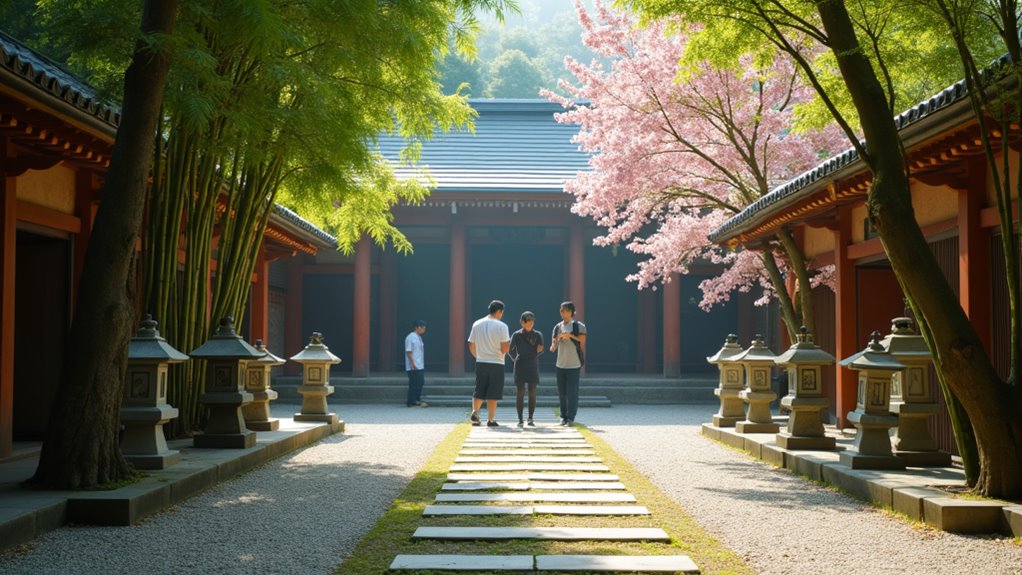
While Kawabata Shopping Street showcases Fukuoka’s commercial heritage, Shofukuji Temple represents something far more profound—Japan’s very first Zen Buddhist temple. Founded in 1195, this historic site in Fukuoka city offers visitors a chance to experience authentic Zen Buddhism where it first took root in Japan.
The temple’s peaceful grounds provide a stark contrast to the city’s bustling energy. Visitors can explore traditional architecture, meditate in quiet gardens, and observe monks going about their daily practices.
What makes Shofukuji special isn’t just its age—it’s the living connection to centuries of spiritual tradition.
Best of all, admission is free. The temple welcomes respectful visitors who want to learn about Zen Buddhism’s origins in Japan while enjoying moments of tranquility.
Take a Canal Boat Ride With Fresh Eel in Nearby Yanagawa
Just a short trip from Fukuoka’s spiritual sites, Yanagawa’s historic canal system offers one of Japan’s most unique dining experiences—fresh eel meals served aboard traditional punt boats. These leisurely rides glide through centuries-old waterways while skilled boatmen pole their way past traditional architecture and willow trees.
The boat tours typically last 70 minutes and cost around 1,600 yen per person. Many visitors combine the canal ride with an eel lunch at riverside restaurants, where Yanagawa’s famous unagi is grilled to perfection.
The city’s been perfecting this delicacy for over 300 years, making it some of Japan’s finest.
Yanagawa’s just 40 minutes by train from Fukuoka, making it perfect for a half-day excursion that combines sightseeing with exceptional local cuisine.
Witness the Spectacular Wisteria Tunnels at Kawachi Fuji-en Garden
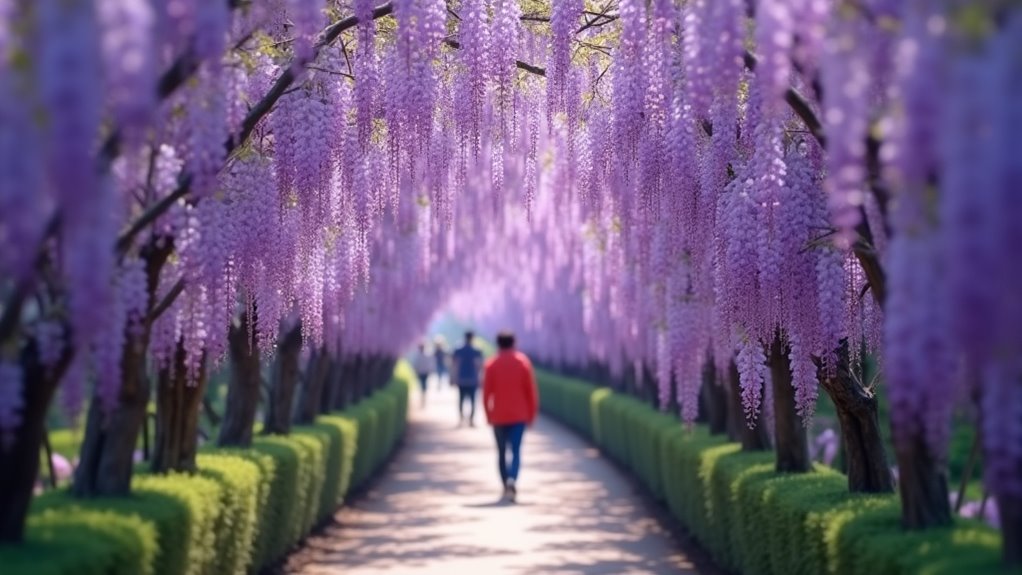
From Yanagawa’s waterways to nature’s most breathtaking floral display, the Kawachi Fuji-en Garden transforms into a purple paradise each spring when thousands of wisteria vines create tunnel-like canopies overhead. Located about an hour from Fukuoka, this private garden opens seasonally from late April to mid-May when the flowers peak.
Visitors walk through enchanting tunnels of cascading purple, white, and pink blooms that filter sunlight into magical patterns. The garden features multiple tunnel varieties, each offering unique photo opportunities and sensory experiences.
Entry costs around 1,000 yen for adults, making it an affordable day trip. Since it’s incredibly popular during bloom season, arriving early morning helps avoid crowds. The garden provides shuttle buses from nearby train stations, making access convenient for travelers without cars.
Join the Locals at Ohori Park’s Central Pond and Japanese Garden
After experiencing nature’s wisteria spectacle, travelers can discover Fukuoka’s most beloved urban oasis right in the city center. Ohori Park’s massive pond, originally part of Fukuoka Castle’s moat, draws locals for morning jogs, afternoon picnics, and sunset strolls along the scenic walking path.
The park’s Japanese Garden offers traditional landscaping with carefully manicured trees, stone bridges, and peaceful water features. Entry to the main park is free, though the Japanese Garden charges a small admission fee. Visitors often combine their park visit with the adjacent Fukuoka Art Museum, creating an affordable cultural day out.
Early morning or late afternoon visits provide the best experience, when locals gather for exercise and relaxation. The pond’s reflective waters and surrounding greenery create perfect photo opportunities year-round.
Catch Sunrise at the Fish Market Auction for Fresh Seafood Trading

While most travelers sleep through dawn, adventurous travelers can witness Fukuoka’s bustling fish market auctions where locals trade the day’s freshest catch. The early morning energy is infectious as auctioneers rapidly call out bids while buyers examine massive tuna, gleaming mackerel, and other seasonal seafood hauled in overnight.
Visitors should arrive by 5:30 AM to secure viewing spots before the main auction begins. The experience costs nothing but requires respectful observation from designated areas. Photographers will capture incredible scenes of organized chaos as hundreds of fish change hands within hours.
After watching the auction, travelers can sample ultra-fresh sashimi and grilled fish at nearby market stalls for breakfast. It’s an authentic glimpse into Fukuoka’s maritime culture that few travelers experience.