
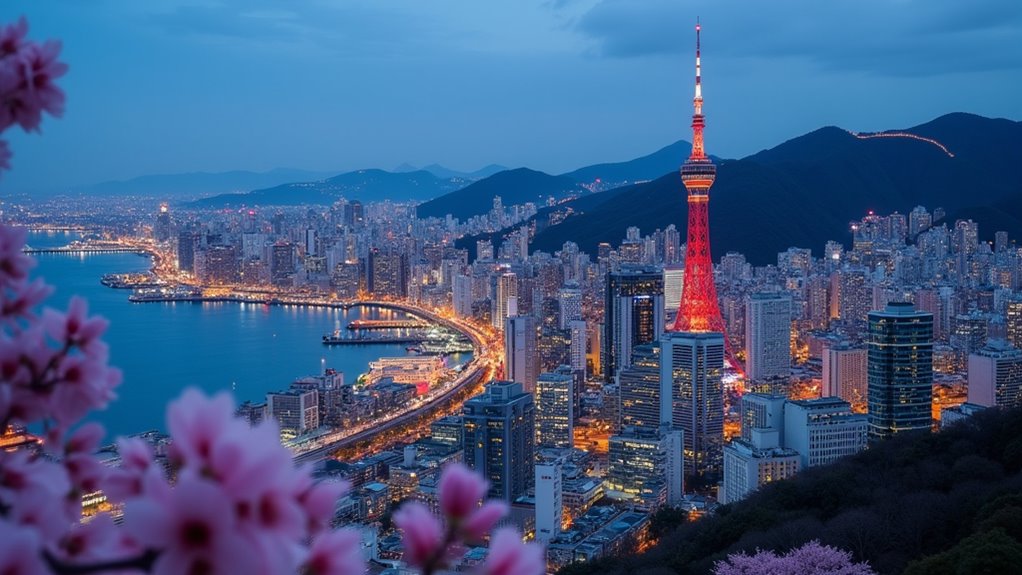
Most travelers know Kobe for its legendary marbled beef, but Japan’s port city offers far more than premium dining experiences. Visitors can ride cable cars to mountain peaks for stunning harbor views, explore preserved Western mansions from the Meiji era, and soak in thousand-year-old hot springs just minutes from downtown. From traditional shrines tucked between skyscrapers to authentic Chinese neighborhoods, Kobe’s attractions reveal a city where East meets West in unexpected ways.
- Take the Ropeway Up to Nunobiki Herb Gardens for City Views and Mountain Air
- Explore the Western-Style Houses of Kitano’s Former Foreign Quarter
- Catch Sunset From Kobe Port Tower’s Newly Renovated Observation Deck
- Soak in the Ancient Hot Springs of Arima Onsen
- Walk Through Kobe’s Compact but Authentic Chinatown
- Ride the Cable Car to Mount Rokko’s Garden Terrace
- Pay Respects at Ikuta Shrine in the Heart of Downtown
- Take a Harbor Cruise for Waterfront Perspectives of the City
- Learn Traditional Japanese Craftsmanship at the Takenaka Carpentry Tools Museum
- Experience Japan’s Best Night Views From Mount Maya’s Observation Deck
Take the Ropeway Up to Nunobiki Herb Gardens for City Views and Mountain Air
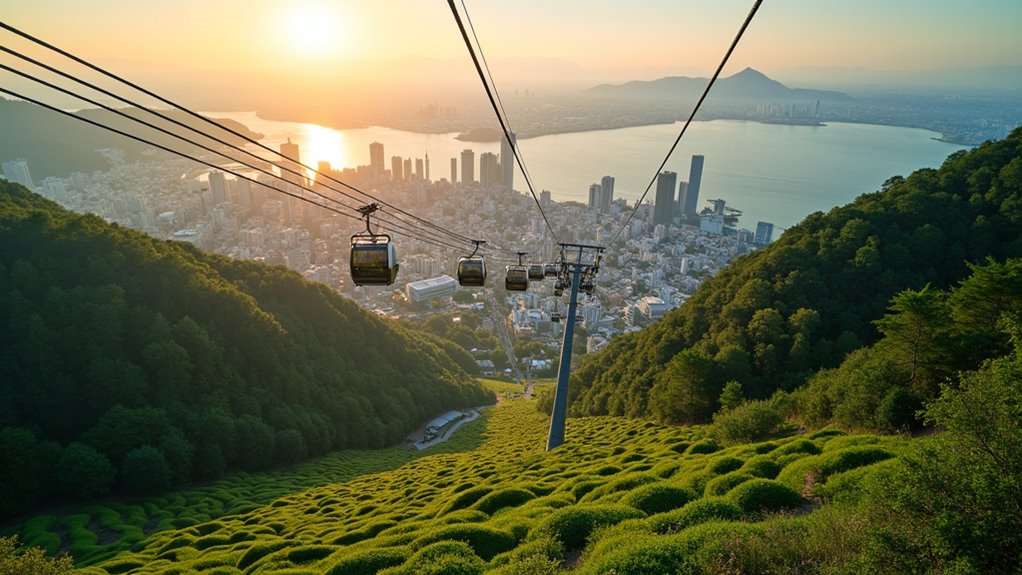
One of Kobe’s most accessible mountain escapes, the Nunobiki Herb Gardens offers visitors a quick journey from the bustling city streets to serene alpine scenery via a scenic ropeway ride.
The cable car whisks travelers up Mount Rokko’s slopes to Japan’s largest herb garden, featuring around 75,000 flowers and aromatic plants spread across terraced hillsides.
Visitors can wander through themed garden sections, breathing in mountain air while enjoying sweeping panoramic views of downtown Kobe and the harbor below.
The summit houses German-style buildings with restaurants and cafés, perfect for relaxing with a meal or coffee while taking in the scenery.
The ropeway operates frequently throughout the day, making multiple trips convenient for exploring different garden areas and capturing photos from various viewpoints.
Explore the Western-Style Houses of Kitano’s Former Foreign Quarter
After soaking in mountain views and fresh herb garden air, visitors can explore Kobe’s fascinating international heritage by wandering through Kitano Ijinkan-gai, the city’s historic foreign quarter. This hillside district preserves Western-style residences built by foreign merchants who settled here after Japan opened its ports in the 1860s.
The ornate Victorian and colonial mansions showcase Kobe’s cosmopolitan past, with many converted into museums displaying period furniture and artifacts.
Travelers can tour several houses, including the iconic weathercock house and Moegi House with its distinctive green exterior. The narrow cobblestone streets wind uphill past cafes, boutiques, and galleries housed in preserved buildings.
Each residence tells stories of international traders who helped shape modern Kobe’s multicultural identity, making this area essential for understanding the city’s unique character.
Catch Sunset From Kobe Port Tower’s Newly Renovated Observation Deck
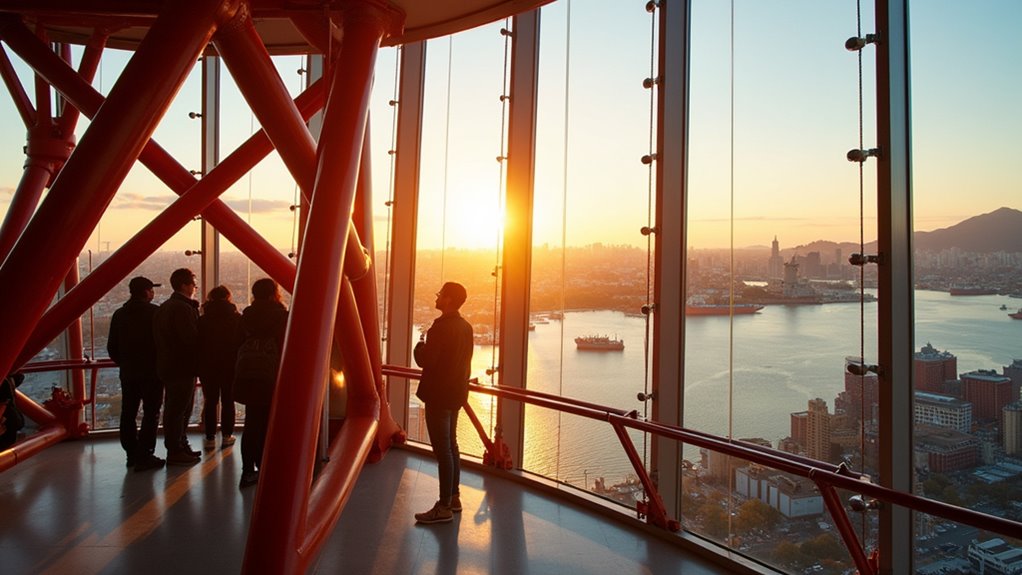
As evening approaches, visitors should head to Kobe’s most iconic landmark for breathtaking panoramic views from the city’s newly renovated observation decks.
The 108-meter red steel tower, with its distinctive hyperboloid design, reopened in 2024 after extensive renovations.
The observation decks now offer enhanced viewing experiences of Kobe’s sprawling cityscape, bustling harbor, and distant mountains.
What makes this experience particularly special is the tower’s rotating café, where guests can enjoy refreshments while the scenery slowly changes around them.
The golden hour provides the perfect lighting for photography, as the sun sets over Osaka Bay and the city lights begin to twinkle below.
The tower’s unique architecture and strategic waterfront location make it an unparalleled vantage point for capturing Kobe’s urban beauty.
Soak in the Ancient Hot Springs of Arima Onsen
When visitors crave authentic Japanese relaxation after exploring Kobe’s urban attractions, Arima Onsen delivers an unparalleled hot spring experience just outside the city. This renowned resort ranks among Japan’s oldest and most famous onsen destinations, featuring therapeutic waters that’ve drawn bathers for over 1,000 years.
The area offers two distinct spring types: golden-colored kinsen rich in iron and salt, and colorless ginsen containing radium and carbonic acid.
Traditional ryokan inns provide the complete experience, serving kaiseki dinners and offering private baths with mountain views. Day-trippers can visit public bathhouses or upscale spa facilities.
The charming town features narrow streets lined with souvenir shops selling local specialties like carbonated crackers and sake. Arima’s peaceful mountain setting creates the perfect contrast to Kobe’s bustling harbor district.
Walk Through Kobe’s Compact but Authentic Chinatown
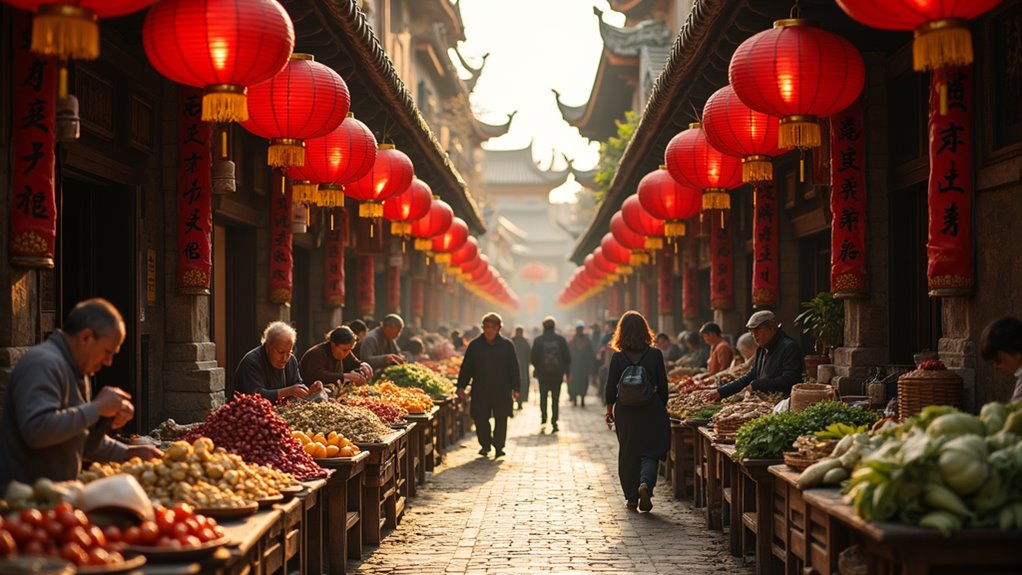
While Kobe’s harbor views and mountain scenery captivate visitors, the city’s Nankinmachi district offers an entirely different culture within just a few compact blocks. This vibrant Chinatown buzzes with authentic energy as vendors call out from colorful storefronts and the aroma of sizzling dumplings fills the narrow streets.
Visitors can sample butaman (steamed pork buns), xiaolongbao, and other Chinese street food specialties while browsing unique shops selling everything from tea to traditional crafts. The district’s ornate gates and traditional architecture create an atmospheric backdrop for cultural festivals throughout the year.
Despite its small size compared to other international Chinatowns, Nankinmachi delivers genuine flavors and experiences that reflect Kobe’s multicultural heritage.
Ride the Cable Car to Mount Rokko’s Garden Terrace
After exploring Kobe’s street-level cultural treasures, visitors can ascend high above the city for an entirely different perspective. The Rokko Cable Car whisks travelers up Mount Rokko to reach the Garden Terrace, where panoramic views stretch across Kobe and Osaka’s sprawling landscapes.
This mountain destination offers more than just scenery—visitors will find shops, restaurants, and observation decks perfectly positioned for taking in the vista.
The cable car ride itself becomes part of the experience, providing glimpses of the cityscape as it climbs higher. At the summit, the Garden Terrace features well-maintained facilities where guests can dine while enjoying sweeping mountain views.
Whether visiting during daylight hours for clear city panoramas or returning at sunset for dramatic lighting, Mount Rokko’s elevated perspective showcases Kobe’s unique geography.
Pay Respects at Ikuta Shrine in the Heart of Downtown
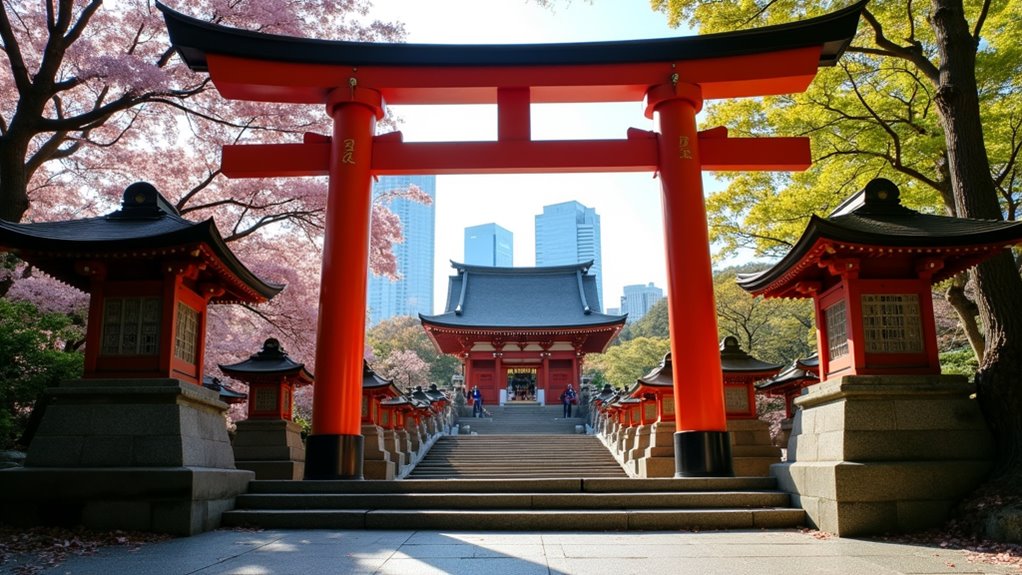
Though modern skyscrapers and bustling streets surround it, Ikuta Shrine stands as one of Japan’s oldest Shinto shrines, offering visitors a peaceful sanctuary in central Kobe’s urban heart.
Dating back over 1,800 years, this sacred site holds tremendous historical and spiritual significance for locals and travelers alike.
The shrine’s vermillion torii gates and traditional wooden structures create a striking contrast against the contemporary cityscape.
Visitors can participate in traditional rituals like purchasing omamori (protective charms) or writing wishes on ema (wooden plaques).
The shrine’s compact grounds feature beautifully maintained gardens with seasonal flowers and ancient trees that provide natural tranquility.
Located just minutes from major shopping districts, Ikuta Shrine offers an authentic cultural experience that connects modern Kobe to its ancient spiritual roots.
Take a Harbor Cruise for Waterfront Perspectives of the City
From the water’s edge, visitors can board scenic boat tours that reveal Kobe’s stunning harbor skyline from an entirely different vantage point.
Kobe Bay cruises offer passengers unobstructed views of the city’s iconic landmarks, including the red steel Port Tower, the illuminated Ferris wheel at Harborland, and the impressive Akashi-Kaikyo Bridge stretching toward Awaji Island.
These maritime excursions showcase Kobe’s role as a major international port while providing excellent photography opportunities of the waterfront district.
Most cruises operate during both day and evening hours, with sunset and night tours being particularly popular for capturing the city’s sparkling lights reflected in the harbor waters.
The relaxed pace allows travelers to appreciate Kobe’s maritime heritage and modern urban development from this unique maritime perspective.
Learn Traditional Japanese Craftsmanship at the Takenaka Carpentry Tools Museum
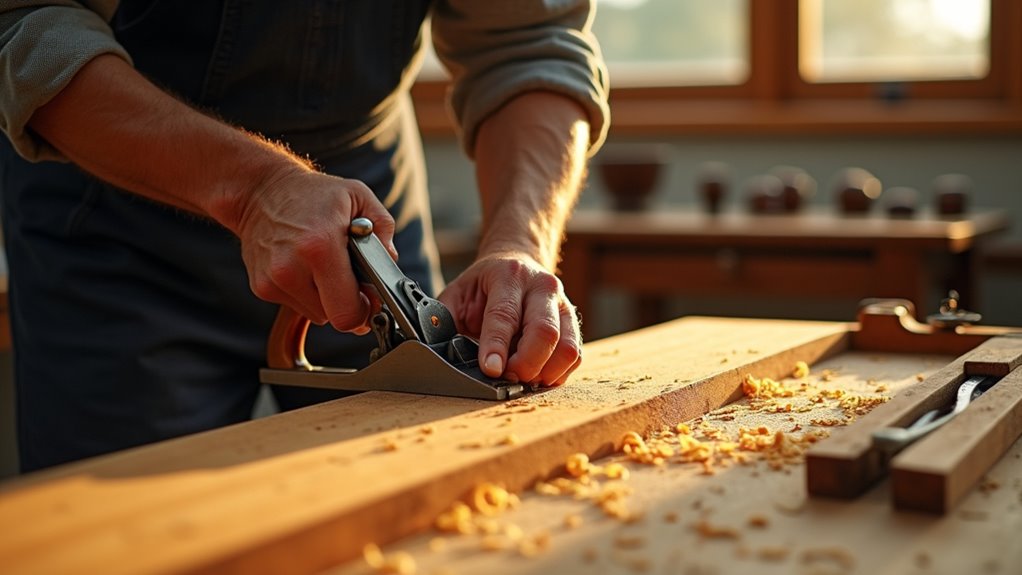
While most visitors gravitate toward Kobe’s modern attractions, Japan’s only museum dedicated to traditional carpentry tools offers an intimate glimpse into centuries of masterful craftsmanship. The Takenaka Carpentry Tools Museum showcases an extraordinary collection of hand-forged instruments that built Japan’s temples, shrines, and historic structures.
Visitors can examine intricately designed saws, chisels, and planes that demonstrate the precision required for traditional Japanese joinery—techniques that create structures without nails. Interactive displays reveal how master carpenters achieved perfect fits using these specialized tools.
The museum’s exhibits trace the evolution of Japanese woodworking from ancient times to present day. This cultural gem highlights Japan’s dedication to preserving artisan heritage, making it perfect for travelers seeking authentic experiences beyond typical tourist attractions.
Experience Japan’s Best Night Views From Mount Maya’s Observation Deck
The observation deck sits high above the city, accessible by cable car and ropeway combination. During clear evenings, visitors can see across Osaka Bay, with the illuminated Akashi-Kaikyo Bridge creating a stunning backdrop.
The facility includes viewing platforms and a small café where guests can linger while watching the city shift from sunset to full nighttime illumination. It’s particularly magical during winter when the air’s crisp and visibility peaks.