Climbing Mount Kilimanjaro is a dream for many adventure travelers, and if you’re considering taking on this challenge, the 7-day Lemosho route offers one of the most scenic and rewarding paths to the summit. While I haven’t personally trekked it, the detailed reviews and itinerary paint a picture of an experience that balances beauty, adventure, and a good shot at success.
What we love about this tour is its length, giving your body more time to adjust to altitude, and the stunning scenery along the Lemosho trail. Plus, the promising reviews highlight knowledgeable guides, tasty meals, and supportive crews.
On the flip side, it’s worth noting that this trek requires moderate physical fitness and involves long days of walking — but if you’re prepared, it’s absolutely manageable. It’s best suited for travelers who want a well-paced, less crowded route that maximizes scenic beauty and success rate.
- Key Points
- Introduction to the Kilimanjaro Lemosho Route Tour
- The Itinerary Breakdown: What You’ll Experience
- Day 1: Londorossi Gate to Forest Camp
- Day 2: Forest Camp to Shira Camp
- Day 3: Shira Camp 1 to Shira 2 to Moir Hut
- Day 4: Moir Hut to Lava Tower to Barranco Camp
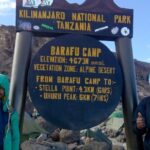
- Day 5: Barranco Camp to Karanga Camp to Barafu Camp
- Day 6: Barafu Camp to Summit and Mweka Hut
- Day 7: Mweka Camp to Moshi
- What’s Included and What Costs Extra?
- The Experience: Atmosphere, Guides, and Support
- The Scenery: A Visual Feast
- The Best Time to Trek
- Final Thoughts: Is This Tour for You?
- FAQs
- The Best Of Moshi!
- More 7-Day Experiences in Moshi
- More Guided Tours in Moshi
- More Tour Reviews in Moshi
Key Points
 1 / 9
1 / 9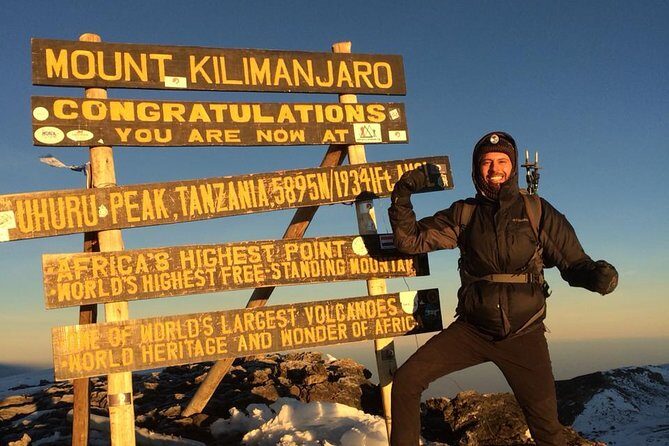 2 / 9
2 / 9 3 / 9
3 / 9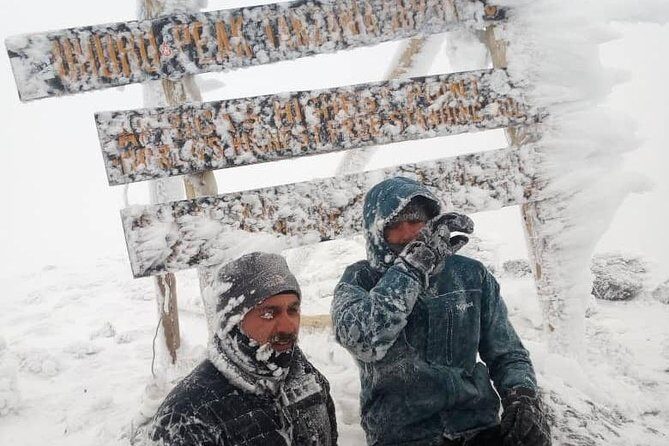 4 / 9
4 / 9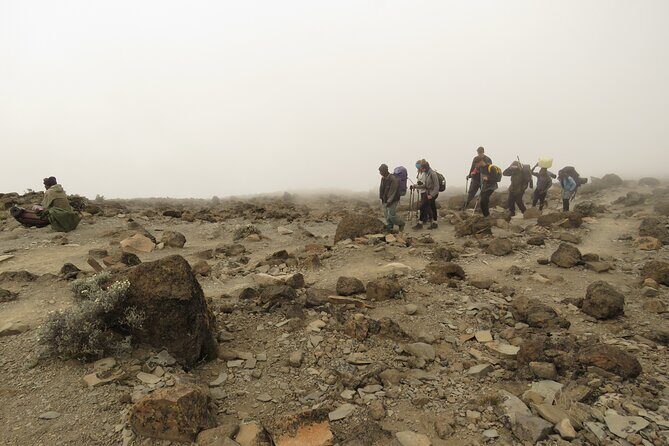 5 / 9
5 / 9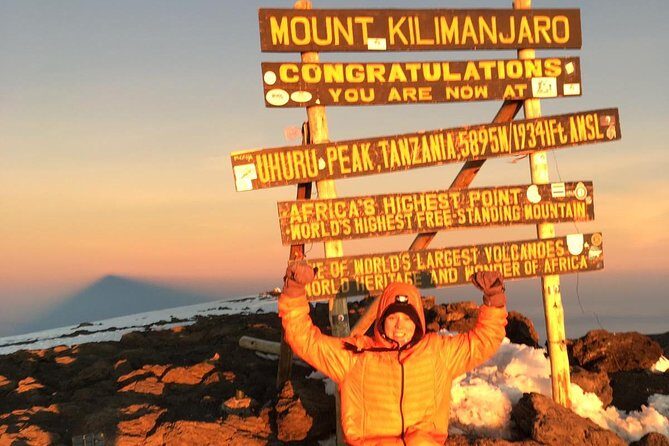 6 / 9
6 / 9 7 / 9
7 / 9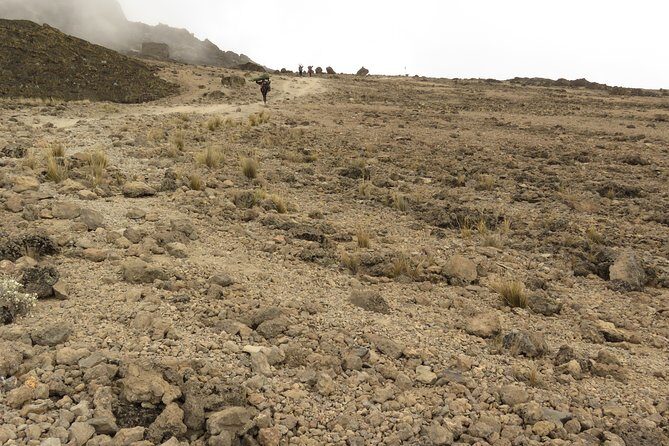 8 / 9
8 / 9 9 / 9
9 / 9- Longer route for better acclimatization increases your chances of summiting
- Inclusion of camping gear and food provides convenience and comfort
- Expert guides and support staff enhance safety and experience
- Stunning scenery on the Lemosho trail appeals to nature lovers
- Affordable price point considering all equipment, guides, and food included
- Primetime trekking seasons are mid-December to March or June to October for optimal weather
👉 See our pick of the Moshi’s 16 Top Tours & Things To Do
Introduction to the Kilimanjaro Lemosho Route Tour
This 7-day Kilimanjaro trek via the Lemosho route is often described as one of the most beautiful ways to reach Africa’s highest peak. What makes it special? First, it’s the longer duration, which gives your body extra time to acclimate to the altitude, significantly reducing the risks of altitude sickness — a common concern on shorter routes. Second, you’ll enjoy some of the most spectacular landscapes, from lush rainforests to semi-desert plains, and finally the icy summit.
The tour is offered at a price of $1,250 per person, which, considering the included camping equipment, food, professional guides, and the experience of climbing one of the Seven Summits, offers good value. The tour has a perfect 5-star rating based on 7 reviews, with many travelers praising its organization, scenery, and crew.
However, it’s not a quick or easy trek. Expect long days of walking, especially on summit day, and a need for moderate physical fitness to keep up with the pace. Still, if you’re looking for a route that combines scenic diversity, higher success rates, and authentic support, this might be your best bet.
You can also read our reviews of more guided tours in Moshi
The Itinerary Breakdown: What You’ll Experience
Day 1: Londorossi Gate to Forest Camp
Starting at the Londorossi Gate at 7,800 feet, you’ll enter the rainforest habitat, a lush, green corridor full of birdcalls and the scent of damp earth. The first walk is about 3-4 hours over 6 km, setting a gentle pace and letting you get used to the environment.
Traveling through dense foliage, you’ll notice how the trail gradually ascends, and your group will feel the thrill of being on your way. Reviews mention a “supportive crew” that makes this initial stage pleasant, which is vital after a long travel day.
Day 2: Forest Camp to Shira Camp
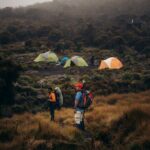
The route continues through the rainforest, but by the end of this 5-6 hour hike, you’ll switch habitats to the moorland zone, characterized by expansive grasslands and scattered shrubs at around 11,500 feet.
The longer distance of 8 km helps acclimatize your body gradually. Travelers report that the scenery is stunning here, with the landscape opening up into sweeping views. This is a good day to enjoy the flora and fauna, and some reviews note that guides are very knowledgeable about the vegetation and wildlife.
Day 3: Shira Camp 1 to Shira 2 to Moir Hut
A 5-7 hour trek covering approximately 14 km takes you further into the moorland landscape. The route is relatively flat but gains altitude up to 13,800 feet at Moir Hut. Many reviews highlight that the scenery continues to impress, and the longer trek helps with acclimatization.
You can also read our reviews of more tours and experiences in Moshi
Day 4: Moir Hut to Lava Tower to Barranco Camp
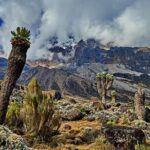
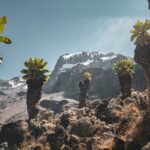
This day is marked by a significant feature: the Lava Tower at 13,000 feet. The climb up to the tower, followed by a descent to Barranco Camp at 13,000 feet, offers a chance to experience the changing terrain from semi-desert to alpine. It’s a 4-6 hour journey, and many comments praise guides for keeping the pace manageable and the mood positive during this demanding day.
Day 5: Barranco Camp to Karanga Camp to Barafu Camp
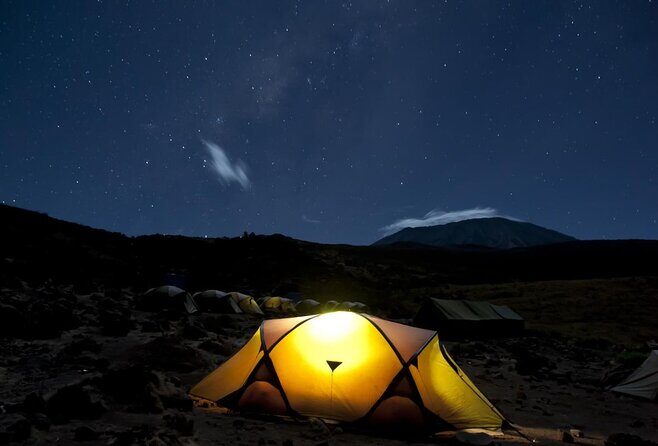
A challenging day, covering around 9 km over 8-10 hours, but it’s also one of the most scenic. The route passes through alpine desert habitats with striking views of the mountain’s western face. The long hours are worth it, as you get closer to the summit zone. Visitors mention the supportive team and good food making this tough day more manageable.
Day 6: Barafu Camp to Summit and Mweka Hut
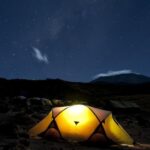
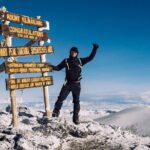
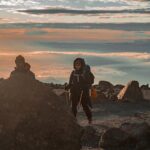
The big day — summit night begins around midnight. The ascent involves a 5 km climb to Uhuru Peak, reaching 19,345 feet, often under a starry sky. The ascent takes about 7-8 hours, with many reviews emphasizing how guided support and motivation make this possible despite the physical challenge.
After summiting, you descend to Mweka Hut at 10,000 feet, completing about 12 km of descent in 4-6 hours. The descent is tiring but exhilarating, with many travelers noting the spectacular views and the sense of achievement.
Day 7: Mweka Camp to Moshi
The trek back down to the park gate takes about 3-4 hours over 10 km. This final stretch is mostly forested and a relaxing way to reflect on your journey. You’ll then be transferred back to your hotel in Moshi, where many reviews mention the feeling of having accomplished something truly memorable.
What’s Included and What Costs Extra?
The tour package at $1,250 covers a lot: all camping equipment, including tents and mattresses, professional guides, meals during the trek, and a trekking certificate. The pickups from Moshi hotels and drop-offs after the trek are included, which adds convenience.
However, travelers should budget for park fees (payable either directly or via the operator), tips for the crew, personal gear, hotel stays before and after, and flights. These extras can add up but are typical for such adventures.
Having all camping gear included is a big plus — it means you won’t need to worry about packing your own tents or sleeping mats, and reviews praise the quality of equipment. The meals are also considered good quality, fueling you for the long days.
The Experience: Atmosphere, Guides, and Support
According to multiple reviews, the guides are extremely knowledgeable, often sharing insights about the mountain’s vegetation, animals, and cultural significance. One reviewer called their guide “very helpful” and noted that the guides kept a good pace, making the demanding days manageable.
The crew’s hospitality and support seem to be recurring themes — from cooks preparing delicious meals to porters providing encouragement. Many reviewers mention the friendly, motivating atmosphere that keeps spirits high even during strenuous parts of the climb.
The food gets consistent praise for being tasty and sufficient, which is reassuring given the physical toll of the trek. Expect a mix of filling meals and snacks that keep energy levels steady.
The Scenery: A Visual Feast
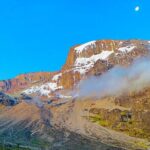
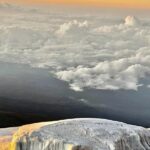
The Lemosho route is widely regarded as one of the most beautiful on Kilimanjaro. Starting in lush rainforests, you’ll ascend through moorlands with sprawling vistas, then semi-desert landscapes with volcanic rock formations, and finally the arctic zone near the summit — a stark, icy world at 19,000 feet.
Reviewers rave about the views of the mountain’s glaciers, the vast Shira Plateau, and the dramatic Lava Tower. These diverse habitats not only enrich the trek but also give an authentic feel of crossing different ecological zones.
The Best Time to Trek
The ideal times for this route are during mid-December to March and mid-June to October. These dry seasons offer clearer skies and safer conditions, reducing the chances of weather-related delays. Many travelers have praised their experience during these months, and reviews highlight the importance of choosing the right season for better weather and views.
Final Thoughts: Is This Tour for You?
This 7-day Kilimanjaro Lemosho route offers a compelling mix of scenic beauty, supportive support, and higher success potential. It’s especially well-suited for moderately fit hikers looking for an authentic, less crowded trail that maximizes their chances of reaching the summit.
If you’re someone who values well-organized logistics, delicious meals, and expert guidance, this tour checks all those boxes. The inclusion of camping equipment and food makes it a practical choice, removing some of the hassle of organizing gear yourself.
While it’s not the cheapest option, the value lies in the quality of support and experience you get for the price. The route’s reputation for spectacular views and higher success rates makes it a top pick for serious adventurers.
A Definitive Guide For the 7-day Kilimanjaro’s Lemosho Route 2025
FAQs
What is included in the tour?
The package covers all camping equipment, professional guides, meals during the trek, pick-up from your hotel in Moshi, and a trekking certificate.
Are park fees included?
No, all Mount Kilimanjaro park fees are extra, payable either directly to the park or via the tour operator.
What should I bring?
Personal hiking gear is not included, so you’ll need to bring your own, but the provided equipment is high quality. Check with your guide about specific essentials.
Is this trek suitable for beginners?
It requires moderate physical fitness and a willingness to endure long days of walking, so beginners should prepare accordingly.
When is the best time to do this trek?
The most favorable months are mid-December to March and June to October for dry, stable weather.
How long is each day’s hike?
Days vary from about 3-4 hours on Day 1 to over 8 hours on summit day, so be prepared for full days on the trail.
What is the group size?
The tour can accommodate up to 50 travelers, but reviews suggest that the experience remains intimate and well-supported.
What makes the Lemosho route special?
It’s known for its scenic diversity, longer acclimatization period, and less crowded paths, boosting your chances of summiting comfortably.
To sum it up, the 7-day Lemosho route offers a superb balance of scenic splendor, increased success odds, and supportive logistics. It’s ideal for travelers who want a comprehensive, authentic Kilimanjaro adventure. If you value beautiful landscapes, well-organized support, and a higher likelihood of reaching the summit, this tour is well worth considering. Just make sure you’re prepared for the physical demands, and you’ll be rewarded with an experience to remember.