
When it comes to understanding Australia’s maritime history, few experiences can match the authenticity and detail offered by visiting Albany’s Historic Whaling Station. Whether you’re a history buff, marine enthusiast, or just curious about how the whaling industry shaped this part of Western Australia, this tour promises a compelling look into a bygone era.
What we really appreciate is how well this site balances restoration and storytelling—it’s not just a museum, but a window into the past that feels tangible. The chance to climb aboard the Cheynes IV, the world’s only preserved whale chaser, is particularly special. Plus, the extensive marine skeleton displays and authentic artifacts provide a visceral sense of the industry’s scale and impact.
A possible consideration is that the site is quite focused on the whaling industry, which might be sensitive for some visitors. However, it offers a respectful, educational perspective that underscores how attitudes and practices have evolved.
This experience is ideal for travelers interested in Australian history, marine biology, or maritime craft. Families, educators, and those seeking meaningful, authentic cultural insights will find plenty to enjoy here.
- Key Points
- Exploring the Whaling Station: What to Expect
- The Restored Whale Processing Factory
- Short Films in Whale Oil Tanks
- The Cheynes IV Whale Chaser Ship
- Marine Skeletons and Art Collection
- Museum Exhibits & Memorabilia
- Relaxing and Exploring the Surroundings
- The Practicalities: Visiting and Booking
- What the Reviews Say
- The Value of Your Visit
- Who Will Love This Tour?
- FAQs
- Final Thoughts
Key Points
- Unique Preservation: The only complete historic whaling station open for tourism in the world.
- Rich Artifacts: Authentic whaling memorabilia and scrimshaw art add depth to the experience.
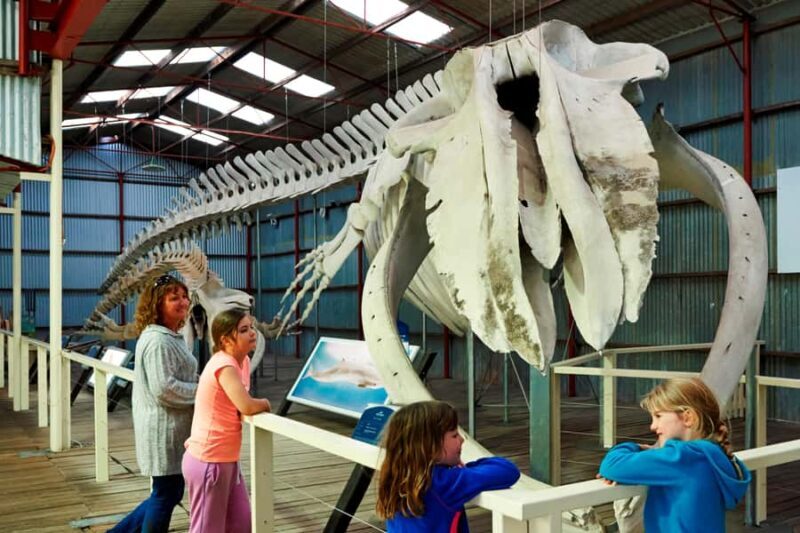
- Marine Displays: Marvel at the giant blue whale skeleton and other marine specimens.
- Educational Films: Short movies in converted whale oil tanks offer an engaging, multimedia perspective.
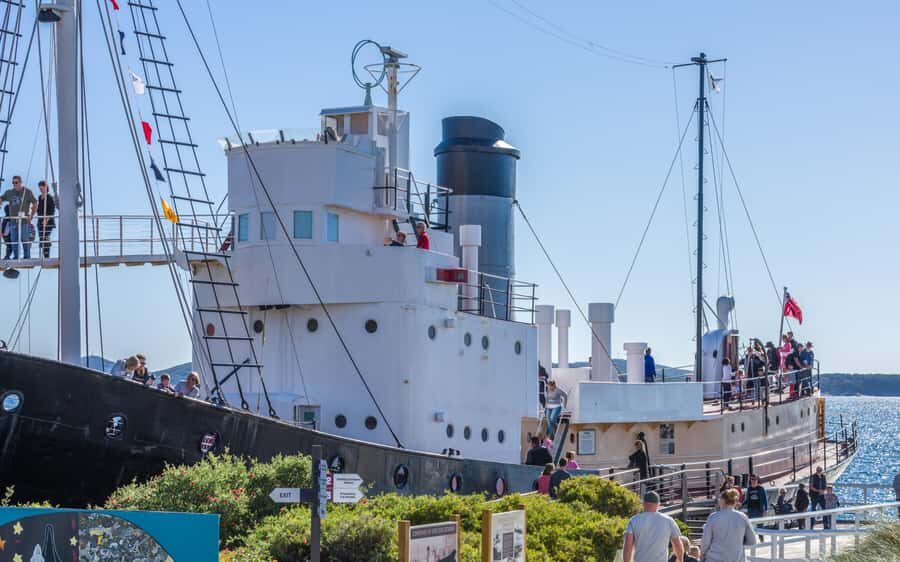
- Historic Ship: Climb aboard the Cheynes IV, the world’s only preserved whale chaser vessel.
- Accessible & Convenient: Located just outside Albany, with flexible booking options and wheelchair accessibility.
Exploring the Whaling Station: What to Expect
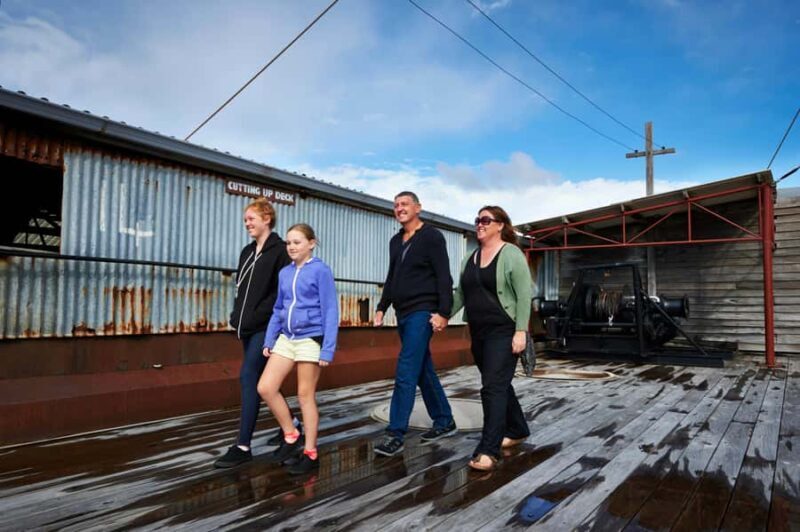
Stepping into Albany’s Historic Whaling Station feels like walking into a living museum. The site is the last operating whaling station in Australia, and it’s been carefully restored to preserve its historical significance. Visiting here provides a rare chance to see how the industry functioned firsthand—from the processing factory to the shipyard—and understand its role in shaping Albany’s identity.
The Restored Whale Processing Factory
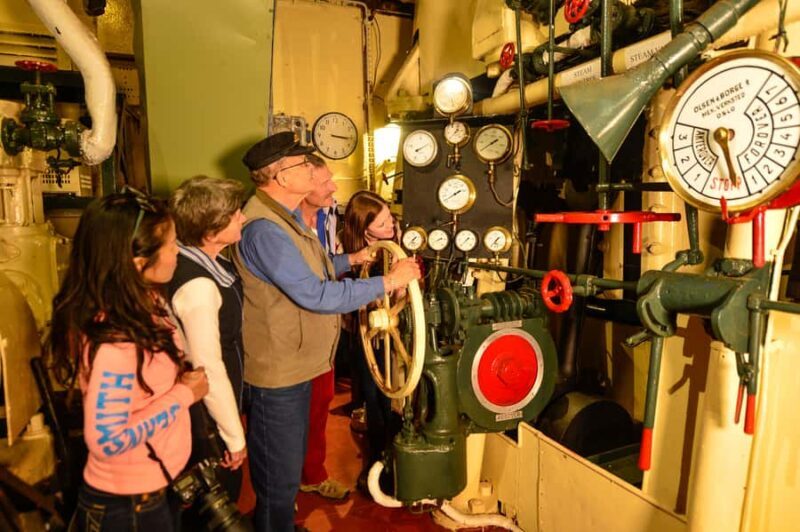
Your journey begins at the restored whale processing factory, where the sights and sounds of past industries come alive. You’ll walk among the original equipment and learn how whales were processed before the decline of whaling in the area. The craftsmanship of the restoration shows—it’s clear they’ve gone to great lengths to preserve the authenticity of the site.
Short Films in Whale Oil Tanks
One of the more engaging parts of the visit is the series of short films played inside converted whale oil tanks. These tanks, once used for storing whale oil, now serve as intimate theaters for educational videos. The films provide context about the industry, including the methods used and the environmental and ethical debates surrounding whaling. It’s a good way to understand both the technical aspects and the cultural attitudes of the era.
The Cheynes IV Whale Chaser Ship
The highlight for many visitors is climbing aboard the Cheynes IV, a vessel that once chased whales along the Australian coast. As the world’s only preserved whale chaser ship, it’s a tangible link to the past and offers remarkable photo opportunities. Walking its decks gives you a sense of the rough conditions crew endured and the scale of whaling operations.
More Great Tours NearbyMarine Skeletons and Art Collection
The display of marine skeletons, including a massive blue whale, is both impressive and sobering. The size of these creatures is hard to grasp until you see their bones laid out before you. Alongside these natural wonders are scrimshaw art and marine-themed sculptures, which reflect the craftsmanship and artistry of whalers. Visitors frequently mention the “enormous pygmy whale skeleton,” a reminder of the size and power of these ocean giants.
Museum Exhibits & Memorabilia
The station also features authentic artifacts and memorabilia, from tools used by whalers to photographs capturing daily life on the ships. These exhibits help paint a vivid picture of how the industry operated and its significance to Albany.
Relaxing and Exploring the Surroundings
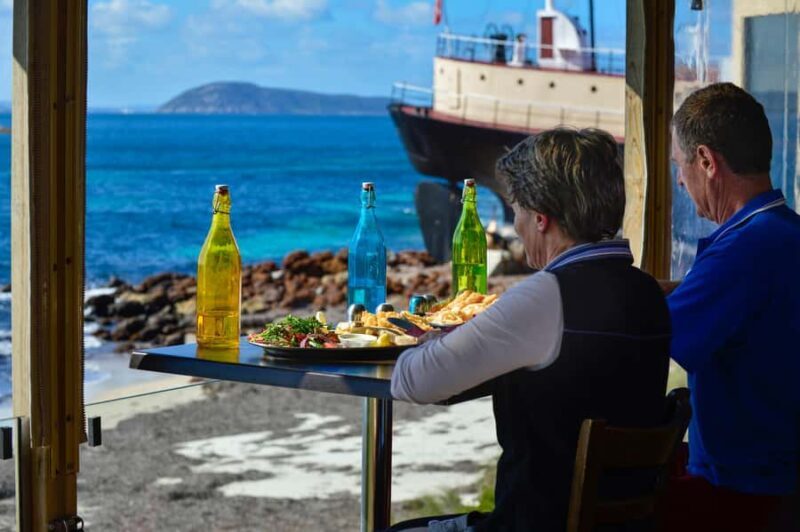
After enjoying history, you can enjoy a cafe overlooking Albany’s picturesque bay. The regional Wildflower Garden nearby showcases over 100,000 native plants, perfect for a leisurely stroll or a family picnic. Kids will especially enjoy learning about native animals at the Australian Wildlife Park, with free BBQs available in the gardens.
The Practicalities: Visiting and Booking
The tour is flexible and user-friendly. You can reserve your ticket in advance with the option to cancel up to 24 hours before, making it easy to fit into your travel plans. The site is open daily from 9:00 AM to 5:00 PM, with the Wildflower Garden and Wildlife Park opening from 10:00 AM to 5:00 PM.
Location-wise, the station is at 81 Whaling Station Rd, Torndirrup WA, easily accessible from Albany. The site is wheelchair accessible, and visitors are advised to wear comfortable shoes for walking around the expansive site.
While the experience is largely self-guided, the stories told through exhibits and films are engaging and educational, making it suitable for all ages. Bring a camera for the ship and skeleton displays, and a curious mind for the stories behind the artifacts.
What the Reviews Say
With a stellar 4.8 out of 5 from 23 reviews, visitors generally love this site for its authenticity and educational value. One reviewer called it “well presented, informative and well kept,” highlighting the quality of the restoration and exhibits.
Others appreciated the engaging short films and the chance to explore the ship and marine skeletons up close. A comment about the pygmy whale skeleton being “enormous” stands out, illustrating the scale of these creatures. The site’s respectful approach to the history of whaling—acknowledging how whales were killed—is noted as a positive aspect, making the experience both educational and thought-provoking.
A visitor from Australia summarized their experience as “excellent and enjoyable,” reinforcing that this attraction offers a meaningful look at a controversial but important part of history.
The Value of Your Visit
Considering the price, this tour provides excellent value for those interested in Australian maritime history. The combination of museum exhibits, the preserved whale chaser, and the marine displays offers a comprehensive experience that’s both educational and visually impressive.
Compared to other attractions in Albany, this site offers a depth of insight into a specific industry that shaped the local economy and culture. It’s not just a collection of artifacts; it’s a story about human interaction with nature, technological evolution, and changing attitudes toward marine conservation.
Who Will Love This Tour?
This experience is best suited for curious travelers eager to understand Australia’s maritime past and the industry that once thrived here. Families will enjoy the engaging exhibits and the chance to see the ship and skeletons firsthand. History buffs will appreciate the authentic artifacts and restored machinery, while marine enthusiasts will find the skeleton displays fascinating.
People interested in cultural change and environmental awareness will also find value in reflecting on how attitudes toward whales have shifted from exploitation to conservation. If you appreciate detailed storytelling, authentic artifacts, and a chance to see a rare preserved vessel, this tour is a solid choice.
FAQs
Is there a guided tour available?
While the description emphasizes a largely self-guided experience, the site is designed to be easily navigable with plenty of informational signs and films. You might find knowledgeable staff on-site if you have questions.
How long should I plan for the visit?
Most visitors spend around 2-3 hours exploring the entire site, including the museum, ship, and surrounding gardens.
Is the site suitable for children?
Yes, children generally enjoy the marine skeletons, artifacts, and the ship. The site is wheelchair accessible, making it family-friendly.
Can I buy food or drinks there?
There is a café overlooking Albany’s bay, ideal for relaxing after your exploration. You’re also welcome to bring your own snacks if you prefer.
Do I need to book in advance?
Booking ahead is recommended, especially during peak times. You can cancel up to 24 hours before if plans change.
Are there any restrictions on what I can bring?
Visitors should wear comfortable shoes; smoking and vaping are not allowed. Bare feet are discouraged for safety reasons.
What should I bring?
Bring comfortable walking shoes, a camera, and maybe a hat or sunscreen if you’re visiting on a sunny day.
Is the experience accessible for wheelchair users?
Yes, the site is wheelchair accessible, ensuring everyone can enjoy the exhibits and ship.
Albany: Historic Whaling Station Entry Ticket
Final Thoughts
Whether you’re a history lover, marine enthusiast, or just someone wanting to learn about a pivotal part of Albany’s past, this Historic Whaling Station offers a well-rounded, memorable outing. The restored machinery, authentic artifacts, and the chance to step aboard a preserved whale chaser ship make it a unique window into a chapter of Australian history that’s both fascinating and sobering.
The site’s attention to detail, engaging exhibits, and stunning views of Albany’s bay mean you’ll come away with a deeper understanding and appreciation of the area’s maritime heritage. It’s a place that respects its past while encouraging reflection on how attitudes and practices have evolved—an authentic experience grounded in history and conservation.
For travelers seeking a mixture of history, marine life, and scenic beauty, this tour hits the mark. It’s educational, immersive, and offers a rare glimpse into one of Australia’s most distinctive industries—all within a beautifully preserved setting.
You can check availability for your dates here: