Planning to step into the towering shadow of the Himalayas? This 12-day guided trek to Annapurna Base Camp in Nepal might just be your next great adventure. While we haven’t done this trek ourselves, we’ve studied the details carefully to give you a clear picture of what to expect. If you’re craving breathtaking mountain views, authentic cultural encounters, and a manageable challenge, this tour has plenty to offer.
Our favorite aspects include the chance to see sunrise over Machhapuchhre and Annapurna South — truly unforgettable — and the opportunity to connect with local Gurung and Magar communities, who live their traditions daily. One potential downside? The trek’s moderate difficulty means it’s not suitable for those with mobility issues or serious health concerns, so a reasonable level of fitness is recommended.
This tour suits hikers who are comfortable with a moderate level of exertion and are eager to experience both the natural beauty and cultural richness of Nepal’s Himalayas. It’s ideal for travelers looking for a well-organized, all-inclusive adventure that balances scenic vistas with culture.
- Key Points
- An In-Depth Look at the 12-Day Annapurna Base Camp Trek
- Starting Point: Kathmandu and Pokhara
- The Trek Begins: Ghandruk and Chhomrong
- Exploring the Annapurna Conservation Area
- High-Altitude Days: Sinuwa and Machhapuchhre Base Camp
- Hot Springs and Relaxation: Jhinu Danda
- Cultural Encounters and Local Cuisine
- The Return and Final Day
- What the Tour Includes and What It Costs
- Value and Considerations
- What to Expect Day-by-Day
- Final Thoughts
- Frequently Asked Questions
- More Guided Tours in Ghandruk
- More Tours in Ghandruk
- More Tour Reviews in Ghandruk
Key Points
 1 / 5
1 / 5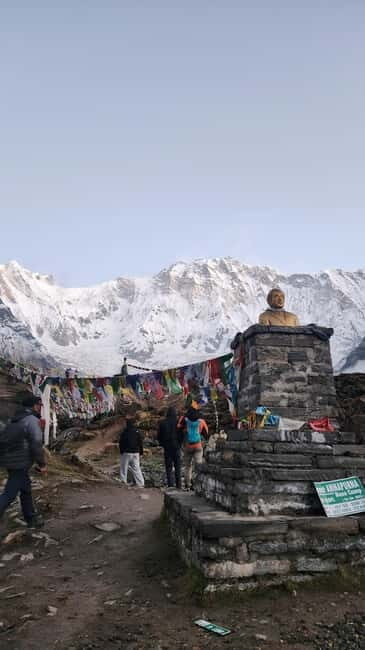 2 / 5
2 / 5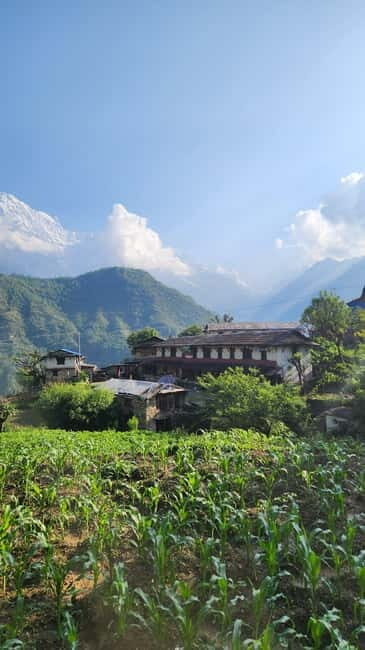 3 / 5
3 / 5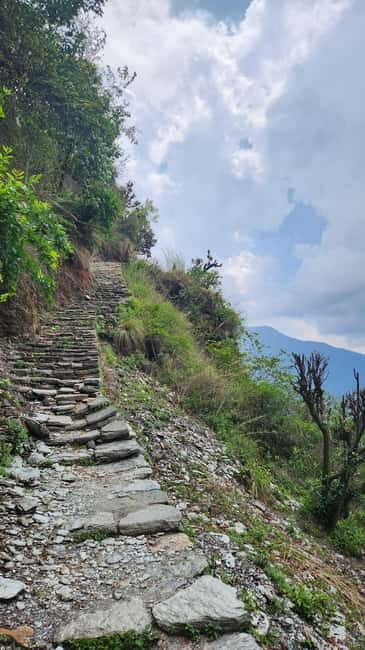 4 / 5
4 / 5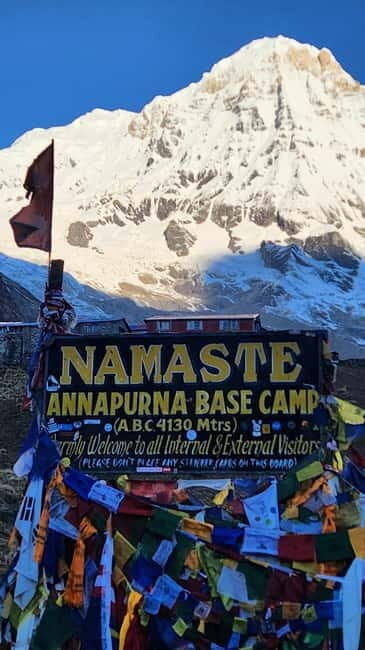 5 / 5
5 / 5- Stunning Views: Witness some of the most iconic Himalayan panoramas, including sunrise over Machhapuchhre and Annapurna South.
- Cultural Immersion: Experience local Gurung and Magar villages, their hospitality, and their traditions.
- Natural Hot Springs: Enjoy relaxing dips in the rejuvenating thermal pools of Jhinu Danda after your trek.
- Ecological Diversity: Trek through forests, terraced fields, and alpine zones, with chances to see wildlife like Himalyan tahrs and birds.
- Well-Organized Package: Includes transportation, permits, guide, accommodations, and meals, offering great value for the price.
- Moderate Difficulty: Suitable for those with average fitness, but some trekking experience helps.
An In-Depth Look at the 12-Day Annapurna Base Camp Trek
This guided trek in Nepal offers a thoughtfully curated experience that combines the awe-inspiring beauty of the Himalayas with the warmth of local culture. The journey is designed to be accessible for most reasonably fit travelers, but it still packs enough challenge to satisfy those craving adventure.
You can also read our reviews of more guided tours in Ghandruk
Starting Point: Kathmandu and Pokhara
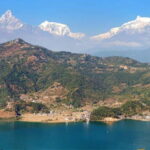
The adventure kicks off with deluxe bus transfer from Kathmandu to Pokhara, a scenic ride through lush landscapes and terraced hillsides. Alternatively, some travelers opt for a short flight, saving time and avoiding a long drive. Pokhara, known as Nepal’s adventure hub, is the perfect gateway for this trek. After a day here to acclimate and prepare, you’ll transfer to Nayapul, the traditional starting point of your trek.
The Trek Begins: Ghandruk and Chhomrong
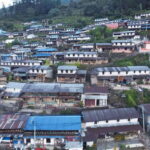
Walking through charming villages like Ghandruk, you’ll begin to notice the hospitality and traditional architecture that define this region. Ghandruk is famous for its Gurung culture — many of whom have served in the British Gurkha army. You’ll find cozy tea houses, local meals like dal bhat, and opportunities to chat with villagers about daily life.
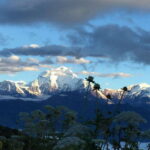
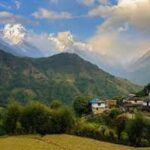
From there, the trail ascends through lush rhododendron forests—especially stunning in spring—bamboo groves, and fern-lined river valleys. The walk to Chhomrong provides sweeping views of the snowy peaks above. You’ll appreciate the gradual ascent, a hallmark of this trek’s moderate difficulty.
Exploring the Annapurna Conservation Area
As you progress, you cross into the Annapurna Conservation Area, Nepal’s largest and most diverse protected zone. Trekking here helps support local eco-tourism and biodiversity. Expect to see Himalayan langurs, blue sheep, and a variety of native birds, such as the national bird, the Danphe.
More Great Tours NearbyHigh-Altitude Days: Sinuwa and Machhapuchhre Base Camp
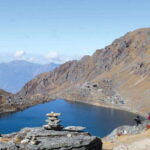
The trail takes you through subtropical forests and bamboo groves, transitioning into more rugged, alpine terrain. You’ll pass through Sinuwa, where the landscape opens up to spectacular mountain vistas. From here, the scenery intensifies, culminating in the Annapurna Base Camp (ABC), perched at 4,130 meters (13,550 feet).
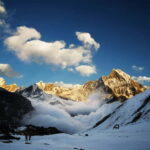
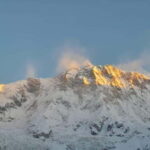
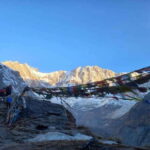
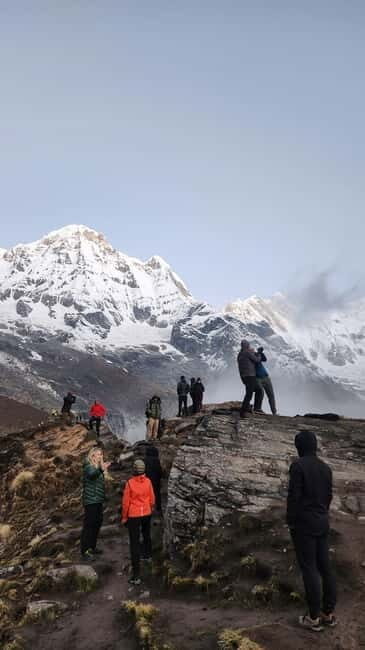
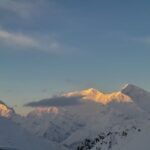
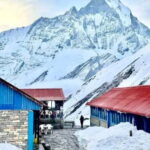
The moment you reach ABC, the views are breathtaking. You’ll see the towering Annapurna I (8,091m), the 10th highest mountain in the world, and the iconic Machhapuchhre (Fishtail) mountain, which is sacred and striking in its symmetry. Many reviews describe the sunrise here as “a moment that stays with you”—golden light illuminating the snow and ice.
You can also read our reviews of more hiking tours in Ghandruk
Hot Springs and Relaxation: Jhinu Danda
On your return journey, a highlight is the visit to Jhinu Danda, where natural hot springs lie beside the Modi Khola river. A warm dip after days of trekking is a treat you won’t forget, helping your muscles recover and providing a peaceful close to active days.
Cultural Encounters and Local Cuisine
Throughout the trek, you’ll stay in comfortable tea houses. These are simple but cozy and often decorated with prayer flags and traditional architecture. During meals, you’ll enjoy authentic Nepali dishes: dal bhat (a staple of rice, lentils, and vegetables), millet roti, and gundruk soup.
Festival celebrations like Dashain or Tihar might coincide with your trip, giving you a chance to observe local festivals, masks, and dances—authentic moments that deepen your cultural appreciation.
The Return and Final Day
After reaching ABC, the trek winds back through previous villages, providing opportunities to revisit favorite spots or explore new angles of the mountains. The transfer back to Pokhara and Kathmandu completes your adventure, with the option of a scenic drive or flight.
What the Tour Includes and What It Costs
For $1,550 per person, this package offers strong value, considering the inclusive nature of the offering. It covers airport transfers, all meals during the trek, permits (like the ACAP fee), guides, accommodation in tea houses, transportation, and seasonal fresh fruit desserts. Plus, you’ll get a route map, a basic first aid kit, and an oximeter for monitoring oxygen levels at high altitude—small details that matter.
The tour’s team is led by experienced, licensed guides, which adds to the safety and authenticity of the experience. The group size tends to be manageable, fostering a friendly atmosphere without feeling crowded.
Value and Considerations
Considering the stunning vistas, culture, and included logistics, the price offers excellent value for an all-inclusive guided trek. The comfort of organized transportation, permits, and meals means less hassle and more time to enjoy the scenery.
However, it’s worth noting that personal expenses—like extras, souvenirs, or additional activities—are not included. Also, travel insurance is your responsibility, so be sure to cover any medical or trip cancellation needs.
What to Expect Day-by-Day
Day 1-2: Kathmandu and Pokhara logistics. You’ll settle into the pace of mountain life with a drive or flight to Pokhara, followed by a transfer to Nayapul, the trek’s starting point.
Day 3-4: Ghandruk and Chhomrong. These villages introduce you to local Gurung culture and lush forest trails. Expect warm welcomes, traditional architecture, and excellent food.
Day 5-6: Sinuwa and Bamboo. The trail climbs gradually through subtropical forests, with opportunities to see native wildlife and bird species.
Day 7-8: Machhapuchhre Base Camp. The terrain becomes more rugged, with outstanding mountain views and a sense of approaching the big goal.
Day 9: Annapurna Base Camp. The moment of truth—standing at 4,130 meters and witnessing sunrise over the Himalayas.
Day 10: Descend to Jhinu Danda. Celebrate with a soak in the natural hot springs.
Day 11-12: Return journey to Pokhara, then Kathmandu. Reflect on your experience and enjoy some downtime or sightseeing.
Final Thoughts
This guided Annapurna Base Camp Trek offers a solid combination of natural beauty, cultural richness, and logistical ease. The stunning mountain panoramas, particularly at sunrise, are the kind of sights that linger in your memory long after you leave. The chance to connect with Nepali communities provides a meaningful layer beyond just the scenery.
The moderate difficulty level makes it accessible for most travelers with average fitness, especially if you have some trekking experience. The included amenities and well-organized itinerary mean you can focus on the experience itself rather than logistics.
If you’re after a true Himalayan adventure that balances challenge with comfort, and delivers incredible views, this tour is worth serious consideration. It suits those eager to see Nepal’s iconic mountains without the rigors of technical climbing, but with enough physical activity to fill your days with purpose and awe.
Annapurna Base Camp Trek: 12-Day Guided Tour
Frequently Asked Questions
Is this trek suitable for beginners?
Yes, as it’s considered a moderate trek, it’s suitable for those with average fitness. Prior trekking experience helps but isn’t essential.
What is the main highlight of this trek?
The sunset and sunrise views over Annapurna South and Machhapuchhre from Annapurna Base Camp are often described as unforgettable.
What are the included meals during the trek?
Breakfast, lunch, and dinner are included in the package, with seasonal fresh fruit desserts available every evening.
How do I get to the trek starting point?
You can travel from Kathmandu to Pokhara by a comfortable deluxe bus or a short flight. From Pokhara, transport to Nayapul is provided by private vehicle.
Are there opportunities to relax during the trek?
Absolutely. The hot springs at Jhinu Danda provide a perfect way to unwind after strenuous days.
What is the altitude at the base camp?
Annapurna Base Camp is at 4,130 meters (13,550 feet), a manageable height that still offers stunning views without extreme high-altitude risks.
What should I bring for the trek?
Warm clothing, hiking shoes, sunscreen, a reusable water bottle, trekking gear, and travel insurance are recommended.
Is there any cultural aspect included?
Yes, you’ll visit Gurung and Magar villages, see traditional architecture, and may experience local festivals if timing aligns.
In summary, the Annapurna Base Camp Trek guided tour is designed for those seeking a well-rounded experience of Nepal’s Himalayas—stunning vistas, genuine culture, and the satisfaction of reaching one of the world’s most iconic mountain destinations. With comfortable logistics and expert guidance, it’s a journey that promises both challenge and reward for the curious traveler.
You can check availability for your dates here: