If you’re dreaming of standing in the shadow of the world’s tallest peaks, the Annapurna Circuit offers an experience that blends breathtaking scenery, cultural richness, and personal challenge. This 14-day guided trek, offered by Glorious Himalaya Trekking Pvt.
Ltd., promises not just a walk through some of Nepal’s most stunning landscapes but also the comfort of organized logistics and knowledgeable guides. We’ve taken a close look at this tour to help you decide if it’s the right adventure for you.
Two aspects stand out immediately: the quality of accommodations—which ensures a good night’s sleep after rugged days—and the expert guidance that helps you navigate high-altitude crossings safely. However, potential trekkers should consider the physical demands, especially given the ascent over Thorung La Pass.
This tour is best suited for those with moderate fitness who are looking for an organized, authentic Himalayan experience without the hassle of planning every detail.
- Key Points
- An In-Depth Look at the Annapurna Circuit Trek
- The First Steps: Arrival and Initial Excitement
- The Drive to Syange: A Scenic Start
- Walking into the Heartland: Dharapani and Beyond
- Ascending Steep Ridges and Passing Peaks
- Navigating Narrow Valleys and Watching the Peaks
- The Big Day: Crossing Thorang La Pass
- Approaching the High Pass: Yak Kharka and Thorang Phedi
- Conquering Thorong La: The Highest Point
- Reaching Muktinath: A Spiritual Destination
- The Return Journey: Pokhara and Kathmandu
- The Experience Beyond the Scenery
- What You Can Expect from the Logistics
- Budget & Value
- Who Should Consider This Trek?
- Final Thoughts
- FAQ
- More Hiking & Trekking Tours in Kathmandu
- More Tour Reviews in Kathmandu
Key Points
 1 / 5
 2 / 5
 3 / 5
 4 / 5
 5 / 5
- Comprehensive package including accommodations, most meals, permits, and entrance fees.
- Flexible pacing with the guidance of experienced Nepalese guides.
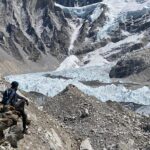
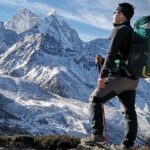
- Stunning vistas of peaks like Annapurna II, Pisang Peak, and Mt. Gundang.
- Cultural immersion in Tibetan-influenced Mustang and Himalayan monasteries.
- Long travel days from Kathmandu to Syange and from Muktinath back to Pokhara, requiring patience.
- Authentic local experience with stays in lodges and tea houses, supporting local economies.
An In-Depth Look at the Annapurna Circuit Trek
You can also read our reviews of more hiking tours in Kathmandu
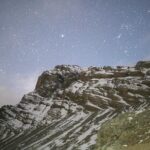
The First Steps: Arrival and Initial Excitement
Starting in Kathmandu, the tour kicks off with a welcoming greeting at Tribhuvan Airport and a transfer to a comfortable hotel. This initial day is a perfect chance to get your bearings, enjoy some Kathmandu hospitality, and listen to a briefing about the trek. The fact that the guide provides safety tips and route info early on goes a long way toward building confidence for the days ahead. For many, this day also offers a taste of the vibrant Thamel neighborhood, with its lively shops, pubs, and cafes—good for some pre-trek relaxation.
The Drive to Syange: A Scenic Start
The second day’s drive from Kathmandu to Syange lasts about 8 to 9 hours but is far from dull. Expect a changing landscape—green hills, rushing rivers, terraced farms, and glimpses of snow-capped peaks. It’s an 8-hour bus journey, but the scenery makes it fly by. The first night’s stay in Syange gives you your first real taste of Nepal’s diverse terrain, setting the tone for what’s to come. The inclusiveness of meals—breakfast, lunch, and dinner—means you won’t have to worry about finding food after a long travel day.
Walking into the Heartland: Dharapani and Beyond
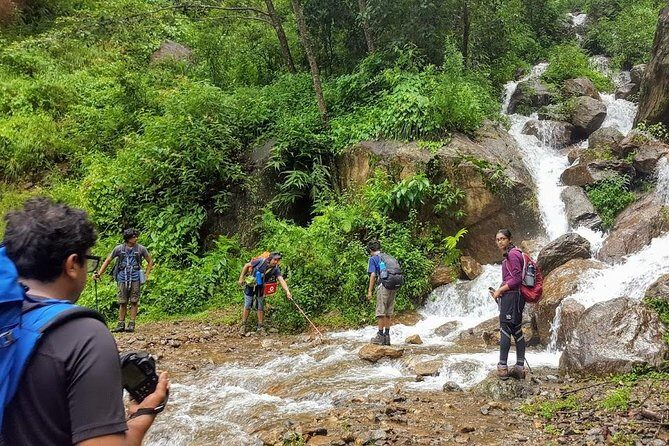
Day 3’s trek from Syange to Dharapani is about 7-8 hours of walking, crossing bridges, and passing through rice fields and waterfalls. The highlight here is the transition into the Manang district and the lush, terraced farmland that contrasts with the mountain vistas to come. The route through Kodo village introduces trekkers to local life, with the trail gradually gaining altitude.
Reviewed travelers mention the route’s scenic beauty, with Nay_A noting, “Pro: Excellent hotel accommodations and smooth arrangements for documents and airport transfers.” The walking is manageable but involves crossing terrain that’s both lush and rugged, which means sturdy footwear is essential.
Ascending Steep Ridges and Passing Peaks
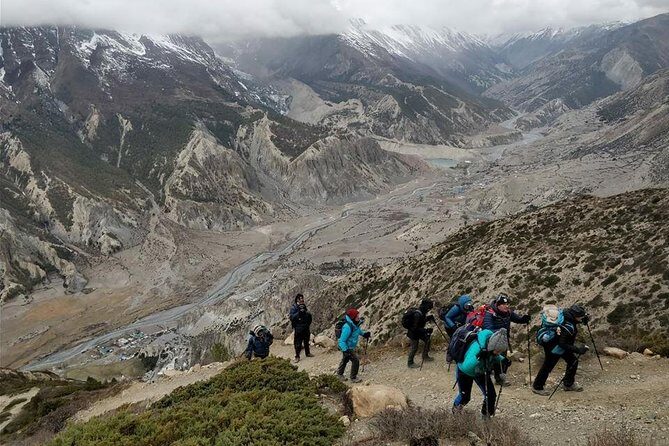
On Day 4, the trek proceeds to Chame, passing through steep ridges and green woods, with a chance to relax at hot springs—an appreciated break after several days of walking. The route offers constant reminders of the Himalayas’ grandeur, with peaks like Annapurna II and Annapurna IV looming in the distance. The trails are steep at times but well-trodden, with the communal lodges providing a cozy refuge each night.
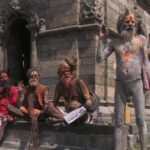
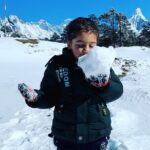
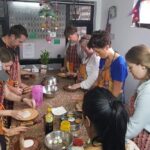
Navigating Narrow Valleys and Watching the Peaks
Day 5 takes us through narrow, sometimes challenging valleys, where full caution is advised. Here is where the trek starts to demand more from your legs and lungs. The views of Annapurna II and Pisang Peak become more prominent, making the effort worthwhile. This section highlights the importance of good guide-led safety tips, especially in tricky spots.
The Big Day: Crossing Thorang La Pass
Day 6’s ascent to Manang is a true highlight, with panoramic views of peaks like Mt. Annapurna and Pisang Peak. The route, which includes a visit to Barge Monastery, offers a glimpse into Tibetan-influenced culture and spirituality. Walking through upper Pisang, the scenery is awe-inspiring, and the sense of accomplishment begins to build.
Day 7 is a rest day in Manang, giving trekkers a chance to acclimate and explore. Optional short hikes to places like Vraga village or Himalayan Rescue Association provide both cultural insights and health tips for high-altitude trekking. The importance of proper acclimatization is echoed in traveler reviews—many appreciate having a rest day at this point.
Approaching the High Pass: Yak Kharka and Thorang Phedi
From Manang, the trail ascends again, crossing villages like Tenki and marshy meadows, where yaks graze peacefully. The journey continues on Day 8 to Yak Kharka, a base for the challenging crossing ahead. The days leading up to Thorung La involve steady climbs, with travelers often remarking on the spectacular views of mountain summits.
Conquering Thorong La: The Highest Point
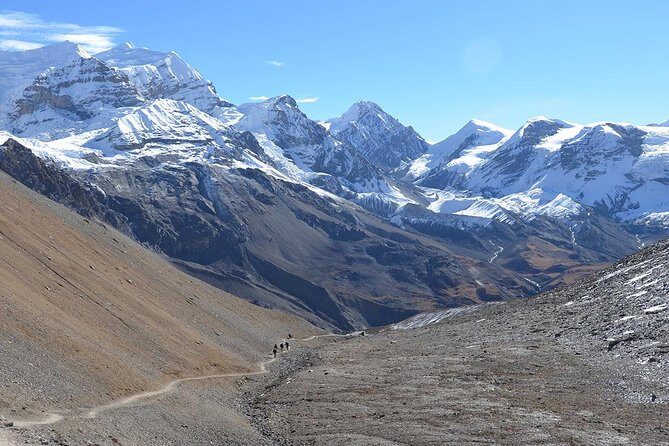
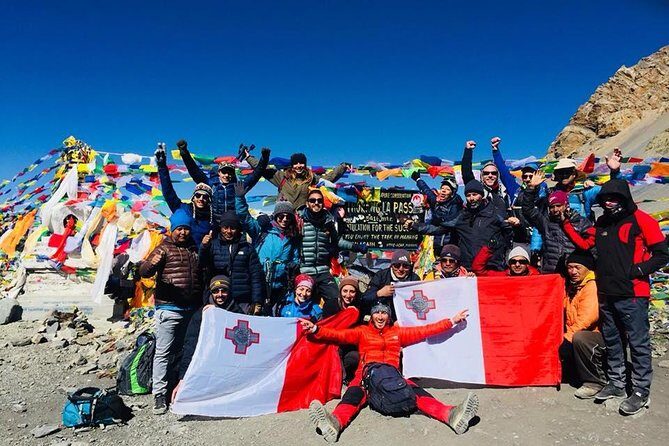
Day 9 is all about reaching Thorang Phedi, the launchpad for crossing the eponymous pass. Early morning starts are common, as the group ascends to the highest point of the trek at 5,416 meters. Crossing Thorung La is a true test—challenging, yes, but also immensely rewarding. From the reviews, we know many feel a sense of pride and achievement after conquering this pass.
Reaching Muktinath: A Spiritual Destination
Descending from Thorung La, the route leads to Muktinath, a sacred site revered by Hindus and Buddhists alike. The day-long effort culminates in a visit to Muktinath Temple, a place that many find spiritually uplifting, with the rugged high-altitude environment adding to the sense of achievement.
The Return Journey: Pokhara and Kathmandu
After completing the high-altitude challenge, the trek winds down with a long drive from Muktinath to Pokhara, taking about 10 hours. Many travelers appreciate this as a chance to reflect on their journey while enjoying Nepalese countryside. The following day offers a free afternoon in Pokhara for rest or sightseeing, with options to explore lakeside cafes or local markets.
From Pokhara, the journey concludes with a scenic 7-hour bus ride back to Kathmandu, or an optional short flight, if you prefer to skip the bus. The final day involves airport transfers and farewells, with the sense that you’ve just experienced something truly special.
The Experience Beyond the Scenery
While the views are undeniably the star of this trek, the cultural encounters are equally compelling. The Tibetan-influenced architecture, monasteries, and local villages enrich the adventure. Many reviewers note the value of trekking with a guide—who not only keeps you safe but also shares insights into local customs and mountain lore. The inclusion of permits and entrance fees simplifies logistics, allowing you to focus on the journey rather than paperwork.
What You Can Expect from the Logistics
Transportation between Kathmandu, Syange, and Pokhara is arranged via private vehicles and local buses or jeeps, which ensures smooth transitions. The accommodations in lodges and tea houses are generally comfortable, especially considering their remote mountain settings. The meal plan covers full board while trekking, including hearty Nepali cuisine, which keeps you energized for each day’s effort.
Budget & Value
At $1,150 per person, this tour offers impressive value considering the included services: comprehensive permits, accommodations, most meals, expert guides, and transfers. Reviews suggest the accommodations are of high quality, making the long days of walking more comfortable. Plus, the guided nature of the trek reduces stress and provides safety at high altitudes—something many solo trekkers would appreciate.
Who Should Consider This Trek?
This trek suits motivated travelers with a moderate fitness level who are looking for an organized, safe, and authentic Himalayan adventure. It caters well to those who prefer guided trips with logistics handled, but also want the flexibility to trek at their own pace. Because of the high-altitude crossing, it’s best for physically prepared individuals comfortable with long days of walking and altitude changes.
Final Thoughts
The Annapurna Circuit guided tour is a remarkable way to experience Nepal’s most stunning mountain scenery, rich culture, and personal achievement—all without the stress of planning every detail. The combination of comfortable accommodations, expert guides, and breathtaking vistas makes it a strong choice for adventurous but practical travelers.
The route’s highlights—such as crossing Thorung La, visiting Muktinath, and exploring Tibetan-influenced villages—offer a well-rounded Himalayan experience. The long travel days are a small price to pay for the unforgettable views and the sense of accomplishment you’ll carry home.
If you’re looking for a guided trek that balances comfort, adventure, and cultural discovery, this Annapurna Circuit package could be just what you need. It’s best for those who want to see Nepal’s iconic landscapes while knowing they’re in safe hands.
Annapurna Circuit Trek
FAQ
How long does the drive from Kathmandu to Syange take?
It takes about 8 to 9 hours by private vehicle, giving you plenty of time to enjoy the changing scenery along the way.
Are meals included during the trek?
Yes, most meals—breakfast, lunch, and dinner—are included during the trek, which simplifies planning and helps keep you fueled.
What kind of accommodations are provided?
You’ll stay in lodges and tea houses in twin-sharing rooms, generally comfortable considering the remote mountain locations.
Is the trek suitable for beginners?
It requires moderate physical fitness. While some days involve steep ascents and high-altitude crossings, the guided setup and rest days make it manageable for motivated trekkers.
Does the tour include permits and entrance fees?
Yes, all necessary trekking permits and area entrance fees are included, removing the hassle of separate arrangements.
How physically demanding is the Thorung La Pass crossing?
Crossing at 5,416 meters is challenging and requires acclimatization, but with proper guidance and pacing, many trekkers find it achievable.
Can I customize the itinerary?
Being a private guided tour, it can be tailored to your needs—talk to the provider about any specific preferences or concerns.
To sum it up, this Annapurna Circuit guided trek offers a balanced mix of adventure, comfort, and cultural insight, making it ideal for travelers who want a well-organized, authentic Himalayan experience. With stunning mountain views, safety in numbers, and the chance to conquer high passes, it’s a trip that will stay with you long after you’ve returned home.