Planning a trek in Nepal? The Annapurna Circuit combined with the Nar Phu Valley offers a chance to see some of the most spectacular landscapes and culturally rich villages in the Himalayas. This 17-day journey isn’t your typical trail; it’s a carefully crafted adventure that takes you through lesser-visited Tibetan-influenced communities, towering mountain passes, and iconic Himalayan panoramas.
Whether you’re a seasoned trekker or someone craving an off-the-beaten-path experience, this trek promises both challenge and reward.
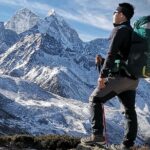
What we love about this trek is how it balances authentic cultural encounters with spectacular scenery. You’ll get to traverse high-altitude passes like Thorong La (5,416m) and Kang La (5,320m), each offering jaw-dropping vistas. The journey also allows you to explore remote villages that have preserved their traditional ways of life, far from mass tourism.
A further highlight is the chance to stand on some of the highest walking passes in the world—an achievement many dream of—and to feel the spiritual presence at sacred sites like Muktinath.
One thing to consider is that this trek involves significant altitude and physical exertion. The high passes and remote villages mean you’ll need good fitness, acclimatization, and proper gear. The longer days and altitude challenges might not suit everyone, especially those with mobility issues or health concerns.
However, for travelers looking for an authentic Himalayan adventure—combining cultural depth with challenging climbs—this trek hits the sweet spot.
This tour is ideal for those with a sense of adventure, a love of mountains, and an interest in Tibetan culture. It’s best suited for travelers who appreciate a mix of physical challenge and culture, and who are prepared for the altitude and rugged terrain. Let’s explore what makes this trek so compelling.
- Key Points
- An Overview of the Trek Experience
- The Cultural Jewel: Nar and Phu Valleys
- Crossing Kang La and Thorong La
- The Sacred Site of Muktinath
- Scenic Drive and Ending in Pokhara
- What’s Included and What’s Not
- Daily Breakdown: How the Trek Unfolds
- Authenticity and Traveler Testimonials
- Practical Tips for Future Trekkers
- Who Will Love This Trek?
- FAQs
- More Hiking & Trekking Tours in Kathmandu
- More Tour Reviews in Kathmandu
Key Points
- Unique cultural experience in Tibetan-influenced villages of Nar and Phu valleys.
- High-altitude passes like Thorong La and Kang La providing panoramic mountain views.
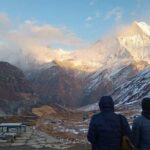
- Spectacular Himalayan scenery featuring peaks like Annapurna, Dhaulagiri, and Machhapuchhre.
- Balanced itinerary combining remote valleys, classic Annapurna Circuit scenery, and sacred sites.
- Moderate price point at $360, offering excellent value considering included accommodations, permits, and guides.
- Physical challenge with high passes and varied terrain, best suited for experienced trekkers.
An Overview of the Trek Experience
This 17-day trek is a well-rounded package that provides a taste of Nepal’s raw mountain beauty while revealing some of its most intriguing cultural facets. Starting from Kathmandu, you’ll first enjoy a comfortable transfer to Pokhara—Nepal’s adventure capital—where the landscape begins to change dramatically. From there, the journey takes you into a mix of lush forests, high-altitude landscapes, and isolated villages.
You can also read our reviews of more hiking tours in Kathmandu
The Cultural Jewel: Nar and Phu Valleys
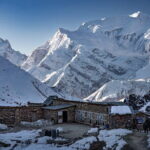
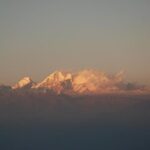
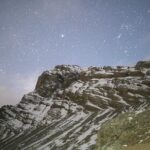
The trek’s first part ventures into the Nar and Phu valleys, which are less crowded and more remote. These areas feel like stepping back in time. The villages are Tibetan-influenced, with traditional architecture, monasteries, and a resilient community that has preserved its Buddhist traditions. Expect to see centuries-old monasteries perched on cliffs and meet villagers whose lifestyles are still deeply rooted in age-old customs.
Travelers consistently mention how this part of the trek offers an authentic glimpse into Himalayan village life. One reviewer notes, “We loved the way the villages are untouched by modern tourism, giving a real sense of tradition.” The landscape here is stark and dramatic, with windswept plateaus and rugged mountain terrain, making it a photographer’s paradise.
Crossing Kang La and Thorong La
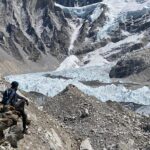
The highlight for many will be the high pass crossings. Kang La (5,320m) connects the Nar Phu Valley to the Annapurna Circuit, offering spectacular views of Annapurna II and the Manaslu range. The trail to Kang La is challenging but rewarding, with scree slopes and snow patches that test your endurance. The ascent is steep, but the vistas at the top are worth every step.
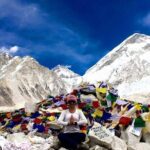
The trek continues through alpine meadows and rocky paths to the Thorong La (5,416m), arguably one of the highest passes trekked on the planet. Standing at the top of Thorong La, you’re surrounded by towering peaks, including Machhapuchhre and Dhaulagiri. The descent from Thorong La takes you into the sacred town of Muktinath, a major pilgrimage site revered by both Hindus and Buddhists.
The Sacred Site of Muktinath
Muktinath is a spiritual highlight. Pilgrims come from afar to bathe in its holy waters and seek blessings. The temple complex, set against a backdrop of rugged mountains, offers a peaceful contrast to the physical demands of the trek. Visiting Muktinath adds a layer of spiritual significance, enriching the overall experience.
More Great Tours NearbyScenic Drive and Ending in Pokhara
After completing the high passes and cultural exploration, travelers descend through the Kali Gandaki Gorge, known as the world’s deepest gorge. The drive back to Pokhara provides a chance to relax and reflect on the journey amidst lush landscapes. The trek concludes in Kathmandu, where you can unwind and share stories of your Himalayan adventure.

What’s Included and What’s Not
The cost of $360 per person covers many essentials: airport transfers in Kathmandu, transportation to Pokhara, accommodations in comfortable 3-star hotels, and cozy teahouses along the trail. All meals during the trek are included, which simplifies logistics and lets you focus on the scenery and culture. A knowledgeable English-speaking guide, porters (one for every two trekkers), permits (ACAP and TIMS), and a comprehensive travel insurance pack are part of the package.
You’ll also receive a duffel bag and sleeping bag, which can be returned after the trek—adding convenience for international travelers. At the end, a farewell dinner is included, providing a lighthearted way to celebrate your achievement.
However, the tour does not include international airfare, Nepal entry visa fees, personal trekking gear, or expenses like laundry and bar bills. It’s worth budgeting for these extras separately.
Daily Breakdown: How the Trek Unfolds
Day 1-2: Arrival and Kathmandu Exploration
Your adventure begins with airport pickup and a transfer to your hotel. Depending on your arrival time, you might explore Kathmandu’s vibrant streets, markets, and temples, adjusting to the altitude and climate.
Day 3: Kathmandu to Pokhara
A scenic bus ride (around 6-7 hours) takes you to Pokhara, where the Himalayan vistas start to become more prominent. You’ll get a first taste of Nepal’s mountain profile from the comfort of your bus.
Day 4: Pokhara to Ngadi or Chame
The trek officially begins with a drive to the trailhead. The initial days are relatively gentle, with lush forests and river crossings, helping your body acclimate.
Day 5-6: Into the Nar and Phu Valleys
These days involve walking through quaint villages, monasteries, and high-altitude terrain. You’ll learn about Tibetan-influenced architecture and Buddhist traditions. The remote nature of these valleys makes for unique cultural encounters.
Day 7-8: Kang La Pass and further north
The ascent to Kang La is demanding but offers breathtaking mountain views—think peaks like Annapurna II and the surrounding ranges. The descent leads toward the classic Annapurna Circuit route.
Day 9-11: Along the Annapurna Circuit
Follow the well-trodden trail, passing through towns like Manang, renowned for its Tibetan flavor and stunning vistas. The trail here is a mix of forested paths and rocky, exposed sections.
Day 12: Thorong La Pass
The ascent to Thorong La is the trek’s pinnacle—challenging but incredibly rewarding. The panoramic views from the top can make you forget the effort it took to get there.
Day 13-14: Muktinath and descent
Visiting the sacred Muktinath Temple adds spiritual depth. The descent into the Kali Gandaki Gorge is dramatic, with the landscape becoming more arid.
Day 15-16: Drive back to Pokhara and Kathmandu
The journey concludes with a scenic drive through mountain scenery, giving time to process the adventure.
Day 17: Departure
Transfer to Kathmandu airport, with options to explore further or relax before your onward journey.
Authenticity and Traveler Testimonials
Many who’ve taken this trek praise its combination of remote cultural discovery and high-altitude adventure. One reviewer noted, “The villages of Nar Phu felt like stepping into a different world—quiet, traditional, and stunning.” Others highlight the mental and physical challenge: “Crossing Thorong La was tough but a huge sense of achievement.” Several mention how the inclusion of sacred sites like Muktinath enriches the spiritual aspect of the journey.
Some travelers express concern about altitude, emphasizing the importance of proper acclimatization and physical prep. The overall consensus is that those with good fitness levels will find this trek both manageable and deeply rewarding.
Practical Tips for Future Trekkers
- Pack appropriately for high-altitude weather: layers, waterproof gear, and sturdy hiking shoes are essential.
- Bring personal trekking gear, especially if you prefer your own equipment over rental options.
- Be prepared for long days—some sections can take 6-8 hours, so good stamina is key.
- Drink plenty of water and follow acclimatization guidelines to reduce the risk of altitude sickness.
- Respect local customs and traditions, especially in sacred sites like Muktinath.
Who Will Love This Trek?
This trek is best suited for adventurous travelers with some trekking experience, who are comfortable at high elevations. It’s perfect for those interested in culture as much as mountain scenery, especially if you’re eager to visit Tibetan-style villages and sacred sites. Because of the physical demands, it’s less suitable for very young children or seniors over 70, unless they are very fit and acclimated.
The tour offers fantastic value at $360, considering the inclusions—permits, accommodations, meals, guides, and transportation. For travelers seeking a genuine Himalayan adventure that combines remote cultural exploration with some of the highest passes in the world, this trek delivers on every front.
Annapurna Circuit with Nar Phu Valley Trek
FAQs
What is the main highlight of this trek?
The high passes, especially Thorong La and Kang La, offer some of the most breathtaking mountain views and are the physical highlights for many trekkers.
Is this trek suitable for beginners?
It’s better suited for those with trekking experience, particularly at high altitudes, due to the challenging passes and terrain. Proper acclimatization and fitness are important.
How physically demanding is the trek?
Expect long days with steep ascents and descents, especially over high passes. The altitude can also be taxing, so good stamina and acclimatization are crucial.
What cultural experiences can I expect?
You’ll visit Tibetan-style villages, monasteries, and the sacred Muktinath temple. These sites provide insight into local Buddhist traditions and Himalayan lifestyles.
What is included in the price?
The package covers airport transfers, transportation, accommodations, meals during the trek, permits, guides, porters, and a farewell dinner.
Are the accommodations comfortable?
Yes, in Kathmandu and Pokhara, you’ll stay in 3-star hotels. During the trek, teahouses offer basic but comfortable lodging, with shared bathrooms and hearty local meals.
To sum it up, this Annapurna Circuit with Nar Phu Valley Trek offers a compelling mix of adventure, culture, and natural beauty at an accessible price. It’s a fantastic choice for those seeking a less-touristed route that combines high mountain passes, Tibetan villages, and spiritual sites. While it demands a good level of fitness and acclimatization, the rewarding vistas, authentic encounters, and sense of achievement make it a trip worth every effort. If you’re after an honest, immersive Himalayan experience without the crowds, this trek might just be your perfect adventure in Nepal.
You can check availability for your dates here: